Korean Napa Cabbage Pancake

Korean Napa Cabbage Pancake

Quick answer

Baechu jeon is a Korean pan-fried pancake made with napa cabbage leaves coated in a thin flour batter.

What makes this special

  • This Korean Napa Cabbage Pancake uses a thin batter to highlight the natural sweetness of whole leaves.
  • Thin 1:1 batter lets napa cabbage's natural sweetness come through
  • Thick rib sections need pounding flat for even batter adhesion
Total time
22 min
Level
Easy
Servings
2 servings
Ingredients
6
Calories
220 kcal
Protein
6 g

Key ingredients

napa cabbage leavesKorean pancake mixwatersaltcooking oil

Core cooking flow

  1. 1 Wash 8 napa cabbage leaves, then dry them very well so the batter can cling.
  2. 2 Mix 0.8 cup Korean pancake mix, 0.7 cup water, and 0.3 teaspoon salt.
  3. 3 Dip the cabbage leaves into the batter one at a time, coating both sides lightly.

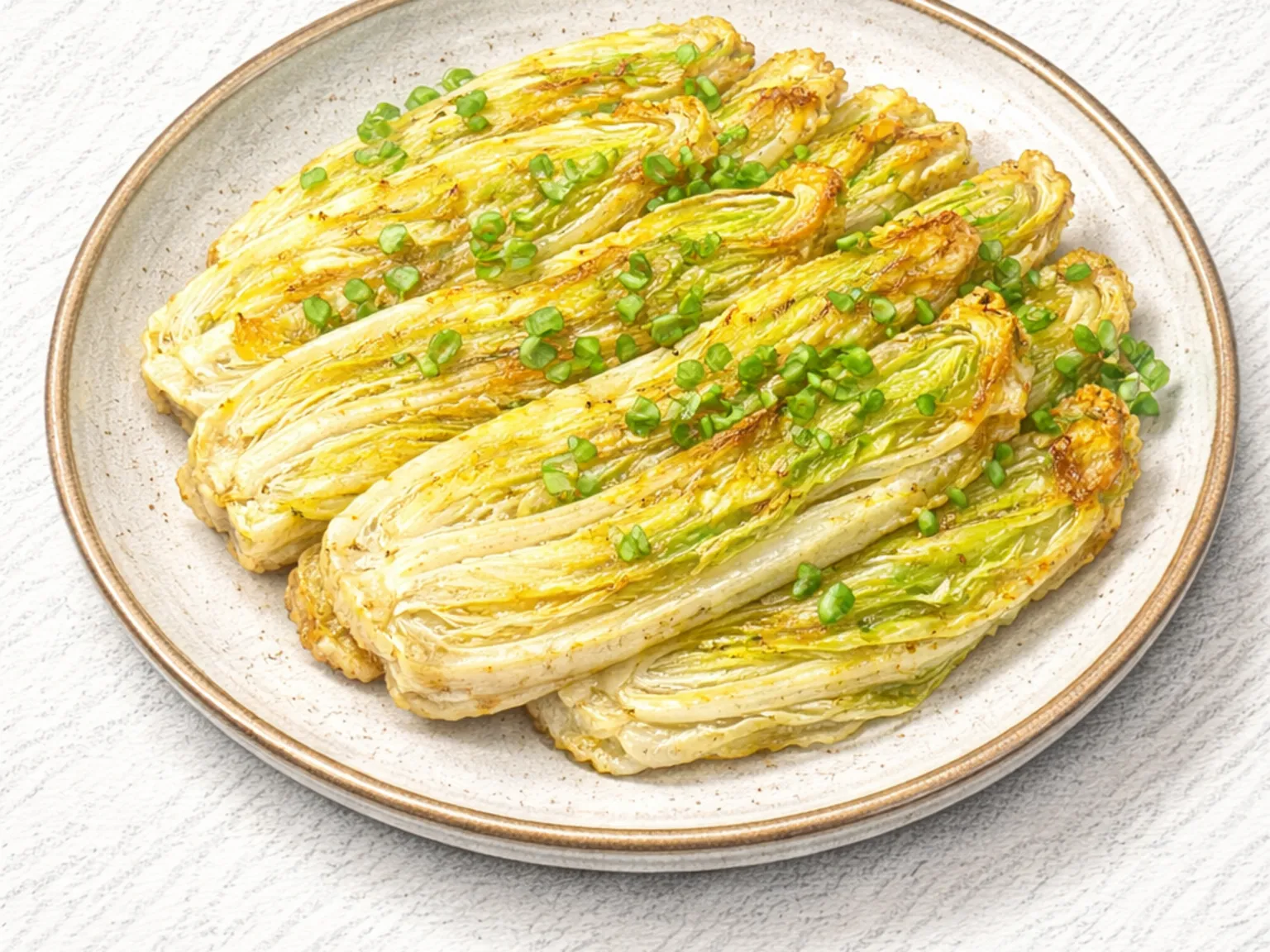
Baechu jeon is a Korean pan-fried pancake made with napa cabbage leaves coated in a thin flour batter. The simplicity of the recipe makes it a practical use-up dish during kimchi-making season, when salted outer cabbage leaves are on hand and need to be eaten quickly before they deteriorate. Outer leaves of medium size work best; the stem end, if too thick, needs to be flattened with the back of a knife so that the batter adheres uniformly and the leaf lies flat during cooking without curling or buckling. The batter is mixed thin - roughly equal parts buchim flour and water - so it forms a light coating rather than a thick shell. A heavy batter masks the cabbage entirely and produces a texture that is doughy rather than crisp. Generous oil in a well-heated pan and steady medium heat are what produce the characteristic result: a thin, crackling exterior while the cabbage inside softens and its natural sweetness intensifies. Napa cabbage's sweetness becomes more pronounced with heat than in its raw state, which is why this pancake, despite its simplicity, tastes distinctly of the vegetable. Each side must be fully golden before flipping - attempting to turn it early, before the batter sets, breaks the pancake. The standard accompaniment is a dipping sauce of soy sauce sharpened with rice vinegar and sliced cheongyang chili, whose acidity and heat provide contrast to the mild, faintly sweet pancake.

Prep 12min Cook 10min 2 servings
Recipes by ingredient → soy sauce

Instructions

Read the steps as a cooking flow: prep, heat, seasoning, doneness control, and finish.

6 steps
  1. 1
    Prep

    Wash 8 napa cabbage leaves, then dry them very well so the batter can cling.

    Pound the thick stem ends with the back of a knife until flatter, helping each leaf lie evenly in the pan.

  2. 2
    Season

    Mix 0.8 cup Korean pancake mix, 0.7 cup water, and 0.3 teaspoon salt.

    Stir until the batter runs thinly from a spoon, because a heavy coating hides the cabbage flavor and turns tough.

  3. 3
    Finish

    Dip the cabbage leaves into the batter one at a time, coating both sides lightly.

    Shake off any thick patches so the veins of the leaf still show through and the finished pancake stays crisp.

  4. 4
    Control

    Add 2 tablespoons cooking oil to a pan and preheat over medium heat.

    When the edges of a test drop sizzle gently, lay the coated cabbage flat in the pan without overlapping the leaves.

  5. 5
    Heat

    Cook the first side for 2 to 3 minutes without moving it.

    Flip only after the batter has set and the underside is golden, since turning too early can tear the leaf and loosen the coating.

  6. 6
    Finish

    Cook the second side over medium heat until golden and crisp, then remove from the pan.

    Serve right away with a dipping sauce made from 1 tablespoon soy sauce, vinegar, and sliced cheongyang chili.

After the steps

Pick a recipe that fits this dish.

Continue with shared ingredients, meal pairings, or a similar method.

Recipes That Go Well With This

More Grilled →

Based on shared ingredients and meal pairing

Korean Bean Sprout Pancake
Shared ingredient: korean pancake mix Grilled

Korean Bean Sprout Pancake

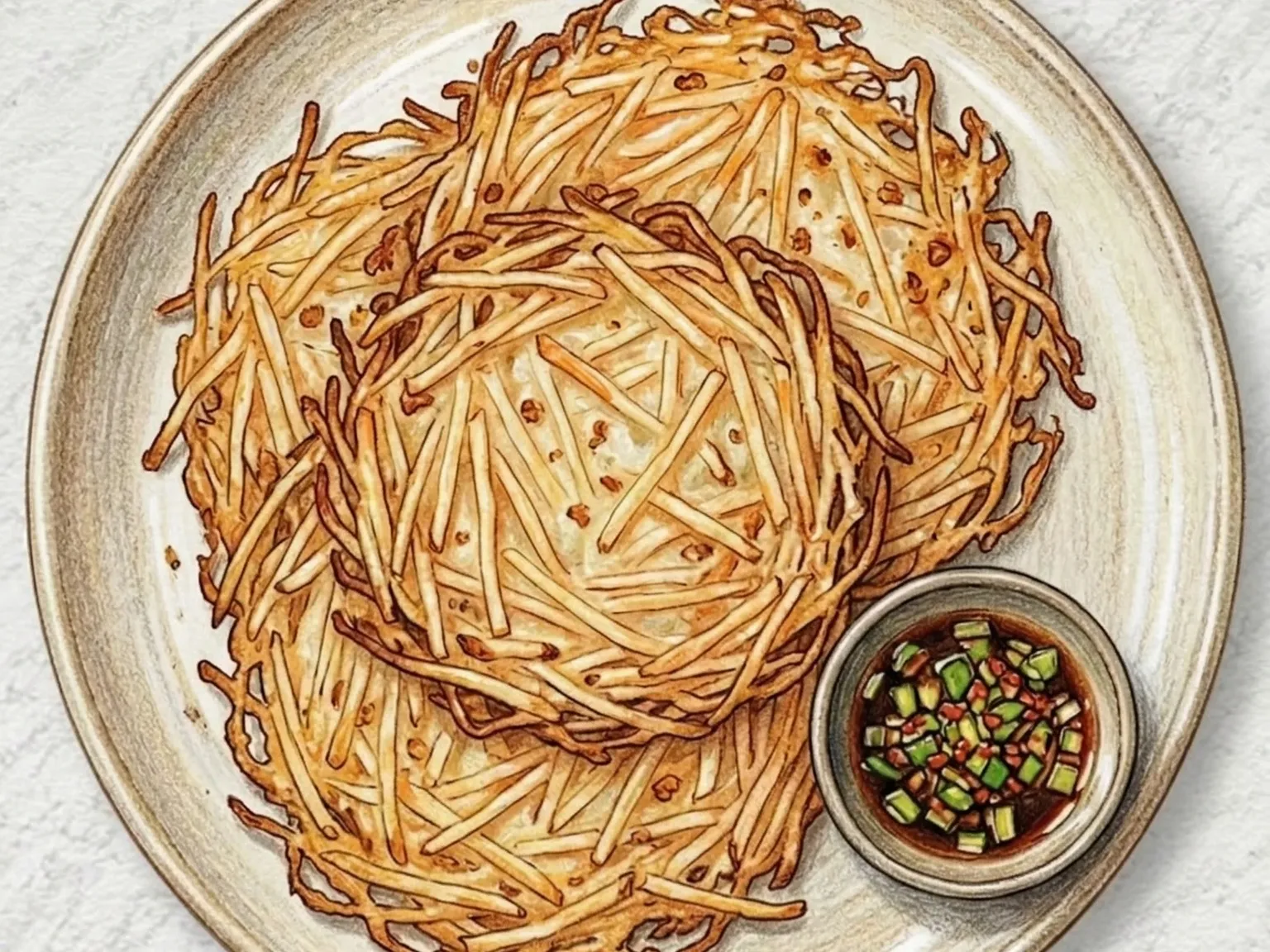
Kongnamul-jeon is a Korean bean sprout pancake made by folding blanched soybean sprouts and sliced green onion into a thin batter of Korean pancake mix, water, and salt, then pan-frying until both sides turn golden. The sprout heads turn nutty and soft when cooked while the stems retain their crunch, creating a contrast of textures within a single pancake. Draining the sprouts thoroughly before mixing is essential-any residual water thins the batter and results in a soggy rather than crisp pancake. Sliced green onion adds an aromatic sharpness to the otherwise mild sprout flavor, and letting the finished pancake cool briefly before slicing keeps it from falling apart.

Korean Garlic Chive Pancake
Shared ingredient: korean pancake mix Grilled

Korean Garlic Chive Pancake

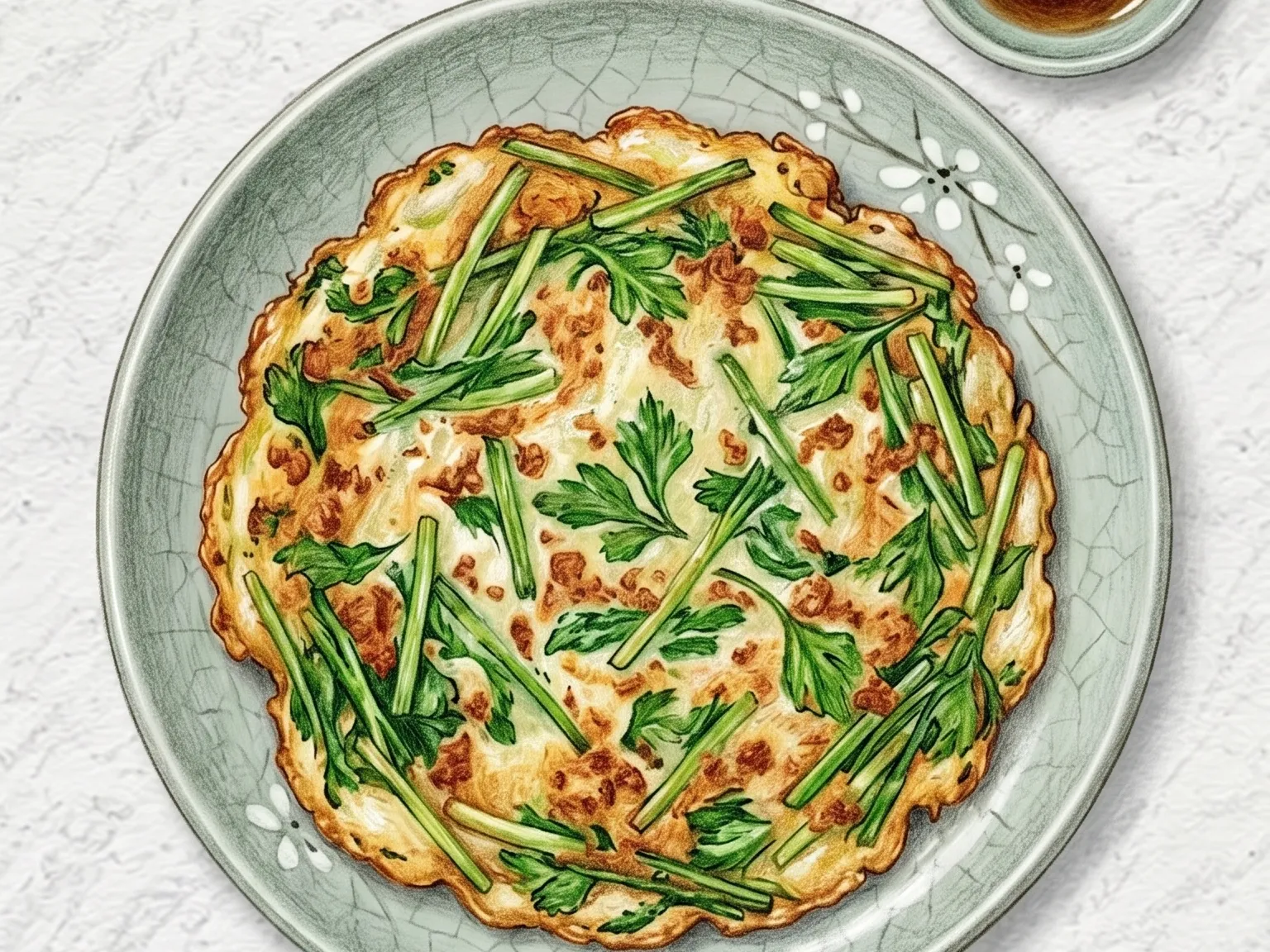
Buchu-jeon is a Korean garlic chive pancake where a generous pile of chives is loosely bound in a thin batter together with julienned carrot and onion, then pan-fried until the edges crisp and turn golden. The chives carry a pungent, mildly spicy aroma that becomes more pronounced with heat, and cutting them to five centimeters prevents the pancake from tearing when flipped. The batter is intentionally thin and runny - a thick batter produces a doughy, steamed interior that smothers the chive flavor rather than framing it. Spreading each portion as flat as possible in the pan is the direct path to the crispy edges that define the dish. Frying multiple small pancakes holds crunch significantly better than attempting a single large one, since each piece spends less time on heat and cools more evenly. Served immediately off the pan with a dipping sauce of soy sauce sharpened with a small pour of vinegar.

Korean Stir-Fried Sweet Potato Stems
Serve together Side dishes

Korean Stir-Fried Sweet Potato Stems

Goguma julgi - sweet potato stems - are the above-ground vines of the sweet potato plant, a byproduct that Korean cooks transform into a summer namul rather than discarding. The most labor-intensive step is peeling each stem by hand, pinching the outer skin with a fingernail and pulling it away to reveal the tender core beneath. After blanching for two minutes and rinsing in cold water, the stems are stir-fried in perilla oil with garlic and seasoned with soup soy sauce. Perilla powder stirred in at the end thickens the remaining liquid into a nutty glaze. In season during summer, the stems are harvested from sweet potato fields before the tubers themselves are dug up.

Korean Napa Cabbage Kimchi
Similar recipe Kimchi

Korean Napa Cabbage Kimchi

Baechu kimchi is Korea's definitive fermented food - salted napa cabbage layered with a seasoning paste of gochugaru, anchovy fish sauce, garlic, ginger, and glutinous rice paste, then fermented at controlled temperatures until the correct balance of salt, heat, umami, and lactic acid develops. Kimchi is not a pickled vegetable in the Western sense; it is a living fermented food whose character changes continually from the moment it is made. The salting step is the technical foundation. Coarse sea salt draws moisture from the cabbage over six to eight hours, making the stems flexible while leaving the characteristic crunch intact. Under-salting results in kimchi that weeps too much liquid during fermentation and turns mushy; over-salting suppresses microbial activity and masks the seasoning. The glutinous rice paste in the seasoning serves two purposes simultaneously: it acts as an adhesive that keeps the seasoning paste clinging to each leaf rather than sliding off, and it provides fermentable sugars that give the lactobacillus bacteria an early food source, accelerating the initial fermentation. Julienned radish adds textural contrast, and scallions contribute a layer of savory depth. After one day at room temperature to establish the bacterial culture, the kimchi moves to cold storage where lactic acid accumulates slowly. At two to three weeks, the heat from gochugaru, the umami from fish sauce, and the acidity from fermentation reach their optimal equilibrium. Older kimchi - four weeks or more - develops a pronounced sourness and deeper, more fermented flavor that makes it better suited for cooking in kimchi-jjigae or kimchi-bokkeum than for eating raw.

Serve with this

Korean Gochujang Chicken Mayo Rice Bowl
Rice Easy

Korean Gochujang Chicken Mayo Rice Bowl

Gochujang chicken mayo deopbap pairs stir-fried chicken thigh glazed in a fermented chili sauce with a drizzle of creamy mayonnaise over warm steamed rice. Boneless chicken thigh cut into bite-sized pieces is stir-fried over high heat in a sauce built from gochujang, soy sauce, sugar, and minced garlic until a glossy, sticky glaze coats every surface and the edges of the chicken begin to caramelize. The sauced chicken goes directly onto the rice, and mayonnaise is zigzagged across the top in strips, creating alternating lines of red and white that fold together at the table. The combination works because gochujang contributes fermented, slow-building heat while the mayo provides a cool, fat-rich creaminess that extends each bite and carries the sauce deeper into the rice. Onion cooked alongside the chicken breaks down into the glaze, rounding the sauce's edges with a natural sweetness, while a scattering of sliced green onion on top adds a fresh, sharp contrast. Thigh meat is the correct choice over breast - its fat content means it retains moisture through the high-heat stir-fry rather than turning dry or stringy. A variation that has gained popularity layers a slice of processed cheese beneath the chicken, letting the residual heat melt it into a creamy middle layer between rice and glaze.

🏠 Everyday 🍺 Bar Snacks
Prep 15min Cook 20min 2 servings
Korean Spicy Fermented Squid Jeotgal
Kimchi Medium

Korean Spicy Fermented Squid Jeotgal

Ojingeo jeotgal is a Korean fermented squid preserve made by salting cleaned, finely chopped squid for one hour to firm the flesh and extract moisture, then dressing it in a paste of gochugaru, minced garlic, ginger, fish sauce, and corn syrup. The salt cure intensifies the squid's natural chewiness, and cutting the pieces small accelerates seasoning absorption during the two-to-three-day cold fermentation. Chili flakes coat every surface in a deep red layer that delivers steady heat, while corn syrup adds gloss and a mild sweetness that prevents the salt from dominating. Spooned over steamed rice, each piece offers a firm, springy chew followed by a wave of fermented umami. Mixing in a touch of sesame oil before serving softens the saltiness and adds a nutty fragrance that rounds out each mouthful.

🍱 Lunchbox 🏠 Everyday
Prep 30min 4 servings
Korean Namhae-Style Clam Broth
Soups Medium

Korean Namhae-Style Clam Broth

Namhae-jogae-tang is a southern coastal Korean clam soup that relies on an abundance of clams and minimal interference to produce a broth of startling clarity and depth. The clams are purged in salted water, then cooked in water spiked with rice wine, which tempers any raw ocean smell. As the shells pop open, they release their natural liquor - briny, faintly sweet, and concentrated - which becomes the soup's defining flavor. Sliced green and red chilies add gentle heat and color without overwhelming the shellfish, while garlic and green onion contribute a quiet aromatic layer. Salt is added cautiously, since the clams themselves bring significant salinity. The result is a transparent, intensely flavored bowl that tastes like the sea distilled into its purest form, and it is traditionally enjoyed as both a drinking companion and a light meal.

🍺 Bar Snacks 🏠 Everyday
Prep 35min Cook 18min 2 servings

Similar recipes

Korean Seasoned Napa Cabbage Namul
Side dishes Easy

Korean Seasoned Napa Cabbage Namul

Boiled napa cabbage dressed with doenjang and perilla, a banchan passed through generations of Korean home cooks. The cabbage boils for two minutes so the leaves go fully soft while the white stems keep a slight bite, then it is rinsed, squeezed dry, and cut. Perilla oil takes the place of sesame oil and gives the dressing a distinctly herbal character. Perilla powder added at the end thickens the seasoning into a coating that clings to each strand. This quiet banchan pairs well with clear soups and plain steamed rice.

🏠 Everyday 🍱 Lunchbox
Prep 10min Cook 5min 4 servings
Korean Shepherd's Purse & Napa Pancake
Pancakes Medium

Korean Shepherd's Purse & Napa Pancake

Shepherd's purse and napa cabbage combine in this seasonal pancake built around early spring greens. The shepherd's purse brings a pleasantly bitter, herbal character, while napa cabbage contributes gentle sweetness and body. Rice flour worked into the batter produces a slightly chewy consistency, and soup soy sauce keeps the seasoning clean so the greens stay in front. Egg holds the batter together, and the pan-fried surface turns a fragrant, golden brown. Because shepherd's purse has a short season in early spring, this jeon is a limited window into the year's first wild greens.

🍺 Bar Snacks 🏠 Everyday
Prep 18min Cook 14min 4 servings
Korean Tofu Jeon (Golden Egg-Coated Pan-Fried Tofu)
Grilled Easy

Korean Tofu Jeon (Golden Egg-Coated Pan-Fried Tofu)

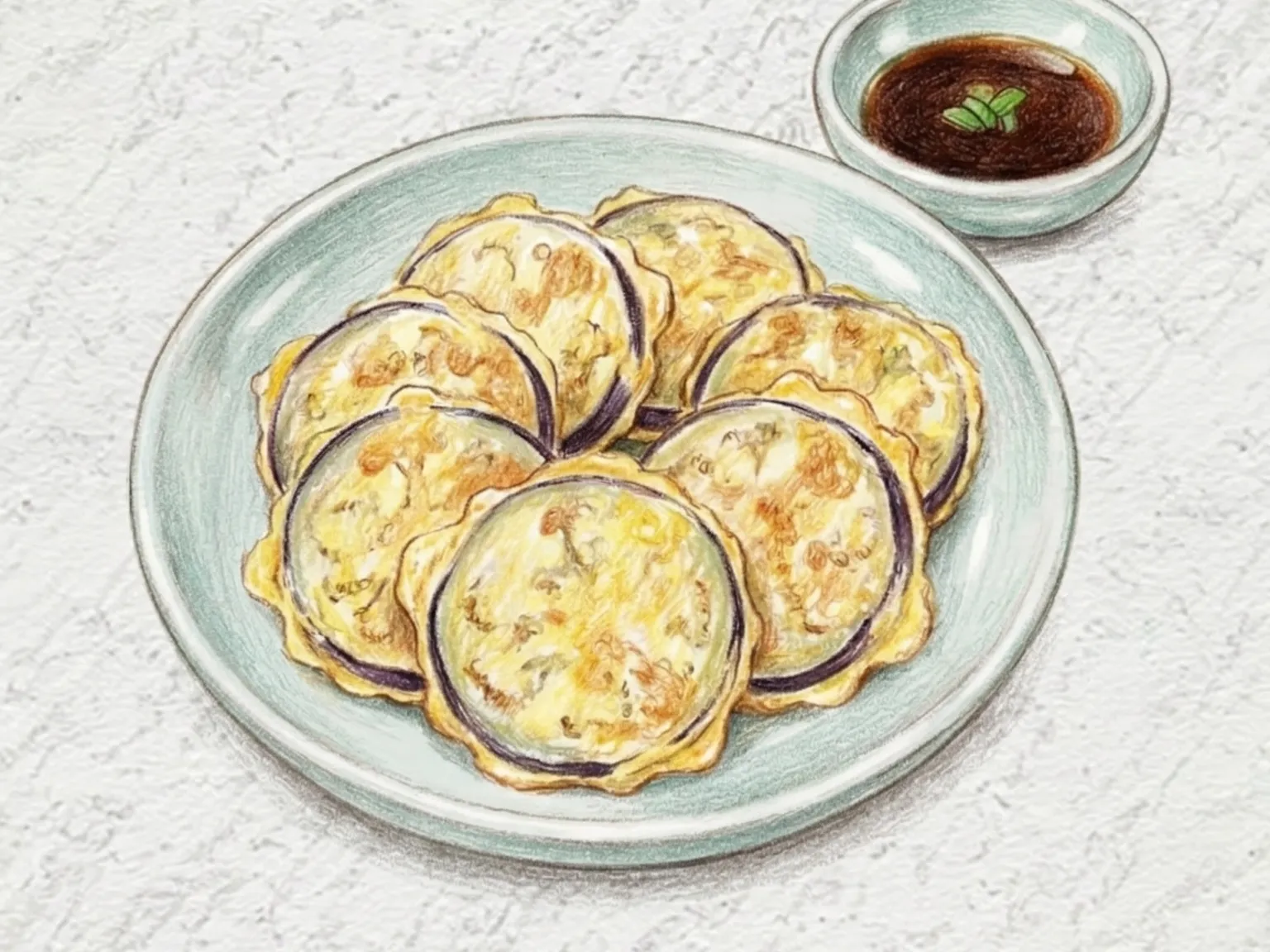
Dubu-jeon is a Korean pan-fried tofu dish and a standard side dish in everyday home cooking as well as a fixture on ancestral rite tables. Firm tofu is sliced to about 1 cm thickness, seasoned with salt and pepper, dusted in a thin layer of flour to help the coating adhere, dipped in beaten egg, then fried on each side in a lightly oiled pan until the exterior turns golden and set. Pressing the tofu before cooking is the most important preparatory step: wrapping the slices in paper towels and placing a heavy object on top for at least fifteen minutes removes enough moisture to prevent the oil from splattering and allows the egg coating to bond tightly to the surface. Three to four uninterrupted minutes per side over medium heat are needed to develop an even golden crust without burning the egg; turning the pieces too often strips the batter away and leaves patches of bare tofu. The fried tofu is mild and nutty on its own, but a dipping sauce of soy sauce mixed with a small amount of vinegar and red pepper flakes adds salt, acidity, and heat that transform the simple base into something more complex. Eaten hot, the egg coating is thin and slightly crisp; as it cools the exterior softens while the interior remains tender.

🍺 Bar Snacks 🏠 Everyday
Prep 12min Cook 8min 2 servings

Tips

Keep batter thin so cabbage sweetness stands out.

Nutrition (per serving)

Calories
220
kcal
Protein
6
g
Carbs
31
g
Fat
8
g