Charim

2686 Korean & World Recipes

2686+ Korean recipes, clean and organized. Ingredients to instructions, all at a glance.

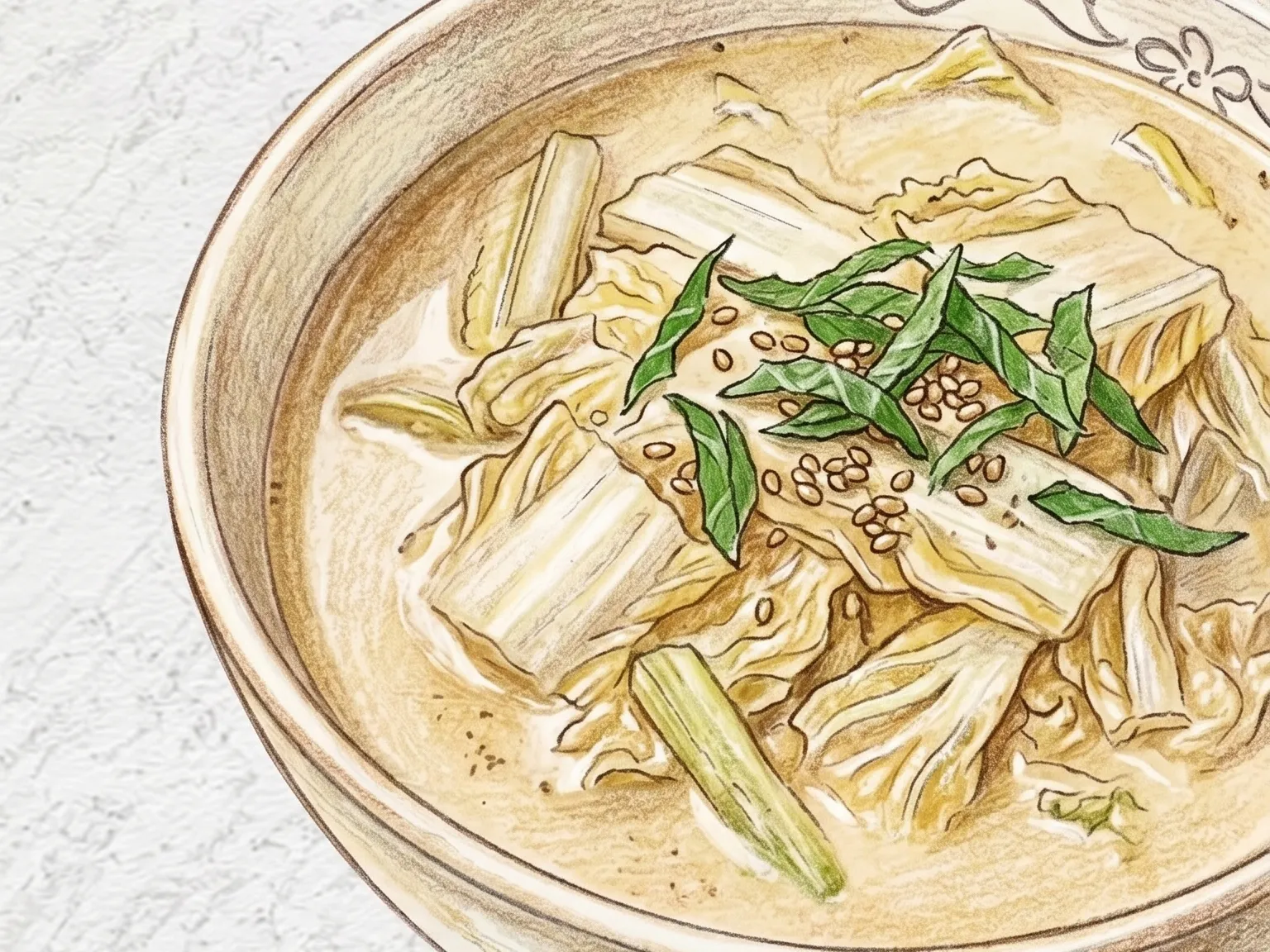
Korean Seasoned Napa Cabbage Namul

Korean Seasoned Napa Cabbage Namul

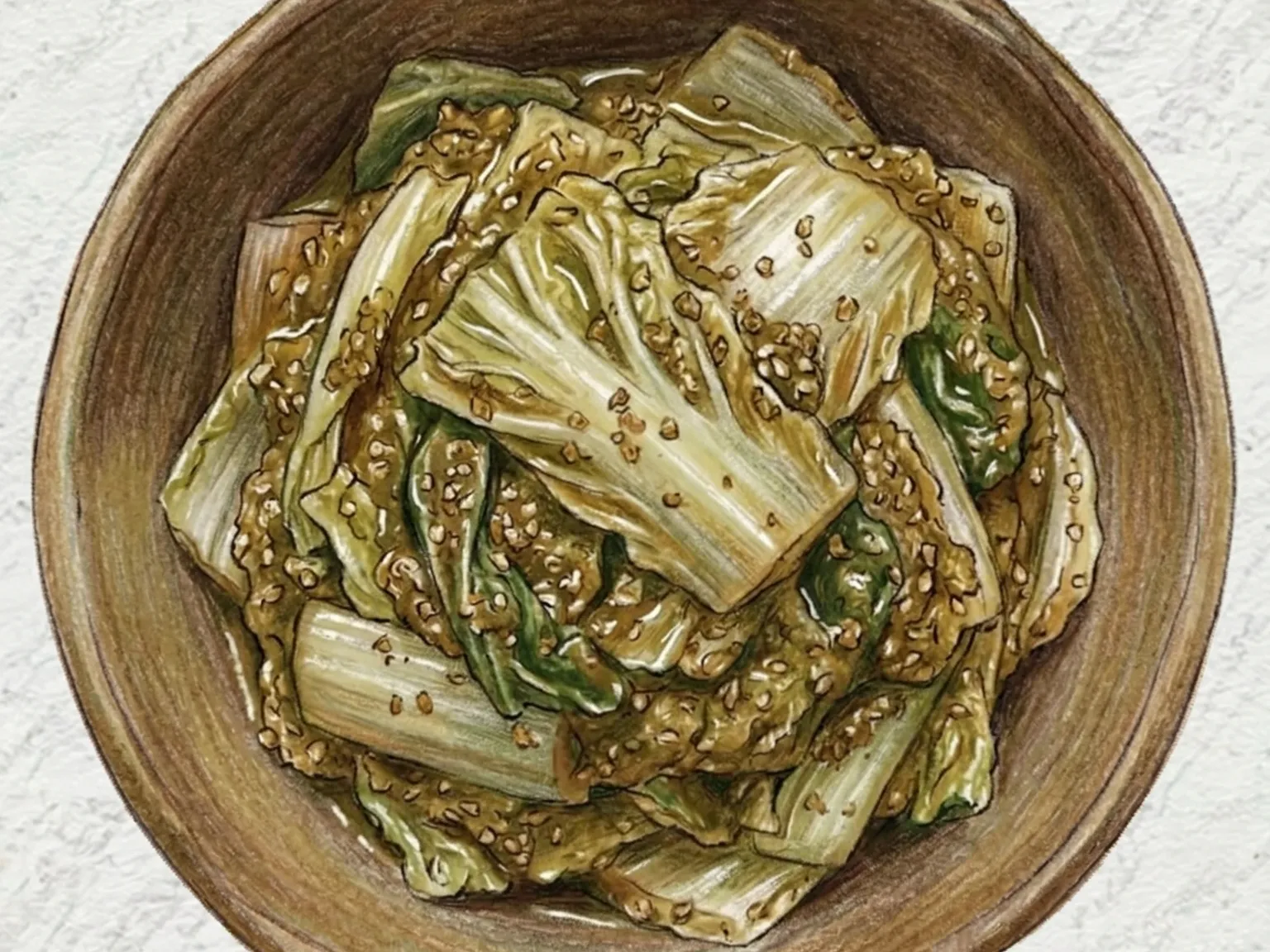
Boiled napa cabbage dressed with doenjang and perilla, passed down through generations of Korean home cooks. The cabbage boils two minutes - leaves collapse while white stems stay slightly firm - then is rinsed, squeezed, and cut. Perilla oil gives a distinctly herbal quality, and perilla powder thickens the dressing into a paste clinging to each piece. This quiet, understated banchan pairs well with clear soups and plain rice.

Prep 10min Cook 5min 4 servings

Adjust Servings

2servings
servings

Instructions

  1. 1

    Cut napa cabbage into large stem-and-leaf pieces.

  2. 2

    Boil for 2 minutes until softened.

  3. 3

    Rinse in cold water and squeeze out moisture.

  4. 4

    Cut into bite-size pieces and place in a bowl.

  5. 5

    Add mixed doenjang, soy sauce, garlic, scallion, and perilla oil.

  6. 6

    Add perilla powder, toss gently, and finish.

🛒Shop Ingredients on Amazon

As an Amazon Associate, we may earn from qualifying purchases.

Tips

Remove enough moisture so flavor doesn't dilute.
Too much perilla powder can make it heavy.

Nutrition (per serving)

Calories
92
kcal
Protein
3
g
Carbs
8
g
Fat
6
g

More Recipes

Korean Seasoned Perilla Sprout Namul
Side dishesEasy

Korean Seasoned Perilla Sprout Namul

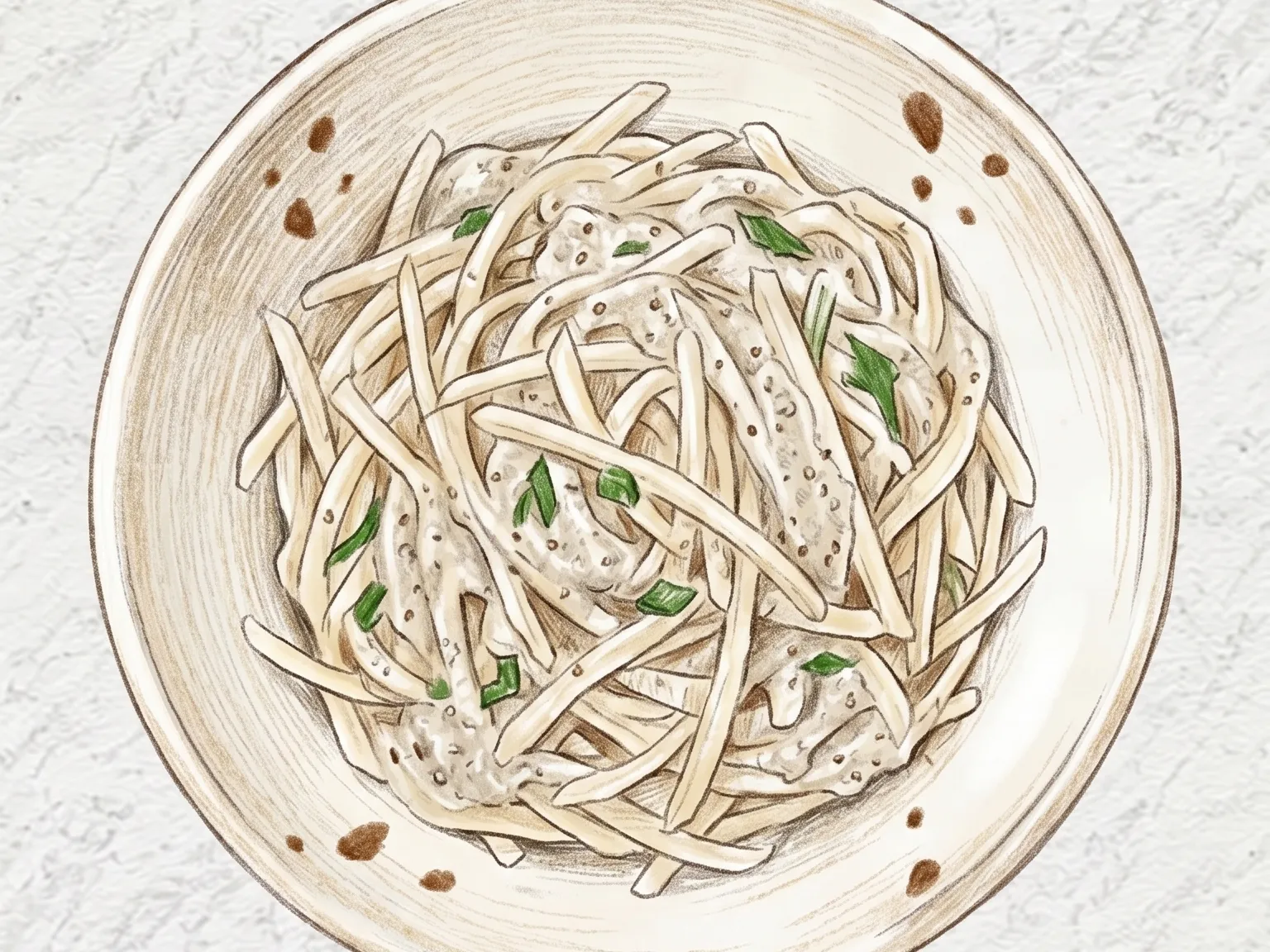
Kkaetsun-namul-muchim uses young perilla shoots rather than the mature leaves, blanched and dressed with doenjang and perilla oil. Kkaetsun has more tender stems and a more concentrated aroma than full-grown kkaennip, and it appears in traditional markets mainly from summer into early autumn. Trimming the thick lower stems and blanching for just forty seconds preserves the fragrance while softening the fibrous stalks. Hand-dressing with doenjang, soup soy sauce, garlic, and deulgirum (perilla oil) creates a double layer of herbal nuttiness - the fermented paste's earthy umami meeting the shoot's intense green perfume. Perilla oil is preferred over sesame oil here because it belongs to the same botanical family as the shoots, creating a more harmonious pairing. This seasonal namul is a strong alternative when you want something beyond the usual sigeumchi (spinach).

🏠 Everyday🍱 Lunchbox
Prep 10minCook 3min2 servings
Korean Seasoned Swiss Chard Namul
Side dishesEasy

Korean Seasoned Swiss Chard Namul

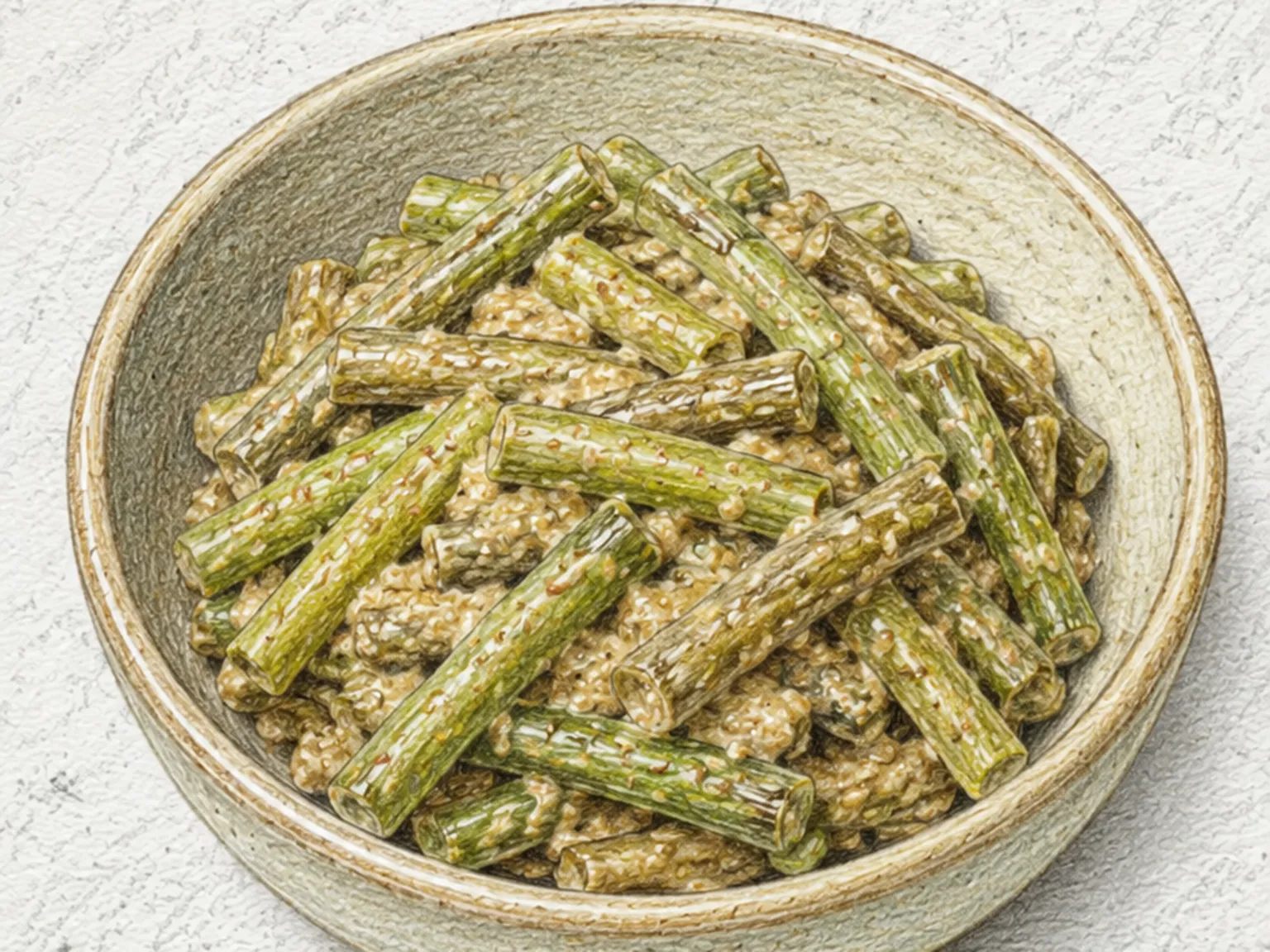
Geundae - Swiss chard in Korean kitchens - has been used in doenjang soup and namul for generations. Because the stems are substantially thicker than the leaves, they are blanched separately: stems go in first for thirty seconds, then leaves join for another thirty. After squeezing dry, the greens are hand-dressed with doenjang, soup soy sauce, garlic, and perilla oil, allowing the fermented paste's earthy depth to merge with chard's faintly bitter, mineral flavor. Perilla powder stirred in last thickens the dressing into a clinging coating without adding liquid. Chard leaves hold up better than spinach after dressing, making this namul a sturdy banchan that does not wilt quickly.

🏠 Everyday🍱 Lunchbox
Prep 10minCook 4min4 servings
Korean Napa Cabbage Kimchi
KimchiMedium

Korean Napa Cabbage Kimchi

Baechu kimchi is Korea's defining fermented food, made by salting napa cabbage and layering it with a paste of gochugaru, anchovy fish sauce, garlic, ginger, and glutinous rice paste. The cabbage is salted with coarse sea salt for six to eight hours until the stems become flexible but retain their crunch; under-salting leads to mushy kimchi, while over-salting masks the seasoning flavors. The glutinous rice paste serves a dual purpose: it acts as a glue that helps the seasoning adhere to each leaf, and it provides sugars that feed lactobacillus during fermentation. Julienned radish mixed into the filling adds textural contrast, and scallions contribute another layer of savory depth. After one day at room temperature to kick-start fermentation, the kimchi moves to the refrigerator where acidity develops slowly. At two to three weeks, the heat from gochugaru, the umami from fish sauce, and the tang from lactic acid reach their optimal balance.

🍱 Lunchbox
Prep 50min4 servings
Korean Seasoned Radish Greens Namul
Side dishesMedium

Korean Seasoned Radish Greens Namul

Dried radish greens are soaked, boiled until pliable, and dressed in a seasoning anchored by doenjang and ground perilla seeds. The drying process concentrates the fiber in the greens, giving them a satisfying chew that persists even after boiling: the outer layer turns silky while the inner stem retains a springy resistance. Doenjang supplies the salty, fermented backbone, and ground perilla seeds melt into a creamy coating that softens the roughness of the greens on the palate. A generous pour of perilla oil ties the dressing together, adding a glossy sheen and a rich, nutty fragrance. Minced garlic and chopped green onion introduce a sharp aromatic layer that cuts through the heaviness. Each bite releases more of the siraegi's own deep, vegetal flavor, a taste that builds rather than fades. Paired with steamed rice, the doenjang's salinity and the perilla's richness draw out the natural sweetness of the grain.

🏠 Everyday🍱 Lunchbox
Prep 20minCook 20min4 servings
Korean Seasoned Carrot Namul
Side dishesEasy

Korean Seasoned Carrot Namul

Carrot namul is one of the five-color banchan Koreans prepare for ancestral rites, where orange represents fire. Julienned thin, the carrots are salted briefly to shed water, then stir-fried with garlic for two to three minutes - just enough to soften the raw edge while keeping an audible crunch. No soy sauce or chili enters the pan; seasoning stays minimal to preserve natural sweetness. A final toss with sesame oil and seeds rounds out this clean, single-ingredient side.

🏠 Everyday🍱 Lunchbox
Prep 8minCook 6min2 servings
Korean Napa Cabbage Pancake
GrilledEasy

Korean Napa Cabbage Pancake

Baechu jeon is a Korean pancake made by coating napa cabbage leaves in a thin flour batter and pan-frying until golden. Outer leaves of medium size work best; if the stem end is too thick, it is flattened with the back of a knife so the batter adheres evenly and the leaf does not buckle during cooking. The batter is mixed thin, roughly equal parts buchim flour and water, so it forms a light coating rather than a heavy shell that would mask the cabbage flavor. Generous oil in the pan and steady medium heat produce a crisp exterior while the cabbage inside softens and releases its gentle sweetness. Each side must brown fully before flipping to prevent the pancake from breaking apart. A dipping sauce of soy sauce with vinegar and sliced cheongyang chili adds acidity and heat that offset the mild character of the pancake.

🍺 Bar Snacks🏠 Everyday
Prep 12minCook 10min2 servings
More Side dishes →