Charim

2686 Korean & World Recipes

2686+ Korean recipes, clean and organized. Ingredients to instructions, all at a glance.

Korean Napa Cabbage Shrimp Stir-fry

Korean Napa Cabbage Shrimp Stir-fry

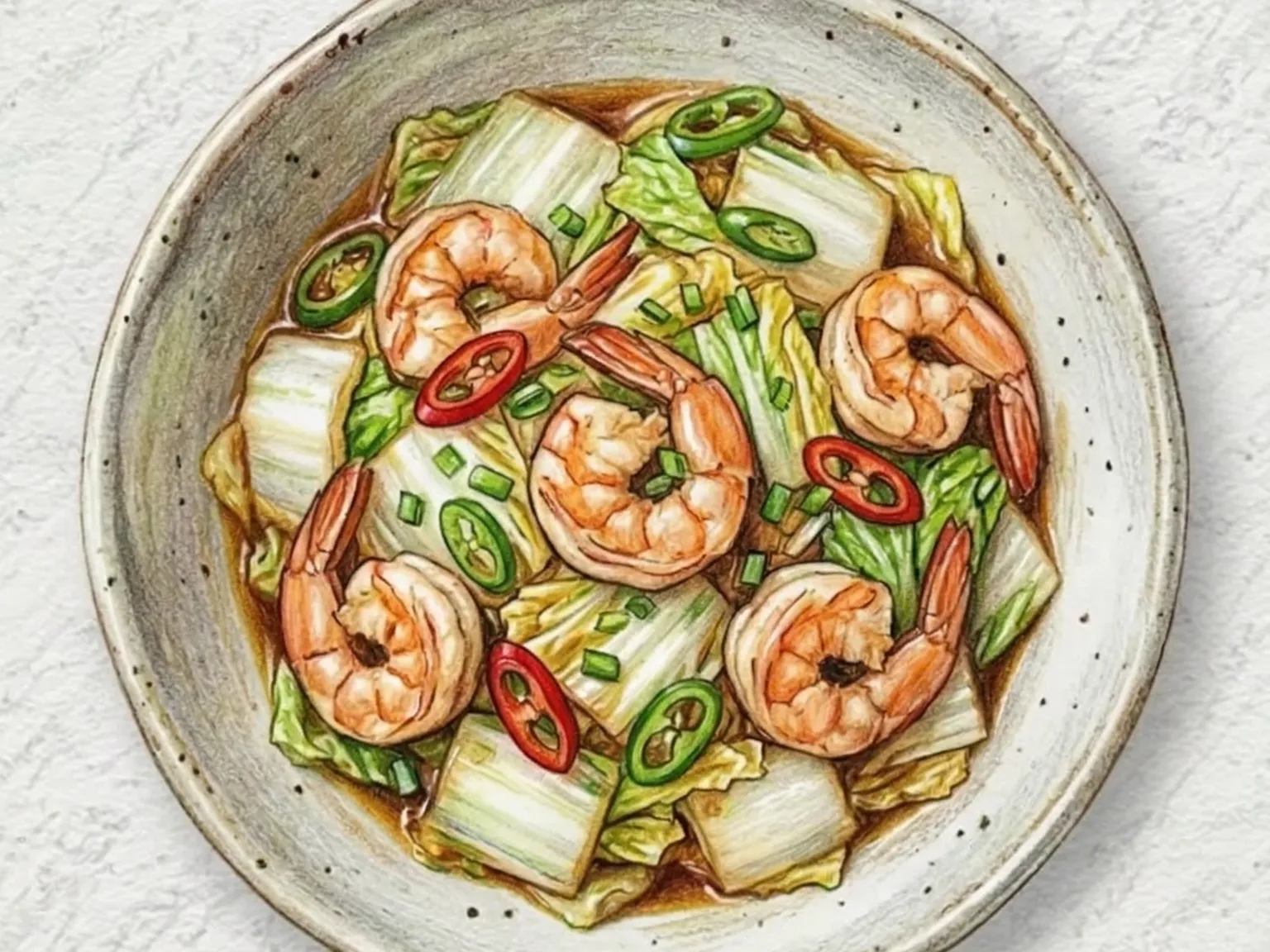
Baechu saeu bokkeum is a Korean stir-fry of napa cabbage and medium shrimp seasoned with soy sauce and fish sauce. The shrimp are deveined and scored along the back so they curl attractively and absorb seasoning more readily. They go into a hot oiled pan first for thirty seconds to sear the surface, then are removed while the cabbage stems are stir-fried until slightly wilted. Soy sauce, fish sauce, and minced garlic are added along with the cabbage leaves, and the shrimp return to the pan for a final thirty-second toss so everything seasons evenly. Sliced cheongyang chili and scallion go in last for a hit of heat and freshness. The entire stir-fry stays under three to four minutes of active cooking, which preserves the crunch of the cabbage stems and the firm bite of the shrimp. The combination of soy sauce and fish sauce provides a layered saltiness that brings out the natural sweetness of both the cabbage and the shrimp.

Prep 14min Cook 8min 2 servings

Adjust Servings

2servings
servings

Instructions

  1. 1

    Separate napa cabbage stems and leaves, cut into large pieces, and pat shrimp dry.

  2. 2

    Slice Cheongyang chili and green onion thinly.

  3. 3

    Heat oil and stir-fry garlic and green onion for 30 seconds.

  4. 4

    Add shrimp and cook for 1.5 minutes until pink, then remove temporarily.

  5. 5

    In the same pan, cook cabbage stems for 2 minutes, then add the leaves.

  6. 6

    Add soy sauce, fish sauce, chili, and return shrimp; stir-fry 1 more minute.

🛒Shop Ingredients on Amazon

As an Amazon Associate, we may earn from qualifying purchases.

Tips

Removing shrimp early prevents overcooking and keeps them tender.
If cabbage releases too much moisture, reduce over high heat for 30 seconds.

Nutrition (per serving)

Calories
218
kcal
Protein
23
g
Carbs
12
g
Fat
8
g

More Recipes

Korean Oyster Water Parsley Stir-fry
Stir-fryEasy

Korean Oyster Water Parsley Stir-fry

Gul-minari-bokkeum stir-fries plump raw oysters with fragrant water parsley (minari), gochugaru, and light soy sauce over high heat. The oysters cook just enough to firm up while keeping their juicy brine, and the minari retains its crunch and herbal freshness. The briny sweetness of the oysters meets the clean, grassy note of minari, creating a balanced and refreshing dish. It is best prepared in winter when oysters are at their plumpest and most flavorful.

🍺 Bar Snacks🏠 Everyday
Prep 15minCook 8min2 servings
Korean Stir-fried Chives and Shrimp
Stir-fryEasy

Korean Stir-fried Chives and Shrimp

Deveined shrimp are dried thoroughly and seared over high heat until their shells turn pink, then tossed briefly with garlic chives for a stir-fry that takes under ten minutes from cutting board to plate. Removing every trace of surface moisture before the shrimp hit the pan is the single most important step; residual water generates steam and turns the sear into a braise, leaving the shrimp pale and soft instead of lightly caramelized. Sliced garlic goes into the oil first to build an aromatic base that clings to every ingredient. One tablespoon of soy sauce paired with a teaspoon of oyster sauce amplifies the natural seafood umami without tipping the dish into excessive saltiness, and black pepper sharpens the finish. The chives must go in last and cook for no more than sixty seconds; any longer and they lose their vivid color and turn stringy. At 220 calories with 26 grams of protein per serving, this dish fills the role of a satisfying yet light side that pairs well with steamed rice or slides neatly into a packed lunch.

🏠 Everyday🍱 Lunchbox
Prep 12minCook 8min2 servings
Korean Tomato Dalgyal Bokkeum (Tomato Egg Stir-fry)
Stir-fryEasy

Korean Tomato Dalgyal Bokkeum (Tomato Egg Stir-fry)

Tomato-dalgyal-bokkeum uses a two-stage cooking method: eggs are scrambled to about 70% doneness and set aside, then returned to the pan with seared tomatoes for a final quick toss. The tomatoes release a small amount of juice when cooked briefly with oyster sauce and sugar, and the partially set eggs absorb this liquid to stay soft and moist. Bright tomato acidity, mild egg richness, and oyster sauce umami layer together without any single flavor dominating. Sharing roots with Chinese tomato egg stir-fry (xihongshi chaodan), it crosses easily into Korean home cooking.

🏠 Everyday🍱 Lunchbox
Prep 10minCook 7min2 servings
Korean Garlic Scape Bacon Stir-fry
Stir-fryEasy

Korean Garlic Scape Bacon Stir-fry

Maneuljjong bacon bokkeum is a side dish built on rendered bacon fat, in which garlic scapes and onion are stir-fried and finished with soy sauce and oligosaccharide syrup for a glossy coat. The bacon's smoky saltiness provides a deep flavor base that requires no additional complex seasoning, and the garlic scapes counter it with a sharp, crisp bite. The syrup creates a thin lacquer on the surface that balances the salt with gentle sweetness. Sesame seeds top the finished dish, and reducing the soy sauce compensates if the bacon runs particularly salty.

🏠 Everyday🍱 Lunchbox
Prep 8minCook 9min2 servings
Korean Napa Cabbage Perilla Stir-fry
Side dishesEasy

Korean Napa Cabbage Perilla Stir-fry

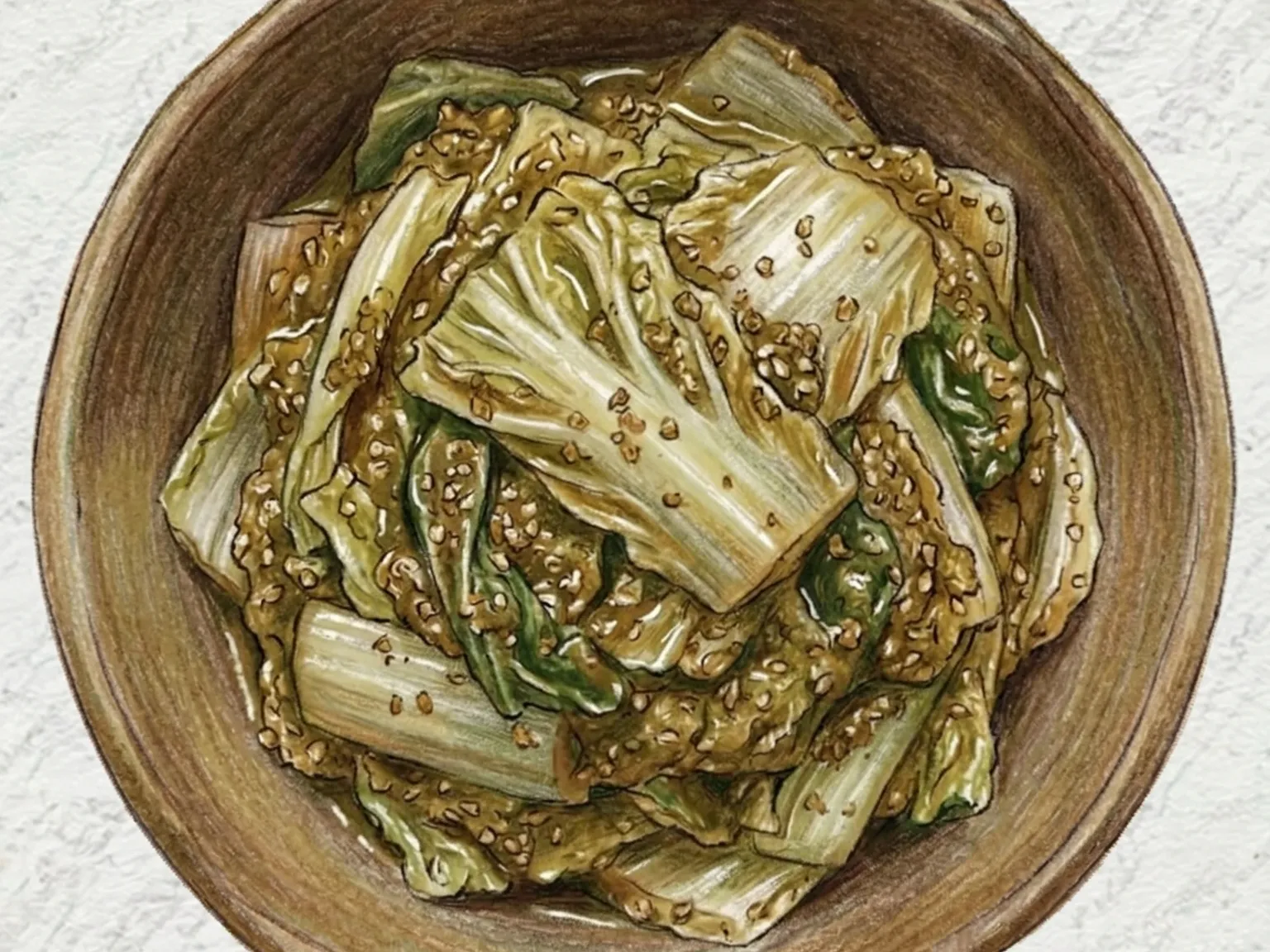
A Korean home-cooking staple found on family dinner tables far more often than in restaurants. Napa cabbage is tossed in perilla oil over high heat until wilted, then braised briefly with soup soy sauce until the leaves turn silky while stems keep a slight bite. Ground perilla seeds dissolve into the liquid at the end, forming a creamy, pale-tan coating with an earthy, seed-forward taste. Saucy enough to soak into steamed rice, it also travels well cold in lunchboxes.

🏠 Everyday🍱 Lunchbox
Prep 10minCook 10min4 servings
Korean Stir-fried Dried Shrimp
Side dishesEasy

Korean Stir-fried Dried Shrimp

Geon-saeu-bokkeum transforms a handful of dried shrimp - a Korean pantry staple - into a quick, crunchy banchan. The shrimp are dry-toasted in a pan first to drive off residual moisture, intensifying their briny aroma and setting up the crisp texture. Soy sauce, rice syrup or oligosaccharide, and garlic are added and reduced over low heat until the shrimp are coated in a thin, glossy sweet-salty glaze. The timing is critical: the moment the syrup bubbles once, the heat must drop, or the coating hardens into a tooth-breaking shell. A finish of sesame oil and sesame seeds rounds out this compact side dish that works equally well in lunchboxes and as a drinking snack.

🏠 Everyday🍱 Lunchbox
Prep 5minCook 8min4 servings
More Stir-fry →