Charim

2686 Korean & World Recipes

2686+ Korean recipes, clean and organized. Ingredients to instructions, all at a glance.

Korean White Kimchi Tofu Stew
Stews Easy

Korean White Kimchi Tofu Stew

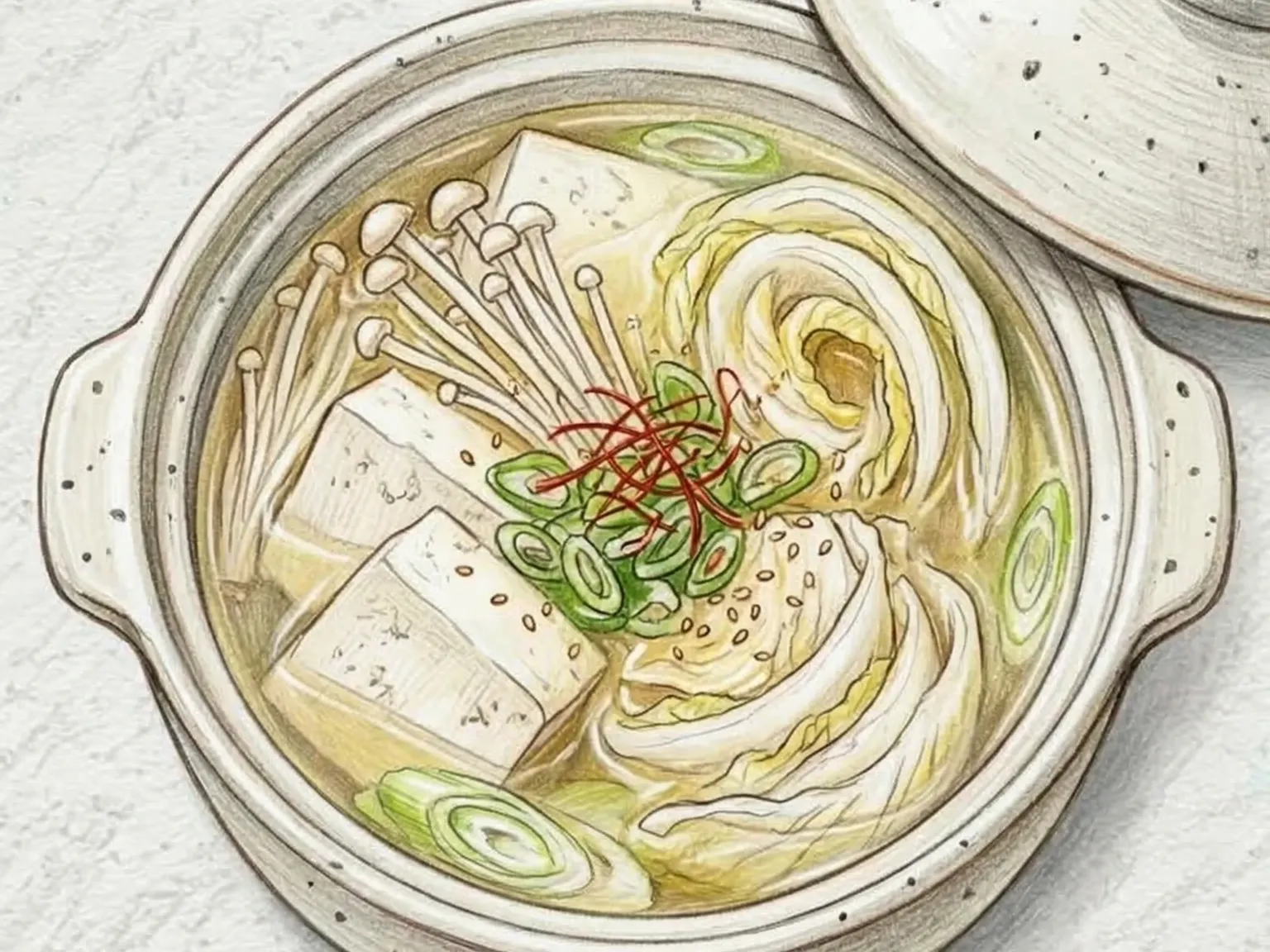
Baek kimchi dubu jjigae is a mild Korean stew where the gentle tang of white kimchi replaces the bold heat of regular kimchi. Anchovy-kelp stock provides the umami foundation, and chopped white kimchi is added so its fermented acidity dissolves into the broth, creating a refreshingly different direction from typical doenjang or kimchi stews. Thick tofu slabs go in after the broth reaches a boil to prevent them from crumbling, and enoki mushrooms are added in the final two minutes to keep their delicate texture. Guk-ganjang adjusts the salt level cautiously since the white kimchi already carries its own brine salinity. A sliced cheongyang chili introduces a controlled spicy note into the otherwise gentle broth. Unlike the intense red broth of standard kimchi jjigae, this version stays clear, lightly tart, and nearly fat-free, making it noticeably light on the stomach.

Prep 8min Cook 15min 2 servings

Adjust Servings

2servings
servings

Instructions

  1. 1

    Cut white kimchi into large pieces, slice tofu thick, and thinly slice onion.

  2. 2

    Add stock and onion to a pot and boil for 3 minutes first.

  3. 3

    Add white kimchi and minced garlic, then simmer over medium heat for 5 minutes.

  4. 4

    Add tofu and enoki mushrooms and cook 4 more minutes.

  5. 5

    Season with soup soy sauce, add sliced green chili, and boil 1 more minute before serving.

🛒Shop Ingredients on Amazon

As an Amazon Associate, we may earn from qualifying purchases.

Tips

Adding 2-3 tbsp white kimchi brine boosts umami.
Maintain medium heat instead of high to keep the broth clean-tasting.

Nutrition (per serving)

Calories
226
kcal
Protein
16
g
Carbs
12
g
Fat
12
g

More Recipes

Korean Clear Broth Tofu Stew
StewsEasy

Korean Clear Broth Tofu Stew

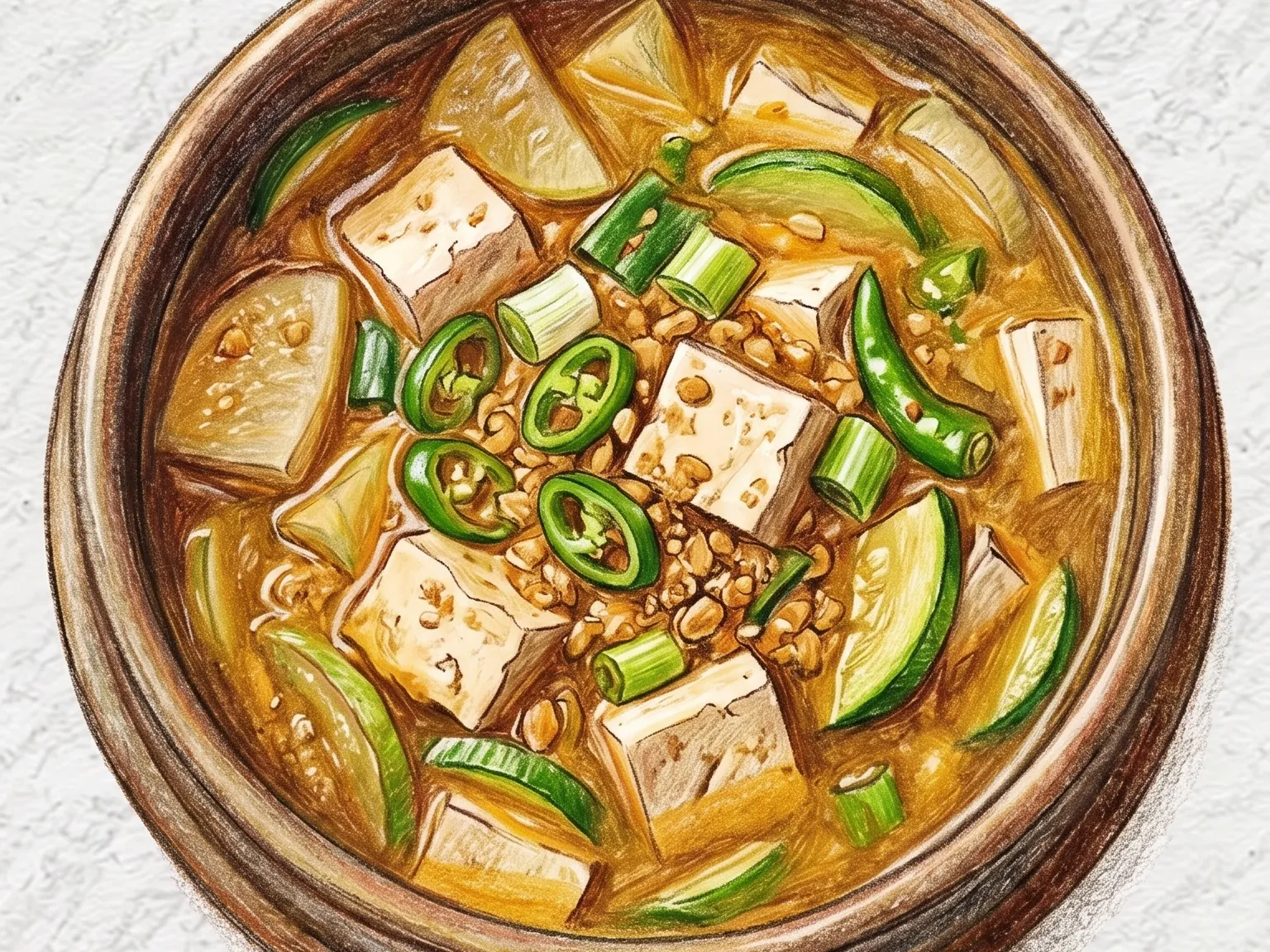
Tofu simmers in a deep beef stock alongside shiitake mushrooms and zucchini in this clean-flavored stew. The quality of the beef stock drives the entire dish, with shiitake mushrooms reinforcing the umami depth. Soft tofu cubes absorb the rich broth, while zucchini contributes a mild sweetness. Seasoned only with soup soy sauce and salt, this stew showcases a restrained, elegant approach to Korean jjigae without any chili heat.

🏠 Everyday
Prep 10minCook 15min2 servings
Korean Kimchi Bean Sprout Stew
StewsEasy

Korean Kimchi Bean Sprout Stew

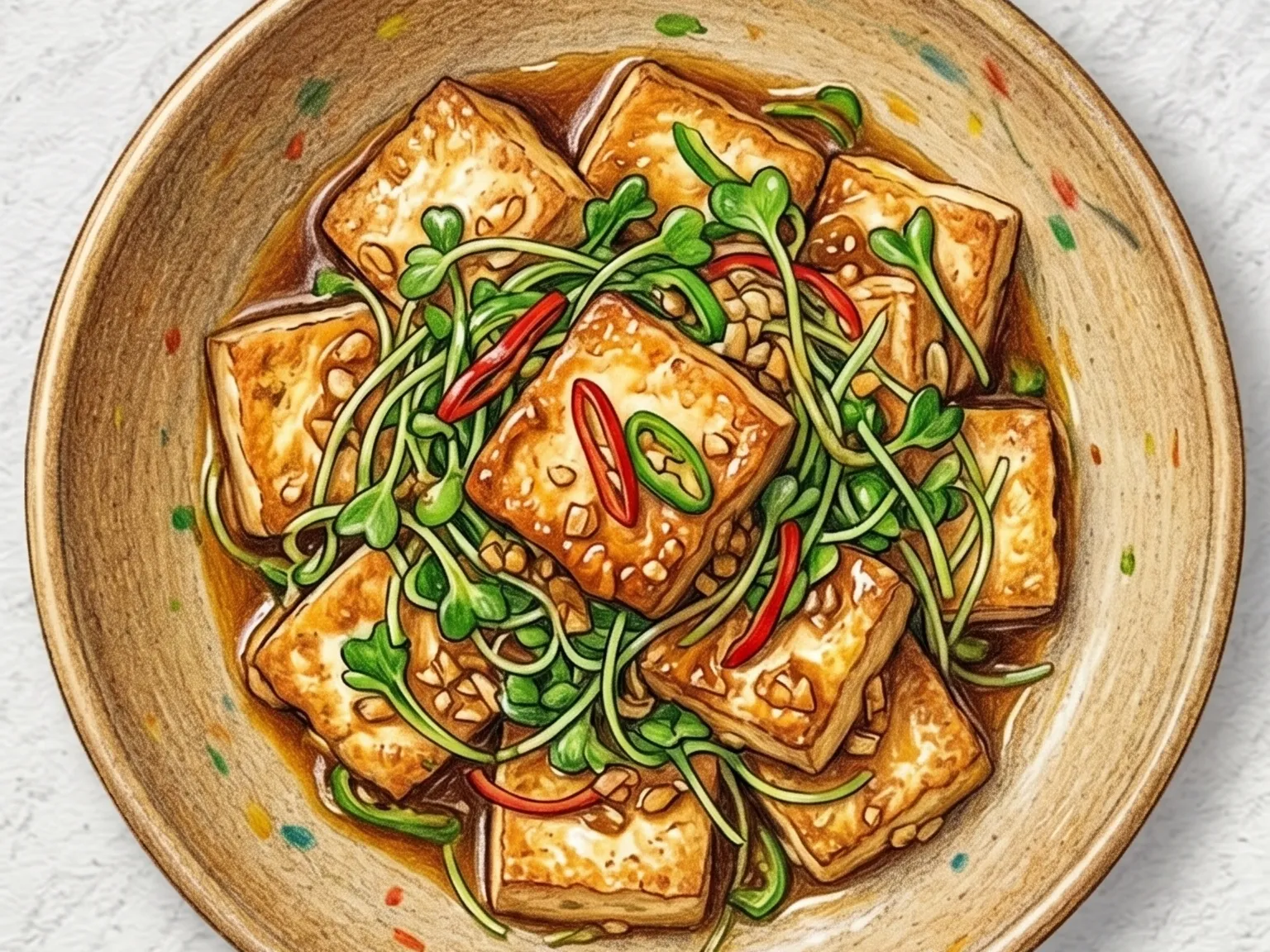
This stew brings together fermented kimchi and soybean sprouts in an anchovy stock base for a broth that is both refreshing and spicy. The sprouts retain a slight crunch and release a clean flavor that tempers the kimchi's sharp tang. Soft tofu melts into the stew, providing creaminess, while onion and green onion add background sweetness. Seasoned with soup soy sauce and gochugaru, it is a lighter-style jjigae often enjoyed as a morning-after remedy.

🏠 Everyday
Prep 10minCook 20min2 servings
Korean Turnip Perilla Seed Stew
StewsEasy

Korean Turnip Perilla Seed Stew

This gentle stew simmers turnip with ground perilla seed in a kelp stock base. As the turnip cooks, it turns soft and releases a mild sweetness that the perilla powder wraps in a creamy, nutty layer. Oyster mushrooms add a chewy bite, and soft tofu brings protein to the bowl. Seasoned with soup soy sauce and a drizzle of sesame oil, it is a soothing stew with a clean, understated depth of flavor.

🥗 Light & Healthy🏠 Everyday
Prep 12minCook 18min2 servings
Korean Tofu Hot Pot (Tofu & Beef Kelp Broth Pot)
StewsMedium

Korean Tofu Hot Pot (Tofu & Beef Kelp Broth Pot)

Dubu jeongol is a Korean hot pot centered on tofu and beef simmered in kelp broth. Shiitake mushrooms contribute a deep umami backbone, while napa cabbage and green onion add freshness and texture. The broth is seasoned with soup soy sauce, keeping it light enough to let each ingredient shine. Traditionally served bubbling at the table, this is a communal dish meant to be enjoyed slowly, with each diner ladling broth and ingredients into their own bowl.

🎉 Special Occasion
Prep 25minCook 20min4 servings
Korean White Kimchi Clam Soup
SoupsMedium

Korean White Kimchi Clam Soup

Baekkimchi bajirak guk is a clear Korean soup that unites the gentle fermented acidity of white kimchi with the briny depth of manila clams. Purged clams are simmered in water until they open, then removed while the broth is strained to catch any grit. Chopped white kimchi is added to the clean clam stock, where its lactic tang dissolves into the liquid and produces a flavor profile that is both refreshing and layered. Including the white kimchi brine deepens the acidity, though its salt content means additional seasoning should follow a taste check. Thick-cut tofu slabs absorb the surrounding broth while contributing substance, and a single diagonally sliced cheongyang chili introduces a controlled heat into the otherwise mild soup. Scallion goes in at the end and should not overcook to preserve its fresh aroma. Unlike red kimchi soups, this version has no gochugaru, keeping the broth clear and letting the white kimchi's clean sourness sharpen the clam umami rather than competing with it.

🏠 Everyday
Prep 20minCook 18min2 servings
Korean White Kimchi (Non-Spicy Napa Pear Fermented)
KimchiMedium

Korean White Kimchi (Non-Spicy Napa Pear Fermented)

Baek kimchi is a Korean white kimchi made without gochugaru, producing a completely non-spicy, clear-broth fermented vegetable. Napa cabbage is salted and wilted, rinsed, then layered with julienned radish, sliced garlic, and ginger tucked between the leaves. Pureed pear serves as a natural sugar source that feeds the fermentation, while dried jujubes add a subtle background sweetness to the brine. Salted water is poured over the assembled cabbage, the container is sealed, and after one day at room temperature the kimchi moves to the refrigerator for a slow ferment. Without chili heat, the flavor profile centers on the clean lactic acidity that develops over time, balanced by the fruit sweetness and the warm bite of garlic and ginger. The fermentation is slower than standard kimchi, reaching its optimal taste at two to three weeks. It is eaten with its brine, either on its own or as a palate cleanser alongside rich meat dishes.

🏠 Everyday🍱 Lunchbox
Prep 50minCook 20min4 servings
More Stews →