Baesuk (Korean Poached Pear Punch)
Quick answer
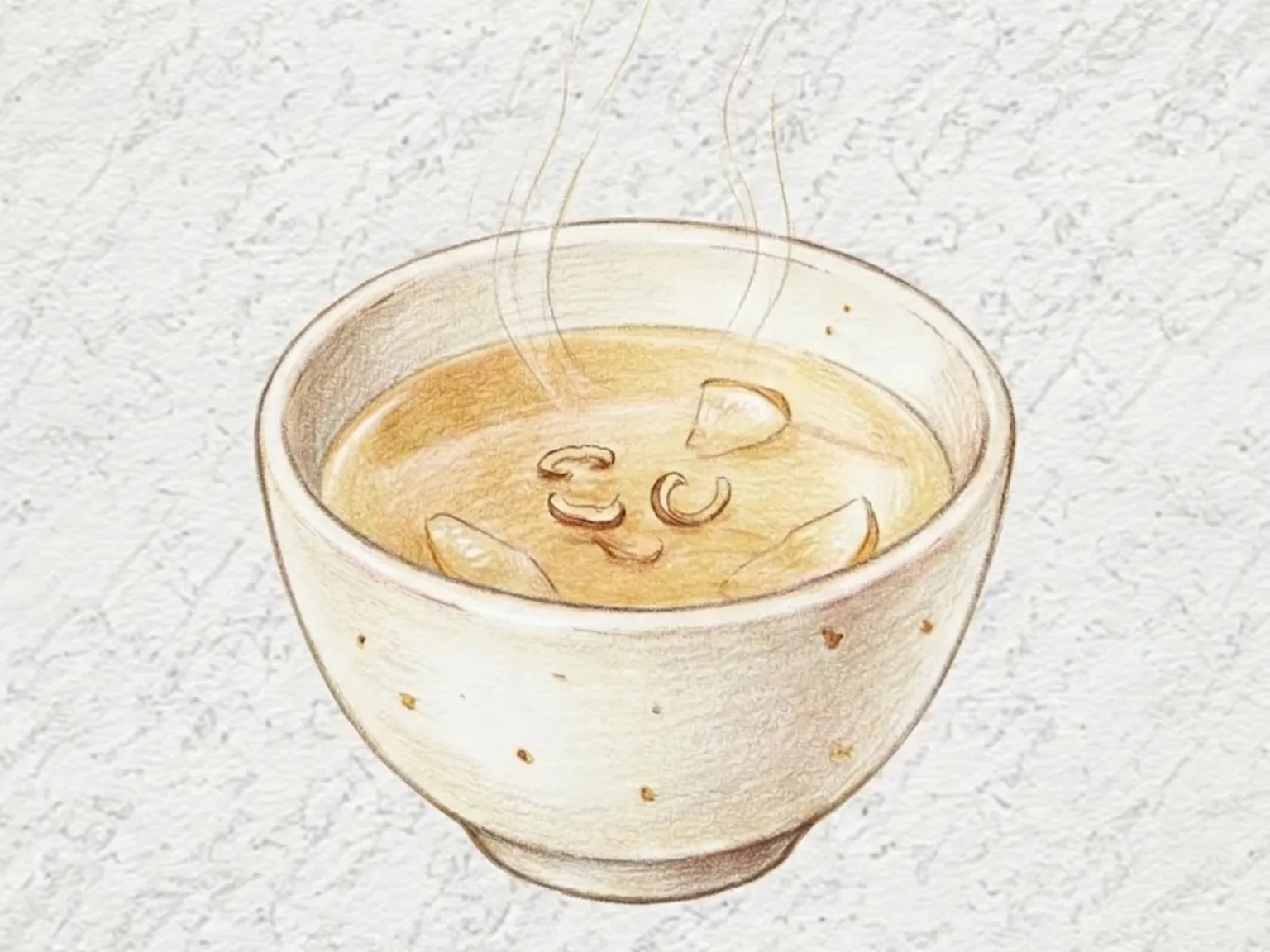
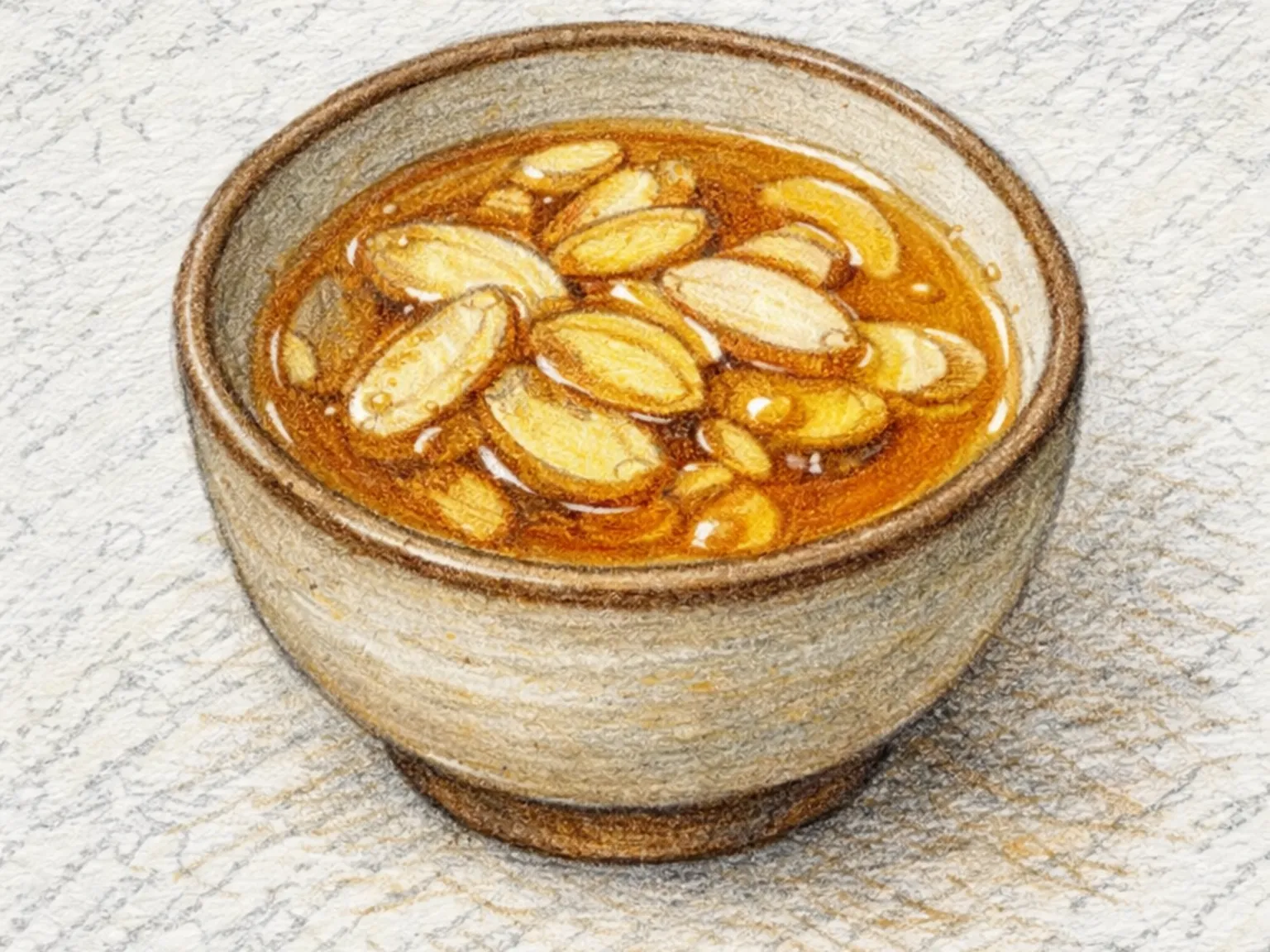
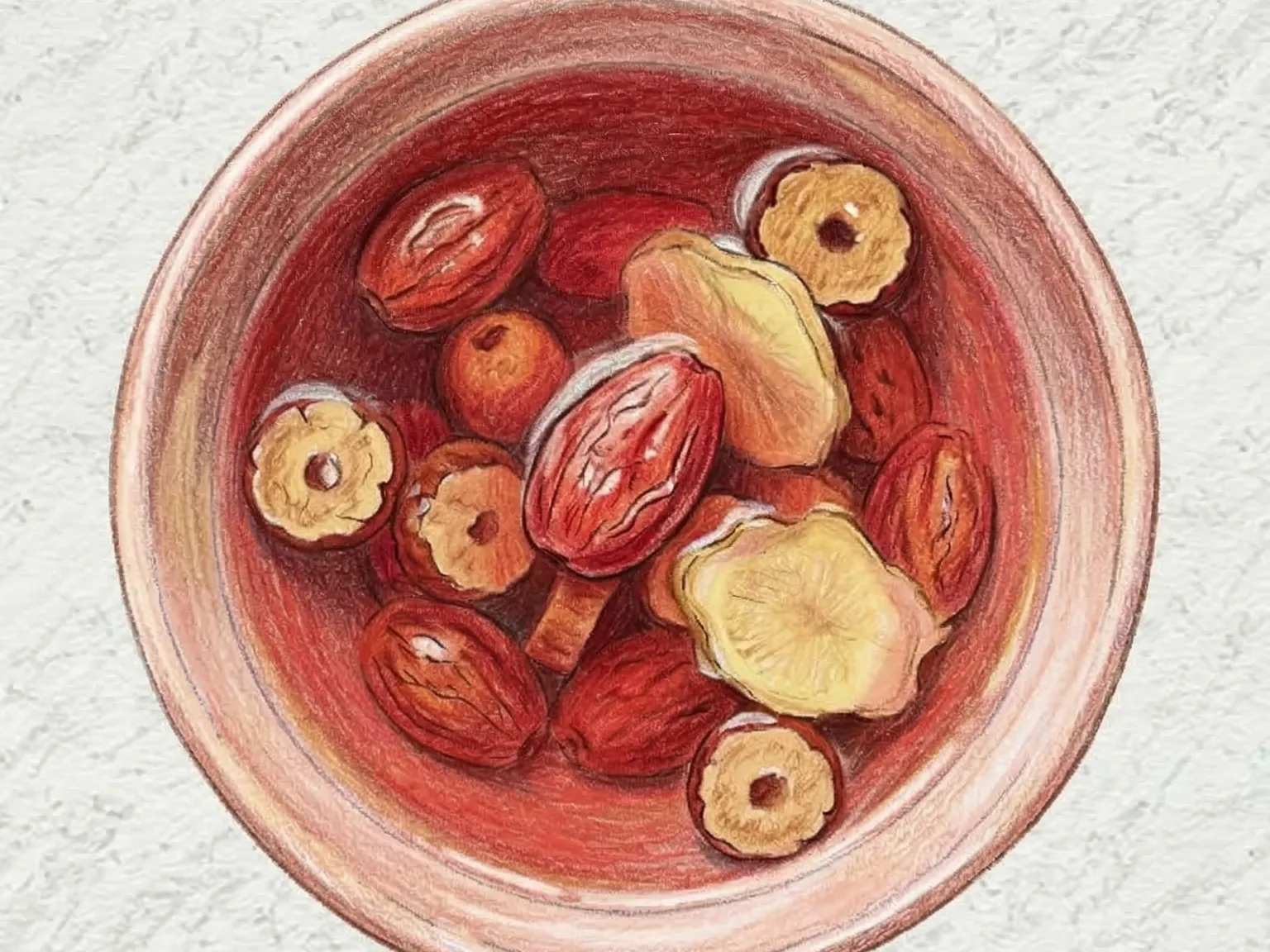
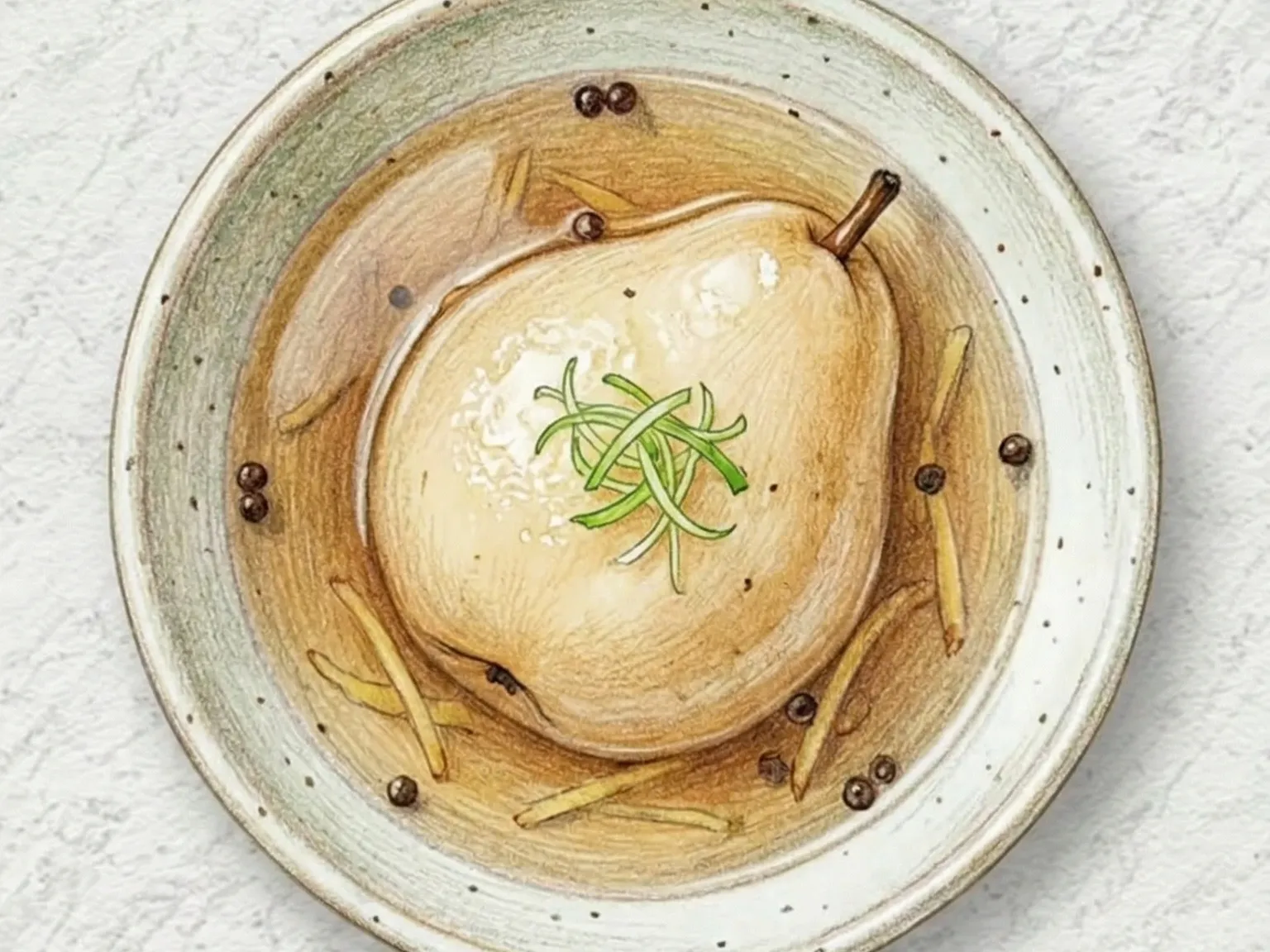
Baesuk is a traditional Korean punch made by slowly simmering whole or large-cut Korean pear with ginger, whole black peppercorns, and dried jujubes.
What makes this special
- Black peppercorns and ginger add a spicy aroma to this traditional Baesuk poached pear punch.
- Ten whole peppercorns add spice aroma without heat
- Honey stirred in off-heat to preserve floral fragrance
Key ingredients
Core cooking flow
- 1 Peel 2 Korean pears, remove the cores, and cut the flesh into large 2 to 3 c...
- 2 Put 1200 ml water, the sliced ginger, and 10 whole black peppercorns in a pot over medium heat.
- 3 Strain out the ginger and peppercorns, then return only the aromatic liquid to the pot.
Baesuk is a traditional Korean punch made by slowly simmering whole or large-cut Korean pear with ginger, whole black peppercorns, and dried jujubes. As the pear cooks over low heat, its juice gradually dissolves into the liquid, building a natural sweetness that forms the drink's backbone. Ginger contributes a warm, peppery sharpness that interlocks with the pear's sweetness, producing a flavor that is comforting yet clean. Whole peppercorns are added sparingly and function as an aromatic element rather than a source of actual heat. Jujubes add a faint reddish tint and a mild fruity undertone to the liquid. Honey is stirred in after the heat is turned off and the temperature has dropped slightly to preserve its fragrance; because the pear already provides significant sweetness, the honey amount should start small and be adjusted by taste. Overnight refrigeration allows the ginger and pear flavors to penetrate more fully, rounding out the drink. Pine nuts floated on the surface before serving add a subtle oily richness to the finish of each sip. Historical records indicate that baesuk appeared on royal banquet tables during the Joseon dynasty and at aristocratic tea spreads, and Korean traditional medicine has long recommended it as a remedy for cold prevention and digestive support. Even today it remains a seasonal drink associated with holidays and ancestral rite preparations.
Instructions
Read the steps as a cooking flow: prep, heat, seasoning, doneness control, and finish.
- 1Prep
Peel 2 Korean pears, remove the cores, and cut the flesh into large 2 to 3 cm pieces so they hold their shape.
Slice 25 g fresh ginger thinly to help its aroma infuse evenly.
- 2Control
Put 1200 ml water, the sliced ginger, and 10 whole black peppercorns in a pot over medium heat.
Once it starts bubbling, lower to medium low and simmer 15 minutes until the liquid smells clearly of ginger.
- 3Heat
Strain out the ginger and peppercorns, then return only the aromatic liquid to the pot.
Add the pear pieces and 6 jujubes, keep the heat low, and let the surface bubble gently instead of boiling hard.
- 4Control
Simmer about 15 minutes, until the pear turns slightly translucent and a chopstick slides in with gentle resistance.
Stir only once or twice, because frequent stirring can break the softened pear pieces.
- 5Step
Turn off the heat and let the steam settle until the liquid drops below 70C.
Stir in 3 tablespoons honey off heat, then taste the broth and adjust only if the pear sweetness still feels light.
- 6Finish
For warm service, ladle the punch while it is pleasantly hot and float 1 tablespoon pine nuts on top.
For cold service, cool it completely, refrigerate overnight, and serve chilled after the ginger and pear flavors settle.
After the steps
Pick a recipe that fits this dish.
Continue with shared ingredients, meal pairings, or a similar method.
Recipes That Go Well With This
More Desserts →Based on shared ingredients and meal pairing
Korean Licorice Pear Tea (Sweet Root and Fruit Brew)
Gamcho-bae-cha is a Korean herbal tea that simmers licorice root and Korean pear together so the root's natural sweetness and the fruit's light juice meld into a single, unified infusion. The licorice is rinsed in cold water for five minutes to temper any harsh edge, and keeping it to about three grams per serving prevents the sweetness from becoming cloying. Jujube and ginger join the pot for fifteen minutes to deepen the base, then the pear goes in for a final eight to ten minutes until its flesh softens and its juice infuses the broth. The tea is strained clear and served with honey and a few pine nuts whose mild, fatty richness floats on top of the sweetness. In traditional Korean medicine, licorice root is used to soothe coughs and throat irritation, and the pairing with pear traces back to remedies historically recommended for dry or sore throats during seasonal transitions. Chilled and refrigerated, it works equally well as a cooling summer drink, while served hot it is associated with supporting throat health in changing weather.
Korean Cinnamon Tea (Spiced Jujube Ginger Honey Brew)
Gyepi-cha is a traditional Korean cinnamon tea made by simmering whole cinnamon sticks and fresh ginger in water over low heat for at least twenty-five minutes. The long, gentle simmer is what separates gyepi-cha from an infusion: the bold, sweet-spicy aroma of the cinnamon builds gradually, saturating the liquid rather than merely scenting it. Ginger contributes a sharp, deeply warming bite that stays present long after each sip, creating a slow, spreading heat in the chest. Six jujubes are cooked alongside the spices; their flesh softens and eventually breaks down, lending the broth a faint fruitiness and a slight natural body. Dark brown sugar and honey are both used to construct a sweetness that is layered rather than flat, with the molasses depth of the sugar underpinning the floral brightness of the honey. Before serving, a few pine nuts are floated on the surface, where their oily richness drifts down to complement the spice. This is a drink associated with cold weather and recovering health, often prepared during winter or whenever warmth is needed from the inside out.
Korean Dalgona Coffee (Whipped Instant Coffee Foam Milk)
Dalgona coffee is made by whipping equal parts instant coffee, sugar, and hot water with a hand mixer for three to five minutes until stiff, caramel-colored peaks form, then spooning the foam over iced milk. The whipped layer carries a concentrated, bittersweet coffee flavor that gradually blends into the cold, neutral milk below as you stir. A light dusting of cocoa powder on top introduces a faint chocolate note, and increasing the sugar slightly helps the whipped cream hold its stiff structure longer.
Sweet Rice Punch (Traditional Korean Malted Barley Grain Drink)
Sikhye is a traditional Korean sweet rice punch made by steeping malted barley powder in lukewarm water, straining the liquid, adding cooked rice, and holding the mixture at around 60 degrees Celsius for one hour until the rice grains float to the surface. The amylase enzymes in the malt break down the rice starch, producing a distinctly malty, clear sweetness with grain depth that no sugar alone can replicate. Only the clear top liquid is used after settling -- discarding the sediment keeps the punch from turning cloudy. Simmering with sugar and sliced ginger for 20 minutes rounds the sweetness and adds a gentle, spiced warmth to the finish. Served well chilled with the reserved floating rice grains and pine nuts on top, the cold temperature sharpens the malty aroma and makes each sip crisp. Temperature control during the steeping stage is critical: if the mixture exceeds 70 degrees Celsius, the amylase denatures and the grains will not float, so keeping a steady 60-degree hold determines whether the preparation succeeds.
Serve with this
Goguma Streusel Loaf Bread (Sweet Potato Streusel Loaf)
Sweet potato puree is whisked into a batter enriched with brown sugar, eggs, and neutral oil, then baked in a loaf pan with a generous layer of butter streusel on top. The puree keeps the crumb remarkably moist and dense, while the streusel bakes into crunchy, crumbly clusters that shatter against the soft interior. Cinnamon reinforces the sweet potato's warmth, and brown sugar deepens the flavor with a faint molasses note. The streusel must be prepared with cold butter rubbed by hand into flour and sugar - the coarse, irregular texture is what creates the satisfying crunch after baking. If the puree is particularly wet, reducing the milk by ten milliliters prevents a batter that is too loose. Should the top brown too quickly during the long bake, a loose tent of foil protects the streusel without trapping steam. The loaf slices most neatly after cooling completely on a rack.
Korean Sweet Pancake (Chewy Yeast Dough with Brown Sugar Cinnamon Filling)
Hotteok is a pan-fried Korean street snack made from yeast-risen dough blended with wheat flour and glutinous rice flour, stuffed with a filling of brown sugar, cinnamon powder, and chopped peanuts. The glutinous rice flour gives the dough a distinctly chewier bite than plain wheat dough, and the brown sugar filling melts into hot syrup during cooking as the dough presses flat against the pan. Flattening the ball with a spatula caramelizes the outer surface to a golden crust while the cinnamon-scented liquid pools inside. A variation called ssiat hotteok incorporates sunflower seeds and mixed grains into the filling, adding a nutty crunch alongside the sweet syrup. Proper fermentation of the dough is critical for a tender, elastic skin; pressing too thin risks the filling leaking onto the pan and burning. Street vendors serve hotteok straight off the griddle in a small paper cup, and the challenge is eating it before the syrup drips out.
Cornbread
Cornbread is a Southern American quick bread made from cornmeal, flour, sugar, baking powder, milk, egg, and melted butter, baked until golden. Mixing the wet and dry ingredients separately and combining them with minimal stirring prevents overdeveloping gluten, which keeps the crumb tender and moist rather than tough. Baking at 200 degrees Celsius for twenty-two to twenty-five minutes produces a crisp exterior with a lightly sweet, nutty interior characteristic of cornmeal. The bread pairs well with stews, chili, and soups; its coarse grain absorbs broth and sauce effectively, making every bite more flavorful the longer it sits in the bowl.
Similar recipes
Schisandra Fruit Punch (Korean Cold-Brewed Berry Fruit Bowl)
Omija hwachae is a traditional Korean fruit punch made by cold-infusing dried schisandra berries in water for at least two hours to extract a vivid red liquid, then sweetening with honey. Cold extraction is not optional: hot water pulls excess astringency from the berries and makes the liquid harsh rather than bright. Only a small portion of the infusion is gently warmed to dissolve the honey before the two are combined. Scooped balls of Korean pear and watermelon sit submerged in the chilled omija broth, so each spoonful delivers a crisp, juice-filled bite against the tart-sweet liquid. Pine nuts floated on the surface add a mild fatty richness that tempers the sharpness of the schisandra acid, and serving the hwachae over generous ice keeps every component at its most vivid.
Korean Pear Bellflower Root Tea
Baedoraji-cha is a traditional Korean herbal tea that is prepared through the slow simmering of Asian pears and bellflower roots. The processing of the bellflower root, referred to as doraji in Korean, represents an essential stage of the recipe. Because raw bellflower roots contain a sharp bitterness that can give the tea a harsh medicinal quality, the roots must be peeled and treated with salt. This involves kneading the roots firmly by hand with salt and then rinsing them with water. Repeating this sequence of kneading and rinsing two or three times is necessary to draw out the bitter compounds from the plant. The pear is prepared by removing the core and cutting the fruit into uniform chunks. The skin can either be retained or removed according to individual preference before the pieces are placed into the pot. As the pear pieces simmer, their juice integrates into the water to provide a natural sweetness without the requirement of added sugar. To complement these main components, a few slices of fresh ginger and a handful of dried jujubes are added to the mixture. The ginger introduces a subtle warmth and a slightly peppery flavor that helps to soften the herbal intensity of the bellflower root. At the same time, the dried jujubes provide a light fruity depth and give the tea its distinctive color. The ingredients are left to infuse over low heat for approximately thirty to forty minutes to ensure that the flavors from the various components are fully extracted into the water. After the simmering process is finished, the sweetness of the beverage can be adjusted with jocheong, which is a traditional grain syrup. This syrup is utilized because it blends into the liquid more smoothly than honey or granulated sugar. This beverage is traditionally served warm during seasons characterized by cold or dry air. It is often consumed when the throat feels dry or irritated, as the saponins present in the bellflower root are recognized for their soothing properties.
Sweet Pumpkin Rice Punch (Korean Kabocha Malt Drink)
Danhobak sikhye is a Korean malt rice punch with steamed kabocha pumpkin puree stirred in to thicken the body and deepen the color beyond what plain sikhye offers. The base follows traditional method: cooked rice steeps in malt-strained water held at around 60 degrees Celsius, where the malt enzymes convert starches to maltose over several hours, creating a sweetness that needs no added sugar. Kabocha puree blended into the fermented liquid adds a dense, velvety weight and a warm golden-orange color. Sliced fresh ginger added during the fermentation hold leaves a faint spicy note in the finish, which prevents the pumpkin's natural sweetness from turning cloying as the drink warms. After the steeping is done, the liquid is brought to a full boil to stop the enzyme activity before cooling. Served cold with a few floating rice grains, it occupies the space between a refreshing beverage and a light dessert.