Korean Grilled Yellowtail

Korean Grilled Yellowtail

Quick answer

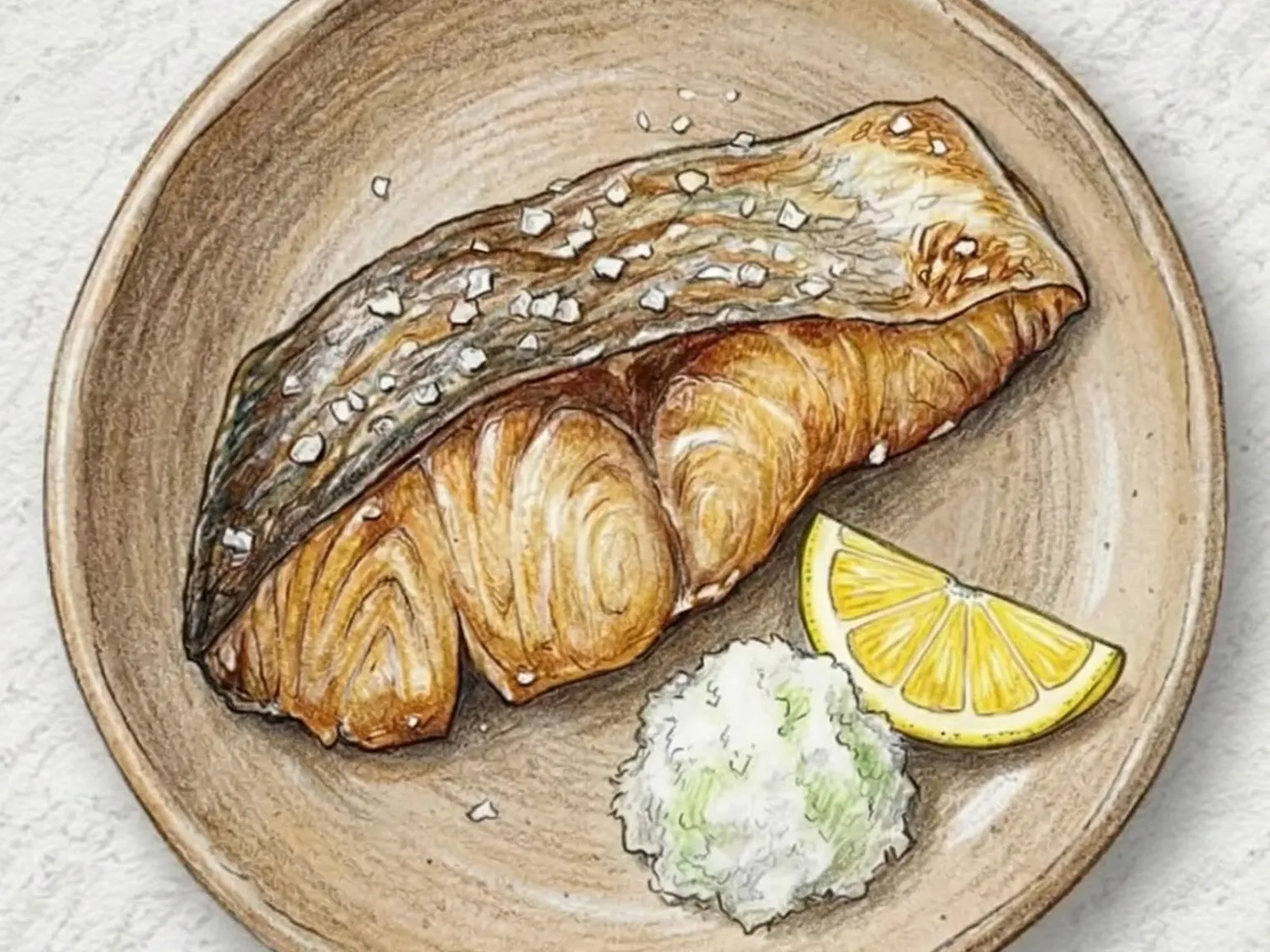
Bangeo-gui is a Korean salt-grilled yellowtail that relies on the fish's own winter fat for flavor rather than elaborate seasoning.

What makes this special

  • Thick winter fat in this Korean Grilled Yellowtail allows coarse salt to be the only necessary seasoning.
  • Winter yellowtail's thick fat layer makes salt the only seasoning needed
  • Skin-side down for 6-7 minutes; melting fat crisps the skin from below
Total time
25 min
Level
Easy
Servings
2 servings
Ingredients
5
Calories
350 kcal
Protein
32 g

Key ingredients

Yellowtail (buri) steaksCoarse saltCooking oilLemonDaikon radish

Core cooking flow

  1. 1 Wrap the 400 g yellowtail steaks in paper towels and blot every surface until dry.
  2. 2 Sprinkle 1 teaspoon coarse salt evenly over both sides and rest the fish at...
  3. 3 Heat a pan over medium heat, then add 1 tablespoon cooking oil and spread it thinly.

Bangeo-gui is a Korean salt-grilled yellowtail that relies on the fish's own winter fat for flavor rather than elaborate seasoning. Yellowtail caught in the cold months develops a thick fat layer under the skin, making coarse salt alone sufficient to bring out the natural richness. Patting the surface completely dry before grilling is essential because any moisture prevents the skin from crisping. The skin side goes down on a medium-heat pan, pressed for six to seven minutes until it turns brittle and golden as the fat renders. Flipping too often breaks the flesh apart, so the rule is to wait until one side is fully done before turning once. Grated fresh daikon and a wedge of lemon served on the side cut through the oiliness with sharp, clean acidity.

Prep 10min Cook 15min 2 servings
Recipes by ingredient → korean radish

Instructions

Read the steps as a cooking flow: prep, heat, seasoning, doneness control, and finish.

6 steps
  1. 1
    Step

    Wrap the 400 g yellowtail steaks in paper towels and blot every surface until dry.

    Press into the skin and flesh creases as well, because leftover moisture will keep the skin from crisping properly.

  2. 2
    Season

    Sprinkle 1 teaspoon coarse salt evenly over both sides and rest the fish at room temperature for 10 minutes.

    If moisture appears on the surface, blot it lightly again before cooking.

  3. 3
    Control

    Heat a pan over medium heat, then add 1 tablespoon cooking oil and spread it thinly.

    When the oil moves easily across the pan, place the yellowtail skin side down in a single layer.

  4. 4
    Control

    Cook the skin side over medium heat for 6 to 7 minutes, pressing lightly during the first 2 minutes.

    Keep the pan uncovered so steam does not soften the skin.

  5. 5
    Heat

    When the edges turn golden and rendered fat gathers in the pan, flip the fish only once.

    Cook the second side just until it turns opaque and firm without letting the flesh split apart.

  6. 6
    Finish

    Grate 50 g daikon radish and cut the half lemon into wedges.

    Transfer the yellowtail to a plate and serve immediately with the daikon and lemon so their sharpness balances the rich fish fat.

After the steps

Pick a recipe that fits this dish.

Continue with shared ingredients, meal pairings, or a similar method.

Recipes That Go Well With This

More Grilled →

Based on shared ingredients and meal pairing

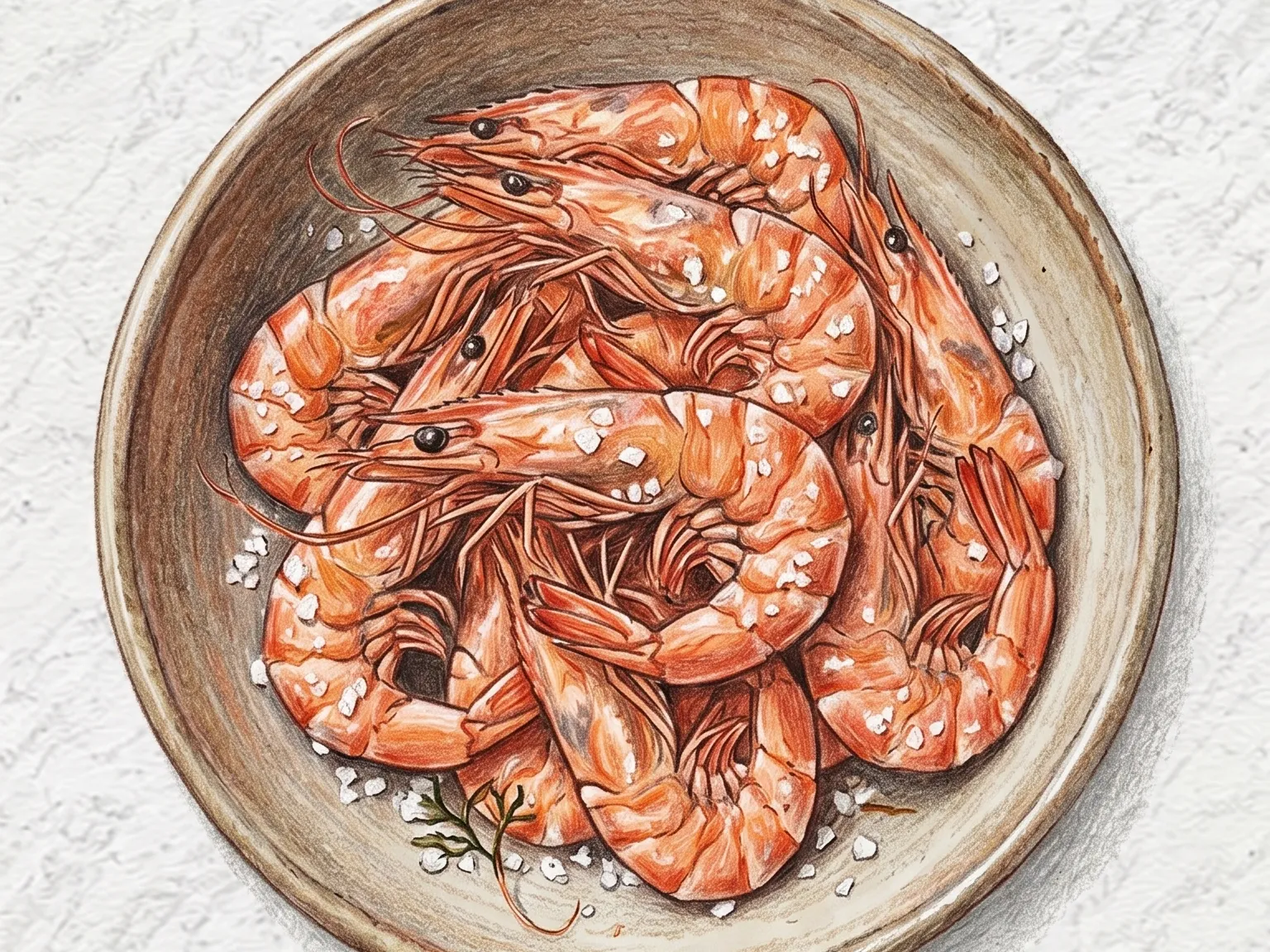
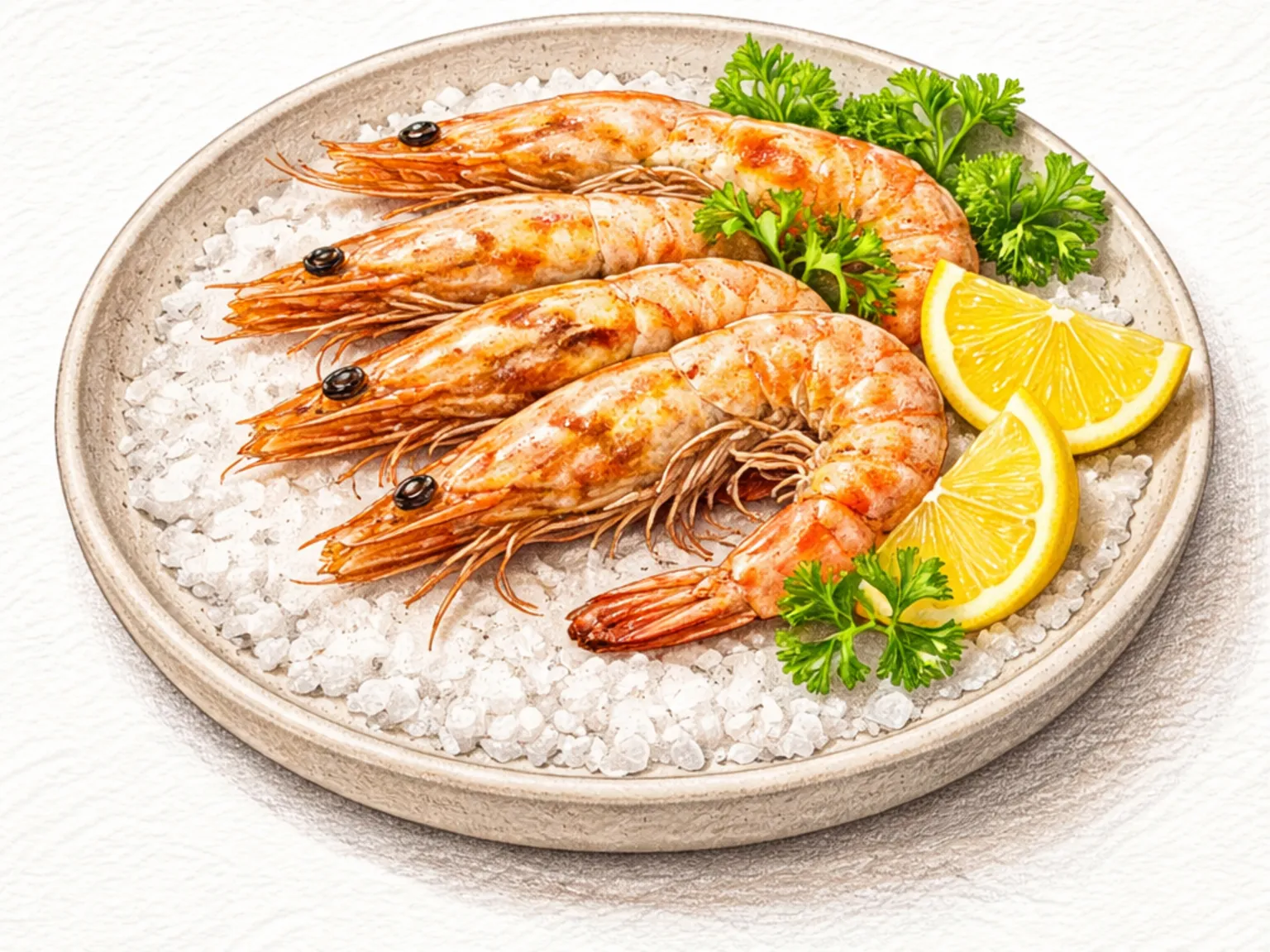
Korean Salt-Grilled Shrimp
Shared ingredient: coarse salt Drinks

Korean Salt-Grilled Shrimp

Saeu-sogeum-gui is a Korean salt-bed grilled shrimp prepared by spreading coarse salt in a heavy pan, laying whole shell-on shrimp over it, and covering with a lid to cook. The thick layer of heated salt acts as an indirect heat source that traps moisture inside the shells, so the shrimp flesh steams from within and retains its natural sweetness. After four minutes covered, the shrimp are flipped for three more minutes, then finished with a light coat of melted butter that adds richness on top of the salt's seasoning. Black pepper, chopped parsley, and a wedge of lemon complete the dish, proving that minimal ingredients and a simple technique can concentrate shrimp flavor more effectively than elaborate sauces.

Korean Spicy Stir-Fried Anchovies
Serve together Side dishes

Korean Spicy Stir-Fried Anchovies

Spicy stir-fried anchovies (maeun myeolchi-bokkeum) toss medium-sized dried anchovies in a gochujang-gochugaru glaze, occupying the opposite end of the flavor spectrum from the sweet jiri-myeolchi version and targeting adult palates. Medium anchovies are larger and thicker than the tiny variety, requiring individual head-and-gut removal to eliminate bitterness - a tedious prep step that nonetheless determines the dish's clean finish. After dry-toasting to drive off moisture, the anchovies simmer in a sauce of gochujang, gochugaru, soy sauce, oligosaccharide, and minced garlic until each piece is coated in a rust-colored glaze. The gochujang's fermented heat combines with gochugaru's vivid red to create both flavor depth and visual appeal. The larger anchovy size delivers a satisfying crunch that lingers alongside a lasting savory umami. Heat intensity is adjustable via gochugaru quantity - adding chopped cheongyang chili ratchets it up another notch. This banchan doubles as a soju drinking snack, appearing as frequently on bar tables as on dinner tables.

Diet Konjac Fried Rice
Serve together Rice

Diet Konjac Fried Rice

Diet Konjac Fried Rice is a low-calorie alternative to traditional fried rice, featuring chicken breast, eggs, and vegetables. The key step involves rinsing the konjac rice and dry-frying it in a pan without oil. This technique evaporates excess moisture and transforms the wet grains into a firm, chewy texture. To overcome the bland flavor of konjac, the dish uses a small combination of soy sauce and oyster sauce seasoned along the edges of the pan. Chopped green onions and carrots are sautéed in oil before adding chicken breast. Pushing these ingredients to one side to scramble the eggs separately keeps the eggs tender instead of rubbery. Finishing with a pinch of black pepper completes the savory profile. For longer satiety, cooking the konjac grains mixed with regular rice in a one-to-one ratio is recommended.

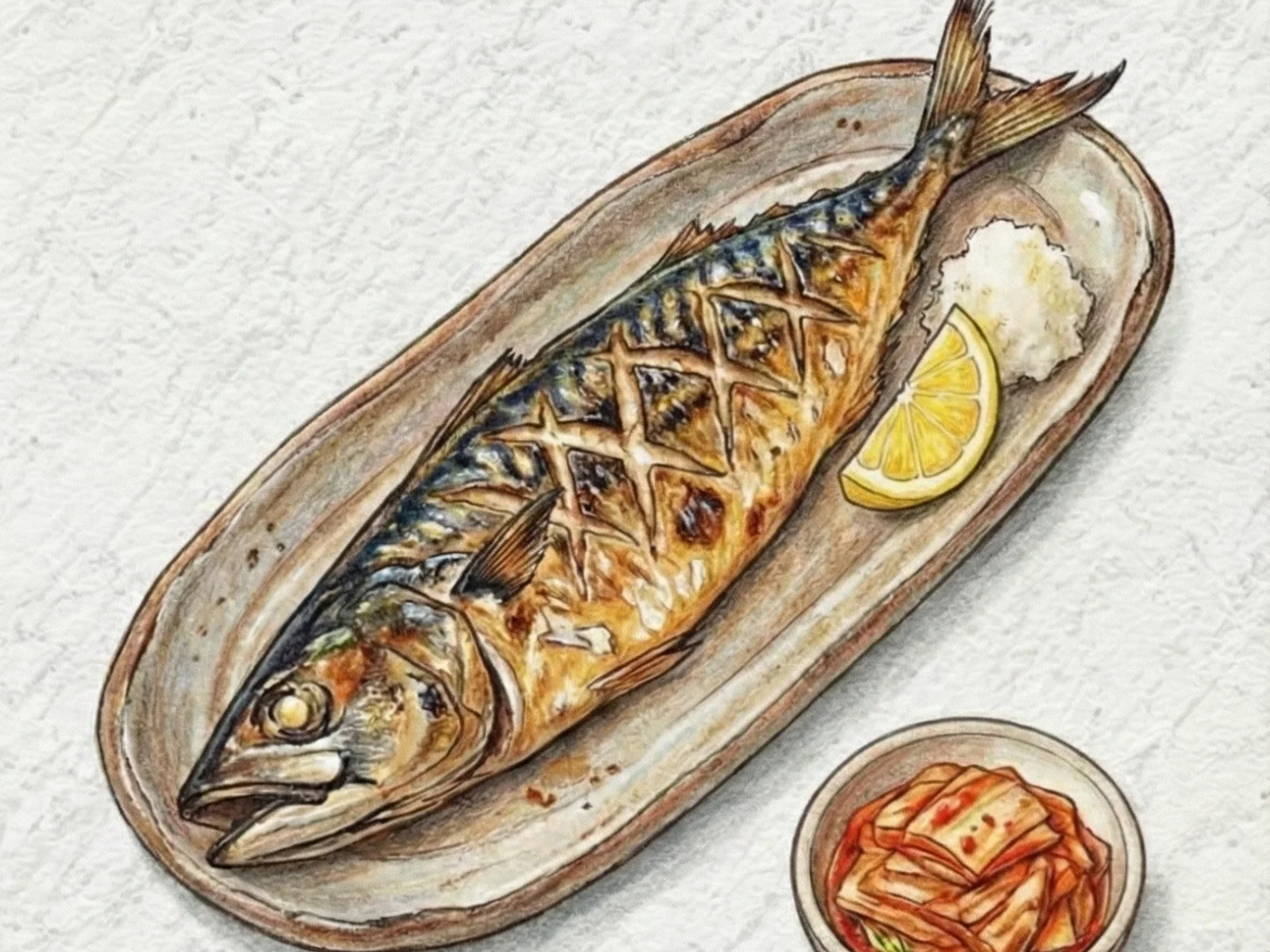
Korean Euneo Sogeum-gui (Salt-Grilled Sweetfish)
Similar recipe Grilled

Korean Euneo Sogeum-gui (Salt-Grilled Sweetfish)

Euneo-sogeum-gui is a salt-grilled freshwater sweetfish dish where whole fish, intestines left intact, are seasoned only with coarse salt and cooked slowly over charcoal or a wire grill until the skin crisps and chars lightly at the edges. Sweetfish carries a distinctive fresh fragrance comparable to cucumber or watermelon rind, a quality that earned it the name 'fragrant fish' in Japanese, and that delicate aroma would be overwhelmed by any marinade or heavy seasoning, making salt the only appropriate choice. The intestines contain a concentrated bitterness balanced by deep umami, and eating the fish whole, organs included, is the traditional approach rather than an afterthought. Grilling slowly over medium heat while turning the fish at intervals prevents the lean flesh from drying out while allowing the skin to develop an even, crackled crispness. Skewering the fish in a wave-like curve before cooking is the classic presentation that allows fat to render and drip naturally during grilling, basting the skin from the inside. A squeeze of lemon at the table brings acidity that tempers the slight bitterness from the organs and brightens the overall finish. Fish caught and grilled the same day is considered ideal, and smaller individuals tend to carry a purer aroma and a milder bitterness.

Serve with this

Chicken Mu (Korean Fried Chicken Radish Pickle)
Kimchi Easy

Chicken Mu (Korean Fried Chicken Radish Pickle)

The crunchy, sweet-sour radish pickle served with every order of Korean fried chicken - now easy to make at home in under 15 minutes. Cubed radish is submerged in a cooled brine of vinegar, sugar, salt, and whole black peppercorns. Using fully cooled brine rather than hot is critical for maintaining the radish's firm, snapping crunch. Ready to eat after one day of refrigeration, its bright acidity cleanses the palate between bites of crispy chicken. Stored in a glass jar, this pickle keeps for over a week.

⚡ Quick 🏠 Everyday
Prep 10min Cook 5min 4 servings
Korean Soft Tofu Soup (Mild Clear Broth with Silken Tofu)
Soups Easy

Korean Soft Tofu Soup (Mild Clear Broth with Silken Tofu)

Sundubu-guk is the gentler sibling of the more widely known sundubu-jjigae, trading the latter's fiery red broth for a clear, mild soup that puts silken tofu front and center. The base is a simple anchovy and kelp stock, seasoned with soup soy sauce and nothing more assertive, so the broth stays transparent and clean on the palate. Blocks of unpressed soft tofu are slipped into the simmering liquid and heated just until they are warmed through - overcooked sundubu loses the trembling, custard-like texture that defines the dish. Each spoonful collapses gently on the tongue, releasing a faint, sweet soybean flavor that pairs effortlessly with the umami-rich stock. A small addition of salted shrimp paste can be stirred in at the table to introduce a subtle marine depth without disrupting the soup's calm character. This is the soup Koreans turn to when appetite is low, digestion needs rest, or the body simply craves something warm and uncomplicated. It is equally suitable for young children and elderly diners, and its quiet simplicity is precisely its strength.

🏠 Everyday ⚡ Quick
Prep 5min Cook 15min 4 servings

Similar recipes

Korean Okdom Sogeum Gui (Salt-Grilled Tilefish)
Grilled Easy

Korean Okdom Sogeum Gui (Salt-Grilled Tilefish)

Okdom sogeum-gui is a salt-grilled tilefish dish iconic to Jeju Island, where the whole cleaned fish is rubbed with a thin layer of ginger juice, seasoned with coarse salt and pepper, and pan-fried skin-side down for six to seven minutes over medium-high heat. Tilefish has moderately fatty, firm flesh that develops deep umami with salt alone, and the ginger juice is applied sparingly-just enough to neutralize any fishiness without masking the fish's own character. Thorough surface drying with paper towels before cooking is non-negotiable for crisp skin, and the pan must be fully preheated or the fish will stick immediately. Chopped green onion and fresh lemon juice served alongside provide a sharp, aromatic contrast to the clean, mellow flavor of the grilled tilefish.

🍺 Bar Snacks 🏠 Everyday
Prep 15min Cook 14min 2 servings
Korean Domi Sogeum Gui (Salt-Grilled Sea Bream)
Grilled Easy

Korean Domi Sogeum Gui (Salt-Grilled Sea Bream)

Domi-sogeum-gui is a Korean pan-grilled sea bream dish where fillets are seasoned with nothing more than coarse salt and black pepper, then cooked skin-side down for the majority of the cooking time. Sea bream sits at a favorable point among white fish varieties, carrying enough natural fat to produce a clean, rounded umami from salt alone without needing additional marinades or sauces. Patting the surface completely dry with paper towels before the fish goes into the pan is essential, as any surface moisture will cause the skin to steam rather than crisp. Placing the fillet skin-side down first and keeping it there for roughly seventy percent of the total cooking time allows the skin to turn crackling and golden while the heat travels up through the flesh from below. A brief flip to finish the flesh side is all that is needed, since overcooking removes moisture from the delicate meat quickly. Minced garlic and chopped scallions placed on top after cooking add a fresh, pungent note, and a squeeze of lemon from the side wedge sharpens the bream's mild, clean sweetness by cutting through any lingering fish aroma.

🍺 Bar Snacks 🏠 Everyday
Prep 15min Cook 16min 2 servings
Korean Grilled Beltfish (Galchi-gui)
Grilled Easy

Korean Grilled Beltfish (Galchi-gui)

Galchi-gui is grilled beltfish, salted and pan-fried until the skin crisps and the flesh cooks through. Beltfish has a high fat content relative to most white fish, and as the flesh heats, its own oil migrates toward the skin, crisping the exterior without the need for added cooking oil. That same fat keeps the flesh moist well after the fish leaves the heat. Each steak should be cut to around three centimeters thick. Thinner pieces lose their moisture quickly under high heat, while thicker cuts will burn on the outside before the center reaches temperature. The pan needs to be fully preheated before the fish goes in: a cold or lukewarm surface causes the skin to stick and steam rather than sear. When the pan is hot enough, the skin releases cleanly and turns golden through the Maillard reaction. Coarse salt is the only seasoning in the traditional Jeju preparation, and nothing else is added. A squeeze of lemon at the table cuts the richness of the oily fish with clean acidity, lifting the aftertaste. Beltfish caught in the waters around Jeju in spring are considered the finest, with firmer flesh and a richer flavor than fish from other seasons.

🍺 Bar Snacks ⚡ Quick
Prep 10min Cook 15min 2 servings
Korean Grilled Dried Pollock
Drinks Easy

Korean Grilled Dried Pollock

Nogari-gui is a classic Korean bar snack in which semi-dried young pollock is cut into pieces with scissors, then cooked in a buttered pan over medium-low heat until golden and crisp on both sides. The low-and-slow approach matters: the thin fish needs time to dry out evenly into a chewy-crisp texture without scorching on the surface. Butter melts into the fibrous dried flesh with each pass over the heat, coating the fibers with richness that plain dry-frying cannot replicate. The dipping sauce is a deliberate combination of gochujang and mayonnaise, loosened with lemon juice, sweetened with a pinch of sugar, and sharpened with minced garlic, producing a sauce that is spicy, creamy, tangy, and savory all at once. That sauce against the salty, umami-concentrated pollock is the reason one piece is never enough. Cutting with scissors rather than a knife exposes more cross-section of the dried fibers, helping the sauce cling more effectively. The snack is closely associated with the pojangmacha stalls of Noryangjin and remains one of the most requested accompaniments to cold draft beer in Korea.

🍺 Bar Snacks ⚡ Quick
Prep 8min Cook 10min 2 servings

Tips

Grill uncovered for crispy skin - yellowtail's fat content makes it excellent when simply grilled.

Nutrition (per serving)

Calories
350
kcal
Protein
32
g
Carbs
0
g
Fat
24
g