Korean Silkworm Pupae Broth
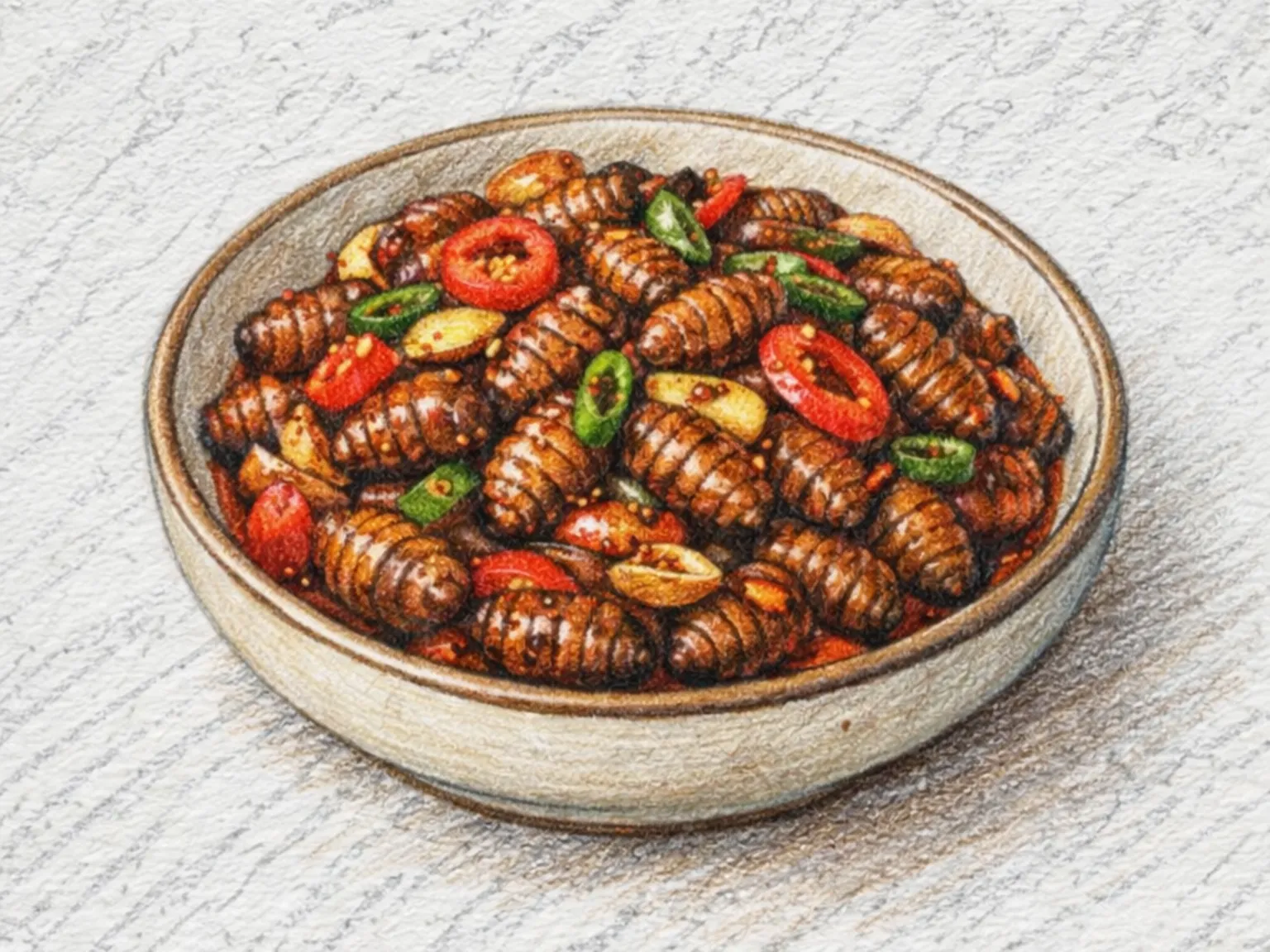
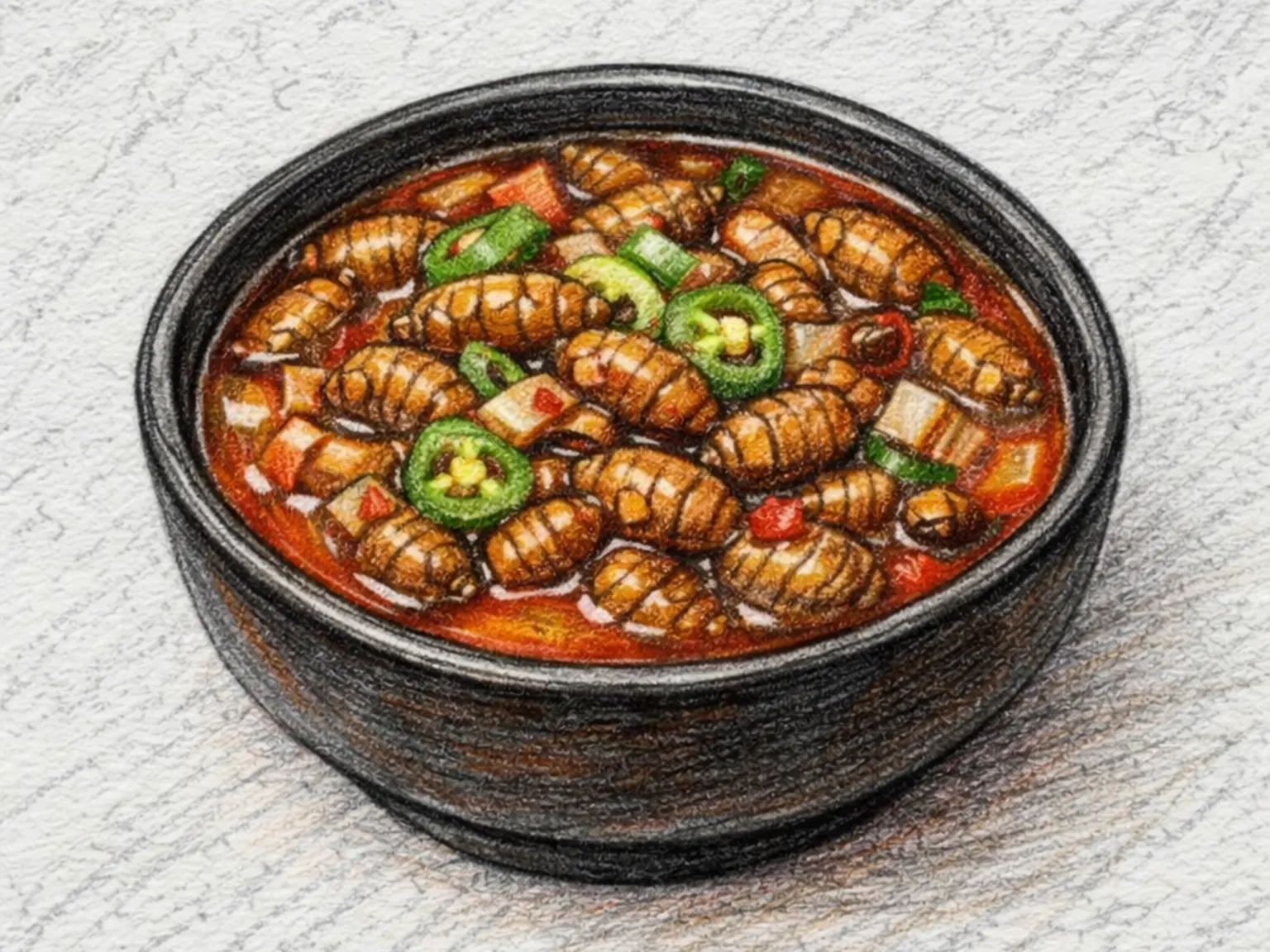
Beondegi-tang simmers canned silkworm pupae in a broth seasoned with soup soy sauce, gochugaru, and minced garlic. Sliced green onion and hot green chili cook alongside for eight minutes, letting the chili heat infuse the liquid while the pupae release a deep, earthy umami into every spoonful. Adding a splash of the canning liquid intensifies the savory depth, and the soup is best served piping hot so the aromatics stay lively.
Adjust Servings
Instructions
- 1
Drain and quickly rinse the silkworm pupae.
- 2
Add water and pupae to a pot and bring to a boil.
- 3
Season with soup soy sauce, minced garlic, and gochugaru.
- 4
Add sliced green onion and chili, then simmer for 8 minutes.
- 5
Adjust seasoning and serve piping hot.
As an Amazon Associate, we may earn from qualifying purchases.
Tips
Nutrition (per serving)
More Recipes

Korean Fish Cake Soup (Clear Anchovy Radish Broth)
Eomuk-tang is a Korean fish cake soup in which skewered fish cakes and thick radish slices simmer in a clear broth built from dried anchovies and kelp. The kelp is removed as soon as the water begins to boil to prevent the broth from becoming slimy, and the radish is cut thick so it releases natural sweetness over extended simmering. Rinsing the fish cakes in hot water before adding them removes surface oil and keeps the broth clean. Soup soy sauce adjusts the seasoning, and scallion and black pepper finish the bowl with a mild, savory depth.

Korean Stir-fried Silkworm Pupae
Beondegi-bokkeum starts with canned silkworm pupae, drained, rinsed, and stir-fried in oil with garlic, soy sauce, and gochugaru over medium heat. As the moisture evaporates, the pupae develop a light crust while the soy sauce creates a glossy, salty glaze across their surface. Sliced cheongyang chili and scallion go in at the end, layering sharp heat and allium fragrance over the pupae's earthy, nutty base flavor.

Korean Soupy Tteokbokki (Rice Cakes in Spicy Gochujang Broth)
Gukmul-tteokbokki is a broth-based tteokbokki where rice cakes and fish cakes simmer in a kelp stock seasoned with gochujang, gochugaru, soy sauce, and sugar. Unlike dry or stir-fried versions, the generous broth lets the seasoning penetrate each rice cake while the fish cakes boost the soup's savory depth. Simmering over medium heat for eight to ten minutes softens the rice cakes while preserving a chewy core, and scallions stirred in at the end add freshness. The leftover broth is commonly enjoyed with a bowl of rice stirred in or with added ramyeon noodles.

Korean Spicy Stir-fried Cartilage
Odolppyeo-bokkeum is a fiery Korean stir-fry of chicken cartilage marinated in a sauce of gochujang, gochugaru, soy sauce, garlic, and sugar, then cooked at maximum heat for a short burst. The cartilage delivers a distinctive crunch-then-chew that no other cut can replicate, and thorough drying with paper towels before marinating ensures the sauce clings directly to the surface. After ten minutes of marinating, the cartilage hits a ripping-hot oiled pan to pick up smoky wok char, followed by onion, green onion, and hot green chilies that are tossed until all moisture evaporates and the glaze turns glossy. Keeping the total stir-fry time brief is critical, since prolonged cooking turns the cartilage from pleasantly crunchy to unpleasantly tough.

Korean Corn Cheese (Buttery Skillet Corn Mozzarella)
Korean corn cheese starts by sauteing drained canned corn with diced onion in butter, then mixing in mayonnaise, sugar, and black pepper before spreading the mixture flat and piling mozzarella on top. The pan is covered on low heat until the cheese melts into a stretchy, golden layer that binds the sweet corn beneath. A teaspoon of sugar amplifies the corn's natural sweetness against the salty, fatty cheese, and broiling at 220 degrees Celsius for five minutes adds a browned crust on top.

Korean Kimchi Cheese Gimbap
Kimchi cheese gimbap rolls seasoned rice, stir-fried kimchi, mozzarella cheese, and pickled radish in seaweed sheets. Stir-frying the kimchi concentrates its tangy flavor and removes excess moisture that would otherwise make the roll soggy and prone to tearing. The cheese's mild fat wraps around the kimchi's spice, and the pickled radish adds a sweet-tart crunch that breaks up the richness. Keeping the cheese in a single line along the center is key to rolling the gimbap tightly without splitting.