Drinks Recipes
132 recipes. Page 1 of 6
This category brings together Korean traditional beverages and drinking snacks (anju). Sweet classics like sikhye (rice punch) and sujeonggwa (cinnamon punch) sit alongside modern fruit smoothies and homemade drinks. For anju, find recipes for dubu-kimchi (tofu with kimchi), golbaengi-muchim (spicy whelk salad), and other bar-food favorites.
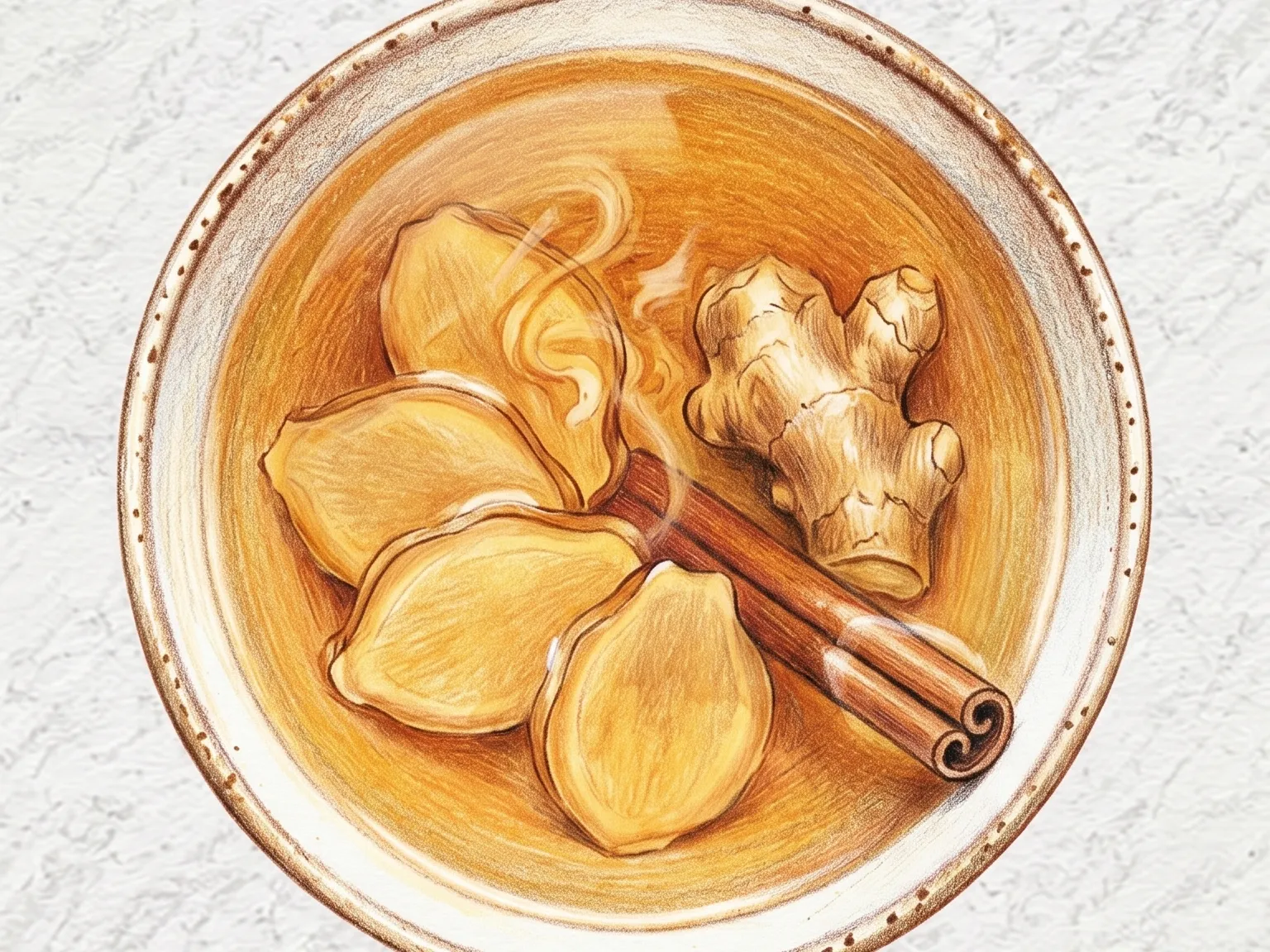
ACV Honey Ginger Tea
A warm healthy tea that maximizes the benefits of ACV for digestion and blood sugar control.
ACV Lemon Sparkling Water
The most delicious and refreshing way to consume Apple Cider Vinegar.
Apple Cider Vinegar Cinnamon Drink
A flavorful drink capturing the essence of autumn with combines ACV and cinnamon.
Korean Pear Bellflower Root Tea
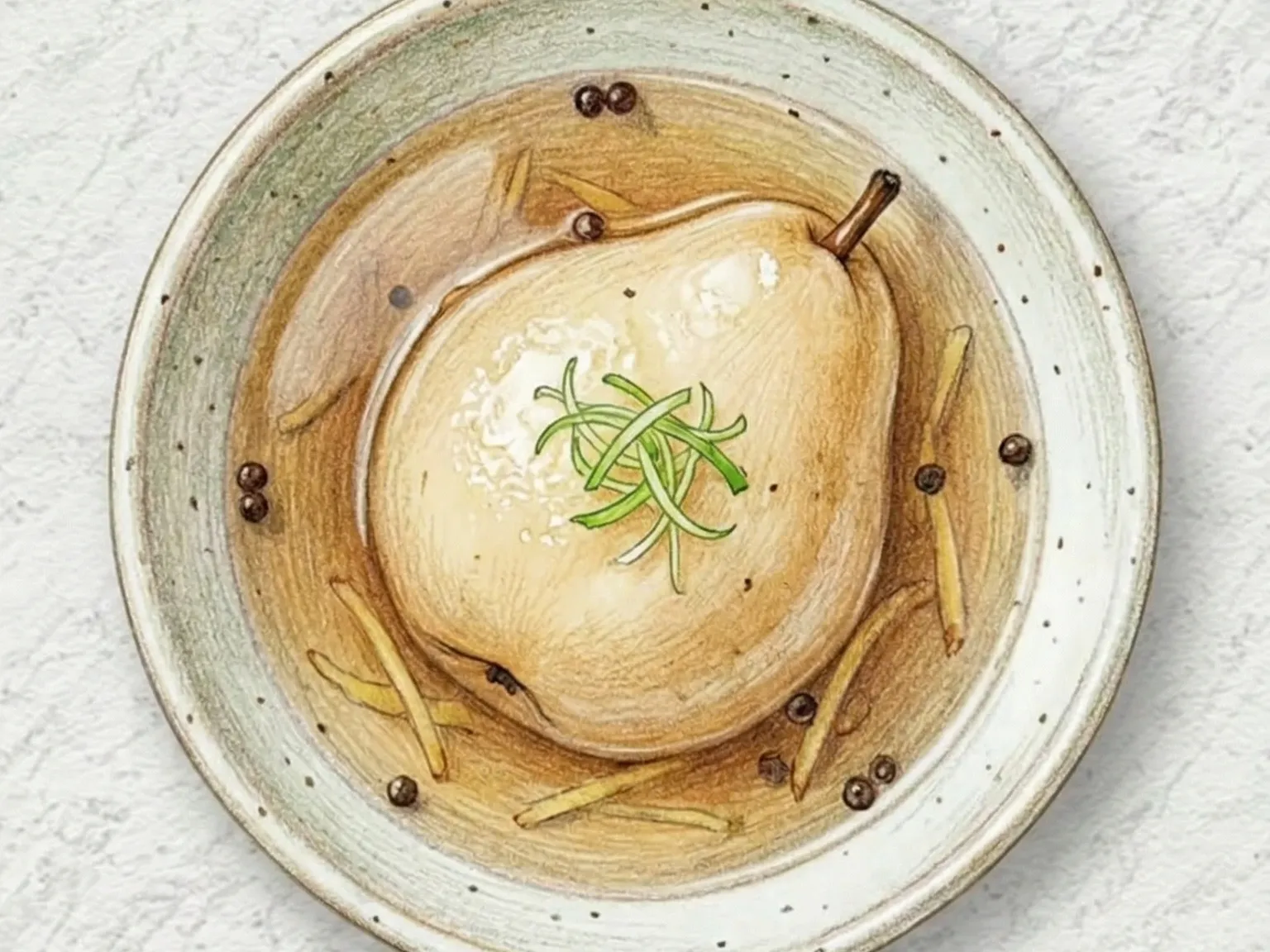
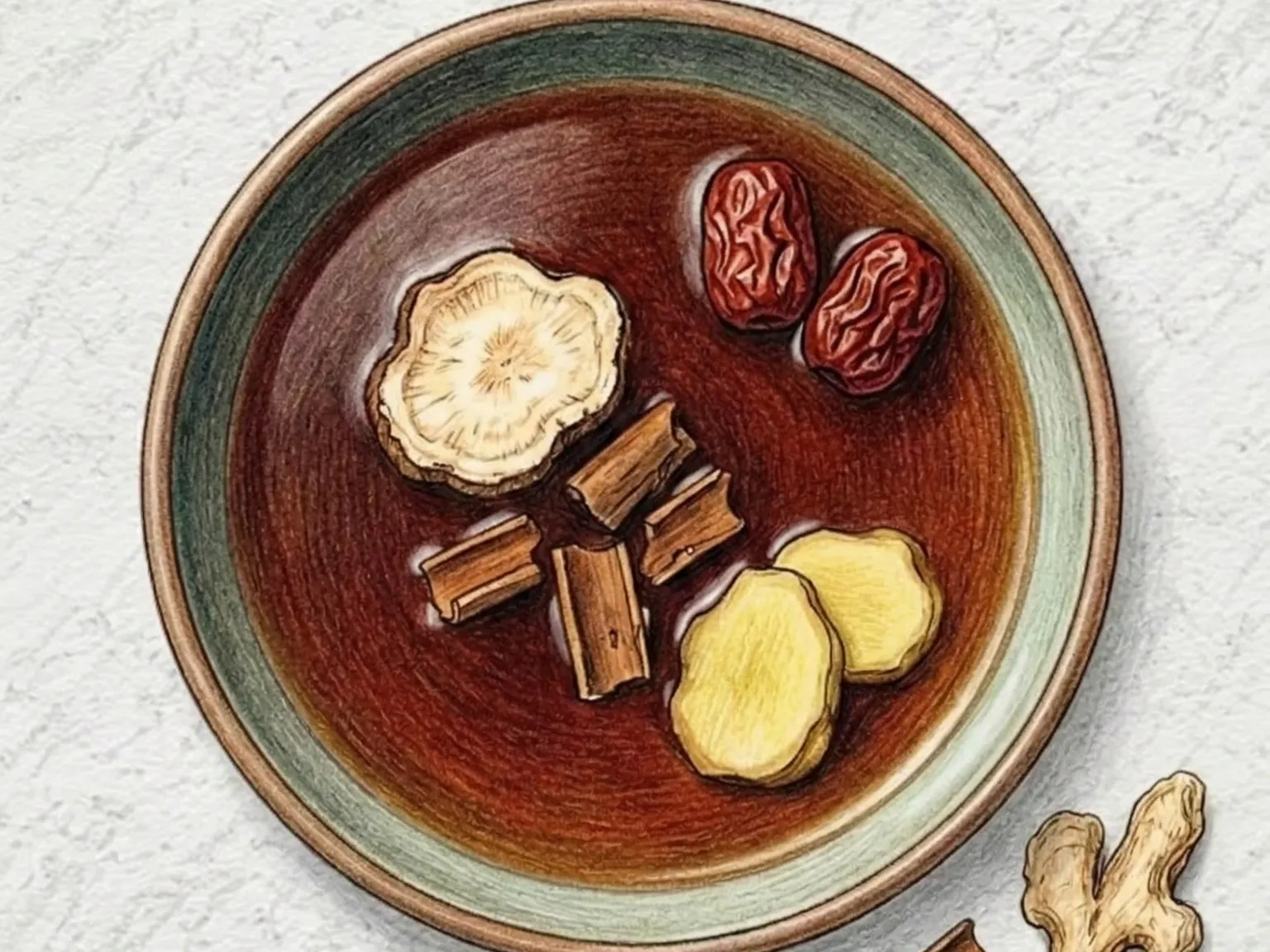
Baedoraji-cha is a traditional Korean herbal tea that is prepared through the slow simmering of Asian pears and bellflower roots. The processing of the bellflower root, referred to as doraji in Korean, represents an essential stage of the recipe. Because raw bellflower roots contain a sharp bitterness that can give the tea a harsh medicinal quality, the roots must be peeled and treated with salt. This involves kneading the roots firmly by hand with salt and then rinsing them with water. Repeating this sequence of kneading and rinsing two or three times is necessary to draw out the bitter compounds from the plant. The pear is prepared by removing the core and cutting the fruit into uniform chunks. The skin can either be retained or removed according to individual preference before the pieces are placed into the pot. As the pear pieces simmer, their juice integrates into the water to provide a natural sweetness without the requirement of added sugar. To complement these main components, a few slices of fresh ginger and a handful of dried jujubes are added to the mixture. The ginger introduces a subtle warmth and a slightly peppery flavor that helps to soften the herbal intensity of the bellflower root. At the same time, the dried jujubes provide a light fruity depth and give the tea its distinctive color. The ingredients are left to infuse over low heat for approximately thirty to forty minutes to ensure that the flavors from the various components are fully extracted into the water. After the simmering process is finished, the sweetness of the beverage can be adjusted with jocheong, which is a traditional grain syrup. This syrup is utilized because it blends into the liquid more smoothly than honey or granulated sugar. This beverage is traditionally served warm during seasons characterized by cold or dry air. It is often consumed when the throat feels dry or irritated, as the saponins present in the bellflower root are recognized for their soothing properties.
Korean Cactus Fruit Ade (Prickly Pear Citrus Sparkling Drink)
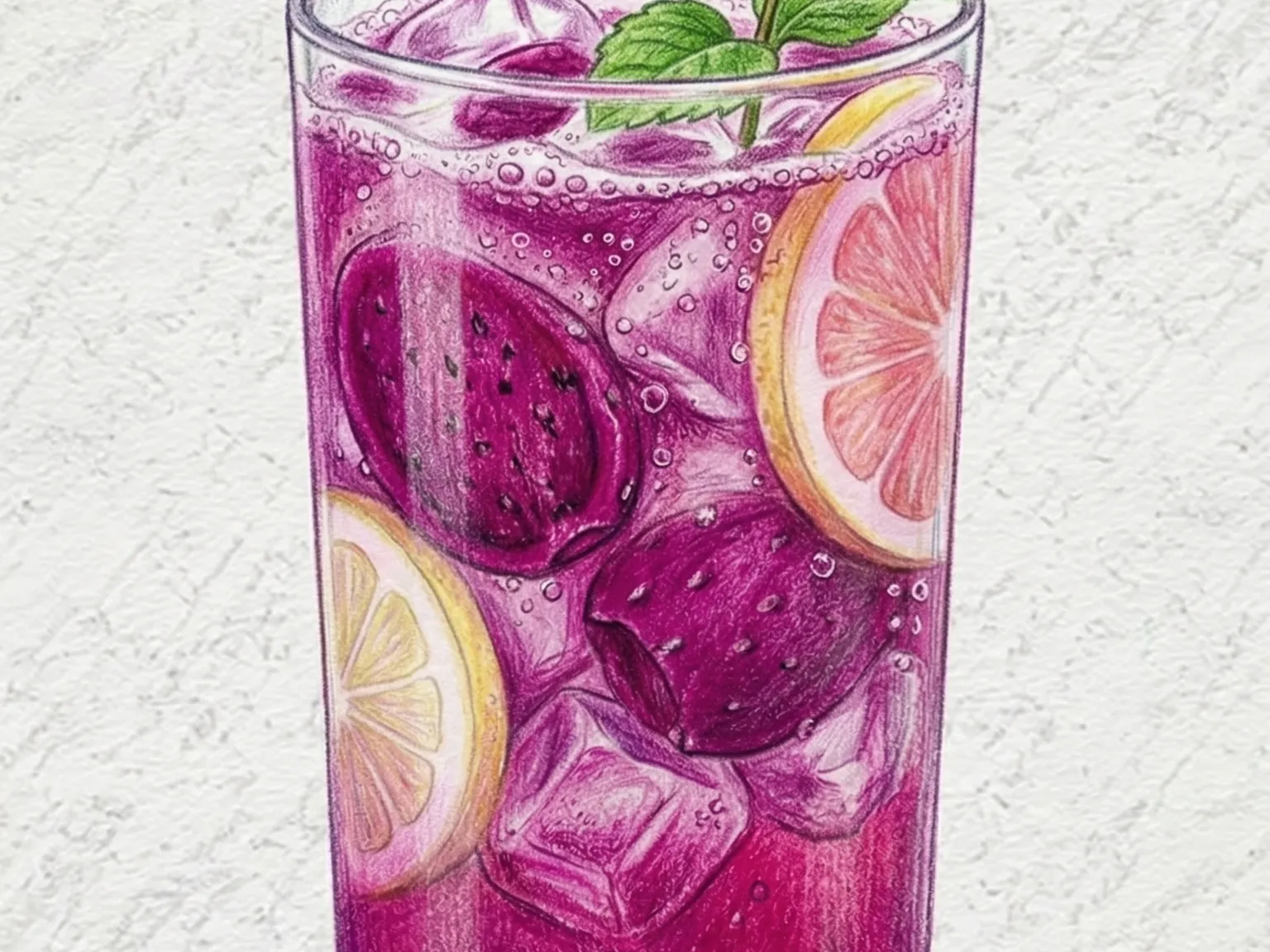
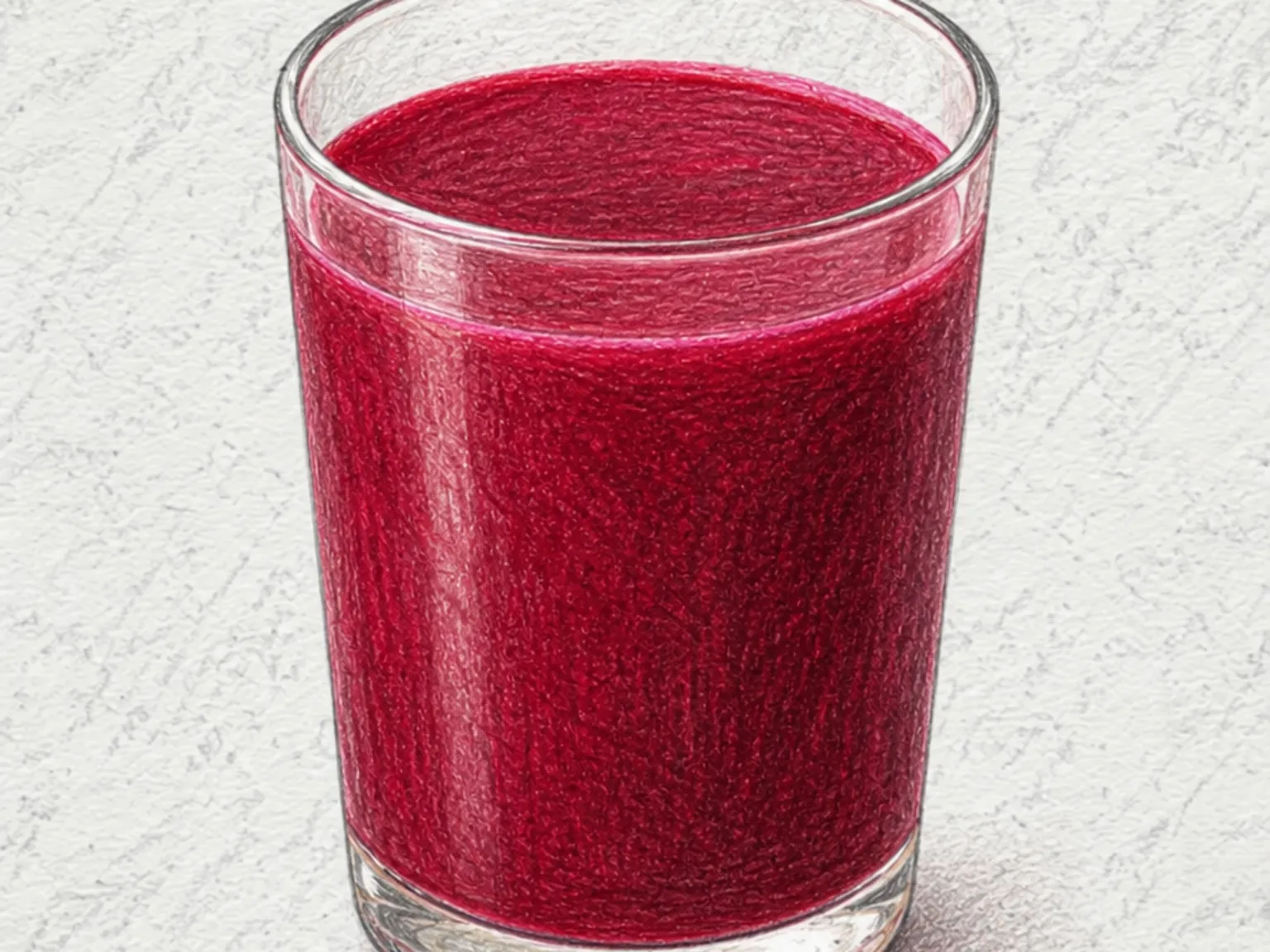
Baeknyeoncho ade is a chilled Korean fruit beverage prepared by combining a syrup made from the fruit of the prickly pear cactus with fresh lemon juice and grapefruit juice, eventually topped with carbonated water. The cactus fruit syrup is characterized by its intense magenta color and a flavor profile that resembles berries, though it also contains an earthy sweetness and a particular thickness that is unique to this specific fruit. The sharp acidity of the lemon and the characteristic bitter notes of the grapefruit juice work together to neutralize the sweetness of the syrup, ensuring the finished drink is fruity and balanced rather than syrupy or cloying. A small amount of salt is added to the mixture to function as a flavor enhancer rather than a seasoning, which makes the various fruit acids more prominent to the taste buds. During preparation, the sparkling water is added last and stirred only slightly after the syrup and ice have already been combined in the glass to preserve as much carbonation as possible. A single sprig of apple mint is placed on the surface to provide a subtle herbal aroma that the drinker notices with every sip, which helps to increase the cooling effect of the beverage. This prickly pear cactus grows in wild conditions on Jeju Island and across the southern coastal areas of Korea, where both the round fruits and the flat, paddle-shaped stems are harvested for culinary use. The fruit is notably rich in betacyanin pigment, a natural substance that retains its vivid coloration even when subjected to heat, making it a valuable source for natural food coloring. When presented in a clear glass vessel, the saturated magenta liquid creates a visual appearance that is as striking as the refreshing nature of the drink itself.
Korean Baekseju Herbal Rice Wine
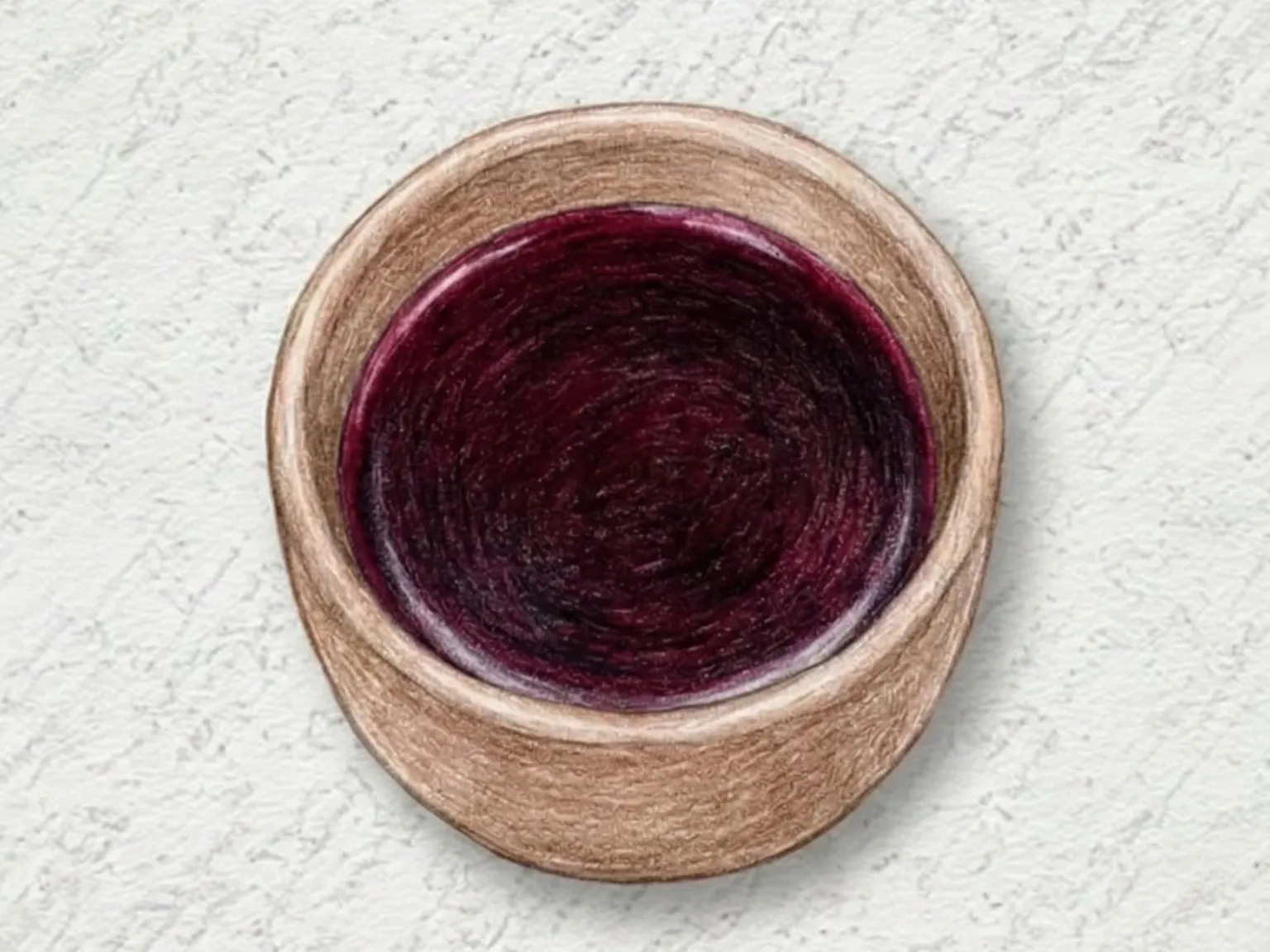
Baekseju is a traditional Korean herbal rice wine produced by infusing a fermented glutinous rice base with twelve medicinal ingredients including fresh ginseng, jujubes, ginger, wolfberry, and cinnamon, then sweetening the result with honey. The brand was launched by Kooksoondang in 1992 and has since become the dominant commercial representative of the yakju category - herbal Korean rice wine - in mainstream retail. The foundation is glutinous rice fermented with nuruk, a traditional wheat and grain-based starter culture that produces a mildly sweet, relatively low-acid alcohol. Fresh ginseng steeped in that fermenting liquid contributes its characteristic bitterness and earthy depth, which sit on top of the rice sweetness rather than replacing it. Jujubes lend a faint reddish tint and a dried-fruit sweetness that stays in the background, while ginger delivers a slow, peppery warmth that registers at the back of the throat after swallowing. The honey is added after primary fermentation has proceeded far enough that the yeast population is declining; this preserves residual sugar in the finished wine rather than having it fully fermented out. That residual sweetness is central to Baekseju's flavor identity and distinguishes it from drier yakju styles. Alcohol content sits around thirteen percent, comparable to a medium-bodied grape wine. The liquid is filtered clear and appears golden, substantially more transparent than unfiltered makgeolli. Served cold, the herbal complexity recedes and the wine drinks crisp and refreshing; at room temperature, the ginseng bitterness and jujube sweetness become more pronounced with each sip. It pairs well with fatty or strongly flavored Korean dishes - grilled pork belly, braised spicy chicken - where the medicinal herbaceousness cuts through the richness.
Korean Steamed Clams with Soju
Bajirak sul jjim is a Korean drinking snack of baby clams steamed open in soju with garlic and butter, producing a savory broth suited for dipping bread or cooking noodles afterward. The alcohol in soju evaporates quickly, steaming the clams open while stripping away any fishy odor, and leaving a faint grain-spirit aroma in the liquid. Butter is added after the shells open so it emulsifies with the released clam juice to form a rich, cohesive sauce; adding it from the start causes the fat to separate and float on top. Generous sliced garlic steams alongside the clams, losing its raw bite while retaining a mellow fragrance that builds depth in the sauce. Diagonally cut cheongyang chili adds a sharp heat accent to the salty, buttery liquid. Scallion is scattered on top at the end for a fresh finish. White wine can replace soju, adding acidity and a different aromatic character, but soju's clean grain note pairs more naturally with clams in a Korean context. Bajirak - short-neck clams - are smaller and sweeter than other Korean clams, making them well suited for quick steaming, and frozen clams release sufficient broth to make the dish work. Cooking thin wheat noodles in the remaining liquid after the clams are eaten makes an excellent final course.
Korean Chestnut Latte
Bam latte is a Korean autumn drink made by blending boiled chestnuts into a smooth paste and warming it with milk. The chestnuts are pureed with water until the mixture is completely smooth, then combined with milk and heated gently on the stovetop over low heat. Maple syrup introduces a caramel sweetness over the mild, starchy flavor of the chestnuts. Ground cinnamon adds warmth, and a small amount of vanilla extract gives the overall aroma more depth. Blending the chestnuts longer yields a silkier drink; leaving some texture produces a thicker, more porridge-like consistency. The full preparation takes about twenty minutes, making it a practical homemade version of the seasonal chestnut lattes that appear in Korean cafes each autumn.
Korean Banana Milk
Banana milk is a homemade version of one of Korea's most consistently popular packaged beverages, sold in its distinctive small barrel-shaped bottle since 1974. Fresh ripe bananas are blended with cold milk, a spoonful of condensed milk, and a drizzle of honey to hit the characteristic level of sweetness. A small amount of vanilla extract bridges the fruit flavor and the dairy base, smoothing out any sharpness. Blending with ice produces a thick, smoothie-like consistency, while leaving out the ice gives a thinner, pourable drink closer to the original product. Unlike the commercial version, the homemade result contains no artificial flavoring or coloring, so the color stays a natural pale yellow rather than the vivid shade of the packaged drink. The sweetness varies with banana ripeness, and honey can be adjusted accordingly. Using frozen bananas in place of fresh ones plus ice delivers a cold, creamy texture without dilution. The whole preparation takes under five minutes, making it a practical option for a quick snack or light breakfast.
Korean Banana Misutgaru Smoothie
Banana misutgaru smoothie combines Korea's traditional roasted multigrain powder with banana for a filling, grain-forward drink. Misutgaru is made from roasted barley, glutinous rice, soybeans, and other grains ground into a fine powder; dissolved in liquid, it produces a toasty, earthy flavor that sets it apart from any standard smoothie base. Banana adds natural sweetness and body, while a spoonful of peanut butter deepens the nutty undertone. Honey fine-tunes the sweetness, and blending with ice makes the whole thing cold and thick. The grain fiber from the misutgaru and the potassium from the banana make this a substantial breakfast replacement in a single glass. Increasing the misutgaru proportion thickens the consistency toward something closer to porridge, and swapping in soy milk for regular milk intensifies the grain character.
Korean Stir-fried Silkworm Pupae
Beondegi-bokkeum starts with canned silkworm pupae, drained and rinsed, then stir-fried in oil with garlic, soy sauce, and gochugaru over medium heat. As the moisture evaporates, the pupae develop a light crust while the soy sauce creates a glossy, salty glaze across their surface. Sliced cheongyang chili and scallion go in at the end, layering sharp heat and allium fragrance over the pupae's earthy, nutty base. Adding a tablespoon of cheongju (rice wine) during cooking significantly reduces the tinned odor that some find off-putting. Substituting oyster sauce for part of the soy sauce deepens the umami, and a small knob of butter stirred in at the finish adds a rich, rounded quality. The firm yet slightly yielding texture of the pupae sets this drinking snack apart from standard bar-food staples like eomuk or dubu.
Korean Silkworm Pupae Broth
Beondegi-tang simmers canned silkworm pupae in a broth seasoned with soup soy sauce, gochugaru, and minced garlic, a staple street food soup served at Korean pojangmacha stalls. Sliced green onion and hot green chili cook alongside for eight minutes, letting the chili heat infuse the liquid while the pupae release a deep, earthy umami into every spoonful. Adding a splash of the canning liquid intensifies the savory depth, and the soup must be served piping hot to keep the aromatics lively. It is a classic pairing with soju or makgeolli, and while the chili level can be adjusted to taste, the soy sauce quantity should stay fixed to temper the pupae's distinctive aroma.
Korean Butter-Grilled Mushrooms
This dish takes thickly sliced king oyster and button mushrooms, sears them in melted butter over high heat for about four minutes until golden on both sides, then finishes with a quick toss of soy sauce for a glossy coating. Garlic goes in with the butter at the start, releasing its fragrance into the fat before the mushrooms hit the pan. Soy sauce added just before the heat is cut keeps the finish clean rather than acrid. A crack of black pepper and a scatter of chopped chives complete the plate, delivering concentrated umami without any meat. The preparation is straightforward and fast, making it a practical choice to put together quickly at the table.
Korean Cherry Blossom Milk Tea
Beotkkot milk tea is a seasonal drink built around salt-pickled cherry blossoms, which are soaked in cold water for five minutes to pull out most of their brine before use. Black tea leaves steep for three minutes, then milk and sugar go in over low heat. Heavy cream and vanilla bean paste are stirred in off the heat, rounding out the tea's tannins and adding a dense, smooth body to the drink. The small amount of salt remaining in the blossoms after desalting introduces a subtle savory thread beneath the sweetness - not enough to read as salty, but enough to keep the flavor from being one-dimensional. A few desalted blossoms floated on top release a faint floral scent with each sip. For the iced version, the tea should be brewed roughly ten percent stronger than usual, since dilution from melting ice would otherwise flatten the flavor.
Black Sugar Tapioca Pearl Milk Tea
Enjoy chewy tapioca pearls and sweet black sugar syrup milk tea at home.
Korean Black Raspberry Ade
Bokbunja ade starts by combining black raspberry concentrate with lime juice and honey to build a tart-sweet base before anything else is assembled. That base is poured over a cup packed with ice and frozen berries, then topped with sparkling water. The deep purple concentrate sinking through the clear carbonation creates a vivid color gradient in the glass that holds until stirred. Lime juice amplifies the berry aroma rather than masking it, and if the concentrate runs particularly strong, extra sparkling water brings it back into balance. Frozen berries function as both cooling agent and slow flavor release - as they thaw, the fruit intensity in the drink gradually deepens.
Korean Bokbunja Wine (Black Raspberry Soju-Infused Fruit Wine)
Bokbunja-ju is a deep ruby Korean fruit wine made by layering fresh black raspberries and sugar in a sterilized jar, then covering them with soju along with a strip of lemon peel and a cinnamon stick. At 1.2 kg of fresh fruit per batch, the berry flavor comes through with real concentration. The jar rests in a cool place for at least thirty days and is shaken gently once a week to dissolve the sugar evenly throughout the liquid. After straining through fine cloth, additional bottle aging softens the acidity and rounds out the berry aroma, producing a wine where the warm spice undertones from the cinnamon balance the tartness of the raspberries.
Korean Bori Saessak Lemon Ade (Barley Sprout Lemon Ade)
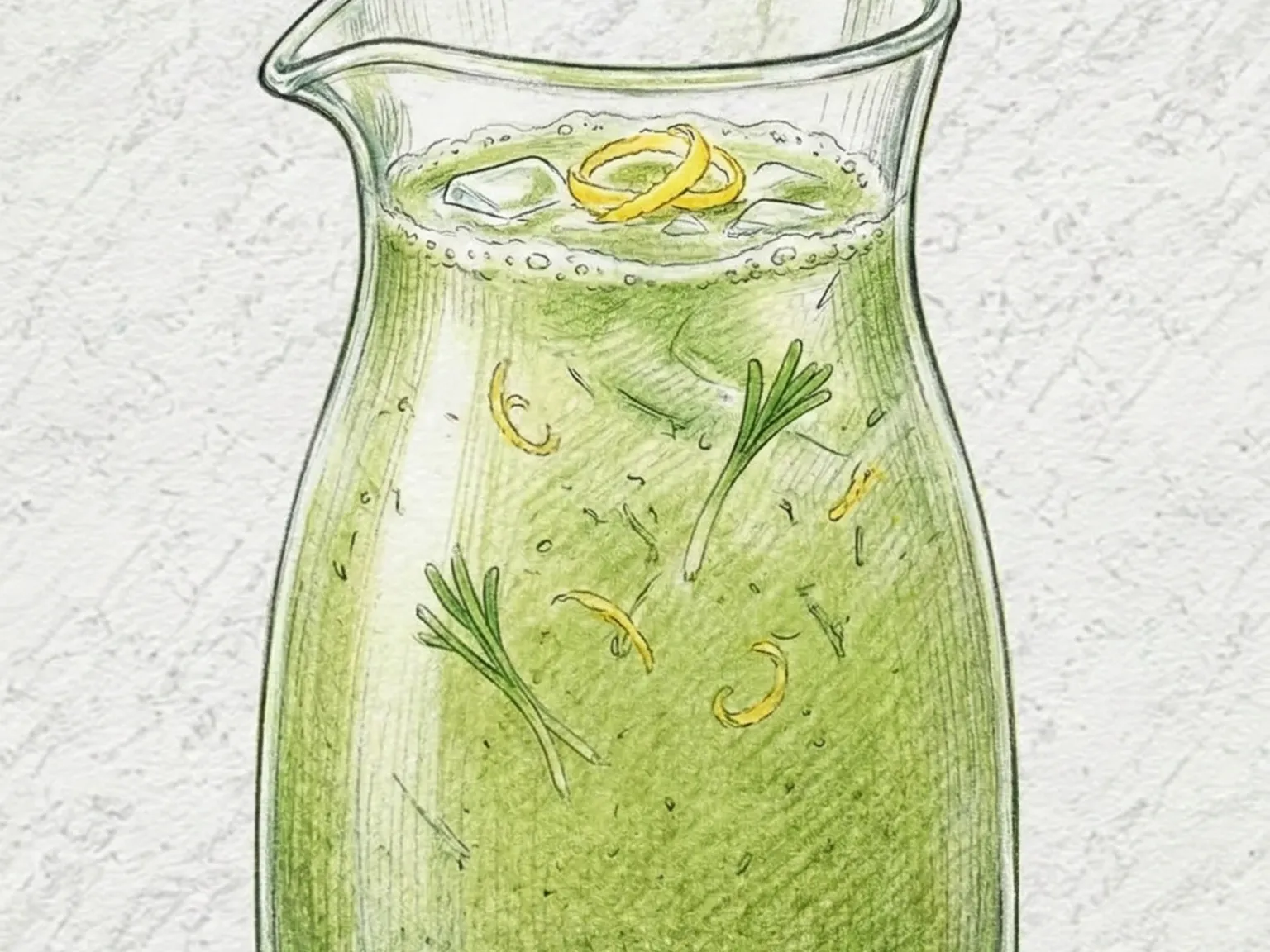
This barley sprout lemonade dissolves barley sprout powder into apple juice first - a deliberate step that prevents clumping and keeps the drink smooth throughout. Fresh lemon juice and oligosaccharide syrup are stirred in next to build a sweet-tart base before sparkling water is added slowly at the very end to preserve as much carbonation as possible. The grassy, vegetal quality of barley sprout powder is tempered by the mild natural sugar in the apple juice, and the lemon provides a clean acidity that sharpens the whole flavor. Oligosaccharide is used in place of refined sugar because its lower sweetness intensity lets the barley note stay present rather than being masked. The drink is best consumed within five minutes of assembly while the bubbles remain lively, and following the layering order keeps the green color vivid and distinct.
Korean Roasted Barley Tea
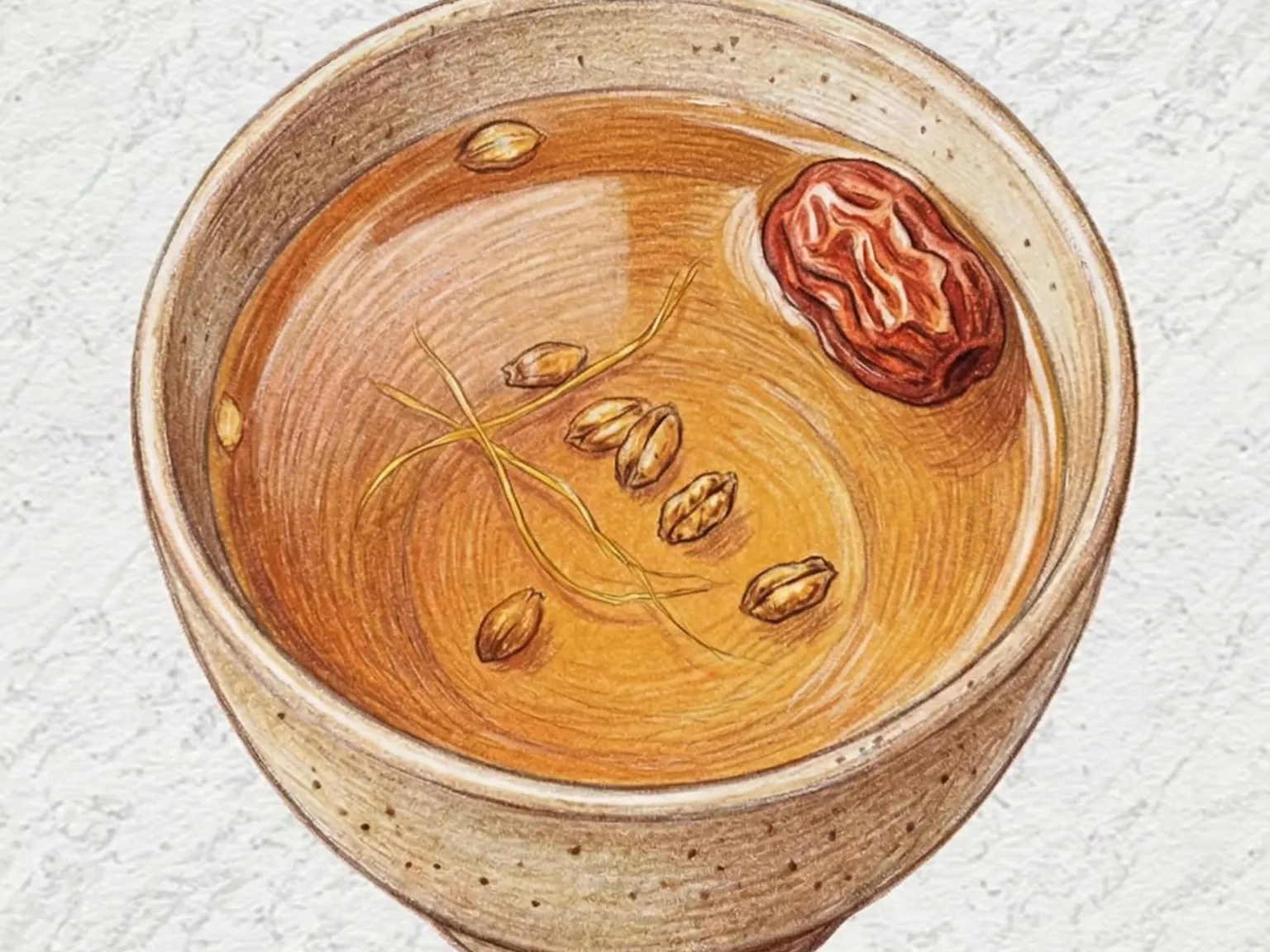
Boricha is the everyday caffeine-free barley tea that has been a fixture in Korean homes for generations, made by simmering roasted barley with corn silk and jujubes in a single pot over medium-low heat for fifteen minutes, then steeping off the heat for five minutes more. The roasted barley drives the flavor, producing a toasty, grain-forward depth that is distinctly savory without being heavy. Corn silk contributes a gentle, almost imperceptible natural sweetness, and halved jujubes add a faint dried-fruit undertone that softens the overall profile. A pinch of salt added during brewing rounds out the taste and prevents the tea from reading as flat. The finished tea works as well served hot in winter as it does chilled over ice in summer, and it functions as a neutral, palate-cleansing table drink throughout the year. Made in under twenty minutes with pantry staples.
Korean Melon Smoothie (Chamoe Korean Melon Yogurt Blend)
Chamoe smoothie blends peeled and seeded Korean melon flesh with plain yogurt, milk, honey, lemon juice, and a pinch of salt. The melon's clean, juicy sweetness meets the yogurt's tanginess to create a refreshing, well-rounded flavor, while the lemon brightens the finish and prevents the drink from tasting flat. The pinch of salt is a small but functional addition that amplifies sweetness across the whole glass. Ice goes in only at the final thirty seconds of blending - adding it earlier dilutes the flavor and produces a watery consistency. When the melon is particularly sweet, halving the honey maintains balance without masking the fruit's natural character. The smoothie should be poured immediately into a chilled glass so the fresh melon fragrance does not fade before serving.
Korean Green Tangerine Ade
Unripe green tangerines harvested in Jeju island contain higher acidity and a more pungent fragrance than fully matured citrus. Making the base syrup involves layering thin slices of the whole fruit with an equal amount of sugar and letting them macerate for at least twenty four hours. This process allows the essential oils from the skin to dissolve into the liquid, creating a complex aromatic profile. Adding a small amount of lemon juice and a pinch of salt to the syrup helps soften the sharp tartness of the green tangerines. When finishing the drink, pouring sparkling water slowly helps maintain the carbonation level. Placing lightly pressed mint leaves on top adds a cooling element to the acidic base. The prepared syrup stays fresh in the refrigerator for two to three weeks and works well as a hot tea when mixed with warm water. For a frozen alternative on hot days, the mixture can be frozen and scraped into a granita. Sweetness levels remain flexible as the amount of sugar can be adjusted depending on the tartness of the specific batch of fruit.
Korean Kudzu Root Tea (Earthy Herbal Root Brew)
Chik-cha is a traditional Korean tea made by soaking dried kudzu root in cold water to remove dust, then slowly simmering it with sliced ginger, scored jujubes, and a cinnamon stick for at least twenty-five minutes on low heat. The kudzu root releases an earthy, starchy depth that forms the tea's backbone, while ginger adds warm pungency and cinnamon contributes a sweet, woody spice layer. Honey is stirred in only after the heat is turned off to preserve its floral aroma, and longer simmering intensifies the kudzu's flavor. In traditional Korean medicine, kudzu root has long been used to address fever and thirst, and the tea was commonly brewed at the first sign of a cold. Straining out the solids and storing the tea in a thermos keeps it warm and drinkable throughout the day.
Korean Corn Cheese (Buttery Skillet Corn Mozzarella)
Korean corn cheese starts with drained canned corn tossed in mayonnaise, sugar, and black pepper, then sauteed with diced onion in butter before being spread flat in the pan and topped with a generous layer of mozzarella. The lid goes on over low heat until the cheese melts into a stretchy, golden sheet that locks the corn mixture underneath. A teaspoon of sugar pushes the corn's natural sweetness forward, and the fat from the mayonnaise blends with the cheese to produce a rich, creamy texture that coats every kernel. For a finished crust, broiling at 220 degrees Celsius for five minutes chars the surface and adds a toasty, slightly smoky layer on top. Sliced green onion or chopped parsley scattered over the finished dish cuts through the richness and adds a fresh note.
Korean Daechu Bam Shake (Jujube Chestnut Shake)
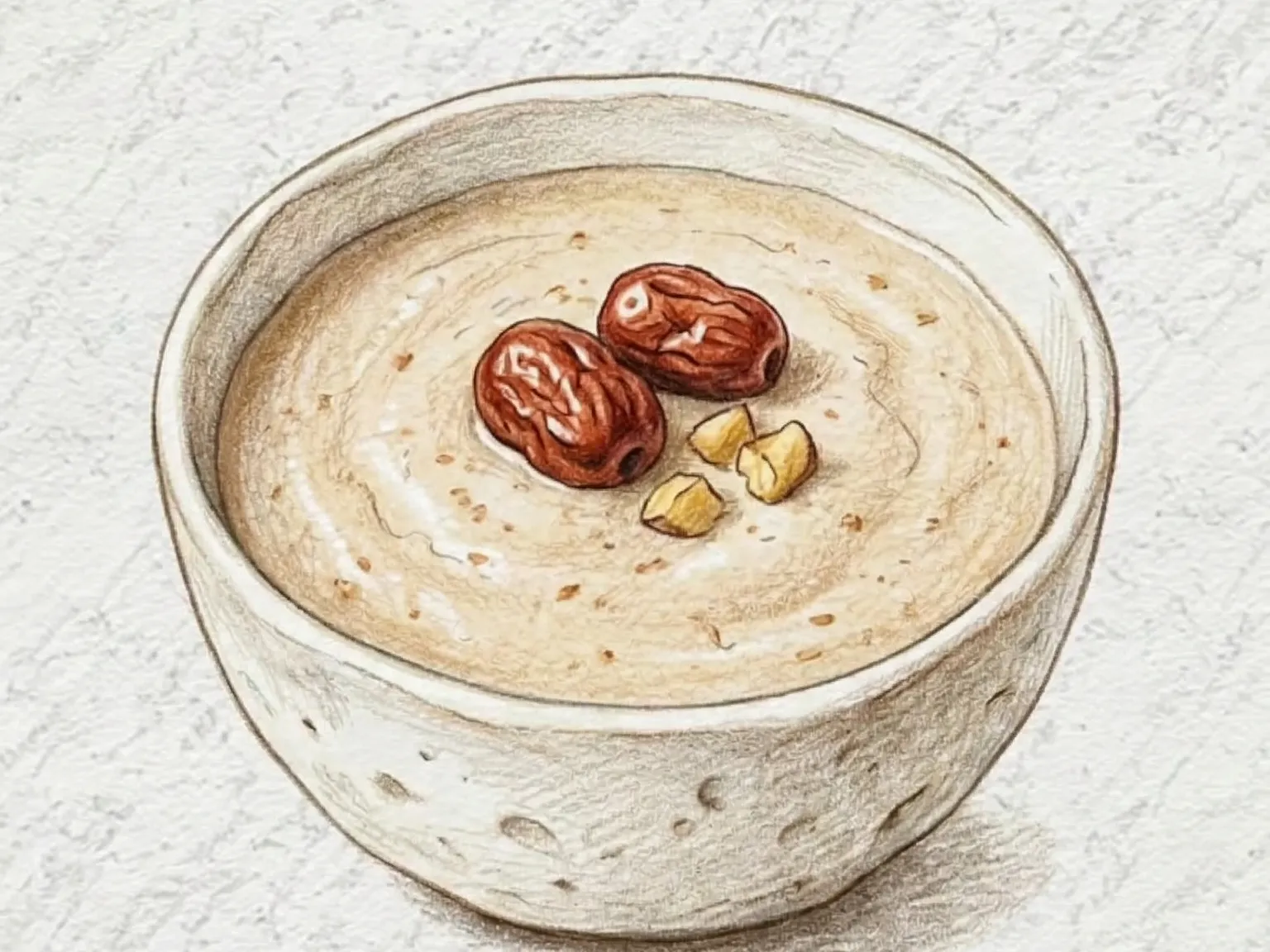
Daechu bam shake soaks pitted dried jujubes in warm milk for ten minutes before blending them with boiled chestnuts, plain yogurt, honey, and a pinch of ground cinnamon. The chestnuts contribute a starchy thickness that gives the drink a substantial, spoonable body, while the jujubes provide a concentrated, date-like sweetness that makes added sugar unnecessary. Passing the blended mixture through a fine sieve removes any coarse jujube skin for a smooth finish. The shake works cold straight from the fridge or gently warmed on the stove - either way, it makes a filling breakfast substitute or a satisfying mid-afternoon drink that skips the empty calories of commercial shakes.
About Drinks
A well-made drink rounds off a meal or makes a refreshing snack, while great anju elevates any gathering. Browse these recipes for ideas you can prepare at home with ease.