Korean Perilla Mushroom Hot Pot
Stews Easy

Korean Perilla Mushroom Hot Pot

Quick answer

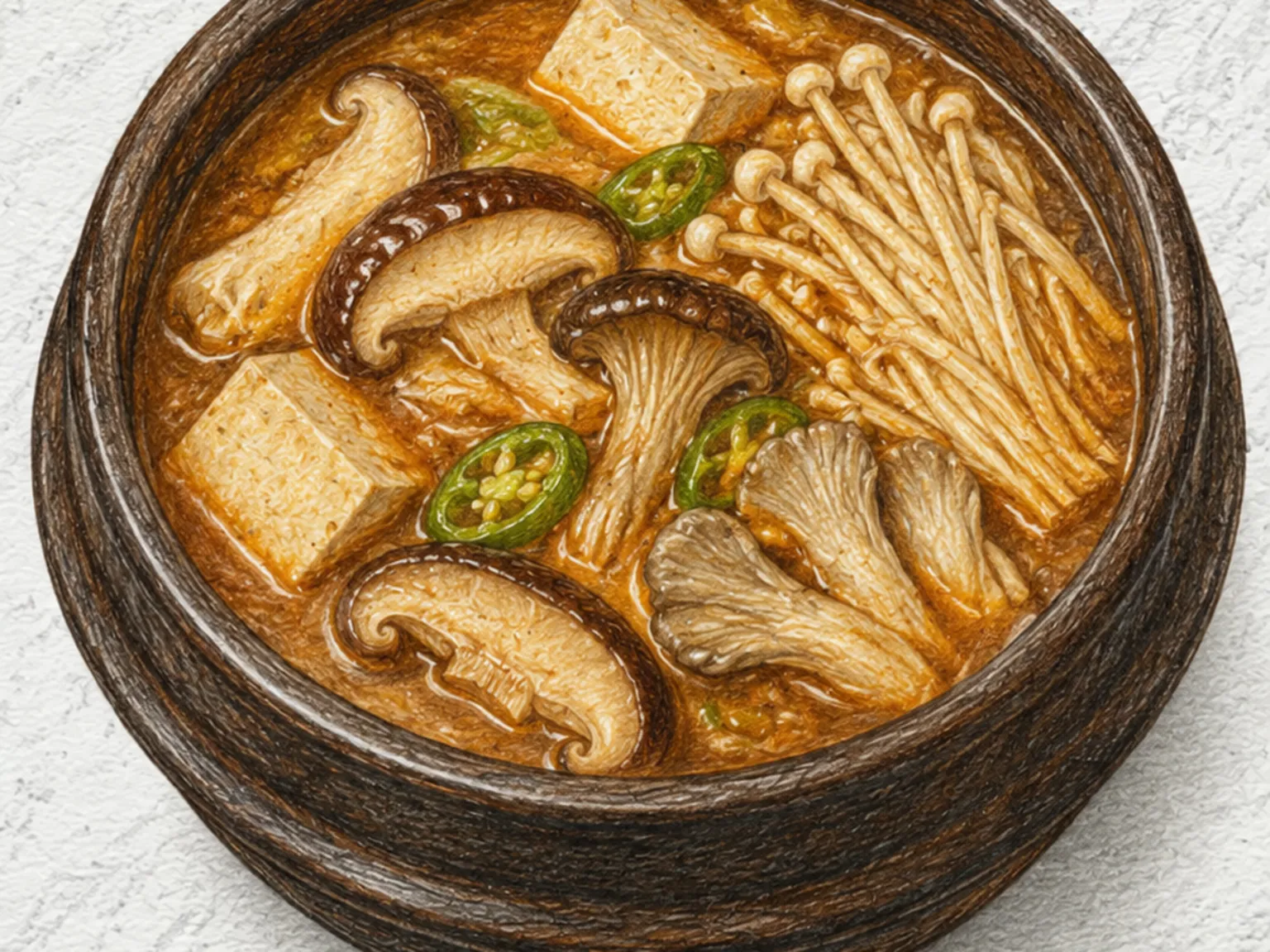
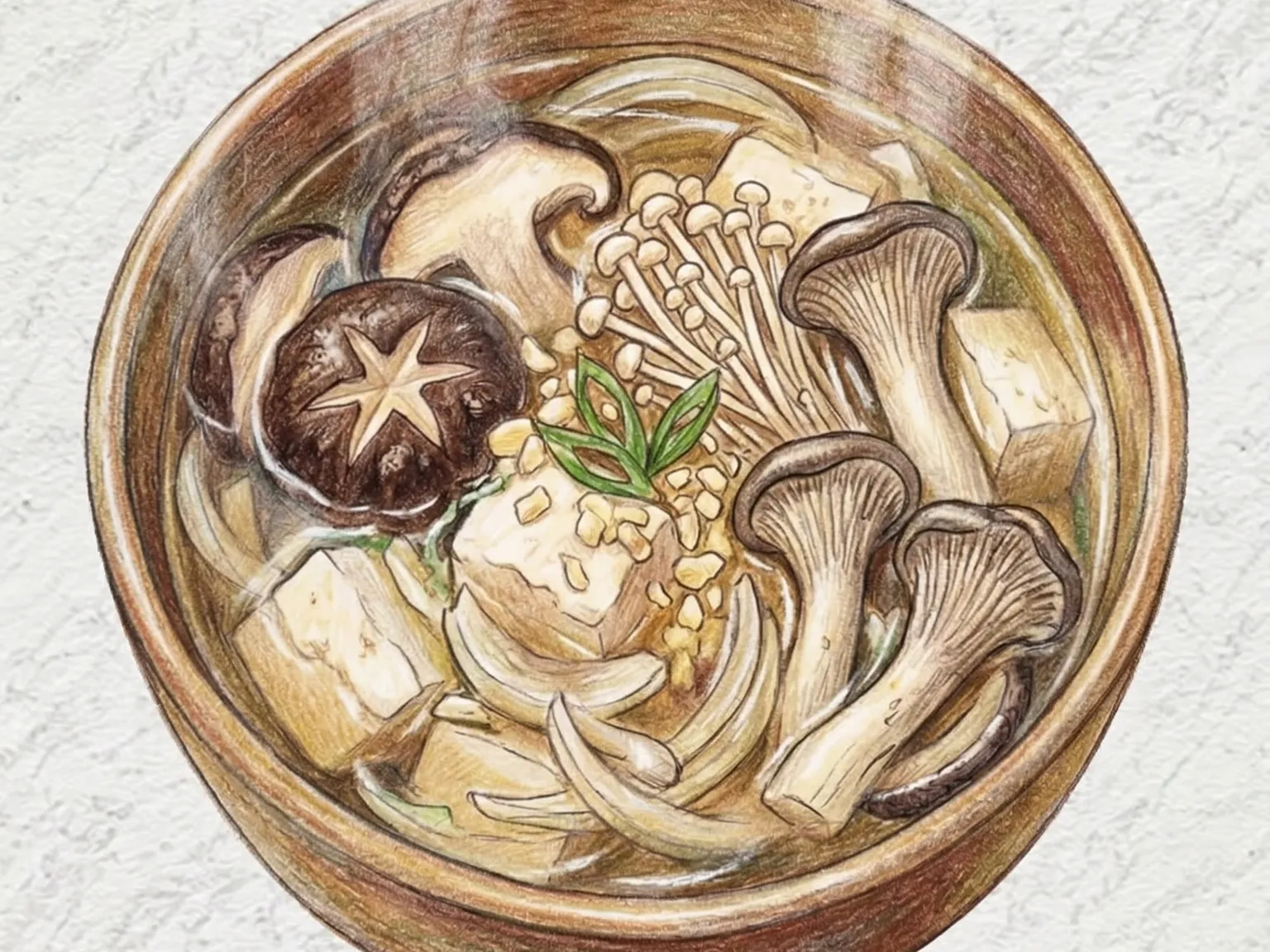
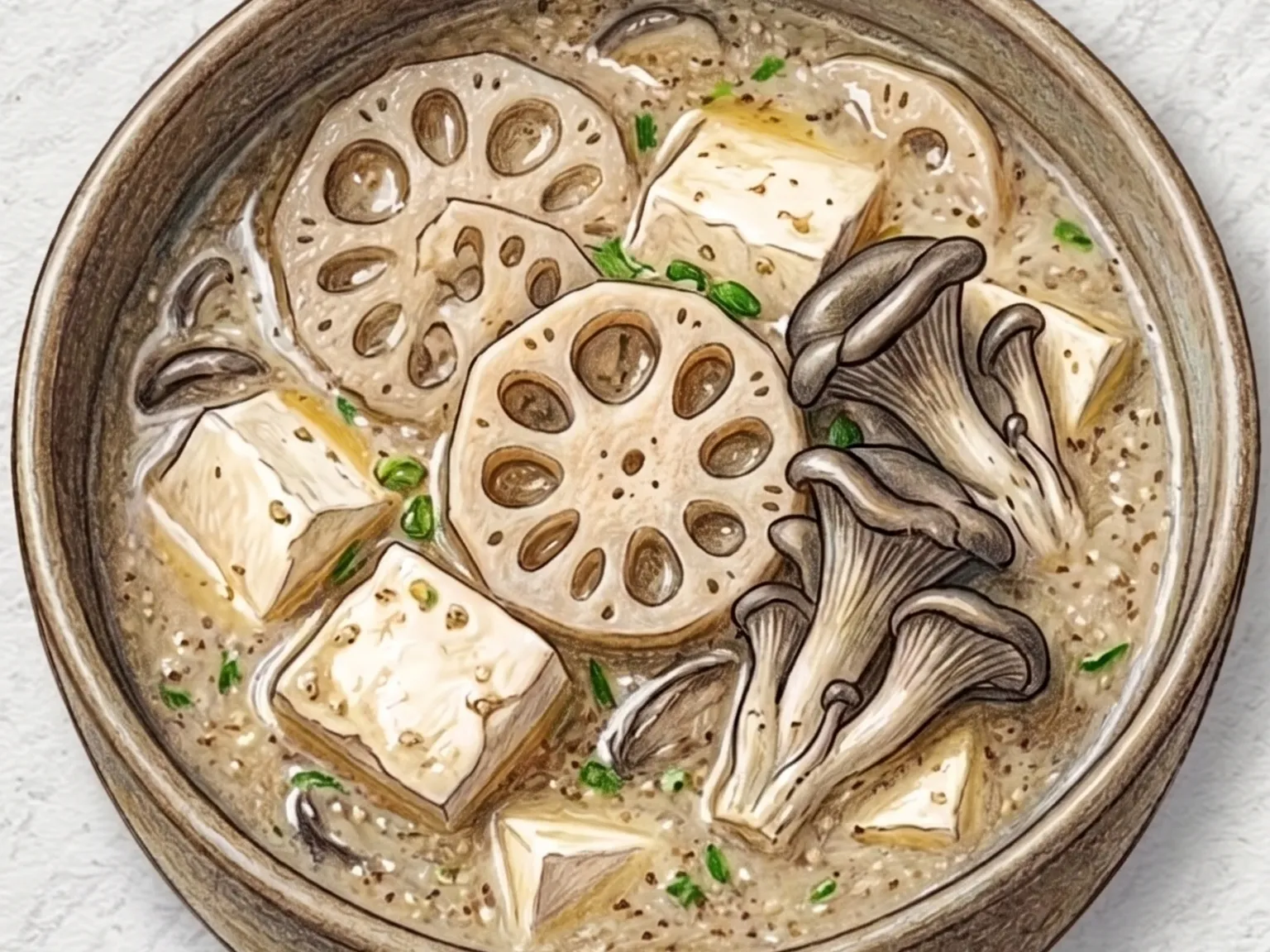
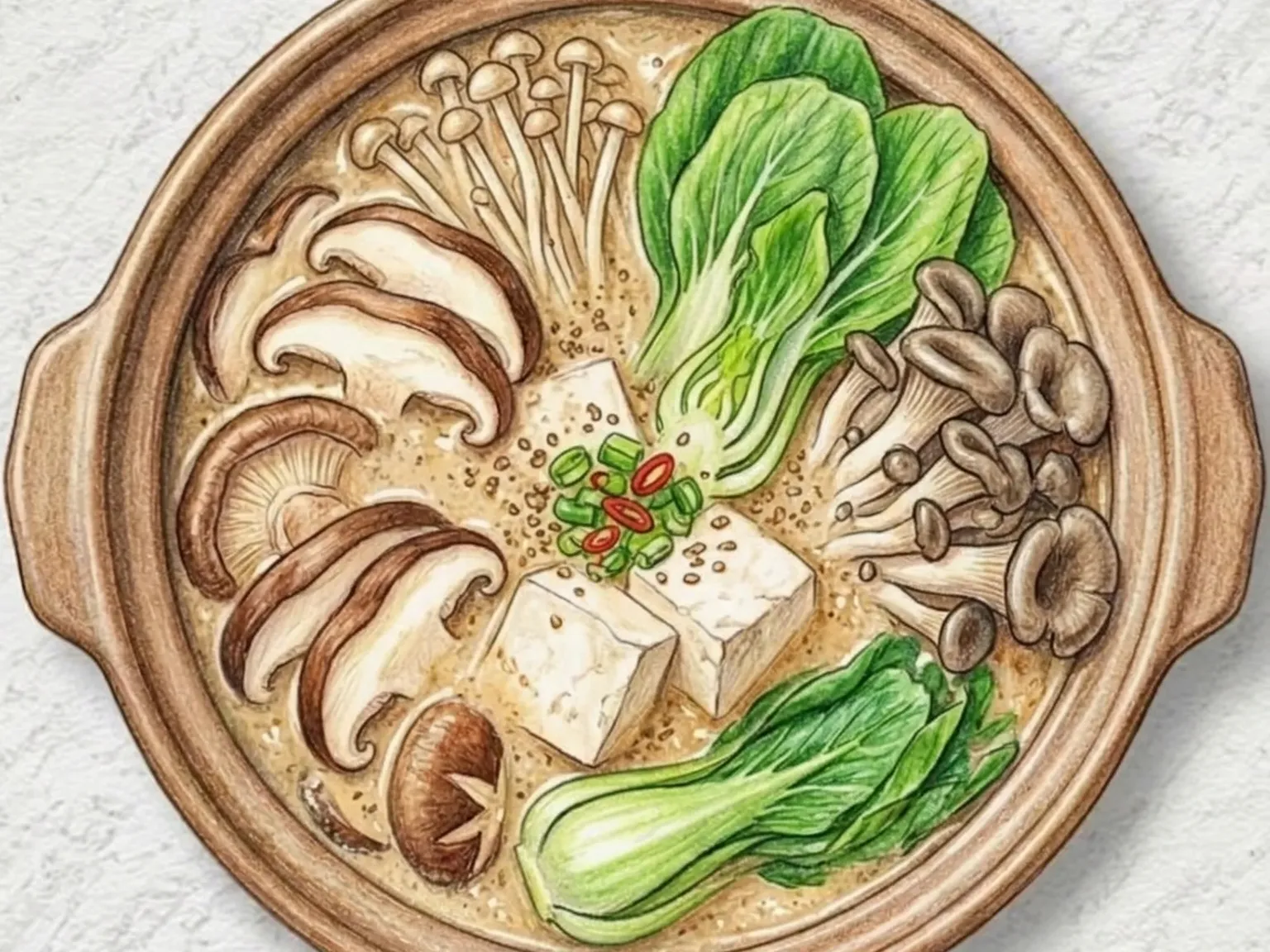
Korean perilla mushroom hot pot is a hearty vegetarian dish made with shiitake, oyster, and enoki mushrooms, tofu, and bok choy simmered in a light vegetable stock.

What makes this special

  • Ground perilla seeds add a nutty, thick body to this beoseot jeongol hot pot.
  • Perilla seed powder stirred in at the end thickens the broth with nutty richness
  • Vegetable-based hot pot; three mushroom varieties build umami without meat
Total time
33 min
Level
Easy
Servings
2 servings
Ingredients
9
Calories
320 kcal
Protein
18 g

Key ingredients

Shiitake mushroomsOyster mushroomsEnoki mushroomsTofuBok choy

Core cooking flow

  1. 1 Slice 100 g shiitake mushrooms into 0.5 cm pieces and tear 120 g oyster mush...
  2. 2 Split 100 g bok choy lengthwise so the stems and leaves stay connected.
  3. 3 Pour 800 ml vegetable stock into a hot pot or wide pot, then add 1 tbsp soup...

Korean perilla mushroom hot pot is a hearty vegetarian dish made with shiitake, oyster, and enoki mushrooms, tofu, and bok choy simmered in a light vegetable stock. The cooking process starts by boiling the vegetable stock seasoned with soup soy sauce and minced garlic. Shiitake and oyster mushrooms are added first to build a deep umami base. Tofu, enoki mushrooms, and bok choy are then arranged on top and simmered until the vegetables are tender. To finish, ground perilla seed powder is gently stirred into the broth at the very end, which prevents the soup from becoming gritty while releasing a rich, nutty aroma and creating a naturally thick texture. This hot pot delivers a satisfying combination of earthy mushrooms, soft tofu, and crisp bok choy, offering a comforting meatless meal.

Prep 15min Cook 18min 2 servings

Instructions

Read the steps as a cooking flow: prep, heat, seasoning, doneness control, and finish.

6 steps
  1. 1
    Prep

    Slice 100 g shiitake mushrooms into 0.5 cm pieces and tear 120 g oyster mushrooms into strips along the grain.

    Trim the enoki base, separate the clusters gently, and cut the tofu into sturdy 1.5 cm slices.

  2. 2
    Step

    Split 100 g bok choy lengthwise so the stems and leaves stay connected.

    Keep the mushrooms and tofu in separate piles before arranging the pot, which helps prevent the tofu from breaking while the broth comes together.

  3. 3
    Control

    Pour 800 ml vegetable stock into a hot pot or wide pot, then add 1 tbsp soup soy sauce and 0.5 tbsp minced garlic.

    Heat over high heat for about 4 minutes, until large bubbles reach the edges.

  4. 4
    Control

    Add the shiitake and oyster mushrooms first, then lower the heat to medium.

    Simmer for 5 minutes, pressing any floating pieces lightly under the broth, until the mushrooms soften and the liquid turns lightly brown.

  5. 5
    Control

    Arrange the tofu, enoki mushrooms, and bok choy neatly over the broth.

    Simmer over medium-low heat for 6 minutes, until the bok choy stems look slightly translucent and the tofu is hot through the center.

  6. 6
    Finish

    Reduce the heat to low and sprinkle in 2.5 tbsp perilla seed powder gradually, stirring the broth between additions so it does not clump. Simmer only 2 minutes, then serve as soon as the broth smells nutty and thickens lightly.

After the steps

Pick a recipe that fits this dish.

Continue with shared ingredients, meal pairings, or a similar method.

Recipes That Go Well With This

More Stews →

Based on shared ingredients and meal pairing

Korean Beoseot Jjigae (Mushroom Stew)
Shared ingredient: shiitake mushrooms Stews

Korean Beoseot Jjigae (Mushroom Stew)

Korean mushroom stew, or beoseot jjigae, is a clean and oil-free soup made by simmering three varieties of mushrooms with tofu and onions in a kelp-infused broth. The recipe uses oyster, shiitake, and enoki mushrooms to create layers of distinct textures and umami. Seasoned simply with soup soy sauce and minced garlic, the clear broth highlights the natural characteristics of the ingredients. The cooking process involves boiling sliced onions and garlic in kelp water first to build a sweet base, followed by adding the mushrooms. Oyster mushrooms are torn along the grain for a tender texture, shiitake mushrooms are sliced to provide bite, and enoki mushrooms are added during the final minute of cooking to maintain their crispness. Skimming the foam while boiling ensures the broth stays clear. It is a light, warming dish that serves as a gentle and easily digestible meal.

Korean Mushroom Perilla Soup
Shared ingredient: shiitake mushrooms Soups

Korean Mushroom Perilla Soup

Three types of mushrooms - oyster, shiitake, and king oyster - simmer together in an onion-based vegetable stock before ground perilla seeds are stirred in to thicken the broth into a nutty, substantial soup. Cooking the mushrooms and garlic for ten minutes in the stock allows each variety's distinct aroma to build in layers: the fibrous texture of oyster mushrooms, the deep earthiness of shiitake, and the firm, meaty bite of king oyster mushrooms all hold their character in the finished bowl. Cubed tofu is added partway through and gently absorbs the surrounding broth as it warms. Adding the perilla powder in small increments rather than all at once prevents clumping and produces a smooth, even consistency; pulling the pot off the heat at the right moment also stops the broth from separating as it cools. The vegetable stock base delivers a satisfying, full-bodied result without any animal ingredients.

Korean Ssamjang Hwe Deopbap
Serve together Rice

Korean Ssamjang Hwe Deopbap

This variation on hoe-deopbap replaces the standard cho-gochujang with a dressing of ssamjang mixed with vinegar and sesame oil, shifting the dominant flavor away from sweet heat and toward fermented bean depth. The doenjang component in ssamjang works against the rawness of the fish rather than masking it with chili, producing a rounded, earthy complexity that deepens with each bite. Vinegar cuts through ssamjang's thick, pungent weight and introduces a clean acidity that keeps the overall flavor from feeling heavy. Flounder sashimi is cut into bite-sized pieces and kept refrigerated, while the rice is served at room temperature so the two elements neither clash nor blend into an indistinct warmth. Julienned carrot and perilla leaves provide a crisp, juicy resistance that contrasts directly with the chewy elasticity of the fish. Dressing the vegetables in advance draws out moisture that would soften the rice, so all the components are placed in the bowl separately and tossed together only at the moment of eating to preserve every texture.

Korean Wild Mushroom Hot Pot
Similar recipe Stews

Korean Wild Mushroom Hot Pot

This Korean hot pot features earthy neungi mushrooms simmered with shiitake and oyster mushrooms, napa cabbage, and tofu. Neungi mushrooms contribute an intense, woody aroma that builds a deep broth without any meat. The soaking liquid from the neungi mushrooms is reused as the broth base to concentrate the fragrance. Napa cabbage and tofu slices are arranged at the bottom of the pot to support the hand-torn mushrooms. The stew is seasoned with soup soy sauce, minced garlic, and black pepper, then simmered for twelve to fifteen minutes over medium heat. This cooking time allows the earthy flavors to meld while keeping the mushrooms tender. Serving the hot pot immediately after the broth darkens prevents the ingredients from becoming chewy. The layered textures of three distinct mushroom varieties form the core flavor experience.

Serve with this

Korean Lotus Root Pancakes
Side dishes Medium

Korean Lotus Root Pancakes

Lotus root is sliced into rounds and coated in a light batter of buchim flour and egg before being pan-fried until golden on both sides. The root's characteristic perforations show through the thin batter, creating a lace-like appearance on each piece that makes this jeon visually distinctive. Biting through the crisp exterior reveals the lotus root's dual texture: an initial crunch from the starchy flesh followed by a slightly sticky chew that clings pleasantly to the teeth. Slicing to a thickness of five to six millimeters strikes the right balance between maintaining the crunch and ensuring the center cooks through. The egg-enriched batter adheres evenly to the root's smooth surface and sets immediately upon contact with hot oil, sealing in moisture. Minimal salt in the batter allows the lotus root's faint natural sweetness to emerge, and a dipping sauce of soy sauce and vinegar provides the acidity needed to cut through the fried exterior's richness. Commonly served during Korean holidays, this jeon is simple enough for everyday cooking as well.

🏠 Everyday 🍱 Lunchbox
Prep 15min Cook 12min 4 servings
Korean Salted Yellow Croaker Jeotgal
Kimchi Hard

Korean Salted Yellow Croaker Jeotgal

Jogi jeotgal is a Korean salted and fermented yellow croaker made by gutting the fish, layering it in coarse sea salt for an initial multi-day cure in the refrigerator, then folding in gochugaru, garlic, ginger, and rice wine for a second stage of aging. Over the extended fermentation, fish protein breaks down into a concentrated savory depth that bears no resemblance to the raw ingredient, while the sea salt continuously draws out moisture and causes the flesh to contract and firm. Gochugaru and ginger suppress the fermentation smell and add a mild heat and aromatic warmth, while rice wine smooths out the sharp, rough edges that develop early in the process. The finished jeotgal is used in small amounts, placed over rice or added to kimchi jjigae as a flavor amplifier, a condiment that delivers significant depth from a very small quantity.

🎉 Special Occasion 🍱 Lunchbox
Prep 35min 4 servings
Korean Chive Clam Jeon (Garlic Chive and Clam Seafood Pancake)
Pancakes Medium

Korean Chive Clam Jeon (Garlic Chive and Clam Seafood Pancake)

Buchu-bajirak-jeon is a seafood pancake of garlic chives and clam meat, pan-fried in a batter made with a mix of all-purpose pancake flour and rice flour. The rice flour addition increases the chew and gives the finished jeon a slightly more resilient texture than plain flour batters. Clam meat releases a briny, oceanic liquid as it cooks that seeps into the batter and flavors it throughout, while the chives add a sharp, grassy counterpoint. Minced garlic and diagonally sliced cheongyang chili worked into the batter suppress any fishiness and build a layered fragrance. A generous amount of oil in the pan over medium heat produces edges that crisp and brown like the outside of a fritter. Waiting until the bottom is fully set before flipping prevents the pancake from tearing. Served with soy dipping sauce or a seasoned soy mixture, the clean salinity of the clams comes through clearly.

🍺 Bar Snacks 🏠 Everyday
Prep 25min Cook 15min 4 servings

Similar recipes

Korean Fish Cake Hot Pot (Skewered Fish Cakes in Clear Broth)
Stews Easy

Korean Fish Cake Hot Pot (Skewered Fish Cakes in Clear Broth)

Eomuk jeongol is a Korean fish cake hot pot simmered in a clear broth built on dried kelp and anchovy stock. Large pieces of Korean radish cook alongside the fish cakes, releasing their natural sweetness into the liquid and keeping the broth light and refreshing as it reduces. Shiitake mushrooms add earthy umami depth, and using soup soy sauce alone for seasoning keeps the understated savory character of the fish cakes front and center. Cheongyang chili brings a sharp heat, and sliced green onion layers in a gentle sweetness as it softens in the bubbling pot. Fish cakes that spend more time in the broth turn silky and absorb the surrounding flavors, growing more flavorful with each passing minute. Using several shapes and thicknesses of fish cake side by side gives the pot different textures that makes eating it more interesting. The hot pot captures the warmth of street-stall eomuk-tang and brings it to the dinner table as a shared dish on cold days.

🏠 Everyday 🎉 Special Occasion
Prep 20min Cook 25min 4 servings
Korean Octopus and Tofu Hot Pot
Stews Medium

Korean Octopus and Tofu Hot Pot

This Korean hot pot features fresh octopus and soft tofu cooked in a clear, savory anchovy broth. The preparation starts by simmering thinly sliced Korean radish in the broth for eight minutes to extract a natural sweetness and refreshing depth. After seasoning the base lightly with soup soy sauce and minced garlic, the sliced tofu and cleaned octopus are added to cook for five minutes. Precise timing is essential, as the octopus must only simmer until its legs curl and turn opaque to prevent the flesh from becoming tough. To finish, fresh water dropwort and green onion are placed on top and simmered for another three minutes. The water dropwort adds a bright herbal aroma that neutralizes any seafood odor while providing a crisp texture. This dish is served hot at the table, allowing diners to enjoy the tender octopus and clean broth together.

🎉 Special Occasion 🥗 Light & Healthy
Prep 25min Cook 18min 4 servings
Korean Clear Mushroom Tofu Soup
Soups Easy

Korean Clear Mushroom Tofu Soup

This clear Korean soup draws its umami from oyster and shiitake mushrooms simmered in plain water for four minutes, seasoned with only soup soy sauce and salt to keep the broth light and direct. Two varieties of mushrooms working together - oyster for soft texture, shiitake for depth - produce a broth that holds its own without meat. Cubed tofu goes in near the end so the pieces stay intact, and chopped green onion finishes the bowl with a clean, mild sharpness. At 155 calories per serving, the dish is genuinely low-calorie without sacrificing the layered, savory quality that makes it worth returning to.

🥗 Light & Healthy 🏠 Everyday
Prep 10min Cook 12min 2 servings

Tips

Add perilla powder at the end for nutty flavor without grittiness.

Nutrition (per serving)

Calories
320
kcal
Protein
18
g
Carbs
20
g
Fat
20
g