Charim

2686 Korean & World Recipes

2686+ Korean recipes, clean and organized. Ingredients to instructions, all at a glance.

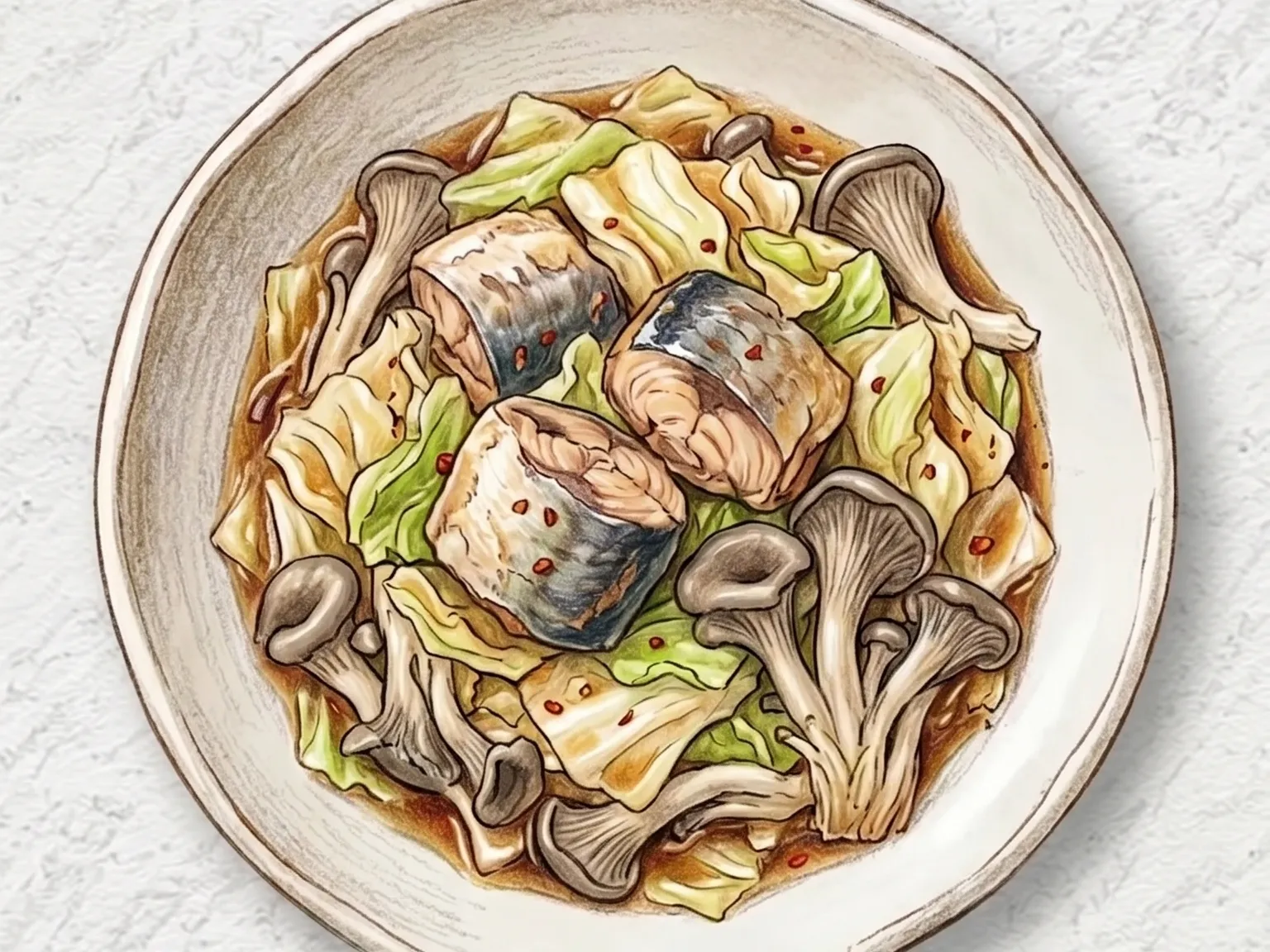
Korean Mushroom and Saury Soy Stir-fry
Stir-fry Medium

Korean Mushroom and Saury Soy Stir-fry

Drained canned saury is gently folded into a stir-fry of oyster mushrooms and cabbage seasoned with soy sauce, chili flakes, and a touch of sugar. Because the canned fish is already cooked through and its bones are softened, it needs only brief contact with the pan; adding it last and stirring gently preserves the chunks intact. Moisture released by the mushrooms mixes with the seasonings to form a natural sauce, and the cabbage contributes a gentle sweetness that tempers the concentrated fish umami. A squeeze of lemon juice at the very end lifts the dish, neutralizing any lingering fishiness and brightening the overall flavor. The entire cook comes together in under fifteen minutes, making it a practical weeknight side that delivers substantial protein from a single can of pantry staple.

Prep 13min Cook 12min 2 servings

Adjust Servings

2servings
servings

Instructions

  1. 1

    Drain canned saury and remove large bones.

  2. 2

    Tear oyster mushrooms, shred cabbage, and chop green onion.

  3. 3

    Heat oil and sauté green onion and garlic until fragrant.

  4. 4

    Add mushrooms and cabbage and stir-fry until moisture reduces slightly.

  5. 5

    Add saury with soy sauce, chili flakes, and sugar, mixing gently to keep chunks intact.

  6. 6

    Cook for 2 minutes on medium heat, then add lemon juice and turn off heat.

🛒Shop Ingredients on Amazon

As an Amazon Associate, we may earn from qualifying purchases.

Tips

Add saury later to prevent it from breaking apart.
A little lemon juice brightens and cleans up fish aroma.

Nutrition (per serving)

Calories
338
kcal
Protein
24
g
Carbs
14
g
Fat
19
g

More Recipes

Korean Beef and Pimpinella Stir-fry
Stir-fryEasy

Korean Beef and Pimpinella Stir-fry

Beef sliced thin for bulgogi is marinated in soy sauce, cooking wine, minced garlic, and black pepper for ten minutes, then spread in a single layer across a hot pan so every piece browns without steaming. Crowding the pan drops the temperature and causes the meat to stew in its own liquid rather than sear. Sliced onion goes in next for two minutes to coax out its sweetness, followed by chamnamul, a Korean wild green with a distinctive herbal fragrance that sits somewhere between celery leaf and parsley. The chamnamul needs only forty seconds in the pan; any longer and the stems lose their snap while the leaves go limp and the aroma dissipates. Sesame oil stirred in after the heat is off wraps every piece in a smooth richness, and whole sesame seeds burst with a small pop of nutty oil when bitten. At 365 calories and 30 grams of protein, this is a nutrient-dense plate where the bright, almost grassy scent of the spring greens keeps the beefy weight from feeling heavy.

🏠 Everyday🍱 Lunchbox
Prep 15minCook 10min2 servings
Korean Aseuparageoseu Dak Ganjang Bokkeum (Asparagus Soy Chicken Stir-fry)
Stir-fryEasy

Korean Aseuparageoseu Dak Ganjang Bokkeum (Asparagus Soy Chicken Stir-fry)

This Korean stir-fry marries chicken tenderloin with asparagus in a soy-based glaze - a modern home-cooking creation that balances lean protein with a vegetable that arrived in Korean kitchens only in the last few decades. The chicken is sliced thin against the grain and marinated briefly in soy sauce, garlic, and sesame oil so it stays moist during the fast stir-fry. Asparagus is cut on a sharp diagonal to expose maximum surface area for the sauce to cling to, and its woody ends are snapped off rather than cut. High heat is essential: the chicken sears quickly without releasing moisture, and the asparagus retains its bright green color and crisp snap. A finishing glaze of soy sauce, sugar, and oyster sauce caramelizes lightly in the pan, coating both ingredients in a thin, glossy layer. The dish is deliberately light - clean soy saltiness and vegetal freshness without the heaviness of a gochujang-based sauce.

🏠 Everyday🍱 Lunchbox
Prep 12minCook 9min2 servings
Korean Pork and Asparagus Stir-fry
Stir-fryEasy

Korean Pork and Asparagus Stir-fry

A Korean weeknight stir-fry that pairs pork shoulder or belly with asparagus and red bell pepper in a soy-garlic sauce. The pork is sliced thin and marinated in soy sauce, minced garlic, and a pinch of sugar to coax out caramelization on the hot pan. Cooking the meat first over high heat renders out its fat, which becomes the medium for stir-frying the vegetables. Asparagus goes in next for barely a minute - just enough to turn its raw starchiness into a clean, grassy snap. Bell pepper adds pops of natural sweetness and color contrast. The sauce is restrained: soy, a touch of oyster sauce, and sesame oil, keeping the focus on the interplay between the pork's umami depth and the vegetables' brightness. The entire cook from cold pan to finished plate takes under twelve minutes, making it one of the fastest protein-and-vegetable banchan in the Korean home repertoire.

🏠 Everyday🍱 Lunchbox
Prep 12minCook 10min2 servings
Korean Mushroom Perilla Seed Stir-Fry
Stir-fryEasy

Korean Mushroom Perilla Seed Stir-Fry

Three varieties of mushroom, shiitake, enoki, and oyster, are stir-fried on high heat until their moisture evaporates, then coated in ground perilla seed powder that releases a wave of nutty fragrance the moment it hits the hot pan. Each mushroom contributes a distinct texture: shiitake offers a firm chew, enoki brings delicate strands, and oyster adds thick, meaty bites. The perilla powder should be added only in the final minute of cooking; longer exposure to heat turns its oils acrid rather than aromatic. Soy sauce and a pinch of salt adjust the seasoning, while a finishing drizzle of sesame oil rounds off the dish with a gentle richness. At around 90 calories per serving, it works as an everyday side without weighing down the meal, and the unsaturated fats in perilla seeds add nutritional value beyond what the low calorie count might suggest.

🏠 Everyday🌙 Late Night
Prep 10minCook 10min4 servings
Korean Stir-fried Potato and Shrimp
Side dishesMedium

Korean Stir-fried Potato and Shrimp

Gamja-saeu-bokkeum pairs julienned potatoes with shell-on medium shrimp in a clean, garlic-forward stir-fry. The potatoes are soaked in cold water first to remove surface starch - skipping this step leads to clumping in the pan. Garlic sizzles in oil to build an aromatic base before the shrimp go in, cooking until half-done so their natural sweetness transfers to the potato strips when combined. Seasoned with nothing more than salt, pepper, and a finish of sesame oil, this banchan lets the contrast between the potato's floury bite and the shrimp's springy snap carry the dish.

🏠 Everyday🍱 Lunchbox
Prep 15minCook 10min4 servings
Korean King Oyster Mushroom Stir-fry with Perilla
Side dishesEasy

Korean King Oyster Mushroom Stir-fry with Perilla

This stir-fry combines 250 grams of julienned king oyster mushrooms with onion, cooked rapidly over high heat in a blend of perilla oil and cooking oil to prevent the mushrooms from releasing too much water. Garlic is sauteed for 20 seconds first to infuse the oil, followed by onion for one minute to draw out its natural sweetness. The mushrooms then go in for a quick two-minute toss before soup soy sauce and a splash of water are added to create a light braising liquid. One and a half tablespoons of ground perilla seeds are stirred in during the final minute, thickening the sauce into a creamy coating without becoming pasty. Scallion is added off heat for a finishing touch of color and freshness.

🏠 Everyday🍱 Lunchbox
Prep 10minCook 8min2 servings
More Stir-fry →