Korean Soy Pulp Stew (Okara with Aged Kimchi and Pork)
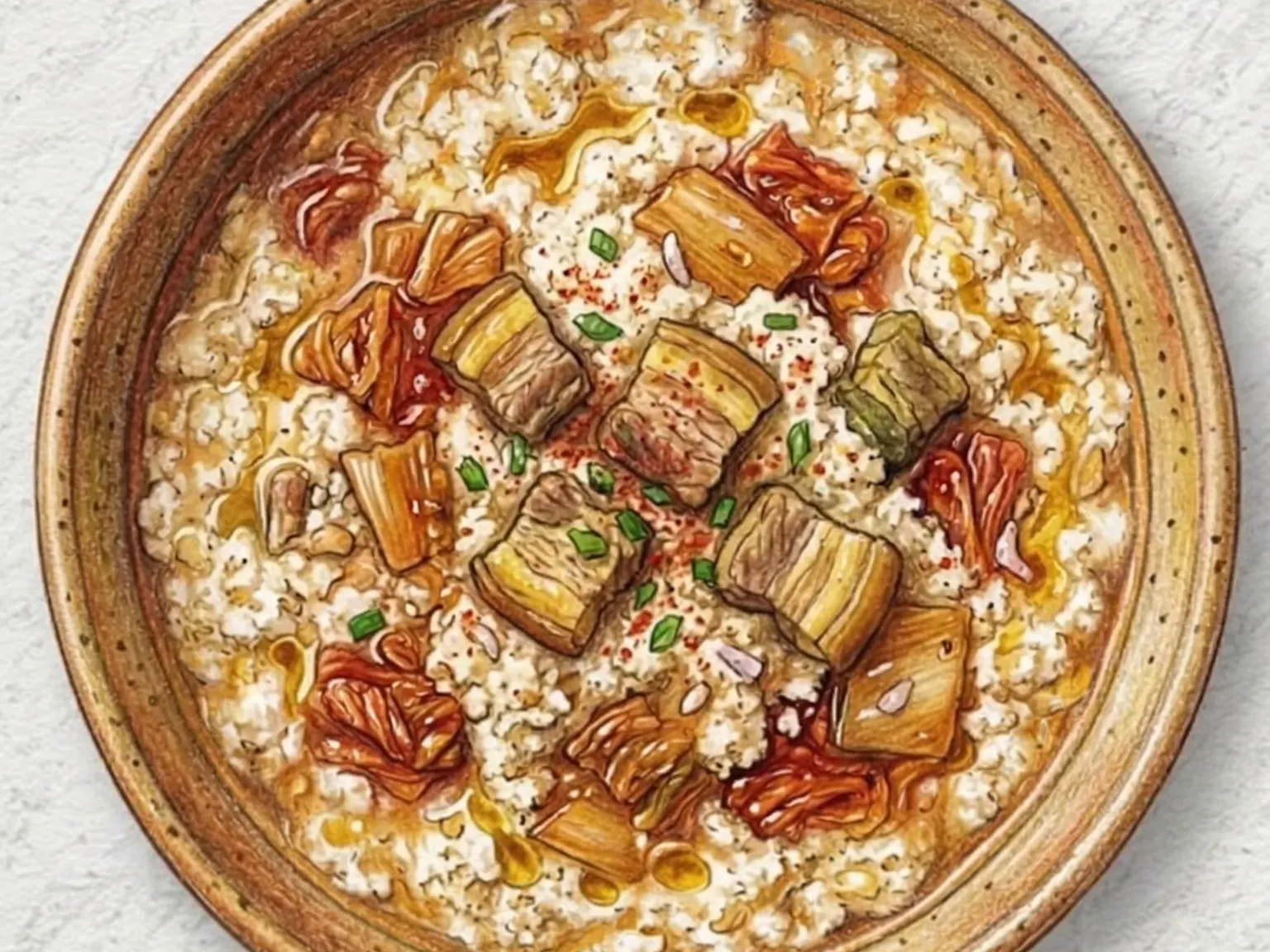
Biji jjigae is a stew made from soy pulp - the byproduct of tofu making - cooked with well-fermented aged kimchi and pork. The soy pulp gives the broth a thick, porridge-like consistency with a nutty undertone, while salted shrimp and perilla oil layer in depth. The tangy kimchi and rendered pork fat meld into the grainy texture, creating a hearty bowl that has been a staple of Korean home cooking for generations.
Adjust Servings
Instructions
- 1
Heat perilla oil and stir-fry pork with garlic for 2 minutes.
- 2
Add kimchi and onion and cook 3 more minutes for aroma.
- 3
Add water and soy pulp, stirring well as it heats.
- 4
Simmer for 10 minutes on medium-low, stirring to prevent sticking.
- 5
Season with salted shrimp and simmer 2 more minutes.
As an Amazon Associate, we may earn from qualifying purchases.
Tips
Nutrition (per serving)
More Recipes

Kongbiji-tang (Soybean Pulp Kimchi Pork Soup)
Kongbiji-tang is a thick, porridge-like Korean soup made from ground soybean pulp-the byproduct of tofu production-simmered with pork and aged kimchi. The soy pulp gives the broth a creamy, almost grainy body and a pronounced nuttiness that coats the palate. Minced pork renders its fat into the liquid, adding a meaty richness, while the kimchi contributes a sharp acidity that cuts through the heaviness and keeps the flavor lively. Anchovy stock serves as the liquid base, layering an additional umami dimension beneath the soy and pork. The soup is seasoned with soup soy sauce, garlic, and finished with a swirl of sesame oil. It is a winter staple in Korean households, prized for its warmth and substance. The thick texture means it clings to rice rather than flowing around it, making each bite dense with flavor.

Korean Kimchi Jjigae (Kimchi Stew)
Kimchi jjigae is the quintessential Korean home-cooked stew, built on well-fermented kimchi and pork belly simmered together until the flavors fully meld. The kimchi's sharp acidity breaks down the richness of the pork fat, producing a broth that is simultaneously tangy, spicy, and deeply savory. A spoonful of doenjang adds another layer of fermented complexity, while tofu blocks absorb the fiery liquid. Finished with a drizzle of sesame oil, it is the definitive comfort food served with steamed rice.

Korean Pork Kimchi Stew (Fermented Kimchi & Pork Shoulder)
Pork kimchi jjigae is one of the most beloved home-cooked Korean stews, built on aged kimchi and pork shoulder. The marbled fat from the pork shoulder melts into the broth, balancing the kimchi's sharp acidity with richness. Tofu and onion bulk up the pot, while soup soy sauce and chili flakes season the liquid. The riper and more sour the kimchi, the better this stew tastes - it is the ideal use for old kimchi.

Korean Gangwon-Style Soybean Paste Stew
This Gangwon Province-style doenjang jjigae is defined by its generous use of potatoes - 300 grams - which break down during cooking and give the broth a thick, starchy body. Three tablespoons of doenjang dissolved in 1.1 liters of anchovy broth create a robust base. Oyster mushrooms contribute a chewy texture, while zucchini, onion, and tofu round out this substantial one-pot meal. It reflects the hearty mountain cooking traditions of Korea's Gangwon region.

Korean Young Radish Kimchi Stew
This kimchi jjigae uses chonggak kimchi - small, whole ponytail radishes fermented in chili paste - instead of the usual napa cabbage kimchi. The radish pieces retain a crisp, crunchy bite even after simmering, giving the stew a texture that sets it apart. Pork shoulder and a generous pour of kimchi brine build a robust, tangy broth, with tofu added to balance the bold flavors.

Soybean Paste Stew with Clams
Korea's most comforting one-pot stew -- briny clams pop open in a bubbling doenjang broth, releasing their salty liquor into fermented soybean paste for a flavor no other stew can match. Manila clams are purged of sand, then added to a pot of doenjang-laced broth where they pop open and surrender their salty liquor into the soup, transforming the base from merely savory to sea-tinged and complex. Zucchini softens in the bubbling liquid and contributes a natural sweetness, while blocks of tofu act as sponges, soaking up the broth and bursting with hot, flavorful liquid when bitten. Sliced cheongyang chili peppers are stirred in to cut through the heaviness of the fermented paste and lift the overall flavor. The stew is served bubbling in an earthenware pot alongside rice - many Koreans spoon the broth directly over their bowl - and adapts to any season: light with summer vegetables from the refrigerator, or piping hot in a stone pot during winter.