Brown Sugar Cinnamon Rolls
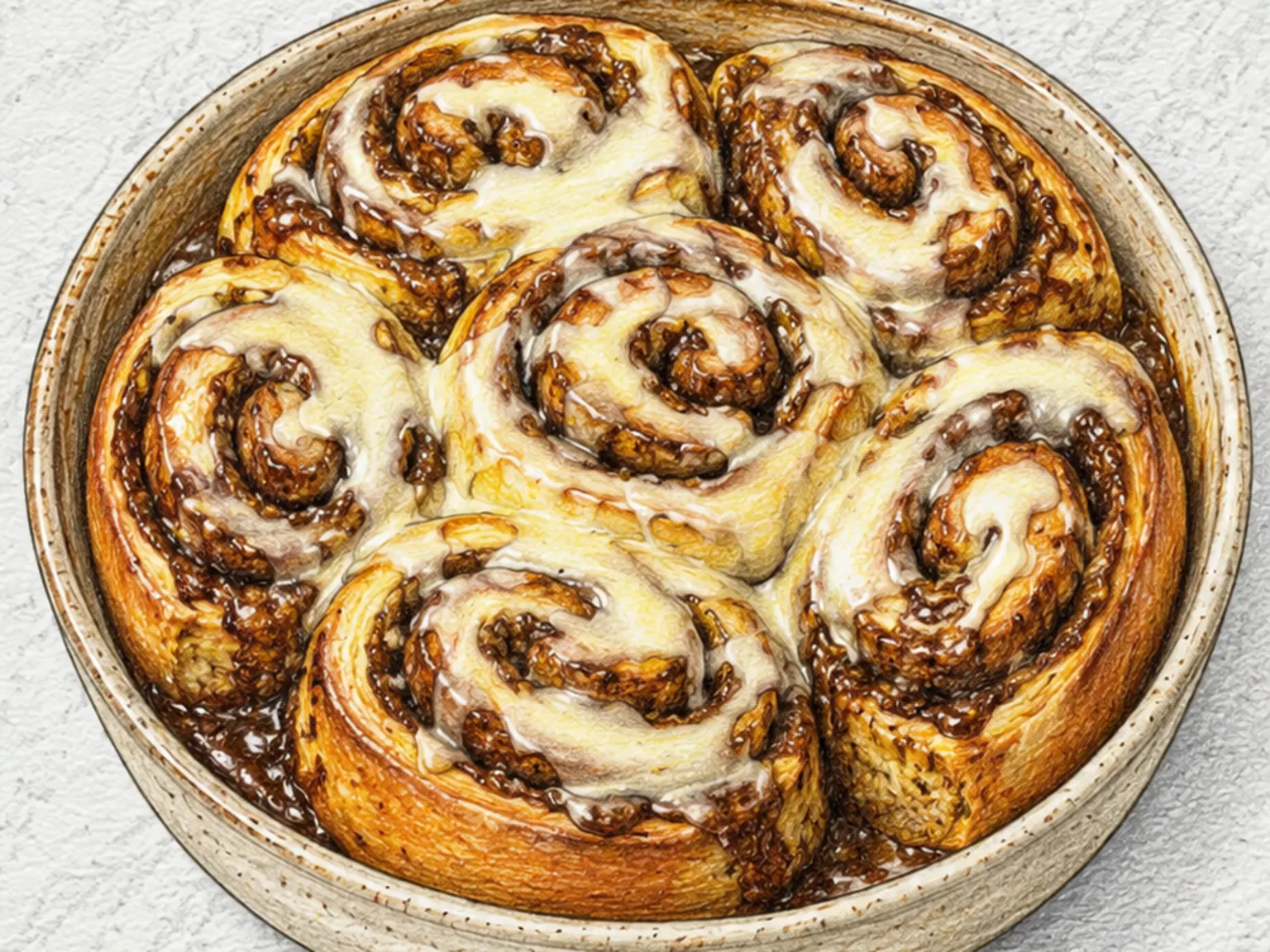
Brown sugar replaces white sugar in the filling of these cinnamon rolls, adding a molasses-like depth that elevates the pastry beyond the standard version. The yeast dough, enriched with milk, egg, and butter, rises into a soft and elastic sheet that rolls easily around the dark sugar and cinnamon filling. During baking, the brown sugar melts into a sticky caramel that clings to the spiraled layers. The resulting rolls are darker in color and richer in flavor, with a mineral sweetness that white sugar cannot provide. Cinnamon warmth permeates every layer from edge to center. A cream cheese glaze drizzled over the hot rolls introduces a tangy counterpoint that prevents the sweetness from becoming one-dimensional.
Adjust Servings
Instructions
- 1
Activate yeast in lukewarm milk with sugar for 5 minutes.
- 2
Add flour, egg, and 40 g melted butter; knead 10 minutes until smooth.
- 3
Proof dough for 60 minutes until doubled.
- 4
Roll dough into a rectangle, spread remaining butter, and sprinkle brown sugar-cinnamon mix.
- 5
Roll tightly, cut into 8 pieces, and proof in pan for 30 minutes.
- 6
Bake at 180C for 20-22 minutes, then spread softened cream cheese on top while warm.
As an Amazon Associate, we may earn from qualifying purchases.
Tips
Nutrition (per serving)
More Recipes

Dried Persimmon Cinnamon Rolls
This fusion cinnamon roll replaces the standard raisin or brown-sugar filling with finely chopped gotgam, Korean dried persimmon. A soft, enriched yeast dough, close to brioche in richness, is rolled thin, spread with cinnamon sugar and the diced persimmon, then coiled, sliced, and baked until golden. Dried persimmon concentrates its sugars during the drying process, developing a caramel-like intensity that pairs with cinnamon in a way reminiscent of sujeonggwa, the traditional Korean cinnamon-persimmon punch. Slicing into a baked roll reveals the persimmon pieces spiraling through the layers, so each pull-apart strip delivers a pocket of soft, jammy fruit. A drizzle of cream cheese glaze across the top introduces tangy acidity that offsets the concentrated sweetness. The buttery fragrance of the yeasted dough and the persimmon's natural depth create a pastry that feels both familiar and distinctly Korean.

Monkey Bread
Small balls of yeasted dough are rolled in cinnamon sugar, layered into a buttered Bundt pan, and baked until the sugar melts and caramelizes into a sticky sauce that glues the pieces together. When inverted onto a plate, the golden caramel cascades over the mound of bread, coating every surface in a glossy, sweet shell. The traditional way to eat it is by pulling pieces apart by hand - each tear trails a thread of caramel and reveals the soft, pillowy interior beneath the crunchy, sugar-crusted exterior. The outer pieces absorb the most butter and caramel and become almost candy-like, while the inner ones stay lighter and breadier, giving each serving a different experience depending on where it came from in the pan. A drizzle of cream cheese glaze or a handful of chopped pecans tossed in with the dough balls are common additions that expand both flavor and texture.

Apple Cinnamon Rolls (Soft Yeast Dough with Apple Cinnamon Filling)
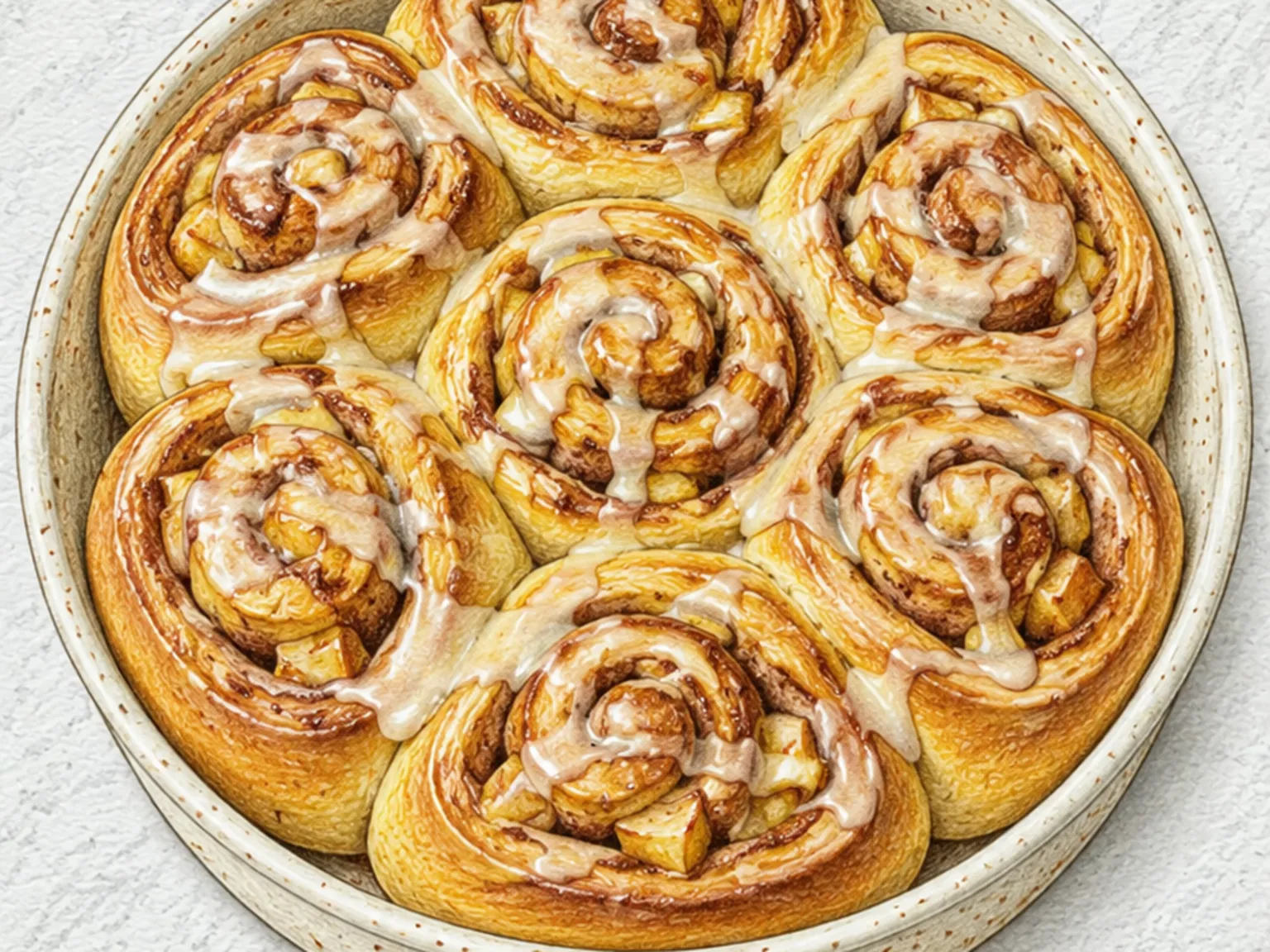
Apple cinnamon rolls build on the Scandinavian kanelbulle tradition of enriched yeast dough rolled with spiced sugar, adding a layer of cooked apple that transforms the filling from dry to fruity and moist. The dough - soft from butter and milk - is rolled out, spread with a paste of brown sugar, cinnamon, and softened butter, then scattered with diced apples that have been tossed in lemon juice to prevent browning. Rolling, slicing, and proofing in a buttered pan lets the spirals rise until they press against each other, creating soft sides and a slightly caramelized bottom. During baking, the apple pieces release their juice into the surrounding dough, creating pockets of moist, cinnamon-scented fruit within the bread layers. A simple cream cheese glaze drizzled on while the rolls are still warm melts into the crevices. The aroma that fills the kitchen during baking - butter, cinnamon, and baked apple - is half the reason to make them.

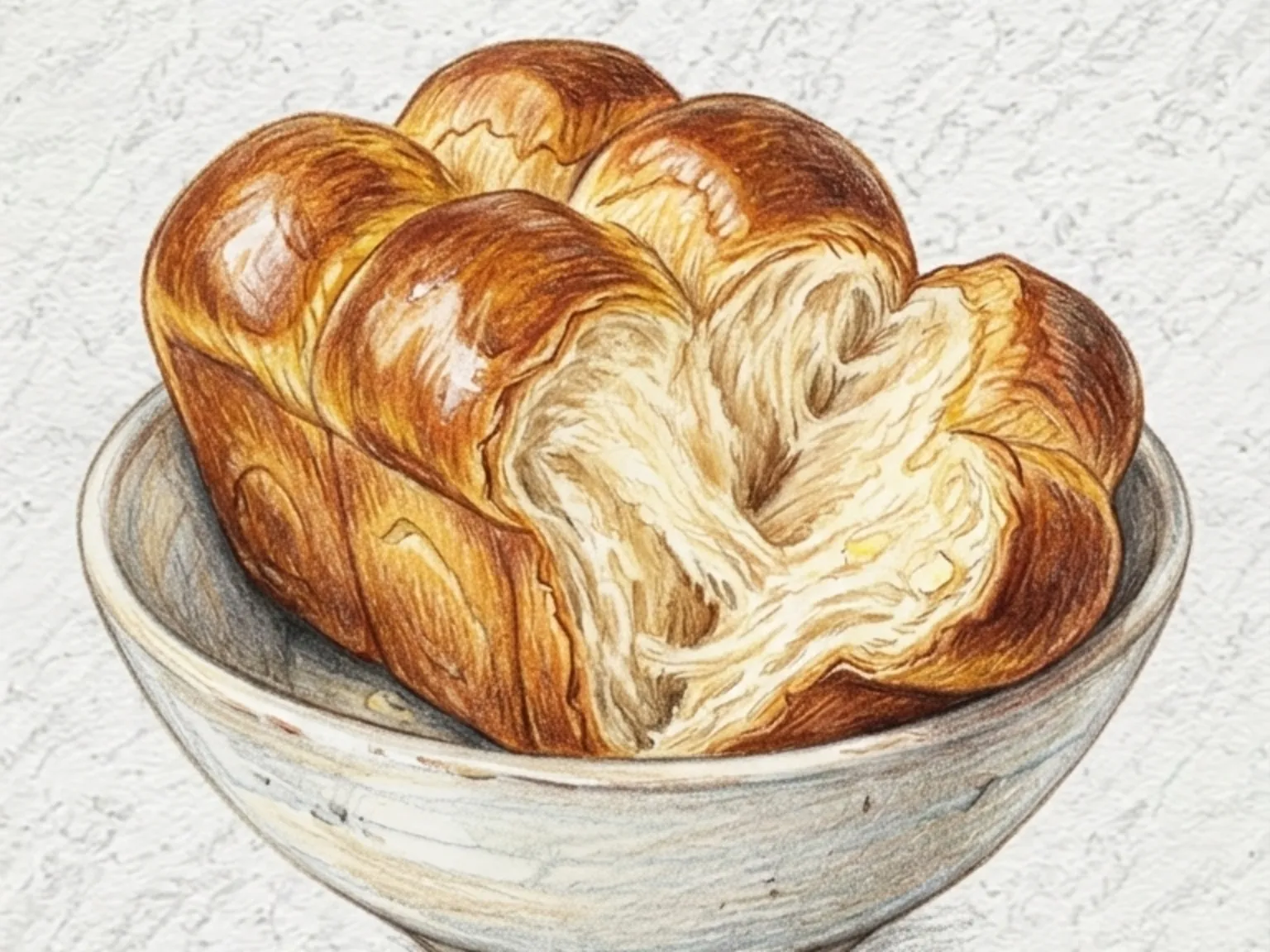
Earl Grey Banana Bread
Overripe bananas and finely ground Earl Grey tea leaves come together in a quick bread that smells of bergamot and caramelized fruit. The tea leaves are ground to a powder and folded directly into the batter, releasing their floral citrus oils throughout the crumb during baking. Ripe bananas provide enough natural sugar to keep the added sweetener modest, while butter and milk ensure the loaf stays moist for days. The top splits open naturally in the oven, revealing the soft interior beneath a lightly crusted surface. Each slice carries a layered aroma where banana warmth meets bergamot brightness, a combination that works because both share citrus-adjacent notes. A pat of butter on a warm slice is all the accompaniment this bread needs.

Black Sesame Brownies
Ultra-fudgy dark chocolate brownies with a nutty roasted black sesame twist that adds earthy depth to every bite. The bitter edge of the chocolate meets the toasted, grain-like aroma of the sesame, producing a depth of flavor absent from standard brownies. The recipe keeps the cake flour ratio low so the center stays fudgy and dense after baking at 175 degrees Celsius for twenty to twenty-five minutes. Because black sesame powder is naturally oily and prone to clumping, it must be sifted together with the flour and salt before folding into the batter to ensure even distribution throughout the crumb.

Cornbread
Cornbread is a Southern American quick bread made from cornmeal, flour, sugar, baking powder, milk, egg, and melted butter, baked until golden. Mixing the wet and dry ingredients separately and combining them with minimal stirring prevents overdeveloping gluten, which keeps the crumb tender and moist rather than tough. Baking at 200 degrees Celsius for twenty-two to twenty-five minutes produces a crisp exterior with a lightly sweet, nutty interior characteristic of cornmeal. The bread pairs well with stews, chili, and soups - its coarse grain absorbs broth and sauce effectively.