Blackened Chicken Caesar Salad
Quick answer
Blackened chicken Caesar salad starts with chicken breast coated thickly in paprika, cayenne, garlic powder, onion powder, and dried herbs before hitting a very hot, dry pan.
What makes this special
- Blackened Chicken Caesar Salad tops crisp romaine with peppery, charred poultry and anchovy.
- Spice crust chars at high heat forming a smoky, peppery bark on the chicken
- Cold crisp romaine against hot blackened chicken is the defining contrast
Key ingredients
Core cooking flow
- 1 Pat 300g chicken breast completely dry with paper towels.
- 2 Combine 3 tablespoons mayonnaise, 1.5 tablespoons lemon juice, 1 teaspoon Di...
- 3 Heat 1 tablespoon olive oil in a pan over medium-high heat for 2 minutes.
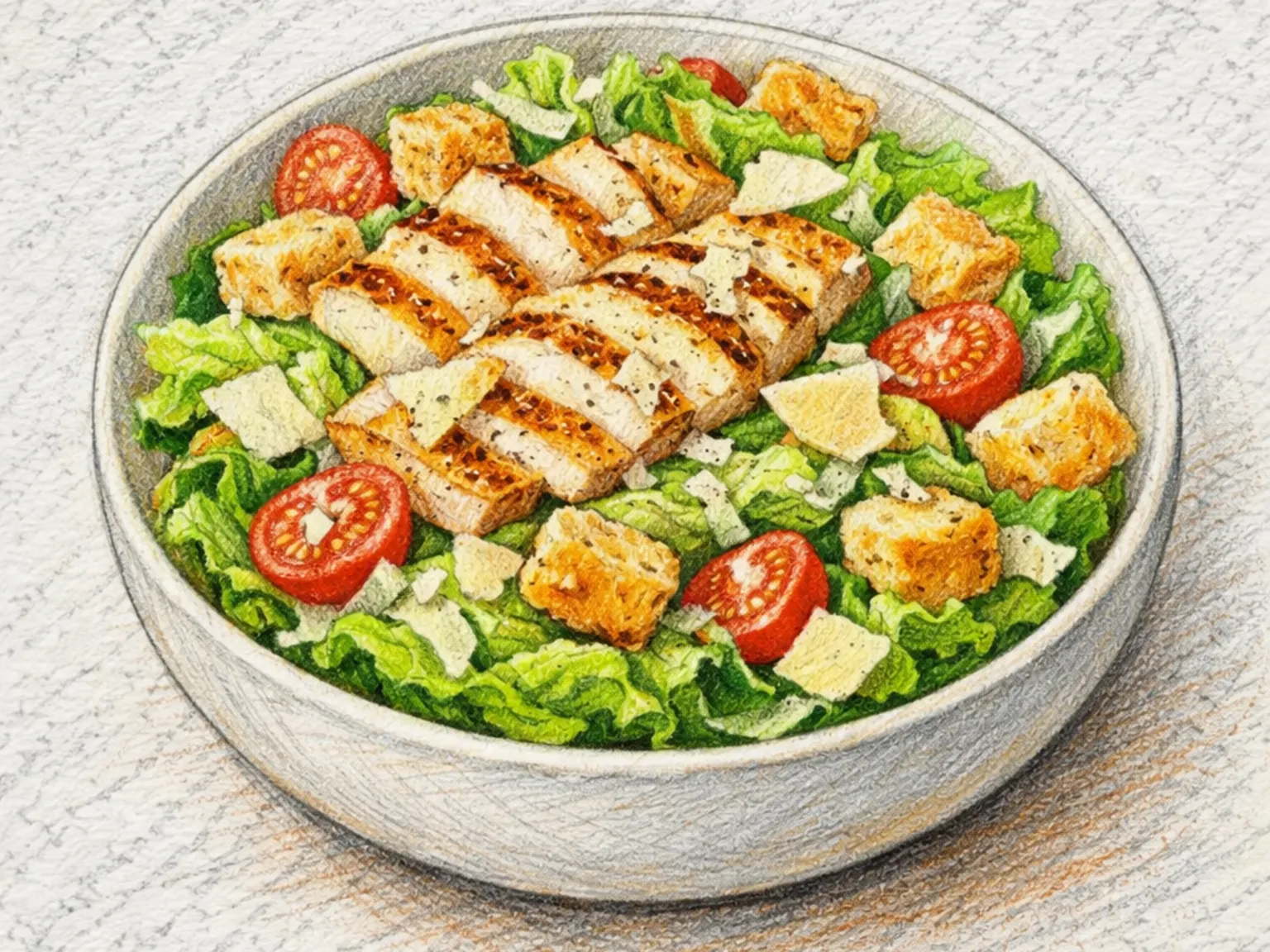
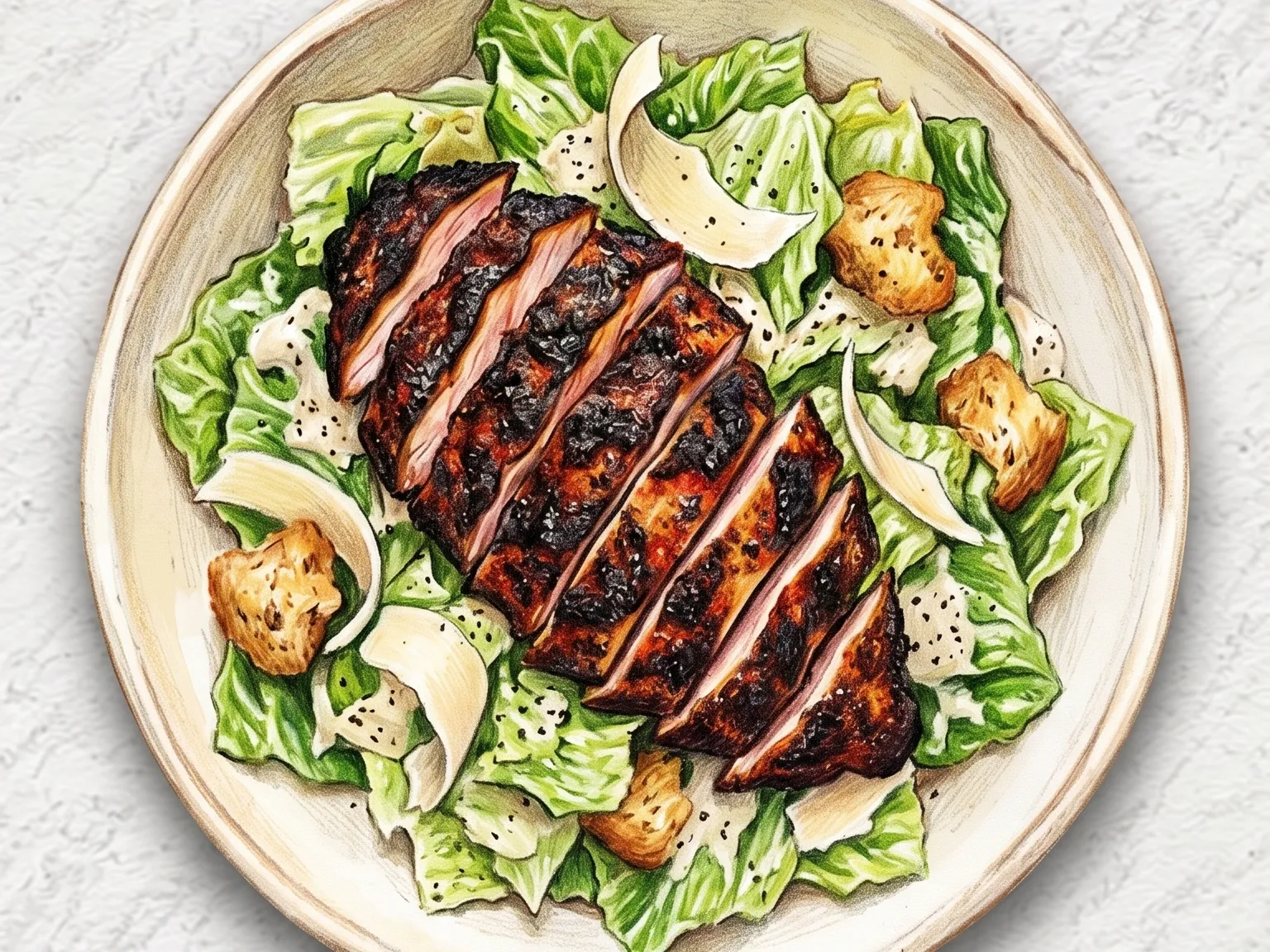
Blackened chicken Caesar salad starts with chicken breast coated thickly in paprika, cayenne, garlic powder, onion powder, and dried herbs before hitting a very hot, dry pan. The spice coating undergoes rapid charring at high temperature, forming a dark, smoky crust that seals in moisture and concentrates the spice aromatics on the surface of the meat. The interior of the chicken stays juicy because the charred crust acts as an insulating barrier, provided the pan is hot enough from the start. Creamy Caesar dressing, made with anchovy paste, egg yolk, lemon, and Parmesan, wraps around the cold, crisp romaine and the sliced hot chicken alike, moderating the cayenne heat without erasing the spice character entirely. Shaved Parmesan adds sharp, salty depth throughout, while croutons introduce a crunchy textural break against the tender chicken and limp lettuce. Because blackening generates substantial smoke, proper ventilation or an outdoor cooking setup is strongly recommended. The dish functions as a full main course rather than a starter salad.
Instructions
Read the steps as a cooking flow: prep, heat, seasoning, doneness control, and finish.
- 1Season
Pat 300g chicken breast completely dry with paper towels.
Mix 2 teaspoons smoked paprika, 1 teaspoon salt, 0.5 teaspoon pepper, and 0.5 teaspoon cayenne, then press and rub the spice blend firmly onto all surfaces of the chicken and marinate for 10 minutes.
- 2Season
Combine 3 tablespoons mayonnaise, 1.5 tablespoons lemon juice, 1 teaspoon Dijon mustard, half a minced garlic clove, and a pinch of salt in a small bowl and whisk until smooth. Stir in 10g grated Parmesan for a deeper flavor.
- 3Control
Heat 1 tablespoon olive oil in a pan over medium-high heat for 2 minutes.
Place the chicken and cook undisturbed for 4-5 minutes, letting the spice layer blacken into a smoky crust. Flip and cook the other side 4-5 minutes more. Cut into the thickest part to confirm no pink remains.
- 4Prep
Remove the chicken to a cutting board and rest for 3 minutes so the juices redistribute.
Slice at a diagonal across the grain into 1cm thick strips. The blackened crust in contrast with the juicy interior is the defining characteristic of this preparation.
- 5Step
Tear 180g romaine lettuce by hand into 5cm pieces and place in a large bowl.
Add two-thirds of the dressing and toss gently with tongs until the romaine is evenly coated.
- 6Finish
Spread the dressed salad on a wide plate and arrange the sliced chicken neatly on top.
Scatter 60g croutons evenly, shave the remaining 20g Parmesan into thin curls with a peeler, and drizzle the remaining dressing over everything in a thin stream.
After the steps
Pick a recipe that fits this dish.
Continue with shared ingredients, meal pairings, or a similar method.
Recipes That Go Well With This
More Western →Based on shared ingredients and meal pairing
Grilled Chicken Caesar Salad
Grilled chicken Caesar salad is a classic constructed salad built on pan-seared chicken breast, crisp romaine lettuce, house-made Caesar dressing, croutons, and shaved Parmesan. The chicken breast is seasoned simply with salt and pepper and cooked over medium-high heat until golden on both sides, then left to rest for five minutes before slicing. Resting allows the muscle fibers to relax and the internal juices to redistribute, so each slice stays moist at the center rather than releasing liquid when cut. Slicing too thinly also causes rapid heat loss and results in a dry, mealy texture, so cutting into thicker pieces is preferable. The dressing is made by whisking together mayonnaise, fresh lemon juice, minced garlic, and a small amount of Worcestershire sauce. That combination produces a coating that is creamy and rich but balanced by the sharpness of citrus and the depth of the fermented condiment. Romaine is torn into bite-sized pieces and tossed lightly with dressing before the chicken and croutons are added on top, which prevents the weight of the toppings from bruising the leaves and accelerating wilting. Croutons go on last and should not be tossed through the greens, as contact with dressing causes them to absorb moisture and lose crunch quickly. Parmesan provides the concentrated salty umami of aged hard cheese that ties the neutral lettuce, mild chicken, and tangy dressing into a unified plate. The salad must be assembled immediately before serving to preserve the distinct textures that make it satisfying.
Caesar Salad
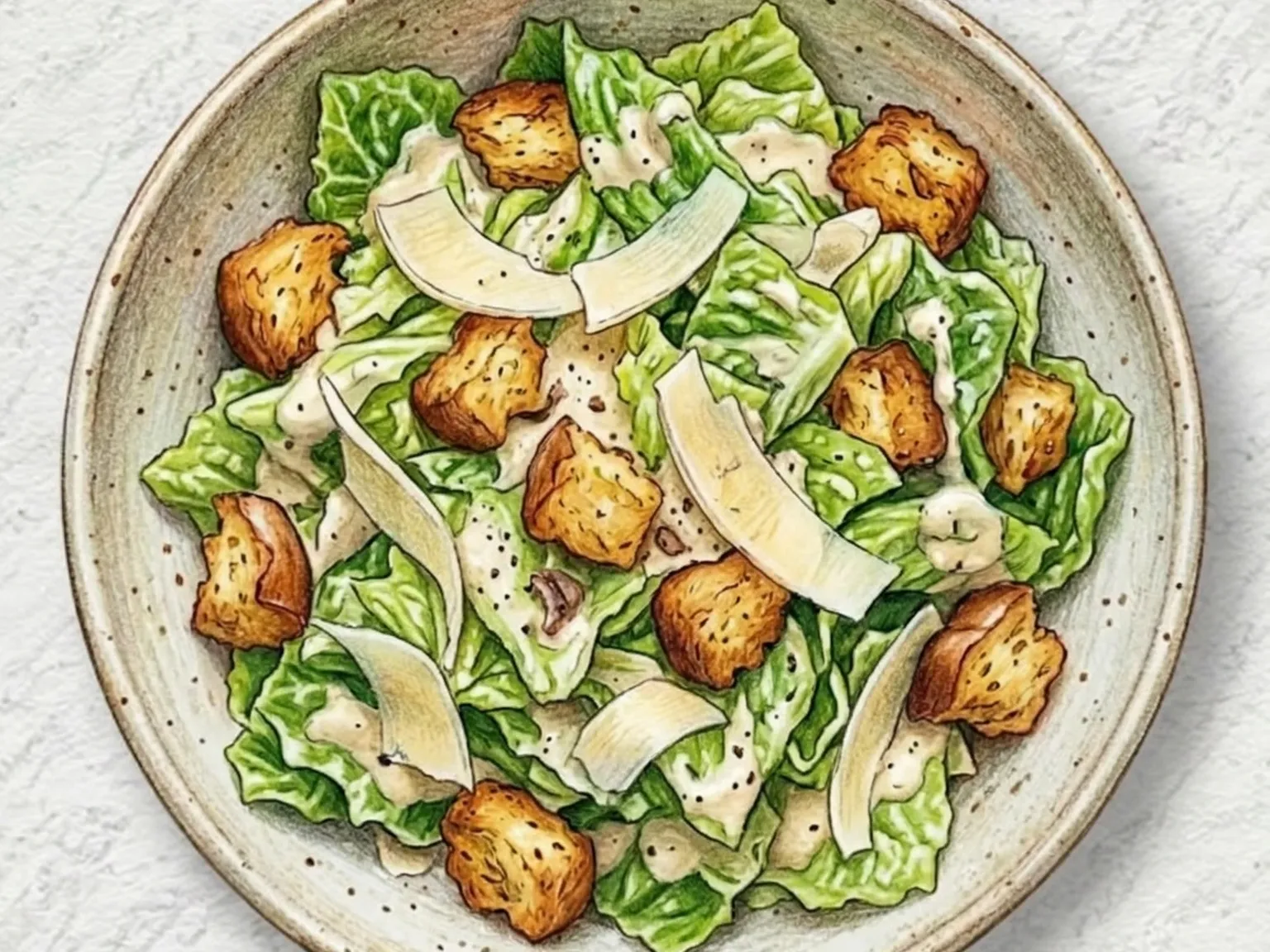
Caesar salad is built on romaine lettuce torn into rough, generous pieces and tossed in a dressing made from mayonnaise, lemon juice, garlic, and anchovy. The anchovy does not taste fishy in the finished dressing; it dissolves into the fat of the mayonnaise and functions as a deep umami foundation that keeps the salad interesting beyond its creamy surface. Lemon juice cuts through the richness of the mayo base, so the dressing coats the lettuce heavily without feeling cloying. Croutons are cubed bread toasted in olive oil until the outside turns crisp and golden but the inside stays slightly soft and chewy, giving them enough structure to absorb dressing without going immediately soggy. Wide, thin shavings of Parmesan add a dry, salty intensity that contrasts with the watery crunch of the romaine. With a short ingredient list, the quality of the dressing balance and the texture of the croutons determine the final outcome.
Kale Apple Walnut Salad
Kale apple walnut salad strips kale leaves from their stems, tears them small, and massages them with part of a lemon-honey dressing to soften the tough fibers before adding thinly sliced apple, roughly chopped walnuts, and dried cranberries with the remaining dressing. Raw kale has a coarse, chewy texture that can feel rough on the palate, but massaging it with the acidic dressing breaks down the cell walls, reducing volume and turning the leaves tender. The lemon juice pulls double duty - it tempers the kale's bitterness and prevents the apple slices from browning. Olive oil and honey round out the acid with a smooth richness and gentle sweetness. Toasting the walnuts in a dry pan for just one minute brings their oils to the surface, roughly doubling the nutty aroma, while pockets of dried cranberries add tart-sweet bursts throughout.
Chicken Caesar Wrap
Chicken Caesar wrap rolls pan-grilled chicken breast, romaine tossed in Caesar dressing, and grated Parmesan cheese inside a flour tortilla. Warming each tortilla in a dry pan for about twenty seconds on each side restores moisture to the surface and makes it flexible enough to roll without cracking or splitting. The chicken must be fully cooled before slicing so it distributes evenly inside the wrap; adding it while still warm immediately wilts the romaine. The romaine should be dressed at the very last moment before assembly: dressed too early, the leaves release moisture, turning the whole wrap soggy and limp. Parmesan contributes the sharp, salty umami of aged protein, acting as a flavor bridge between the lean chicken and the creamy dressing. Cutting the finished wrap on the diagonal and presenting it cut-side up exposes the layered cross-section and makes the contents immediately visible.
Serve with this
Fresh Lemon Ade
Fresh lemonade is a citrus drink assembled by pouring hand-squeezed lemon juice and simple syrup over ice, then topping slowly with sparkling water. The sharp acidity of fresh lemon is tempered by the syrup's rounded sweetness, creating a balance that bottled juice cannot replicate. A tiny pinch of salt amplifies both the sweet and sour notes simultaneously, a small addition with a noticeable effect. Lemon slices and mint leaves added to the glass release fragrance continuously as the drink sits. Pouring the sparkling water last and gently preserves the carbonation through every sip, so the order of assembly matters as much as the ingredients themselves.
Real Pineapple Sherbet
This refreshing fruit dessert is prepared by scooping out the flesh of a mini pineapple and using its hollowed shell as a serving vessel. The fruit pulp is blended until smooth to prevent icy lumps, then mixed with sugar, lemon juice, and oligosaccharide syrup to achieve a sweet and tangy flavor. After pouring the mixture back into the shell and covering it with the top lid, it is frozen for at least four hours. Stirring the mixture occasionally during freezing breaks up ice crystals, resulting in a smoother texture. The active bromelain enzyme present in the fresh fruit provides a subtle tingly sensation on the tongue. Serving the sherbet directly inside the pineapple skin minimizes juice loss and keeps the dessert cold. Letting it stand for five minutes before scraping and topping with fresh apple mint leaves makes it ready to serve.
Kimchi Bacon Mac and Cheese
Kimchi bacon mac and cheese layers aged kimchi's lactic tang and smoky bacon into a classic American cheddar cheese sauce over elbow macaroni. A butter-flour roux forms the base, with milk whisked in to build a béchamel before cheddar is melted into a thick, clinging sauce. Crisp bacon pieces add salt and crunch throughout, while chopped ripe kimchi introduces fermented acidity that counteracts the richness of the cheese. A pinch of gochugaru runs underneath with mild, warming heat. The tubular macaroni shape traps sauce inside and out, ensuring each forkful carries the full spectrum of creamy, tangy, and smoky flavors.
Similar recipes
Chicken Quinoa Power Salad
Chicken quinoa power salad brings together pan-seared chicken breast, quinoa simmered for 12 minutes then cooled, romaine lettuce, cucumber, and bell pepper in a single bowl built for a complete, balanced meal. Resting the chicken for three minutes after searing gives the juices time to redistribute inward so every slice stays moist rather than losing liquid at the cut surface. Rinsing the quinoa before cooking removes saponins that leave a bitter residue even after boiling. A dressing of Greek yogurt, lemon juice, and olive oil provides creamy tartness at a low calorie count, and the fermented tang of the yogurt complements the raw vegetables without overpowering them. Bell pepper's natural sweetness adds color and brightness alongside the lean chicken, and the combination of textures - crisp lettuce, tender grain, firm seared meat - makes each forkful more satisfying than its ingredients suggest individually.
Chicken Avocado Salad
Chicken avocado salad is a high-protein main dish salad that pairs pan-cooked chicken breast with ripe avocado over romaine lettuce, dressed in a simple lime and olive oil vinaigrette. The chicken must rest and cool completely before slicing so the juices redistribute inward rather than running out onto the cutting board, keeping the meat moist rather than dry. Avocado is sliced just before serving to maintain its creamy texture and prevent the surface from browning. Romaine provides a crunchy base that contrasts with the soft avocado, cucumber adds clean hydration, and cherry tomatoes contribute sharp acidity that prevents the bowl from feeling heavy or greasy. The dressing is deliberately minimal - just lime juice and olive oil - but the citrus acidity cuts through the avocado fat cleanly, creating a bright finish that keeps the overall plate feeling light despite the substantial protein content. The result is a salad that satisfies as a full meal without the denseness of cooked grains or hot dishes.
Three Bean Salad
Three bean salad consists of kidney beans, chickpeas, and fresh green beans that are prepared by blanching. The green beans undergo a brief cooking process in boiling water for three minutes, which ensures they retain a bright appearance and a snappy texture. In contrast, the kidney beans and chickpeas used are canned varieties that only require thorough rinsing and draining to remove any excess starch from their surface. The recipe includes red onions that have been thinly sliced and then soaked in cold water. This soaking step is used to remove the sharp, raw bite of the onion, resulting in a mild sweetness that integrates well with the other components. The dressing for this salad is a combination of olive oil, apple cider vinegar, and Dijon mustard. The apple cider vinegar contributes a soft acidity to the mixture, while the mustard introduces a sharp and peppery element that provides flavor to the beans. Storing the assembled salad in the refrigerator overnight is an important step because it allows the dressing to soak into the beans and the green beans. This waiting period makes the dish a suitable option for individuals looking to prepare their meals ahead of time.