Korean Mild Puffer Fish Stew
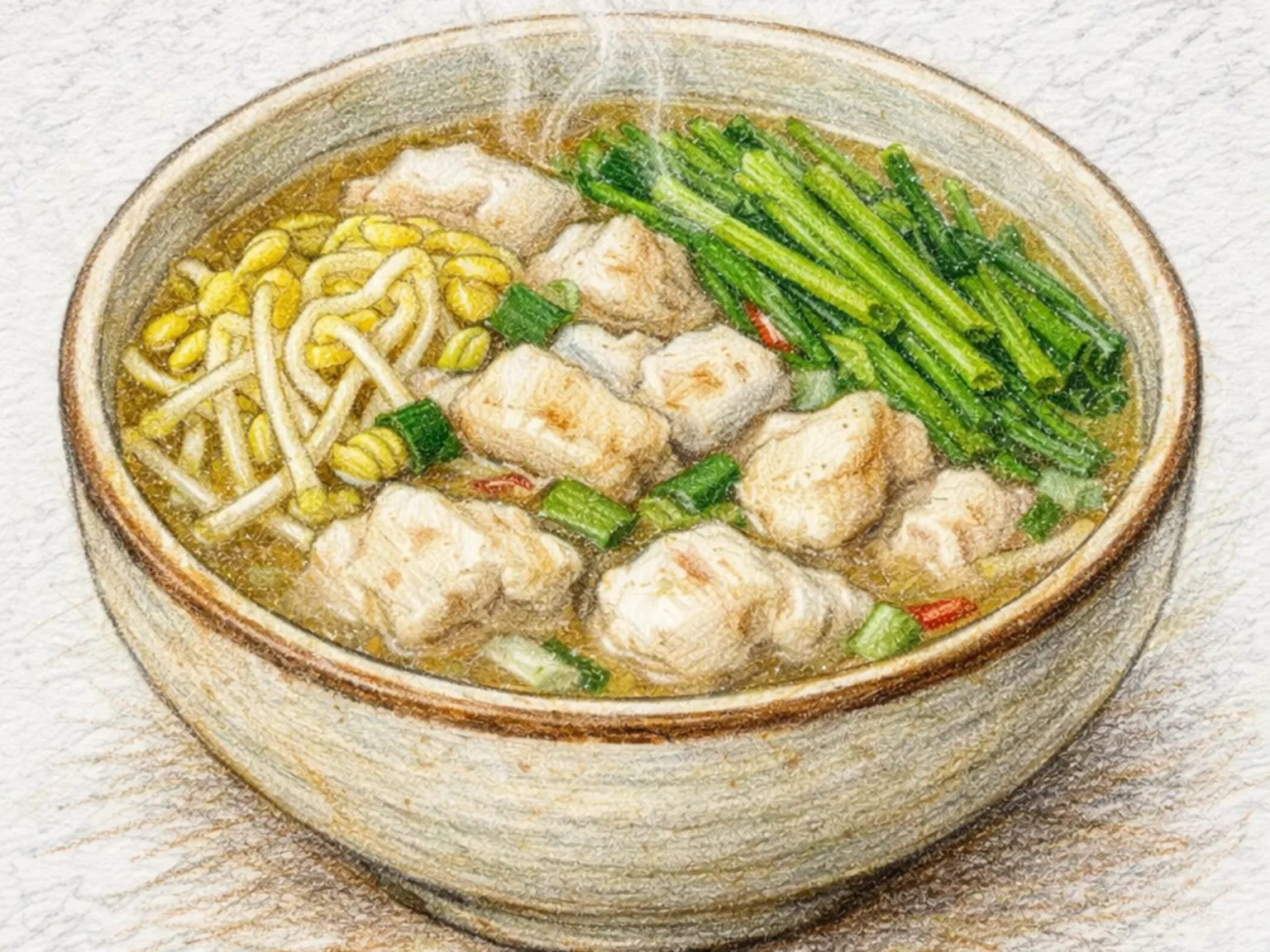
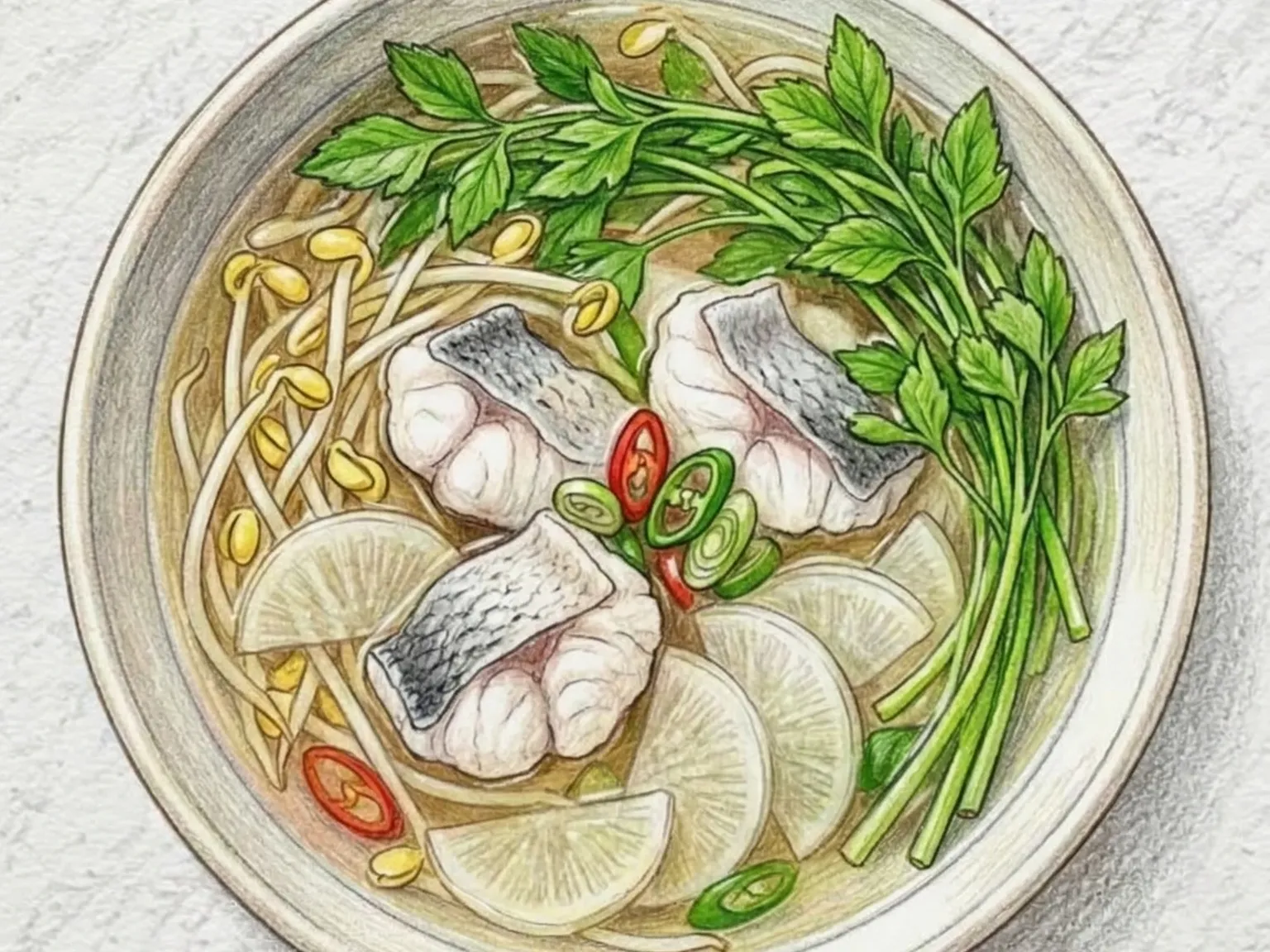
This clear-broth stew features puffer fish fillet simmered with Korean radish, bean sprouts, and water dropwort. The fish yields a firm, delicate bite, while the radish slowly releases its sweetness into the soup soy sauce-seasoned broth. Finished with fragrant water dropwort and green onion, it is a light yet restorative dish traditionally enjoyed as a hangover remedy.
Adjust Servings
Instructions
- 1
Use properly cleaned puffer fillet and slice radish thinly.
- 2
Boil radish in water for 10 minutes to form base broth.
- 3
Add puffer fish and garlic; simmer gently for 8 minutes.
- 4
Add bean sprouts and cook 4 more minutes.
- 5
Season with soup soy sauce, then add water dropwort and green onion.
- 6
Cook 2 more minutes to preserve fresh aroma.
As an Amazon Associate, we may earn from qualifying purchases.
Tips
Nutrition (per serving)
More Recipes

Korean Clear Puffer Fish Soup
Cleaned puffer fish is simmered with Korean radish and water dropwort in a clear broth that highlights the fish's clean, delicate flavor. The radish goes in first to build a sweet base, and the puffer fish cooks for ten minutes to release its protein-rich, low-fat essence into the stock. Water dropwort added at the very end provides a fresh herbal lift, and only professionally prepared, food-safe puffer fish should ever be used.

Korean Clear Broth Tofu Stew
Tofu simmers in a deep beef stock alongside shiitake mushrooms and zucchini in this clean-flavored stew. The quality of the beef stock drives the entire dish, with shiitake mushrooms reinforcing the umami depth. Soft tofu cubes absorb the rich broth, while zucchini contributes a mild sweetness. Seasoned only with soup soy sauce and salt, this stew showcases a restrained, elegant approach to Korean jjigae without any chili heat.

Korean Monkfish Spicy Stew
Bold, spicy, and deeply savory -- this Korean monkfish stew delivers a thick, gochugaru-laced broth with chunks of gelatinous monkfish, crunchy bean sprouts, and fragrant minari. Radish cooks first in plain water, building a sweet base. Gochugaru and a small amount of doenjang are stirred in - the doenjang quietly neutralizes any fishiness while adding a fermented undertone the radish absorbs. The monkfish simmers until just cooked through, its gelatinous flesh holding together in large pieces. Bean sprouts add crunch and volume, and water dropwort - minari - enters last, wilting in the residual heat with its distinctive herbal fragrance. The broth is cloudier and thicker than a clear tang, with enough substance to eat as a main course. On a cold evening, this stew with a bowl of rice constitutes a complete and warming meal.

Korean Spicy Fish Roe Stew
Altang is a Korean stew built around pollock roe - the egg sacs prized in Korean coastal cooking for their briny, concentrated marine flavor. The dish has long been associated with Korea's east coast fishing towns, where fresh roe is available during winter spawning season and needs to be used quickly. Anchovy-kelp stock simmers first with radish to establish a clean, sweet base before the roe and tofu go in. The roe sacs release their eggs into the broth as they cook, turning the liquid cloudy and giving it a rich, oceanic body. Gochugaru and doenjang season the stew with a spicy-fermented edge that cuts through the fishiness. Crown daisy greens - ssukgat - are dropped in at the last moment, contributing a sharp, herbaceous perfume. A popular hangover remedy in Korean drinking culture, altang is often ordered steaming hot at the end of a long evening.

Korean Soybean Sprout Stew
This spicy stew features soybean sprouts as the star, with tofu and optional pork in a broth seasoned with Korean chili flakes and soup soy sauce. The sprouts release a clean, refreshing liquid that balances the heat of the gochugaru. Tofu soaks up the broth and provides a soft contrast, while the pork adds savory depth. Finished with green onion and minced garlic, it is a straightforward home-style stew known as a hangover remedy.

Korean Fish Soup (White Fish and Radish Clear Broth)
Saengseon-guk is a traditional Korean fish soup made with white-fleshed fish and radish in a clear broth. The radish simmers first, building a base of natural sweetness, before garlic and soup soy sauce are added for depth. The fish goes in once the radish is halfway cooked, and timing matters - it should cook only until the flesh turns opaque and begins to flake, as prolonged boiling would break it apart and cloud the broth. Tofu and sliced Korean chili peppers join near the end, adding soft texture and a mild kick. Green onion finishes the bowl with a fresh note. The result is a light, transparent soup where the fish's own clean, marine flavor does most of the work. It is the kind of straightforward home cooking that appears on Korean dinner tables throughout the year, requiring little more than fresh fish and basic pantry staples.