Korean Bokbunja Wine (Black Raspberry Soju-Infused Fruit Wine)
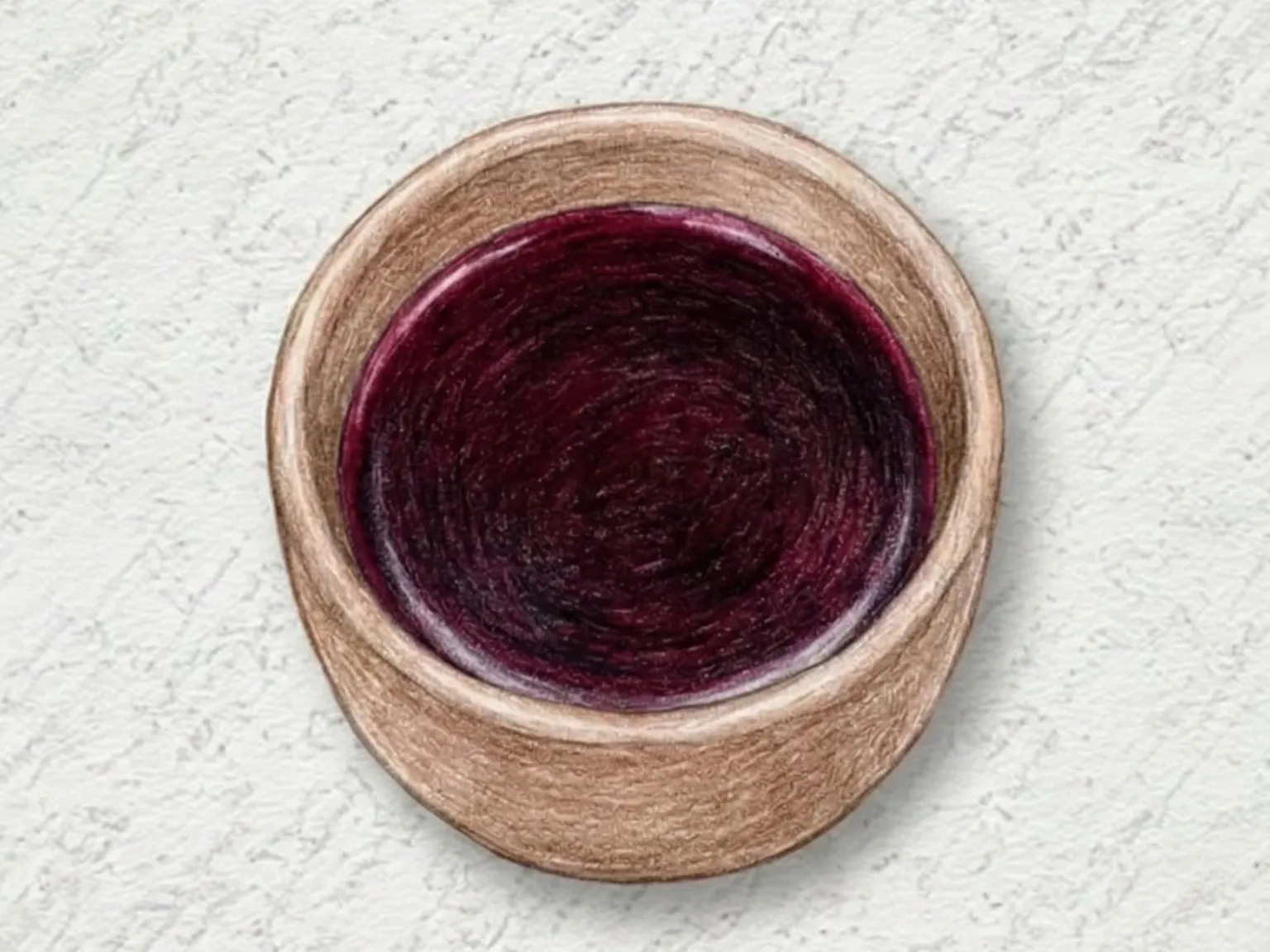
A deep ruby Korean fruit wine bursting with wild black raspberry flavor, aged for thirty days in soju with cinnamon and citrus peel. Fresh black raspberries are layered with sugar in a sanitized jar, then covered with soju alongside a strip of lemon peel and a cinnamon stick. The jar rests in a cool place for at least thirty days, shaken gently once a week to dissolve the sugar evenly. After straining through cloth, additional bottle aging softens the acidity and deepens the berry aroma, producing a wine with concentrated fruit character balanced by warm spice undertones.
Adjust Servings
Instructions
- 1
Rinse black raspberries quickly and dry thoroughly.
- 2
Layer berries and sugar in a sanitized glass jar.
- 3
Pour in soju and water, then add lemon peel and cinnamon.
- 4
Seal and store in a cool place for 30 days.
- 5
Shake lightly once a week to help dissolve sugar.
- 6
Strain through sieve and cloth, then bottle for aging.
As an Amazon Associate, we may earn from qualifying purchases.
Tips
Nutrition (per serving)
More Recipes

Korean Black Raspberry Ade
Bokbunja ade mixes black raspberry concentrate with lime juice and honey to form a tart-sweet base, which is poured over ice and frozen berries before being topped with sparkling water. The deep purple concentrate meets the clear carbonated water to create a vivid gradient in the glass, and the lime juice sharpens the berry aromatics noticeably. Frozen berries serve double duty as ice and flavor, gradually releasing more fruit intensity as they thaw.

Korean Baekseju Herbal Rice Wine
Baekseju is a traditional Korean herbal rice wine made by infusing a glutinous rice ferment with fresh ginseng, jujubes, ginger, and honey. The base is glutinous rice fermented with nuruk, a traditional wheat-based fermentation starter that produces a mildly sweet, low-acid alcohol. Fresh ginseng steeped in the fermenting liquid contributes its characteristic bitter, earthy depth that intertwines with the rice sweetness over time. Jujubes lend a subtle fruity note and a faint reddish hue, while ginger adds a warm, peppery finish that tempers the wine's sweetness. Honey is introduced after primary fermentation has progressed so the yeast does not consume all its sugars, preserving residual sweetness in the finished product. The alcohol level sits around twelve to thirteen percent, comparable to grape wine, and the liquid is clearer and more golden than unfiltered makgeolli. Served cold, the herbal notes recede and the drink feels crisp; at room temperature, the ginseng and jujube aromas become more prominent with each sip.

Dongdongju (Korean Unfiltered Fermented Rice Wine)
Dongdongju is a traditional Korean rice wine made by steaming a blend of short-grain and sweet rice, then fermenting the cooked rice with nuruk starter and a small amount of dry yeast for seven days. Unlike makgeolli, it is strained only once through a coarse sieve so that some rice grains remain floating on the surface, giving the drink its name and a distinctive chewy grain texture with each sip. Stirring twice daily during fermentation ensures the nuruk breaks down the starches evenly, and temperature control after the third day prevents over-fermentation. A touch of salt at the end tempers the residual sweetness and rounds out the flavor.

Clear Korean Rice Wine (Traditional Fermented Yakju)
Yakju is a traditional Korean clear rice wine produced by steaming soaked glutinous rice for 35 minutes, then fermenting it with crushed nuruk starter, dry yeast, and water for seven to ten days at room temperature. Daily stirring distributes the yeast culture evenly, and sliced ginger and jujube are added during fermentation to suppress off-flavors and contribute subtle aromatics. After fermentation, the solids are allowed to settle completely so only the clear upper liquid is carefully decanted, giving yakju its transparent appearance and refined taste distinct from cloudy makgeolli. Two days of cold aging in the refrigerator rounds off the sharp alcohol edge, bringing forward a smooth, grain-forward character.

Korean Black Raspberry Jelly
Bokbunja jelly cups are a chilled Korean dessert made by setting bokbunja (black raspberry) juice with gelatin sheets and a touch of lemon juice for balanced acidity. The gelatin must be dissolved off the heat after sugar water has fully cooled from a boil; adding it to boiling liquid breaks down its setting power. Straining the mixture once removes air bubbles and sediment, producing a glass-smooth surface that shows off the deep purple color of the bokbunja. Topping each cup with fresh blueberries and a mint leaf reinforces the berry flavor while creating a vivid visual contrast against the dark jelly.

Korean Green Plum Pickles
Maesil jangajji is a traditional Korean green plum pickle made by salting unripe plums to draw out bitterness, layering them with sugar, and pouring in vinegar and rice wine for months of aging. Over the long curing process, the plum's sharp acidity gradually harmonizes with the sugar's sweetness, and the flesh condenses as moisture evaporates, concentrating its floral aroma. Vinegar stabilizes the fermentation while rice wine smooths any harsh notes, resulting in a pickle that is tart, sweet, and cleanly fragrant. A couple of pieces placed beside a bowl of rice stimulate the appetite with their bright acidity - a quintessential Korean summer preserve.