Korean Roasted Barley Tea

Korean Roasted Barley Tea

Quick answer

Boricha is the everyday caffeine-free barley tea that has been a fixture in Korean homes for generations, made by simmering roasted barley with corn silk and jujubes in a...

What makes this special

  • Roasted barley and corn silk create a layered, nutty aroma in traditional Korean Boricha tea.
  • Roasted barley, corn silk, and split jujube together build a layered grain-and-fruit aroma
  • Steeping 5 more minutes off heat lets the three flavors settle without bitterness
Total time
25 min
Level
Easy
Servings
4 servings
Ingredients
6
Calories
12 kcal
Protein
0 g

Key ingredients

Roasted barleyWaterCorn silkJujubeSalt

Core cooking flow

  1. 1 Halve 2 jujubes so their aroma can release easily, and set out 35g roasted b...
  2. 2 Pour 1800ml water into a large kettle and bring it to a rolling boil over high heat.
  3. 3 Add the halved jujubes and lower the heat to medium-low.

Boricha is the everyday caffeine-free barley tea that has been a fixture in Korean homes for generations, made by simmering roasted barley with corn silk and jujubes in a single pot over medium-low heat for fifteen minutes, then steeping off the heat for five minutes more. The roasted barley drives the flavor, producing a toasty, grain-forward depth that is distinctly savory without being heavy. Corn silk contributes a gentle, almost imperceptible natural sweetness, and halved jujubes add a faint dried-fruit undertone that softens the overall profile. A pinch of salt added during brewing rounds out the taste and prevents the tea from reading as flat. The finished tea works as well served hot in winter as it does chilled over ice in summer, and it functions as a neutral, palate-cleansing table drink throughout the year. Made in under twenty minutes with pantry staples.

Prep 5min Cook 20min 4 servings

Instructions

Read the steps as a cooking flow: prep, heat, seasoning, doneness control, and finish.

6 steps
  1. 1
    Heat

    Halve 2 jujubes so their aroma can release easily, and set out 35g roasted barley and 5g corn silk beside the kettle.

    Keeping everything ready prevents overboiling once the water reaches a full boil.

  2. 2
    Control

    Pour 1800ml water into a large kettle and bring it to a rolling boil over high heat.

    When large bubbles rise steadily, add the roasted barley and corn silk so the grains start extracting immediately.

  3. 3
    Control

    Add the halved jujubes and lower the heat to medium-low.

    Leave the lid slightly open so the tea does not boil over, then simmer gently for 15 minutes until the liquid turns light brown.

  4. 4
    Control

    During simmering, look for a pale brown color and a clean toasted aroma.

    Do not extend the boil to make it stronger, because longer heat can pull bitterness from the barley.

  5. 5
    Control

    After 15 minutes, turn off the heat and cover the kettle for 5 more minutes.

    This short steeping time settles the aroma and rounds the roasted grain flavor without adding harshness.

  6. 6
    Finish

    Strain through a fine sieve until the tea is clear, then stir in one pinch of salt.

    Serve it warm, or cool to room temperature, refrigerate, and pour over 1 cup ice for a cold drink.

After the steps

Pick a recipe that fits this dish.

Continue with shared ingredients, meal pairings, or a similar method.

Recipes That Go Well With This

More Drinks →

Based on shared ingredients and meal pairing

Korean Roasted Buckwheat Tea
Shared ingredient: jujube Drinks

Korean Roasted Buckwheat Tea

Memil-cha is a traditional Korean beverage prepared from roasted buckwheat groats. To make this tea, the groats are toasted and then simmered in water, followed by a ten-minute steeping period over a low flame. The initial roasting process is critical because it caramelizes the exterior of the buckwheat, which releases a profound and earthy grain fragrance. This aroma gradually transfers into the liquid during the steeping stage. Incorporating dried jujubes and a thin strip of lemon peel provides a subtle sweetness along with a light citrus undertone. These additions help to complete the flavor profile while ensuring that the distinct natural character of the buckwheat remains the primary focus. Because the infusion contains no caffeine, it serves as a suitable drink for the late evening or for times when a gentle option is preferred for the digestive system. The addition of a single spoonful of honey and a very small amount of salt functions to define the various tastes more clearly and brings the entire beverage into a stable balance. This tea is versatile enough to be enjoyed as a hot drink during the colder winter months or as a cold beverage served over ice when the weather is warm in the summer. Such flexibility allows it to remain a consistent staple on the dining table throughout the entire year.

Korean Roasted Brown Rice Tea
Shared ingredient: jujube Drinks

Korean Roasted Brown Rice Tea

Hyeonmi-cha is made by dry-roasting brown rice over medium heat until the grains turn golden and undergo the Maillard reaction, which intensifies their toasty, nutty aroma. The roasted rice is then steeped in water for about twenty minutes, yielding a clear amber liquid with a clean grain flavor. A slice of ginger and a few jujubes added during steeping contribute warm spice and gentle sweetness that layer over the base roasted note. Honey and a pinch of salt sharpen the overall flavor, and the tea is naturally caffeine-free, making it suitable for drinking at any hour. The degree of roasting can be adjusted to taste: a shorter roast produces a lighter, mellower infusion, while a longer roast amplifies the nuttiness but risks introducing bitterness, so stopping at a pale golden color is the safer approach. The brewed tea keeps well refrigerated for a couple of days and tastes equally good served cold over ice.

Gotgam Cream Cheese Roll (Dried Persimmon Rolls)
Serve together Desserts

Gotgam Cream Cheese Roll (Dried Persimmon Rolls)

Gotgam cream cheese roll is a no-cook Korean dessert that requires nothing more than a knife, a bowl, and a refrigerator. Dried persimmons are slit open and flattened into thin sheets, each one acting as the outer wrapper. The filling is cream cheese mixed with honey and fresh lemon juice to balance its natural richness with acidity, and finely chopped walnuts are folded in throughout to add a crunchy, nutty element to every bite. The filling is spread across the opened persimmon, which is then rolled tightly and wrapped in plastic wrap. Twenty minutes in the refrigerator firms the roll enough to slice cleanly. Dipping the knife in warm water and wiping it dry before each cut produces the smoothest cross-sections. The finished slices reveal clearly defined layers: the chewy, caramel-sweet dried persimmon on the outside, the tangy cream cheese in the middle, and flecks of walnut distributed throughout. The combination makes it a natural pairing with wine or a polished addition to a traditional holiday table.

Korean Roasted Cassia Seed Tea
Similar recipe Drinks

Korean Roasted Cassia Seed Tea

Gyeolmyeongja-cha is a Korean herbal tea brewed from cassia seeds that are first dry-roasted in a pan over medium-low heat until their surfaces turn a deep amber and release a toasty, distinctly nutty fragrance. The degree of roasting matters considerably: lighter roasting keeps the flavor mild and grassy, while a deeper roast brings forward a bold, grain-like quality similar to barley tea. Once roasted, the seeds are simmered in water for about twenty minutes, extracting a rich brown liquor with layers of earthy warmth. Sliced fresh ginger is often added during simmering, lending a peppery heat that adds body to the brew. Dried jujubes contribute their gentle fruit sweetness, rounding and mellowing the overall profile. Honey adjusts the final sweetness level, and thin lemon slices floated on top before serving add a clean citrus brightness that lifts the deep, roasted base.

Serve with this

Korean Spicy Octopus Skewers
Street food Easy

Korean Spicy Octopus Skewers

Blanched octopus is cut into bite-sized pieces, threaded onto skewers, and grilled on a pan or open flame while being basted repeatedly with a spicy sauce of gochujang, soy sauce, sugar, minced garlic, and sesame oil. Octopus toughens dramatically with prolonged heat, so high-temperature, quick grilling is essential. Adding a slice of ginger to the blanching water removes any fishiness before the octopus hits the grill. The layered sauce builds up with each basting: gochujang contributes heat, sugar balances it with sweetness, soy sauce deepens the umami, and sesame oil finishes with a nutty fragrance. Keeping the heat at medium-high and turning the skewers frequently prevents the sugar in the glaze from burning while still achieving light char marks. The result has a caramelized, sticky crust over a chewy, springy center. Equally at home as street food or as bar snacks alongside cold beer or soju, these skewers are a reliable crowd-pleaser.

🍺 Bar Snacks ⚡ Quick
Prep 15min Cook 10min 2 servings
Korean Seasoned Kelp Strips
Side dishes Easy

Korean Seasoned Kelp Strips

Kelp strips are soaked in cold water for ten minutes to draw out excess salt, then blanched for twenty seconds, just long enough to turn them pliable without losing their snap. The strips are dressed with gochugaru, vinegar, soy sauce, sugar, and garlic while julienned cucumber adds a cool, refreshing contrast. The seasoning sits over the mineral-dense ocean flavor of the kelp, layering a bright, acidic kick onto each bite. Sesame oil and whole sesame seeds finish the dish. The strips keep a satisfying resistance between the teeth that sets them apart from softer Korean seaweed preparations. Best served cold; the texture and flavor hold up well in packed lunches. Blanching beyond twenty seconds causes the kelp to soften and lose the chew that defines this banchan.

🥗 Light & Healthy 🏠 Everyday
Prep 12min Cook 3min 2 servings
Dasik (Korean Honey-Pressed Roasted Grain Confection)
Baking Easy

Dasik (Korean Honey-Pressed Roasted Grain Confection)

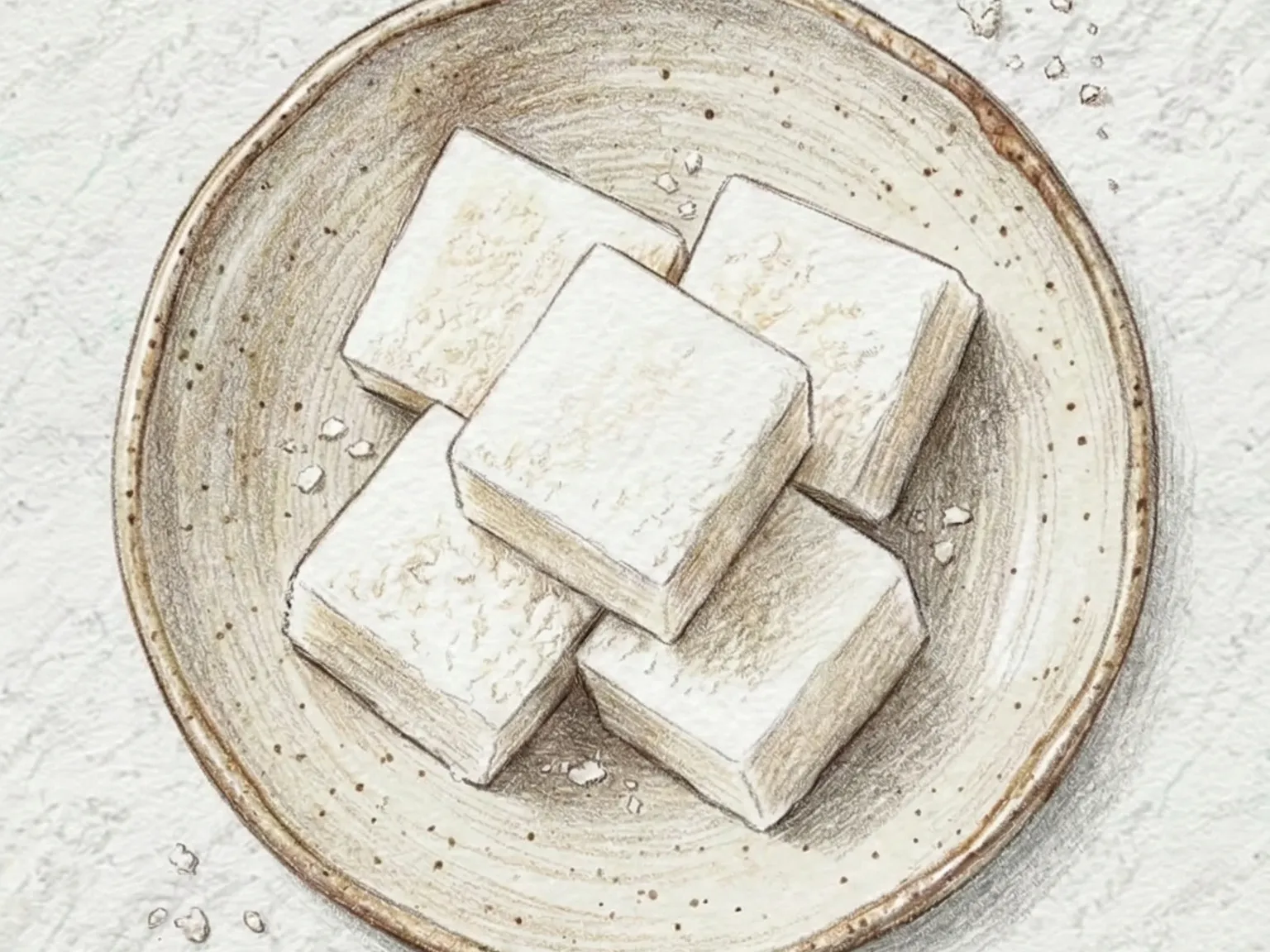
Dasik is a traditional Korean pressed confection made by kneading roasted grain or nut powders with honey and pressing the mixture into carved wooden molds. Unlike baked goods, dasik holds its shape entirely through the binding power of honey, with no heat applied during preparation. This technique produces a texture that is slightly resistant at first contact, then dissolves gently at body temperature in a way that releases the full aroma of the main ingredient. Roasted soybean powder yields a nutty version, black sesame produces a deeply aromatic one, and additions of pine nut powder or cinnamon develop the flavor in different directions. The wooden molds carve decorative patterns into the surface of each piece, giving dasik a visual refinement that matches its restrained sweetness. For centuries, dasik has been a standard offering at Korean tea gatherings, and its subtle flavor remains a natural match for the gentle bitterness of green tea.

🧒 Kid-Friendly ⚡ Quick
Prep 20min 4 servings

Similar recipes

Korean Chrysanthemum Tea (Floral Jujube Goji Berry Brew)
Drinks Easy

Korean Chrysanthemum Tea (Floral Jujube Goji Berry Brew)

Gukhwa-cha is a traditional Korean flower tea brewed from dried chrysanthemum buds steeped in water at 80 to 85 degrees Celsius for three to four minutes. That temperature range draws out the gentle floral fragrance without releasing the bitter compounds that come out at a full boil. Jujubes and goji berries added to the pot contribute a mild natural sweetness from the jujubes and a faintly tart, herbal note from the goji berries, both of which round out the chrysanthemum's aroma and add visual warmth to the pale liquid. A spoonful of honey and a squeeze of lemon juice are stirred in at the end to brighten the finish without masking the floral base. The resulting tea is pale golden, lightly sweet, and carries a lingering scent that makes it a common after-meal drink in Korean households. Caffeine-free and mild, it is drunk in the evening without disruption to sleep, and in traditional Korean medicine the dried flower has long been associated with relieving headaches and eye fatigue.

🍺 Bar Snacks ⚡ Quick
Prep 5min Cook 10min 2 servings
Korean Young Radish Barley Bibimbap
Rice Easy

Korean Young Radish Barley Bibimbap

Barley-mixed rice has a hearty, popping texture and a nutty flavor that pairs naturally with the crisp, tart bite of freshly made young radish kimchi. The crunchy stems of the kimchi contrast with the chewy barley grains, and stirring in gochujang ties the tangy, spicy, and sweet elements together into a cohesive bowl. A spoonful of sesame oil folded in at the end adds a roasted fragrance that lifts the overall depth of flavor. This bibimbap is especially refreshing in the summer months as a cooling, appetite-stimulating meal.

🏠 Everyday 🍱 Lunchbox
Prep 18min Cook 22min 2 servings
Barley Puff Brittle (Korean Puffed Barley Walnut Sesame Candy)
Desserts Medium

Barley Puff Brittle (Korean Puffed Barley Walnut Sesame Candy)

Bori-gangjeong is a Korean barley puff brittle made by tossing puffed barley and roughly chopped walnuts with toasted sesame seeds in a syrup of rice malt, sugar, and honey cooked precisely to 118 degrees Celsius. Temperature is the deciding variable: below that threshold the brittle never fully sets and stays soft and sticky even when cool, while above it the result hardens into something that resists the teeth uncomfortably. Once the correct temperature is reached, the mixture must be worked quickly - the syrup sets fast. Sesame oil stirred in at the very end coats the barley in a layer of nutty fragrance that ties the toasty grain, the honey sweetness, and the dense crunch of walnut together. Scoring the slab while it is still pliable is essential: cuts made after the brittle fully sets tend to crack rather than slice cleanly, and the pieces lose their uniform shape. The deep sweetness of the rice malt syrup and the nuttiness of the barley combine into a straightforward but lingering flavor that keeps the hand returning to the plate.

🎉 Special Occasion 🧒 Kid-Friendly
Prep 15min Cook 20min 4 servings

Tips

Too long on heat can turn bitter; keep total brewing around 20 minutes.

Nutrition (per serving)

Calories
12
kcal
Protein
0
g
Carbs
2
g
Fat
0
g