Korean Grilled Broccoli with Soybean Paste
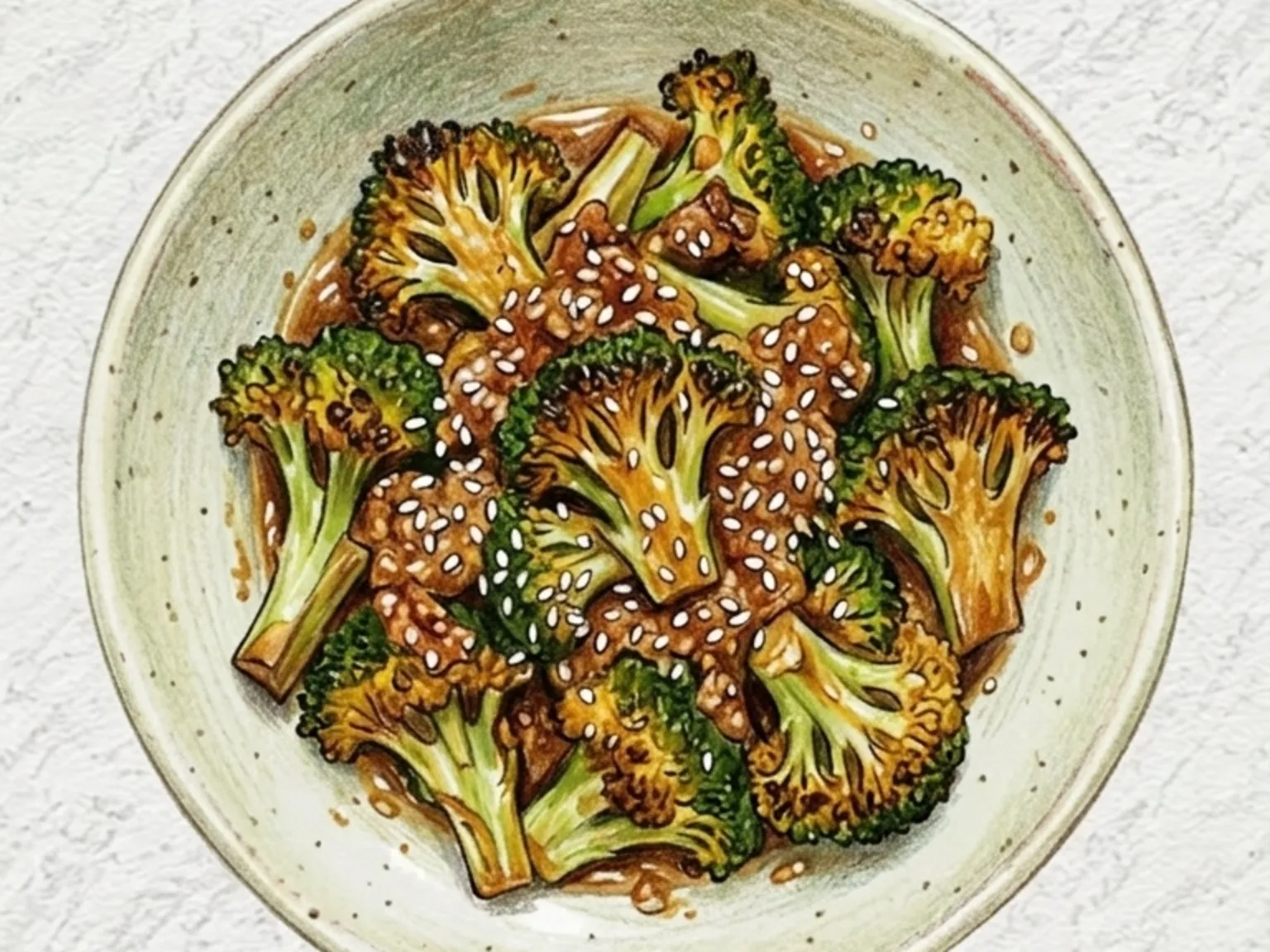
Broccoli doenjang-gui is a Korean roasted broccoli dish where bite-sized florets are blanched for just one minute, tossed in olive oil, coated with a thick paste of doenjang, gochujang, garlic, and oligosaccharide syrup, then baked at 200 degrees Celsius for twelve minutes. The brief blanching softens the stems just enough while preserving crunch, and coating with oil first ensures the paste clings evenly rather than sliding off. High oven heat chars the edges of the florets, concentrating the fermented soybean paste into a deeply savory, slightly smoky crust. Sesame seeds scattered on at the end add a toasted nuttiness that rounds out the salty-spicy profile.
Adjust Servings
Instructions
- 1
Cut broccoli into bite-size florets, blanch for 1 minute, and drain well.
- 2
Combine doenjang, gochujang, garlic, syrup, and water to make a thick sauce.
- 3
Toss broccoli with olive oil first, then coat evenly with the sauce.
- 4
Roast at 200C for 12 minutes or air-fry for 10 minutes until edges are browned.
- 5
Plate and finish with sesame seeds; serve warm as a side dish or snack.
As an Amazon Associate, we may earn from qualifying purchases.
Tips
Nutrition (per serving)
More Recipes

Korean Broccoli Doenjang Salad
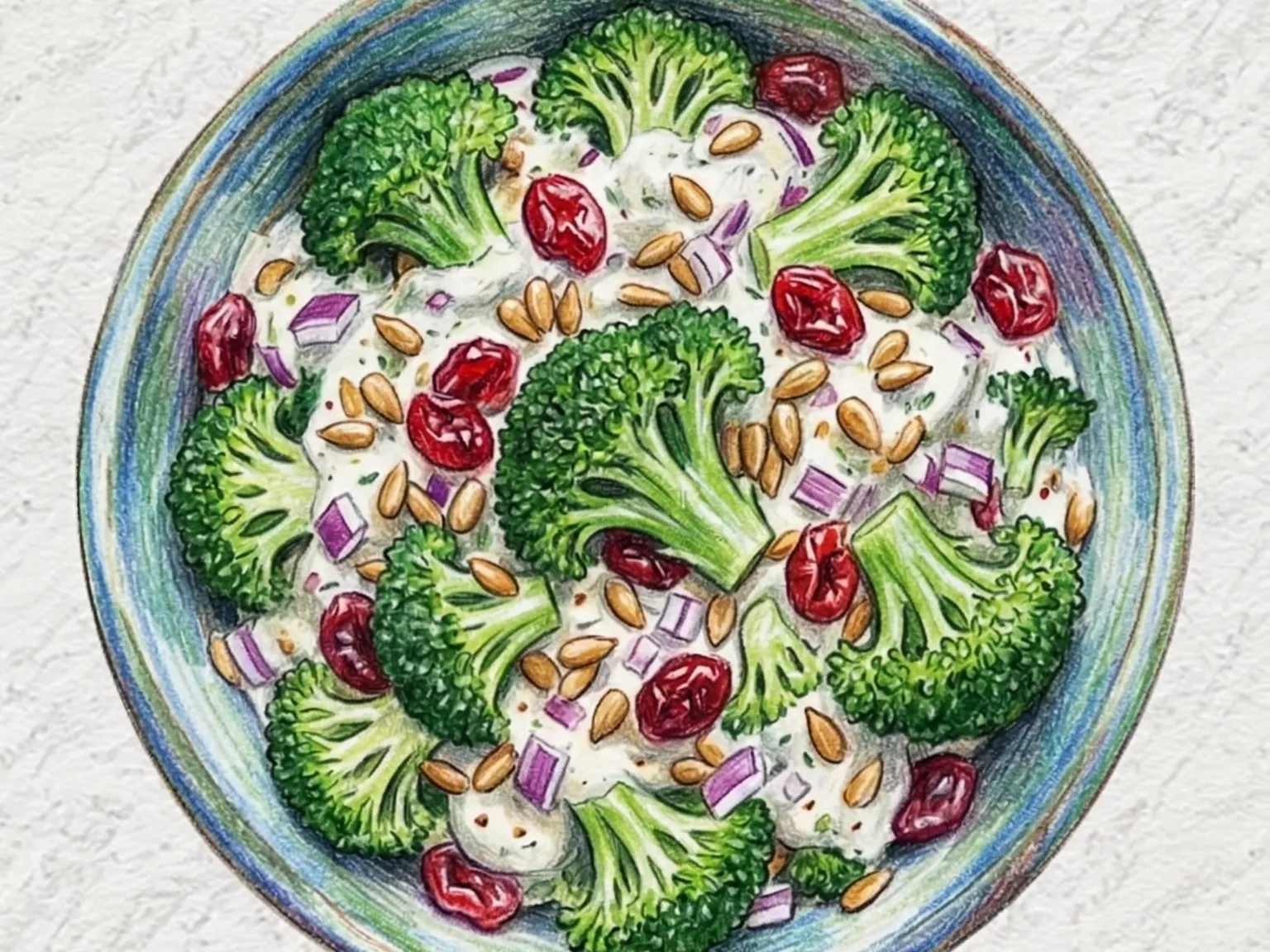
Blanched broccoli in doenjang dressing - a modern Korean banchan bridging Western ingredients with traditional seasoning logic. Florets and thinly sliced stems blanch ninety seconds, then are shocked in cold water for vivid green and a firm bite. The dressing combines doenjang with vinegar and oligosaccharide syrup - fermented salt, acidity, and gentle sweetness that lifts mild bitterness. Ready in under ten minutes and keeps refrigerated for days.

Korean Grilled Doenjang Onions
Onions are sliced into 2 cm rings, secured with skewers, and grilled over medium heat while being brushed with a sauce of doenjang, gochujang, minced garlic, perilla oil, and water. Over eight to ten minutes of flipping and re-brushing, the onion's moisture evaporates and its natural sugars concentrate into pronounced sweetness, while the doenjang chars lightly at the edges to add a toasted, earthy note. Perilla oil softens the salt intensity of the doenjang, and a finish of sliced green chili and ground sesame layers in mild heat and nuttiness. At 146 calories per serving, this is a low-calorie side dish that also works as a light accompaniment to drinks.

Korean Seafood with Doenjang Sauce Grill
Haemul doenjang-gui is a Korean grilled seafood dish where shrimp and squid are coated with a sauce of doenjang, a touch of gochujang, minced garlic, sesame oil, and sugar, then grilled or pan-fried until the paste caramelizes. The fermented soybean paste's deep, earthy umami layers over the seafood's natural brine, and the small addition of gochujang provides a background warmth without overpowering the doenjang's nuttiness. Sugar in the sauce is essential-without it, the high-protein doenjang scorches on the grill before it can develop the fragrant, mahogany-brown caramelization that defines the dish. The seafood is done when the sauce darkens and becomes aromatic, which is the precise moment when the doenjang's concentrated savory flavor peaks.

Korean Chwinamul with Doenjang
This variation pairs blanched chwinamul with doenjang - Korea's fermented soybean paste - creating a banchan where two strong flavors meet. Greens are boiled two minutes, squeezed, and cut before dressing with doenjang, soup soy sauce, garlic, sesame oil, and perilla powder. The paste's funky, salty depth clings to porous leaves, amplifying natural bitterness into something complex. Five minutes of resting lets seasoning penetrate fully. Often made with dried chwinamul reconstituted in winter.

Korean Grilled Eggplant (Soy Garlic Glazed Charred Eggplant)
Gaji-gui is Korean grilled eggplant, halved lengthwise and scored before cooking over medium heat until the flesh turns creamy while the skin retains slight firmness. Salting the cut surface for ten minutes draws out bitter moisture through osmosis, which also reduces how much oil the eggplant absorbs during grilling, and the score marks let heat penetrate evenly so the interior softens uniformly. A sauce of soy sauce, sesame oil, Korean chili flakes, minced garlic, and sliced green onion is spooned over the hot grilled surface, where the residual heat releases the aroma of garlic and sesame while the liquid seeps into the scored channels. A final scatter of toasted sesame seeds adds a nutty layer that gives the otherwise mild eggplant enough complexity to stand as a proper banchan.

Korean Garlic Sesame Broccoli Muchim
Garlic broccoli muchim is a modern Korean namul that emerged as broccoli became a staple in Korean grocery stores from the 2000s onward. Blanching the florets and peeled stems for ninety seconds in salted water, then shocking in cold water, locks in a vivid green color and a firm snap. The dressing is minimal - soup soy sauce, minced garlic, sesame oil, and sesame seeds - letting the garlic's sharpness build a flavor layer over the broccoli's mild bitterness without overwhelming it. Using the stems, peeled and sliced thin, ensures nothing goes to waste. Ready in five minutes and keeps refrigerated for two days.