Korean Beurokolli Saeu Bokkeum (Broccoli Shrimp Stir-fry)

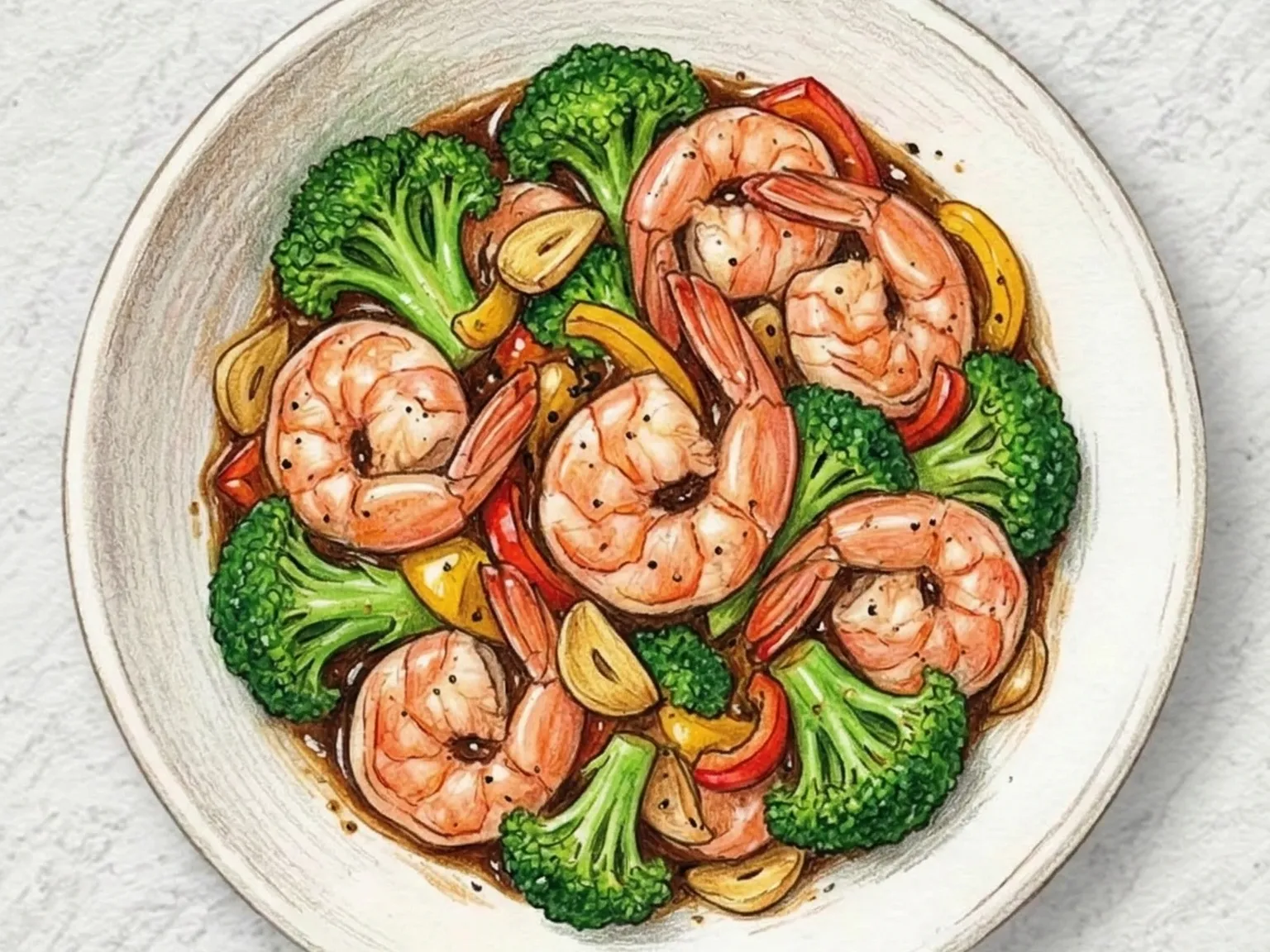
Korean Beurokolli Saeu Bokkeum (Broccoli Shrimp Stir-fry)

Quick answer

Peeled and deveined shrimp are seasoned with cooking wine and pepper, then stir-fried over high heat alongside blanched broccoli.

What makes this special

  • Seasoned shrimp seared over high heat until pink and tender alongside blanched broccoli.
  • Shrimp turning pink marks the exact doneness point; beyond that, proteins shrink
  • Pre-blanched broccoli releases less water in the pan, keeping sauce concentrated
Total time
20 min
Level
Easy
Servings
2 servings
Ingredients
9
Calories
232 kcal
Protein
27 g

Key ingredients

medium shrimpbroccolibell peppergarlicsoy sauce

Core cooking flow

  1. 1 Peel and devein 220 g medium shrimp, then pat them dry so they sear instead of steaming.
  2. 2 Cut 180 g broccoli into bite-size florets and blanch in boiling water for only 40 seconds.
  3. 3 Cut 70 g bell pepper into pieces close to the shrimp size so everything cooks evenly.

Peeled and deveined shrimp are seasoned with cooking wine and pepper, then stir-fried over high heat alongside blanched broccoli. The shrimp reach their ideal texture the instant they turn pink; cooking any further causes the proteins to contract and the flesh to toughen. Blanching the broccoli briefly beforehand means it releases less water once it hits the pan, keeping the sauce concentrated and clinging to the ingredients rather than pooling at the bottom. Soy sauce and oyster sauce form the savory backbone, while sliced garlic infused into the oil at the start builds a fragrant base that runs through every mouthful. Bell pepper adds a crisp snap and a vivid color. The whole dish takes under fifteen minutes and delivers a full plate of protein and vitamin C in a light, satisfying format. Served over steamed rice, it works just as well as a rice bowl.

Prep 10min Cook 10min 2 servings
Recipes by ingredient → garlic cooking wine

Instructions

Read the steps as a cooking flow: prep, heat, seasoning, doneness control, and finish.

6 steps
  1. 1
    Season

    Peel and devein 220 g medium shrimp, then pat them dry so they sear instead of steaming.

    Toss with 1 tablespoon cooking wine and 1/4 teaspoon black pepper, and let them season for 5 minutes.

  2. 2
    Season

    Cut 180 g broccoli into bite-size florets and blanch in boiling water for only 40 seconds.

    Transfer straight to cold water to stop the cooking, then drain very well so the stir-fry sauce stays concentrated.

  3. 3
    Season

    Cut 70 g bell pepper into pieces close to the shrimp size so everything cooks evenly.

    Slice 5 garlic cloves thinly, and keep 1 tablespoon soy sauce and 1 tablespoon oyster sauce beside the stove for quick seasoning.

  4. 4
    Control

    Heat 1 tablespoon cooking oil in a pan over medium heat and stir-fry the sliced garlic for about 30 seconds.

    When the edges turn lightly golden and fragrant, add the shrimp before the garlic darkens.

  5. 5
    Heat

    Raise the heat to high and stir-fry the shrimp for 1 1/2 to 2 minutes, moving them often.

    Once the outside turns pink, add the bell pepper and cook 1 more minute to keep it crisp.

  6. 6
    Control

    Add the broccoli, soy sauce, and oyster sauce, then toss quickly over high heat for about 1 1/2 minutes.

    Stop as soon as the sauce coats everything glossily and the shrimp are just cooked through.

After the steps

Pick a recipe that fits this dish.

Continue with shared ingredients, meal pairings, or a similar method.

Recipes That Go Well With This

More Stir-fry →

Based on shared ingredients and meal pairing

Korean Selleri Sogogi Bokkeum (Celery Beef Stir-fry)
Shared ingredient: bell pepper Stir-fry

Korean Selleri Sogogi Bokkeum (Celery Beef Stir-fry)

Selleri sogogi-bokkeum stir-fries soy-marinated lean beef round with celery, onion, and bell pepper over high heat. The beef is seared first for about two and a half minutes then set aside, and the vegetables are cooked separately in the same pan to keep them crisp before everything is combined. Oyster sauce and soy sauce give the beef a deep umami character, while celery's herbal freshness and firm crunch lighten the overall dish. Adding celery leaves at the very end intensifies the aromatic, almost grassy fragrance.

Korean Seaweed, Perilla & Shrimp Stir-fry
Shared ingredient: shrimp Stir-fry

Korean Seaweed, Perilla & Shrimp Stir-fry

Tot-deulkkae-saeu-bokkeum stir-fries briefly blanched tot seaweed and shrimp in perilla oil, finished with ground perilla seeds. The tot is blanched for only 30 seconds to preserve its distinctive pop-and-chew texture, and the shrimp are pre-seasoned with cooking wine to remove any fishiness before being cooked to a springy doneness. Perilla oil and ground perilla seeds merge with the oceanic salinity of the seaweed and shrimp, building a nutty-briny flavor. Seasoned lightly with soup soy sauce and green onion, it is a low-carbohydrate side dish anchored in seafood and sea vegetables.

Korean Seasoned Kelp Strips
Serve together Side dishes

Korean Seasoned Kelp Strips

Kelp strips are soaked in cold water for ten minutes to draw out excess salt, then blanched for twenty seconds, just long enough to turn them pliable without losing their snap. The strips are dressed with gochugaru, vinegar, soy sauce, sugar, and garlic while julienned cucumber adds a cool, refreshing contrast. The seasoning sits over the mineral-dense ocean flavor of the kelp, layering a bright, acidic kick onto each bite. Sesame oil and whole sesame seeds finish the dish. The strips keep a satisfying resistance between the teeth that sets them apart from softer Korean seaweed preparations. Best served cold; the texture and flavor hold up well in packed lunches. Blanching beyond twenty seconds causes the kelp to soften and lose the chew that defines this banchan.

Korean Garlic Scape Chicken Breast Stir-fry
Similar recipe Stir-fry

Korean Garlic Scape Chicken Breast Stir-fry

Maneuljjong dakgaseumsal bokkeum is a stir-fry where soy-marinated chicken breast is cooked through with ginger and garlic first, then joined by garlic scapes cut to five-centimeter lengths and julienned carrot for a quick blast over high heat before the whole pan is finished in an oyster sauce and soy sauce glaze. Chicken breast is naturally lean and can easily read as flat on its own, but the oyster sauce compensates by delivering concentrated umami and coating the surface of each piece with a lacquered sheen. The garlic scapes provide a dual texture that is both crisp and slightly chewy, setting up a direct contrast with the smooth, tight grain of the chicken breast. Julienned carrot adds a gentle sweetness that softens the saltiness of the soy and oyster sauce base. Ginger pulls double duty, eliminating any poultry odor while contributing the aromatic lift characteristic of well-executed stir-fry. The high-protein, low-fat profile makes this a practical everyday banchan for anyone managing calories, and it also works well spooned over rice in a deopbap format. Keeping the garlic scapes in the pan for as short a time as possible is essential to preserving their signature crunch.

Serve with this

Korean Kimchi Fried Rice (Kimchi Bokkeumbap)
Rice Easy

Korean Kimchi Fried Rice (Kimchi Bokkeumbap)

Finely chopped aged kimchi is stir-fried together with ground pork until the fermentation tang of the kimchi and the fat rendered from the pork combine into a deep, layered umami base. Kimchi juice is added to the pan along with gochujang and a measured touch of sugar, glazing the rice in a spicy-sweet coating. High heat throughout the stir-fry is what keeps each grain separate and lightly crisp rather than soft and clumped; the pan also needs to be fully heated before the ingredients go in, or the rice will stick. A soft-fried egg placed on top lets the runny yolk temper the heat when it is broken and mixed in, and using well-fermented, deeply soured kimchi noticeably shifts the depth of the flavor. Adding spam or canned tuna are equally common household variations, and the dish adapts readily to whatever is available. A drizzle of sesame oil just before serving lifts a toasty, nutty fragrance over the finished bowl.

🏠 Everyday 🍱 Lunchbox
Prep 10min Cook 10min 2 servings
Korean Soft Tofu Soup (Mild Clear Broth with Silken Tofu)
Soups Easy

Korean Soft Tofu Soup (Mild Clear Broth with Silken Tofu)

Sundubu-guk is the gentler sibling of the more widely known sundubu-jjigae, trading the latter's fiery red broth for a clear, mild soup that puts silken tofu front and center. The base is a simple anchovy and kelp stock, seasoned with soup soy sauce and nothing more assertive, so the broth stays transparent and clean on the palate. Blocks of unpressed soft tofu are slipped into the simmering liquid and heated just until they are warmed through - overcooked sundubu loses the trembling, custard-like texture that defines the dish. Each spoonful collapses gently on the tongue, releasing a faint, sweet soybean flavor that pairs effortlessly with the umami-rich stock. A small addition of salted shrimp paste can be stirred in at the table to introduce a subtle marine depth without disrupting the soup's calm character. This is the soup Koreans turn to when appetite is low, digestion needs rest, or the body simply craves something warm and uncomplicated. It is equally suitable for young children and elderly diners, and its quiet simplicity is precisely its strength.

🏠 Everyday ⚡ Quick
Prep 5min Cook 15min 4 servings
Korean Gul Dubu Jjigae (Oyster Tofu Stew)
Stews Easy

Korean Gul Dubu Jjigae (Oyster Tofu Stew)

Gul dubu jjigae pairs 180 grams of fresh oysters with generous cubes of firm tofu in a clean anchovy-kelp stock. The oysters release their briny, mineral-rich juices the moment they hit the simmering broth, giving the soup an immediate oceanic depth that no other seafood replicates in quite the same way. Korean radish adds mild sweetness and keeps the stock clear rather than murky, while gochugaru and a whole Cheongyang chili suppress any fishiness and build a persistent background heat. The 300 grams of tofu make this a genuinely filling stew rather than a light soup course. Timing the oysters correctly is the most important step: added just before the pot returns to a boil, they need only thirty seconds to one minute before they are cooked through. Leaving them longer shrinks them and toughens their texture. Rinsing the oysters gently in lightly salted water before cooking removes sand and impurities without stripping their natural fragrance. This is a distinctly seasonal stew, best made in winter when the cold-water oysters are plump, briny, and at full flavor.

🏠 Everyday ⚡ Quick
Prep 12min Cook 18min 2 servings

Similar recipes

Korean Zucchini Shrimp Stir-fry
Stir-fry Easy

Korean Zucchini Shrimp Stir-fry

Hobak-saeu-bokkeum is a light Korean stir-fry of thinly sliced zucchini and shrimp seasoned with soy sauce, cooking wine, and garlic. The dish relies on the inherent flavors of its ingredients rather than heavy seasoning, keeping the final result mild, clean, and free of excess grease. Zucchini softens as it cooks and releases its natural sweetness, but the heat must be managed carefully. Overcooking draws out too much moisture and turns the slices limp and watery, eliminating the slight crispness at the center that defines the ideal texture. A well-preheated pan and high heat are needed to sear the surface quickly before the interior softens all the way through. Shrimp are cooked only until they turn pink and curl into a gentle arc. At that moment the proteins have set just enough to give a plump, springy bite; cooking beyond that point tightens the muscle fibers further and makes them rubbery. Using soup soy sauce rather than dark soy sauce keeps the color light and the seasoning clean. A sliced green chili adds a sharp kick without changing the fundamental character of the dish. The entire stir-fry comes together in around ten minutes, making it one of the more practical banchan options when time is limited. It holds its flavor and texture at room temperature without deteriorating, which makes it a reliable choice for a packed lunchbox as well as a fresh dinner side. Lightly salting the shrimp and splashing on a small amount of cooking wine before cooking helps draw out any residual fishiness. Yellow squash or zucchini varieties can substitute freely for the Korean hobak, and adding squid alongside the shrimp introduces an additional layer of oceanic character to the finished dish.

🥗 Light & Healthy 🏠 Everyday
Prep 12min Cook 8min 2 servings
Korean Saeu Herb Sogeum Gui (Herb Salt Grilled Shrimp)
Grilled Easy

Korean Saeu Herb Sogeum Gui (Herb Salt Grilled Shrimp)

Saeu herb-sogeum-gui is Korean herb-salt grilled shrimp, where shell-on medium shrimp are deveined, tossed with olive oil, minced garlic, rosemary, thyme, and black pepper for ten minutes, then seared over high heat on a grill pan lined with a thin layer of coarse salt. Keeping the shells on prevents moisture loss during the intense heat, so the flesh stays moist while the shells themselves crisp into an edible, crunchy layer. Grilling on a salt bed distributes radiant heat evenly and draws surface moisture away from the shrimp, preventing the steaming effect that makes shellfish soggy. A finishing squeeze of lemon juice lifts the herb and garlic aromas while sharpening the shrimp's natural sweetness.

🍺 Bar Snacks 🥗 Light & Healthy
Prep 12min Cook 10min 2 servings
Water Parsley & Beef Salad
Salads Medium

Water Parsley & Beef Salad

Beef marinated in soy sauce and pear juice is seared over high heat just long enough to develop a caramelized, deeply savory crust on the outside while the interior stays moist and tender. The cooked bulgogi is laid over a bed of fragrant minari and crisp lettuce, so each forkful carries both the warm, rich meat and the cool, crunchy vegetables. Thinly sliced red onion soaked in cold water to tame its bite then scattered through the bowl melds smoothly with the sweet-savory marinade coating the beef. A light toss of the remaining sesame oil from the pan coats the greens with a round, nutty aroma, and toasted sesame seeds sprinkled generously over the top complete the plate. Minari wilts quickly and loses its herbal fragrance once it is dressed, so it should only be combined with the other ingredients moments before the dish reaches the table. The warm meat against the cold greens creates a temperature contrast that makes each bite more dynamic. A spoonful of ssamjang dressing or a splash of yuzu vinegar can shift the flavor profile when variety is wanted.

🥗 Light & Healthy 🏠 Everyday
Prep 20min Cook 10min 2 servings

Tips

Short blanching keeps broccoli from watering down the stir-fry.
Avoid overcooking shrimp; finish as soon as they turn pink.

Nutrition (per serving)

Calories
232
kcal
Protein
27
g
Carbs
11
g
Fat
9
g