Brown Butter Chocolate Chip Cookies
Quick answer
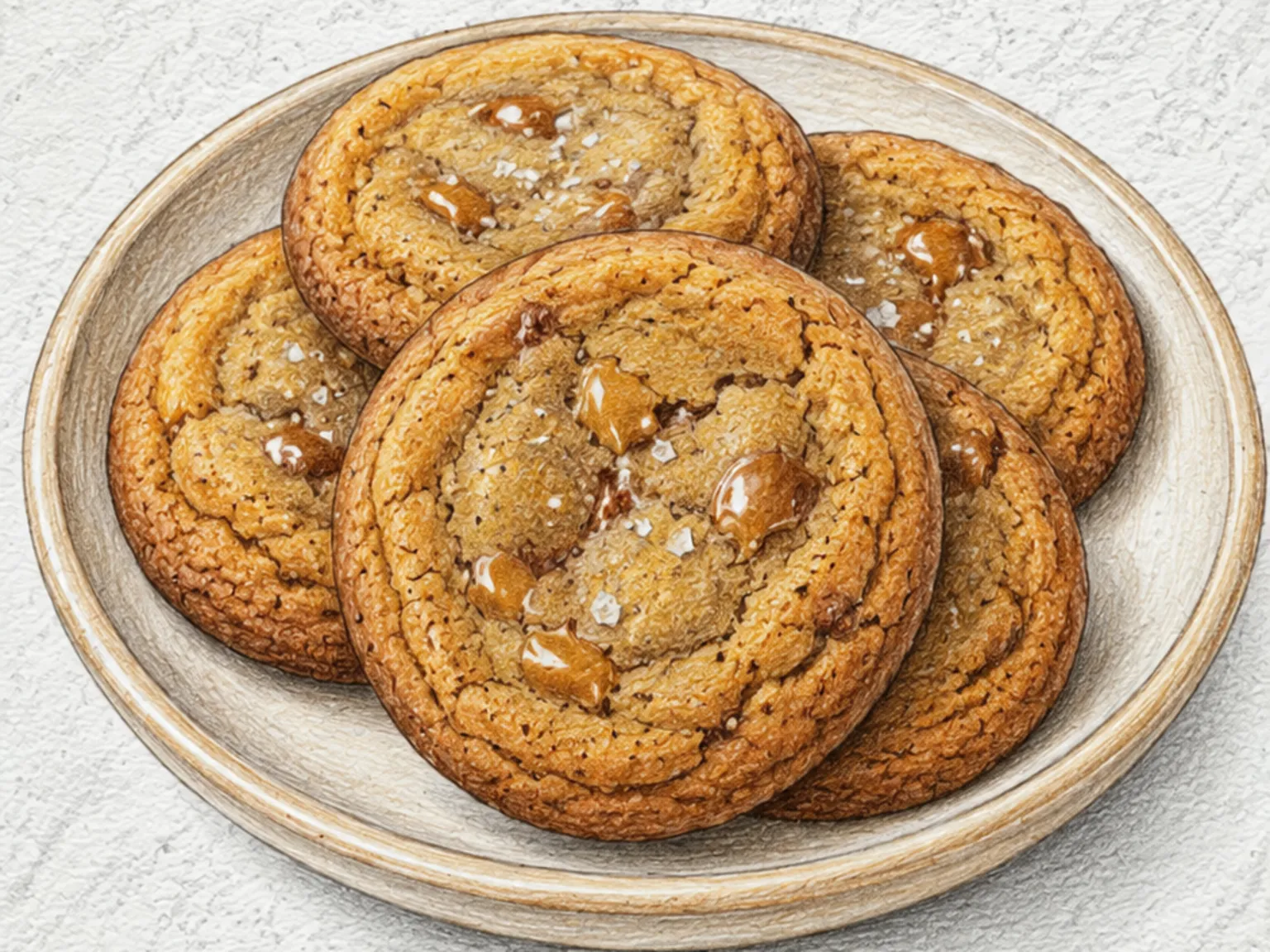
Brown butter chocolate chip cookies build on the familiar template by introducing browned butter, which is cooked over medium heat until the milk solids caramelize and tu...
What makes this special
- Caramelized butter solids lend a deep hazelnut aroma to Brown Butter Chocolate Chip Cookies.
- Cooking butter to a hazelnut-scented brown is the flavor foundation
- High brown-sugar ratio gives crisp thin edges with a chewy dense center
Key ingredients
Core cooking flow
- 1 Place 120g unsalted butter in a heavy saucepan and melt it over medium heat.
- 2 Remove the butter from the heat as soon as it turns deep golden and smells nutty.
- 3 Add 90g brown sugar and 40g white sugar to the warm browned butter and mix u...
Brown butter chocolate chip cookies build on the familiar template by introducing browned butter, which is cooked over medium heat until the milk solids caramelize and turn golden, releasing an aroma of toasted hazelnuts and toffee that standard melted or creamed butter cannot produce. The browned butter is combined directly with brown sugar while still warm, which helps it dissolve completely and speeds up the mixing process. A high ratio of brown sugar relative to white sugar produces cookies with thin, crisp edges and a dense, chewy center that sinks slightly when pressed. Dark chocolate cut into rough chunks melts unevenly during baking, leaving some pockets fully liquid and others still partially solid, creating texture variation in each bite. Flaky sea salt pressed lightly onto the tops of the cookies before baking sharpens the sweetness and amplifies the chocolate flavor in a way that fine salt mixed into the dough cannot replicate. Fresh from the oven the cookies look underdone and collapse slightly when touched, but ten minutes of resting on the pan allows the structure to set: the edges firm up to a gentle snap while the center stays yielding and fudgy.
Instructions
Read the steps as a cooking flow: prep, heat, seasoning, doneness control, and finish.
- 1Control
Place 120g unsalted butter in a heavy saucepan and melt it over medium heat.
Once it foams, swirl the pan gently and watch the browned milk solids on the bottom so they toast without burning.
- 2Step
Remove the butter from the heat as soon as it turns deep golden and smells nutty.
Pour it into a heatproof bowl and cool for about 10 minutes, until warm but not hot enough to melt the dough.
- 3Season
Add 90g brown sugar and 40g white sugar to the warm browned butter and mix until the sugar looks like damp sand.
Add 1 egg and stir firmly for 2 minutes, until the mixture turns glossy and slightly thick.
- 4Season
Sift in 180g all-purpose flour, 1/2 teaspoon baking soda, and 1/2 teaspoon salt.
Fold with a spatula only until the dry streaks almost disappear, stopping before the dough becomes tight or overworked.
- 5Step
Add 130g dark chocolate chips and fold two or three times, just enough to distribute them.
Divide the dough into 8 balls, set them well apart on a parchment-lined tray, and chill for 15 minutes to control spreading.
- 6Finish
Bake in a 180°C preheated oven for 12 to 14 minutes.
Pull the cookies when the edges look set but the centers still look soft, then rest them on the pan for 5 minutes so residual heat finishes the centers.
After the steps
Pick a recipe that fits this dish.
Continue with shared ingredients, meal pairings, or a similar method.
Recipes That Go Well With This
More Baking →Based on shared ingredients and meal pairing
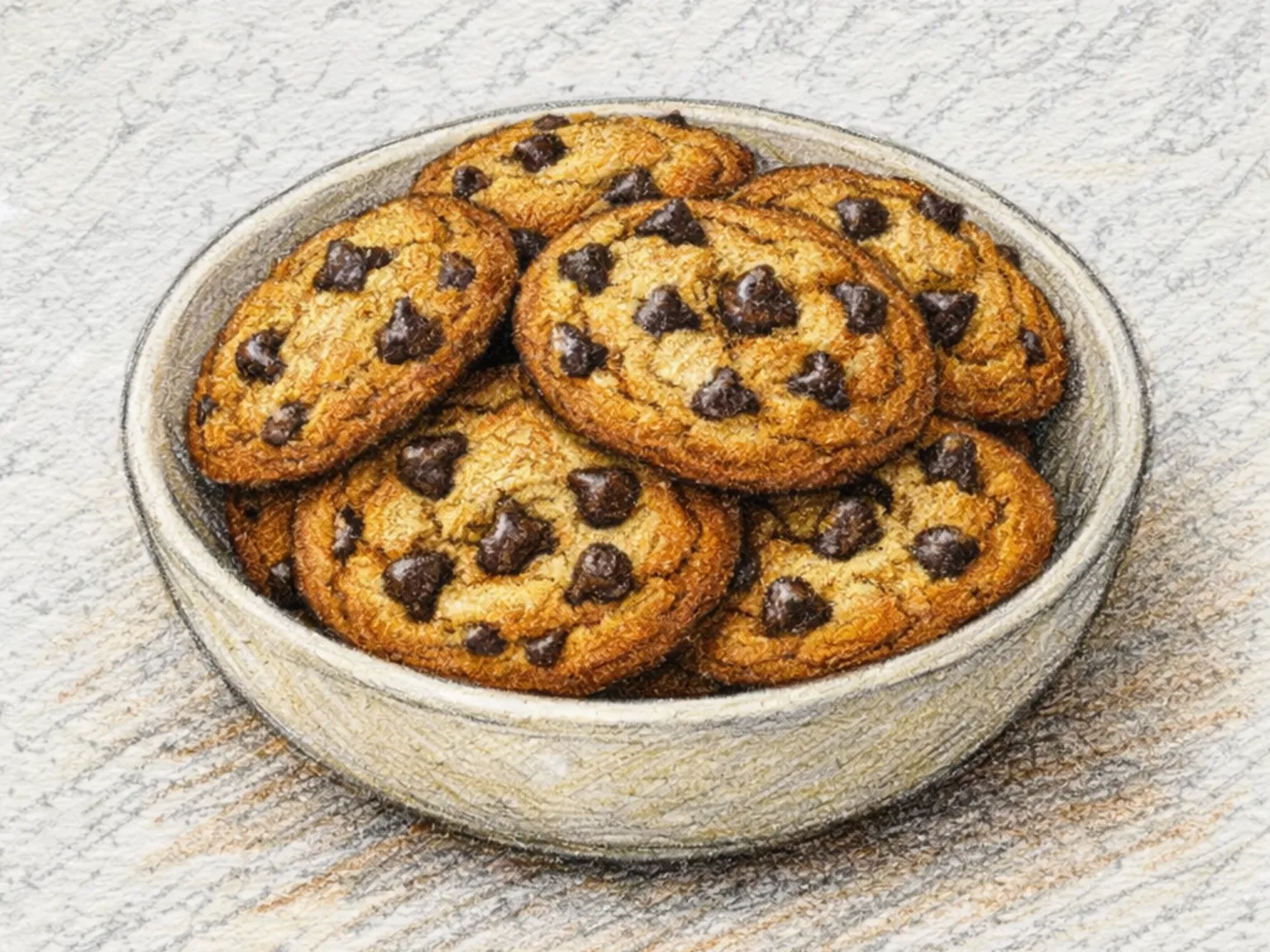
Chocolate Chip Cookies
Chocolate chip cookies are the most commonly baked cookie in American home kitchens, and despite a seemingly simple ingredient list the recipe conceals a precise set of variables that separate a good cookie from a great one. The ratio of brown sugar to granulated white sugar is the single most important decision: more brown sugar introduces molasses, which is hygroscopic and holds moisture in the finished cookie, producing a chewy, dense texture; more white sugar encourages the dough to spread in the oven and crisps the edges. Creaming softened butter with the sugars until the mixture turns pale and fluffy incorporates air into the dough, which gives the baked cookie lift and a slightly cakey interior. Chocolate chips, whether semi-sweet, dark, or a mixture, melt during baking and spread into the surrounding dough before re-solidifying as the cookie cools, forming pockets of concentrated chocolate distributed unevenly through each cookie. The moment to pull the tray from the oven is when the edges have set and turned golden while the center still appears underdone and almost raw-looking, because the residual heat of the pan continues to cook the interior as the cookies rest and cool. Pressing flaky sea salt into the surface of each cookie just before baking sharpens all the flavors, making the chocolate taste more chocolatey and the butter taste more buttery. Eaten warm, within minutes of coming out of the oven, a good chocolate chip cookie barely holds together and melts at the edges with the slightest pressure. That fragile, yielding moment is the whole point.
Blondie Bars
Blondie bars take the dense, fudgy structure of brownies and replace the chocolate with the caramel depth of browned butter and brown sugar. Cooking the butter slowly until it turns a deep golden-brown color produces a pronounced nutty, toasted aroma that functions as the flavor backbone of the entire bar - more complex than plain melted butter can deliver. Brown sugar dissolves into the browned butter and contributes a toffee-like sweetness with a molasses undertone that white sugar simply cannot replicate. Eggs and vanilla extract add warmth, richness, and depth to round out the flavor. Using a modest amount of flour is deliberate: too much tips the texture toward cakey, while the right quantity keeps the baked bars dense, chewy, and slightly underdone in the center. The surface develops a thin, crackly shell during baking, while the interior stays soft and slightly sticky - that contrast of textures is central to a properly made blondie. The bars must cool completely before slicing; cutting too early causes them to collapse and lose their clean edges.
Black Sesame Brownies
Black sesame brownies are built on a base of dark chocolate and butter melted together over a double boiler, with roasted black sesame powder sifted in before folding. The bitter edge of the chocolate meets the toasted, grain-like aroma of the sesame, adding a nutty depth that standard brownies lack. The cake flour ratio is kept low to produce a fudgy, dense center that stays slightly underdone-looking even after the full bake at 175 degrees Celsius for twenty to twenty-five minutes. Because black sesame powder is naturally oily and prone to clumping, it must be sifted together with the flour and salt before going into the batter - skipping this step leaves uneven pockets of undistributed sesame. Pull them from the oven with a faint wobble at the center, and the residual heat finishes the interior as the pan cools. Wait until fully cool before cutting for clean edges.
Vanilla Cupcakes
Butter and sugar are creamed until pale and fluffy, then eggs, vanilla extract, cake flour, and milk are incorporated to produce the most versatile cupcake in home baking. The creaming step is where the texture is decided: enough air beaten into the butter creates a light, tender crumb, while under-creaming yields a dense, flat result. Each egg is added individually to maintain a stable emulsion, and the low protein content of cake flour keeps the finished cupcake soft rather than chewy. Filling each liner to seventy percent capacity allows a domed rise without overflow, and the oven door should remain closed for the first fifteen minutes to prevent collapse. Once cooled, these cupcakes accept virtually any frosting - buttercream, cream cheese, ganache - without the base flavor competing. The vanilla is warm and present but never dominant, which is exactly what makes this recipe a dependable foundation for countless variations.
Serve with this
Chicago Deep Dish Pizza
Chicago deep dish pizza is a pie-style pizza where dough is pressed into a deep cast iron or dark metal pan to cover the bottom and climb the walls, then layered with mozzarella cheese and Italian sausage before crushed tomatoes and oregano are spread across the top. Positioning the sauce on the uppermost layer shields the cheese from direct oven heat, preventing it from scorching while the tomato reduces and concentrates over the long bake. The sausage must be pre-cooked with onion to drive off excess moisture, keeping the thick base from turning soggy under the weight of the filling. Stretching the dough wide enough to reach the rim keeps the molten contents contained during baking. After 30 to 35 minutes at 220 degrees Celsius, the pizza requires at least ten minutes of resting before slicing so the interior sets and the layers hold their shape when cut. The dish traces its origins to Pizzeria Uno in Chicago in 1943 and has since become one of the city's defining foods.
Fruit Cottage Cheese Bowl
This high-protein bowl requires no cooking and comes together in under five minutes. A generous scoop of cottage cheese forms the base, and fresh strawberries, blueberries, and banana are arranged on top in whatever combination looks appealing. The cheese's mild, lactic saltiness pairs naturally with the fruit's sweetness without needing any added dressing or seasoning. Sliced almonds contribute crunch and a layer of healthy fats, while chia seeds provide omega-3s and a subtly gel-like texture once they have had a moment to absorb the moisture around them. A light drizzle of honey brings all the components together with a unifying sweetness. The simplicity of the bowl makes it a practical choice for a quick breakfast or a post-workout meal when protein matters but time is short.
Fresh Lemon Ade
Fresh lemonade is a citrus drink assembled by pouring hand-squeezed lemon juice and simple syrup over ice, then topping slowly with sparkling water. The sharp acidity of fresh lemon is tempered by the syrup's rounded sweetness, creating a balance that bottled juice cannot replicate. A tiny pinch of salt amplifies both the sweet and sour notes simultaneously, a small addition with a noticeable effect. Lemon slices and mint leaves added to the glass release fragrance continuously as the drink sits. Pouring the sparkling water last and gently preserves the carbonation through every sip, so the order of assembly matters as much as the ingredients themselves.
Similar recipes
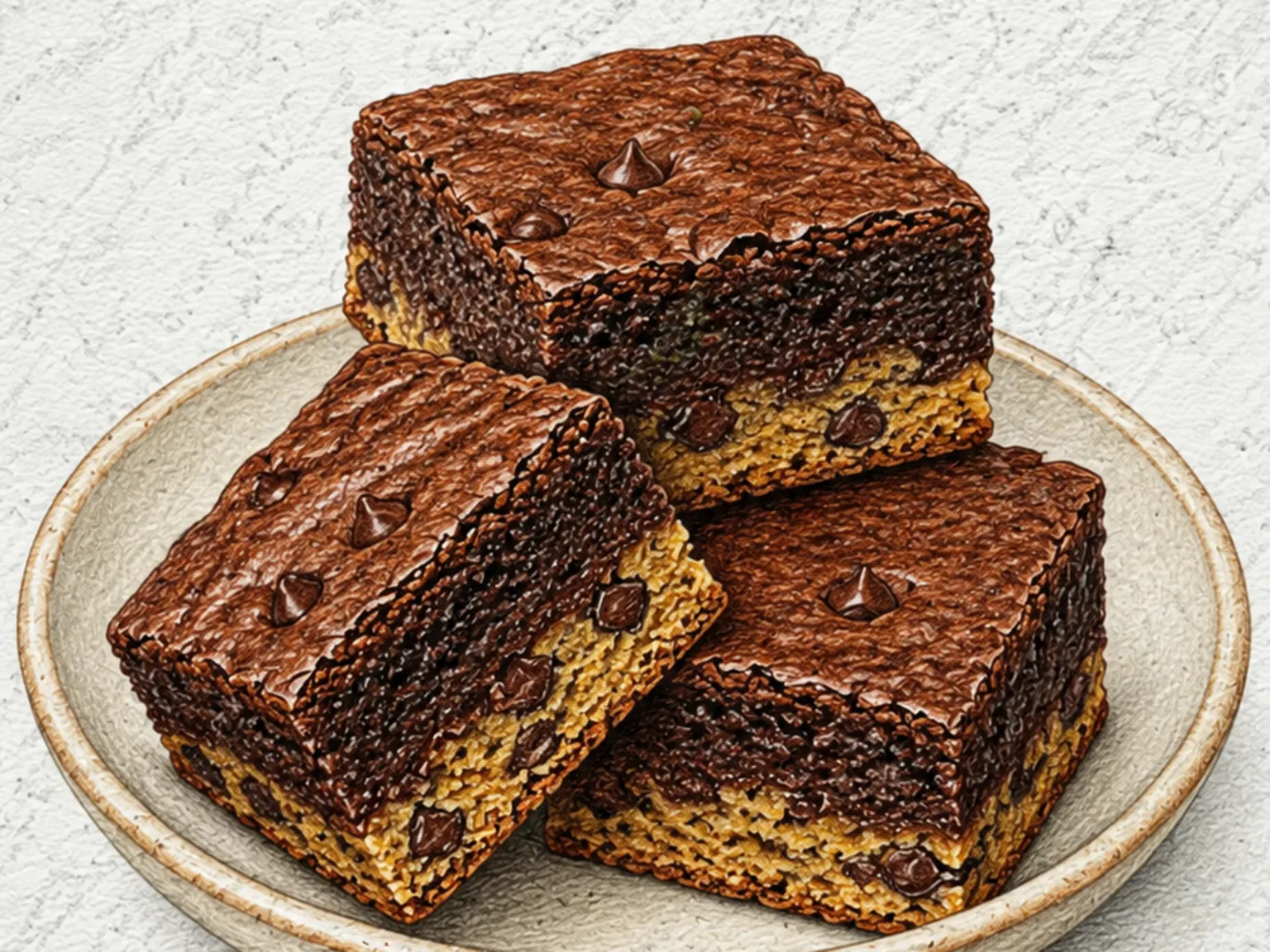
Fudgy Brownies
A fudgy brownie delivers dense, moist chocolate intensity in every bite, distinguishing itself from cake-style brownies through a higher ratio of butter and chocolate to flour. Melting chocolate and butter together before folding in sugar and eggs produces a glossy, pourable batter that bakes into a thin crust on top while the interior stays rich and slightly underdone. Pulling the pan from the oven just before the center fully sets is critical: as the brownie cools, that center sinks into a chewy, truffle-like layer. Using dark chocolate with a high cacao percentage shifts the flavor toward bittersweet depth rather than simple sweetness. A scattering of flaky sea salt on top before baking creates a sweet-salty contrast that amplifies the chocolate. Walnuts or pecans folded into the batter introduce crunch amid the dense crumb. Cutting clean squares requires patience, as the texture firms only after the brownie has cooled completely.
Bananas Foster
Bananas Foster is a New Orleans dessert invented in the 1950s at Brennan's Restaurant, built around the simple technique of caramelizing bananas in butter and brown sugar before serving them over vanilla ice cream. The sauce begins by melting butter in a skillet and stirring in brown sugar until the two combine into a thick, bubbling caramel. Halved bananas go in cut-side down and cook just long enough to absorb the syrup while holding their shape. Ground cinnamon folded into the sauce adds a warm spice layer that keeps the sweetness from reading as flat, and a squeeze of lemon juice sharpens the overall profile. Traditional preparation calls for igniting rum poured into the hot pan - the blue flame burns off the alcohol and concentrates the molasses notes in a few dramatic seconds. The step can be skipped at home without meaningfully altering the result. Spooning the hot caramelized bananas over cold ice cream generates immediate steam, and the contrast between molten caramel and frozen cream defines every bite. The entire dish takes roughly ten minutes.