Charim

2686 Korean & World Recipes

2686+ Korean recipes, clean and organized. Ingredients to instructions, all at a glance.

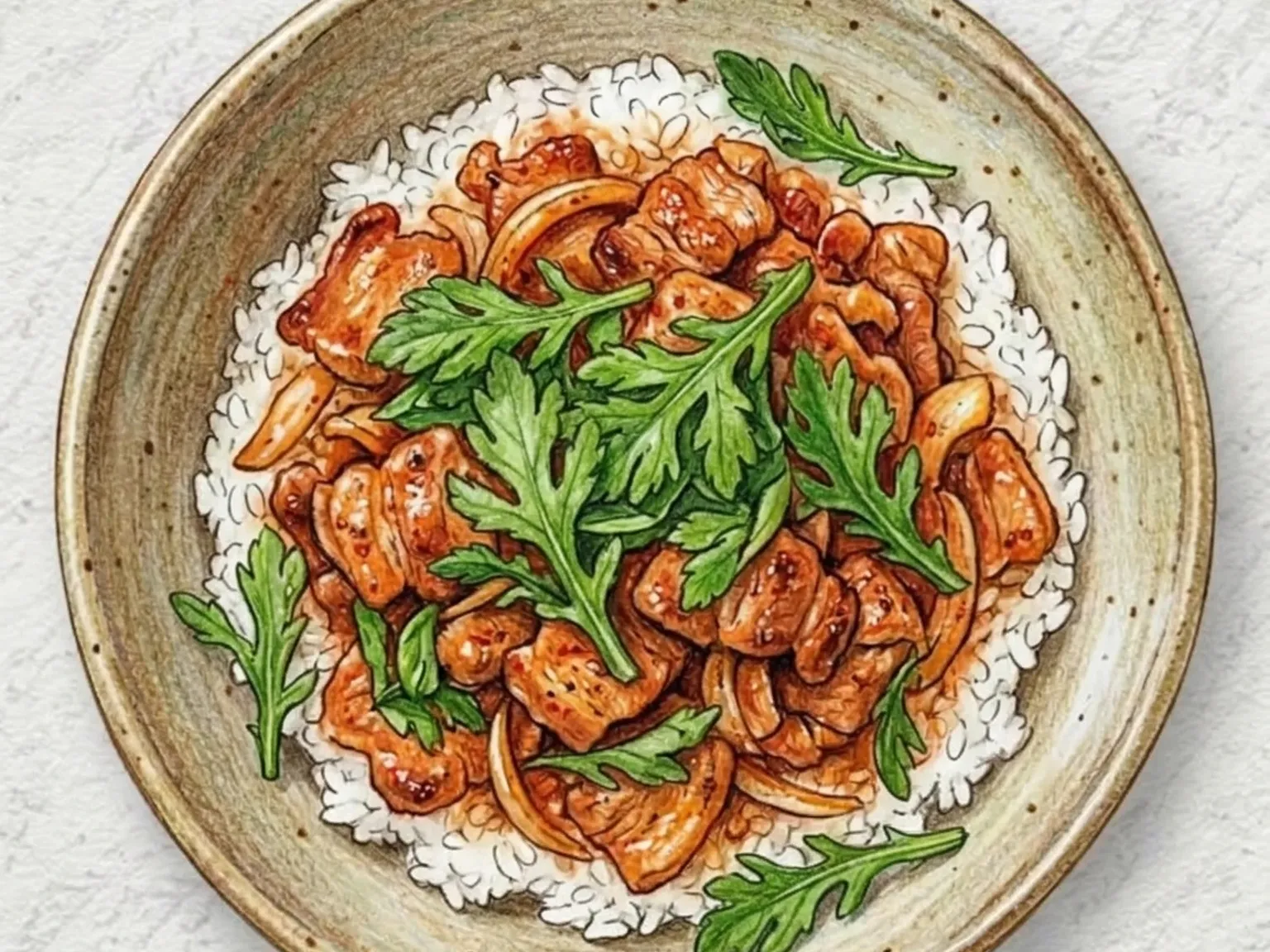
Korean Braised Pork with Garlic Chives

Korean Braised Pork with Garlic Chives

Pork shoulder is braised with garlic chives in a soy sauce, gochugaru, and cooking wine seasoning. The shoulder cut stays moist and yielding after slow steaming, with its moderate fat content keeping the meat from drying out. A generous pile of garlic chives wilts over the pork, releasing a sweet, garlicky aroma. Finished with sesame oil and black pepper, this braised dish delivers a balance of savory depth and mild spice that pairs well with steamed rice.

Prep 20min Cook 35min 2 servings

Adjust Servings

2servings
servings

Instructions

  1. 1

    Cut pork into bite-size pieces and season with 1 tbsp cooking wine and pepper for 10 minutes.

  2. 2

    Cut garlic chives into 5 cm pieces and slice the onion.

  3. 3

    Mix soy sauce, chili flakes, minced garlic, remaining cooking wine, and water to make the braising sauce.

  4. 4

    Place pork and onion in a pot, add the sauce, and simmer over medium heat for 20 minutes.

  5. 5

    When the liquid reduces by about half, add chives and braise 5-7 minutes more.

  6. 6

    Turn off heat, drizzle sesame oil, toss lightly, and serve immediately.

🛒Shop Ingredients on Amazon

As an Amazon Associate, we may earn from qualifying purchases.

Tips

Add chives near the end to keep their texture and aroma.
If too salty, add 1-2 tbsp water to rebalance the sauce.

Nutrition (per serving)

Calories
410
kcal
Protein
31
g
Carbs
11
g
Fat
26
g

More Recipes

Korean Steamed Duck with Chives
SteamedMedium

Korean Steamed Duck with Chives

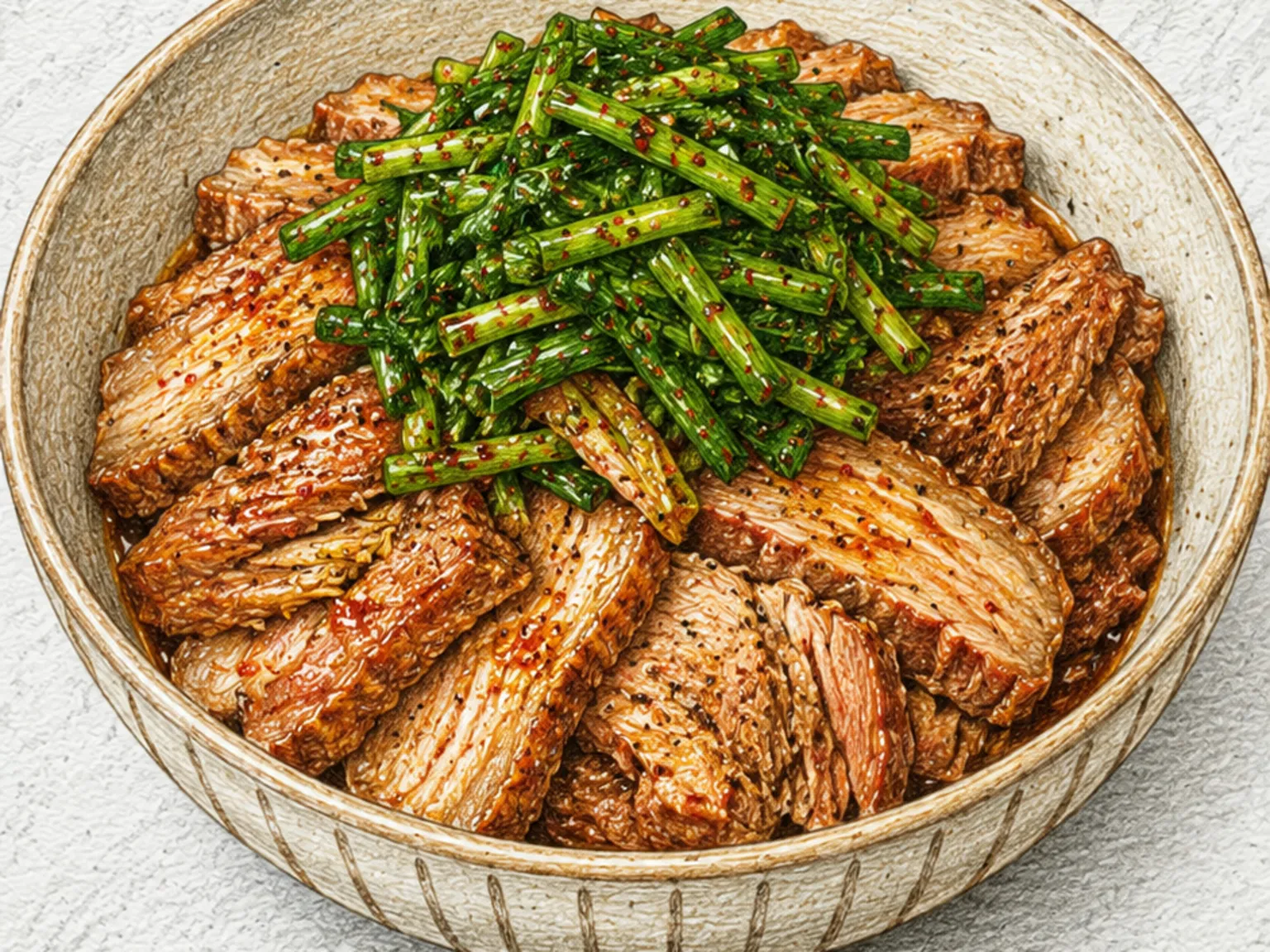
Ori-buchu-jjim is a Korean steamed duck dish where duck meat is marinated in soy sauce, cooking wine, garlic, and black pepper, then braised over a bed of onion with the lid on. During the thirty-minute cook, rendered duck fat is skimmed off to lighten the dish, and fresh garlic chives are stirred in only at the very end so they wilt just enough to release their sharp, grassy fragrance. The chive aroma cuts through the richness of the duck, keeping the overall flavor balanced. The soy-based sauce reduces to a thin glaze as the liquid evaporates, coating each piece of meat. This is a main course that delivers the nourishing qualities associated with duck while keeping the fat content in check.

🎉 Special Occasion
Prep 20minCook 45min4 servings
Korean Braised Eggplant with Pork
SteamedMedium

Korean Braised Eggplant with Pork

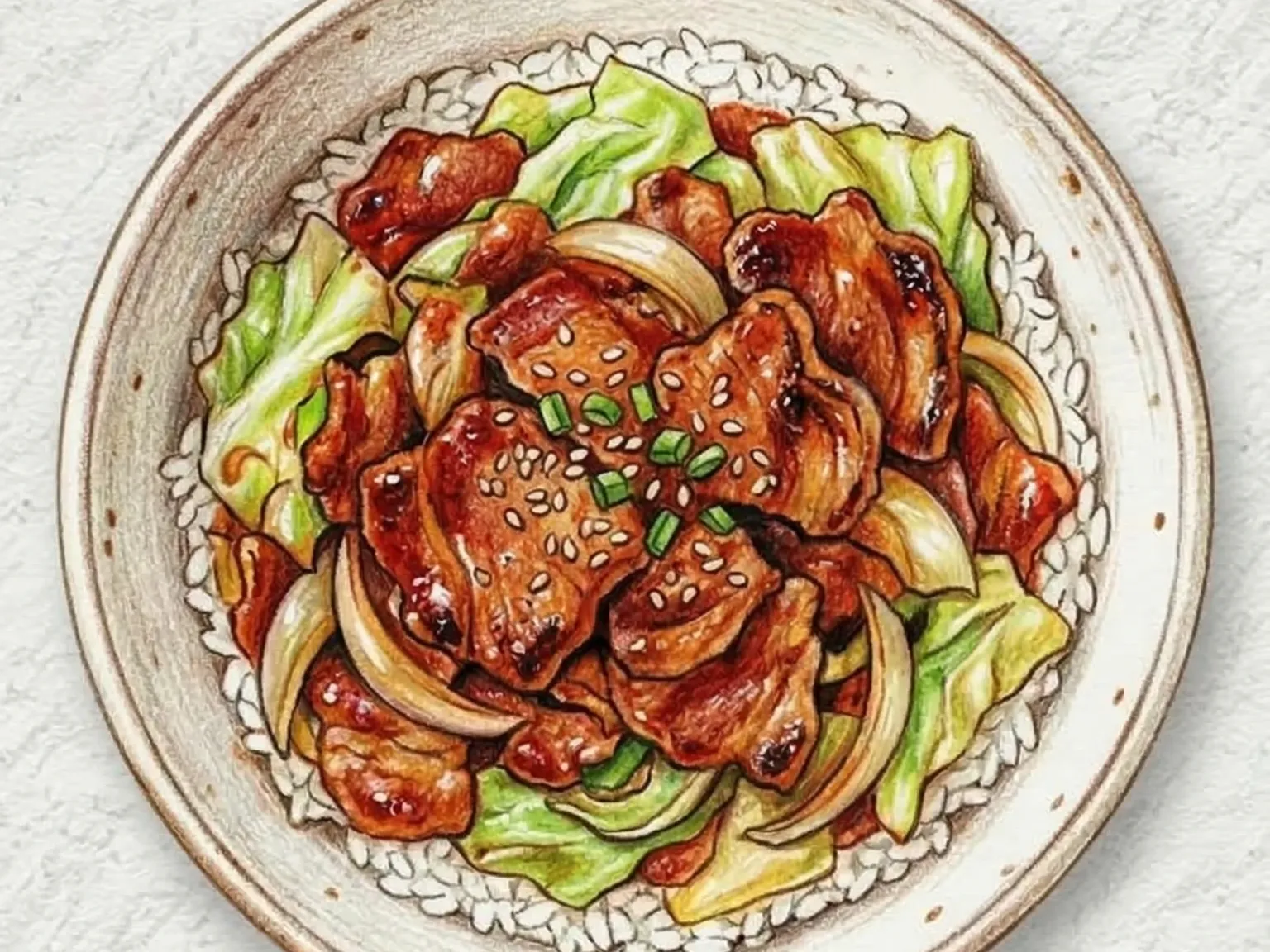
Gaji dwaejigogi jorim is a Korean braised dish of eggplant and pork shoulder in soy sauce with gochugaru. The pork renders its fat into the eggplant as they cook together, giving the vegetable a rich, meaty quality. Cooking wine helps mellow the pork while the soy-garlic base builds deep, layered flavor. A final drizzle of sesame oil ties it all together, and this dish is at its best in summer when eggplants are in peak season.

🎉 Special Occasion
Prep 18minCook 22min4 servings
Korean Braised Pork with Garlic Scapes
SteamedEasy

Korean Braised Pork with Garlic Scapes

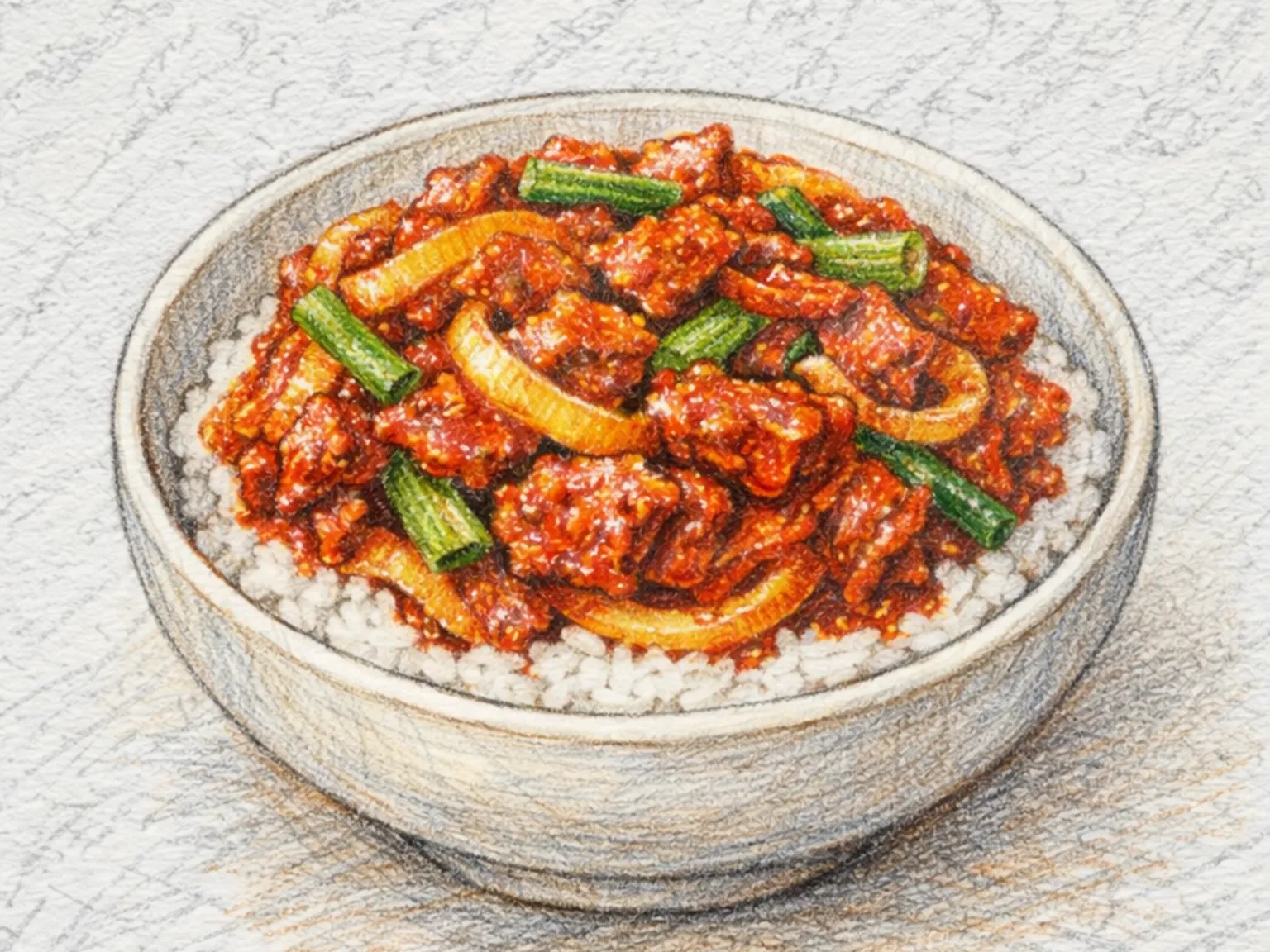
Maneuljjong dwaejigogi-jorim is a Korean braise of pork and garlic scapes in a gochujang, soy sauce, and gochugaru seasoning. The pork releases its juices into the sauce as it cooks, building a concentrated braising liquid that the garlic scapes absorb while retaining their characteristic crunch. Gochujang's deep warmth layers with soy sauce's umami into a compound seasoning, and the garlic scapes' mild pungency cuts through any heaviness from the pork fat. Mixed over rice, the sauce, meat, and vegetables come together into a filling, well-rounded meal.

🍱 Lunchbox
Prep 15minCook 25min2 servings
Korean Braised Pork Back Ribs with Aged Kimchi
SteamedMedium

Korean Braised Pork Back Ribs with Aged Kimchi

Mukeunji deunggalbi jjim is a Korean braise of pork back ribs with well-aged kimchi in a sauce of gochugaru, gochujang, and soy sauce. The bones release a rich stock as they simmer, and the fermented tang of the aged kimchi layers a complex acidity on top of that savory base. Reducing the liquid to about one-third of its original volume concentrates the flavors and creates a thick glaze that clings to each rib. The kimchi softens during the long cook but keeps its assertive, funky character, and the meat eventually pulls cleanly from the bone. Served with steamed rice, this is a hearty, warming main course.

🏠 Everyday🎉 Special Occasion
Prep 25minCook 70min4 servings
Korean Jangjorim Butter Rice
RiceEasy

Korean Jangjorim Butter Rice

Unsalted butter is melted into hot rice so each grain is coated in a slick of fat, then topped with shredded soy-braised beef and its concentrated braising liquid. The beef's soy-based marinade carries enough salt and sweetness that no additional seasoning is needed, and breaking a raw egg yolk into the center and stirring transforms the texture into something creamy. Roasted seaweed flakes add a brittle crunch and oceanic note, while scallion and sesame seeds round out the finish. If the jangjorim is already prepared, the entire assembly takes less than fifteen minutes.

🏠 Everyday🍱 Lunchbox
Prep 10minCook 15min2 servings
Korean Soy-Braised Pork and Potatoes
Stir-fryMedium

Korean Soy-Braised Pork and Potatoes

Dwaejigogi-gamja-jorim is a Korean braise of pork shoulder and potatoes simmered together in a soy sauce seasoning. The potatoes absorb the meat drippings and soy marinade, becoming fluffy inside with a salty-savory glaze on the surface. Onions added to the pot lend gentle sweetness that softens the overall saltiness. Combining protein and starch in a single pot, it is a practical one-dish meal for busy weeknights.

🏠 Everyday🍱 Lunchbox
Prep 15minCook 35min4 servings
More Steamed →