Steamed Recipes
146 recipes
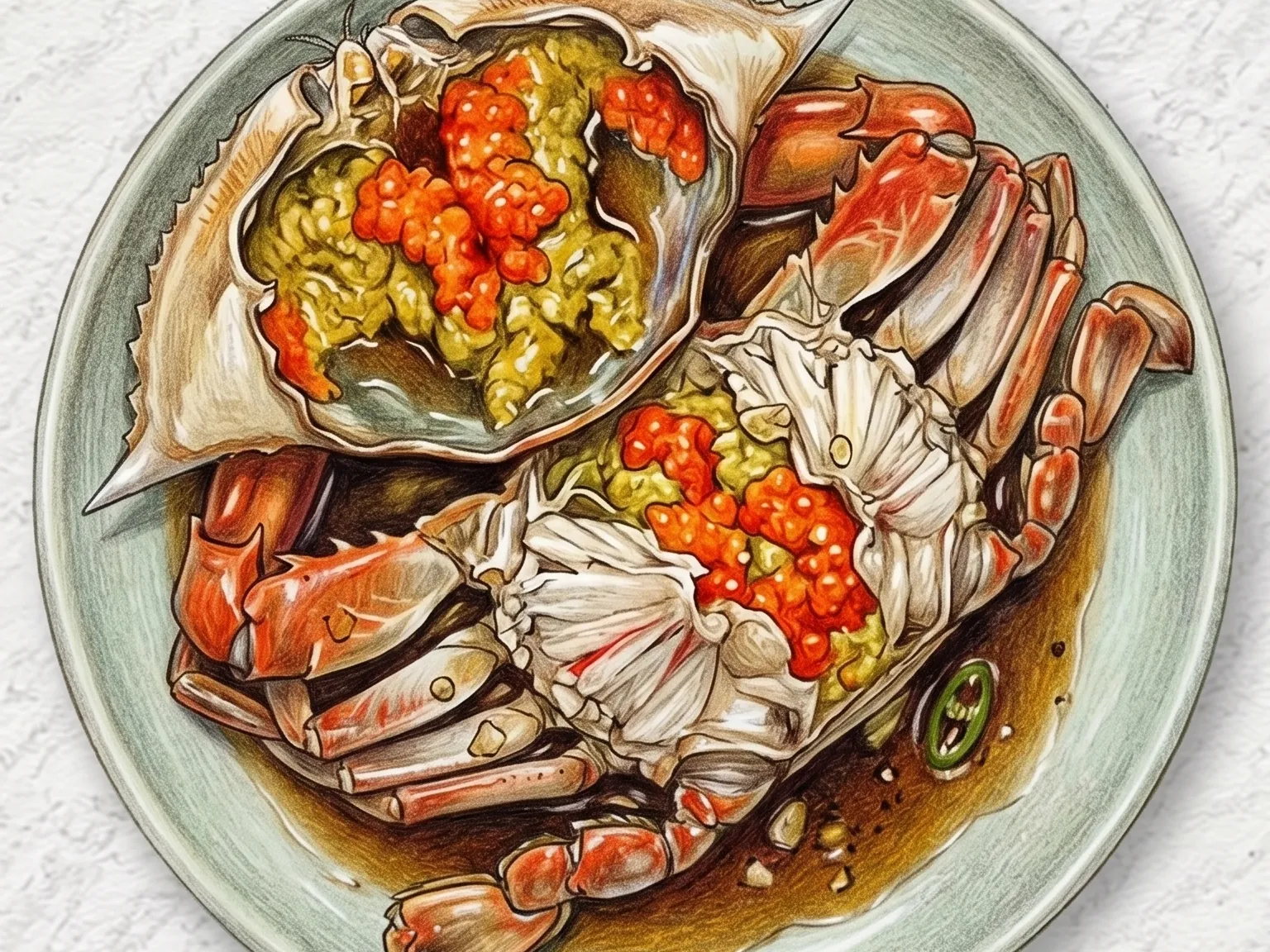
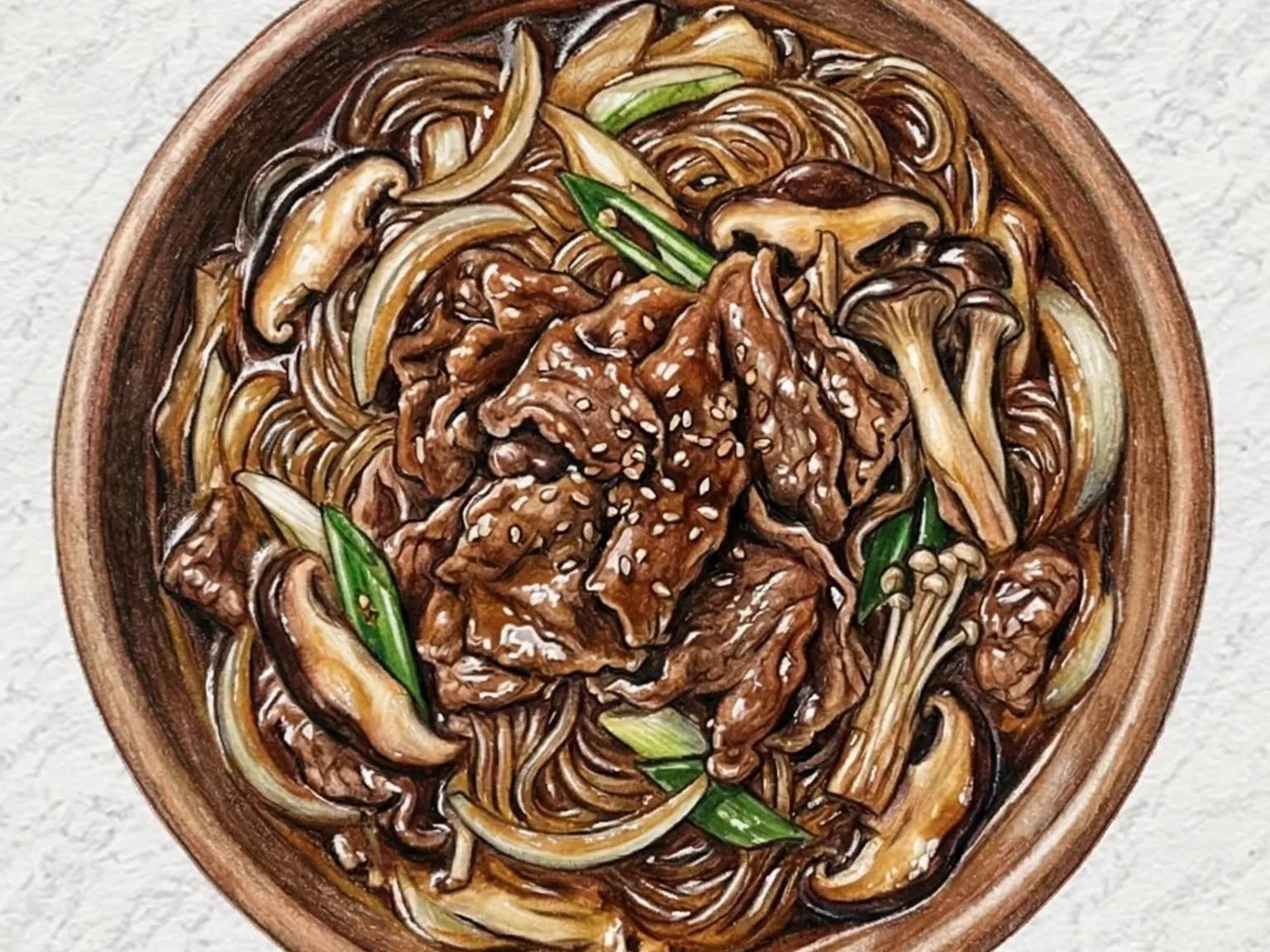
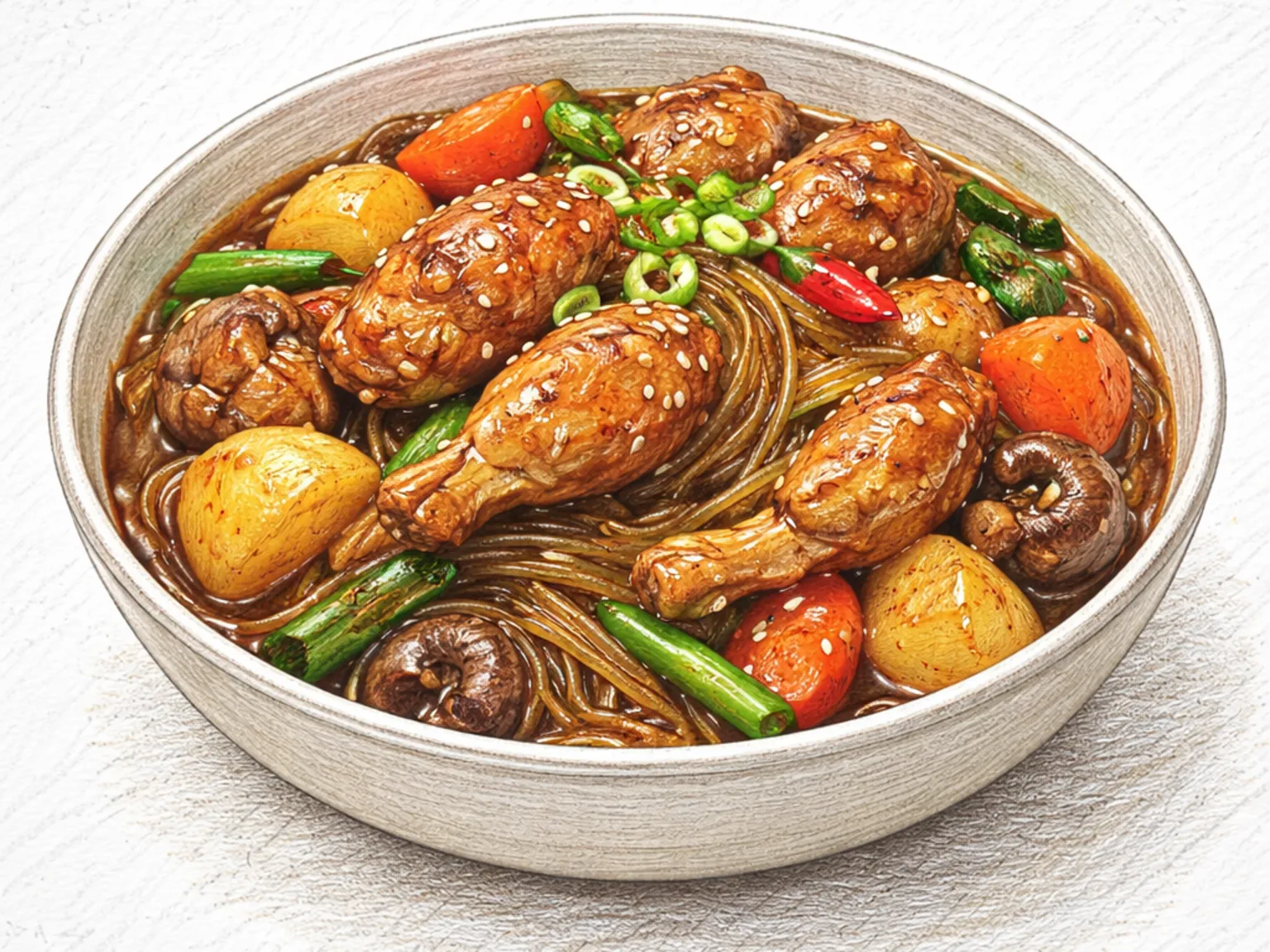
Jjim refers to Korean braised and steamed dishes cooked low and slow with rich seasoning. Galbi-jjim (braised short ribs), jjimdak (braised chicken), and haemul-jjim (spicy seafood) are holiday favorites, but they make impressive meals any day of the week.
Slow cooking allows the meat to become melt-in-your-mouth tender while the sauce penetrates every layer. A base of soy sauce, sugar, garlic, and sesame oil is all you need to build the signature sweet-savory glaze.

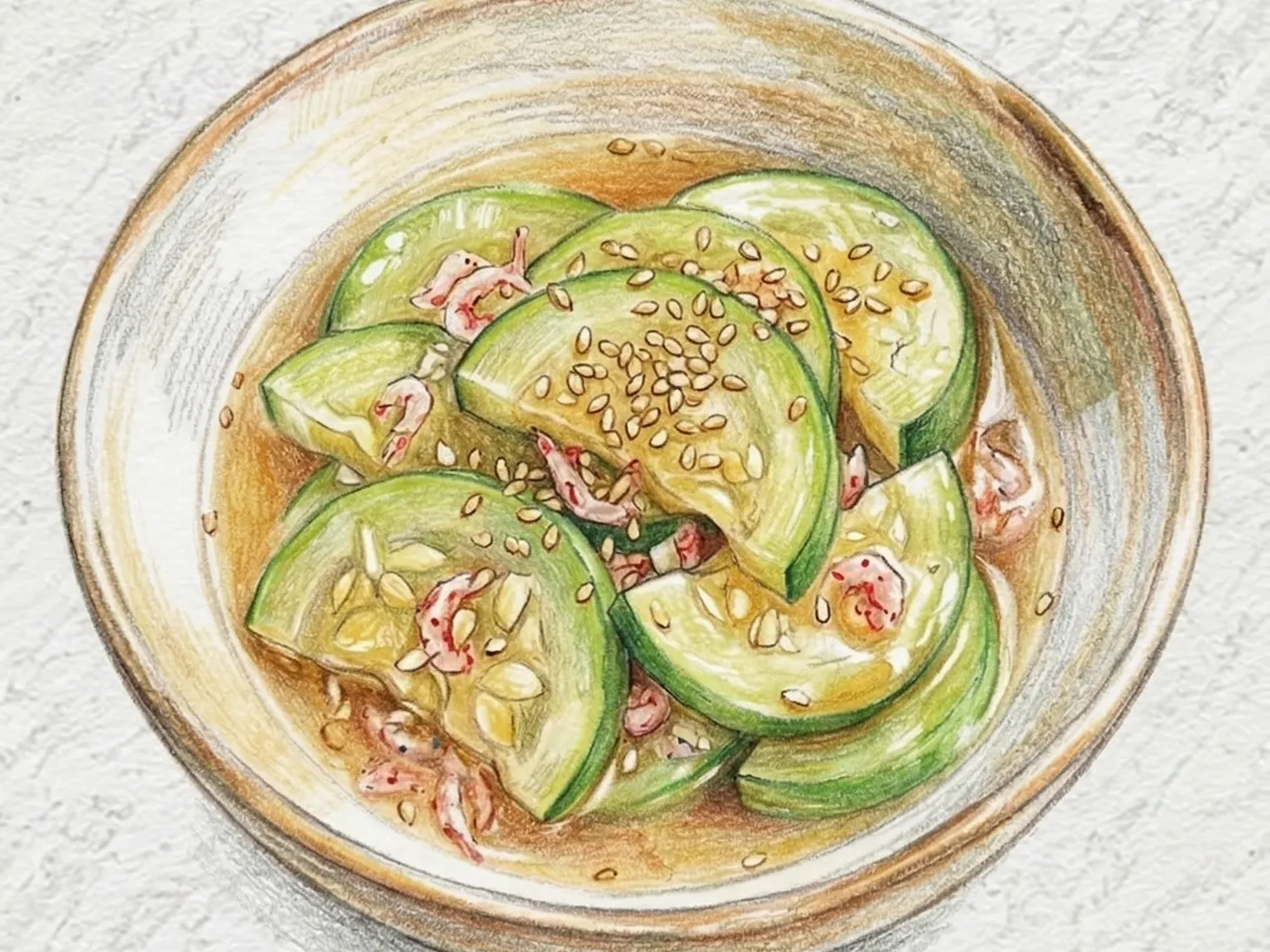
Korean Steamed Zucchini with Salted Shrimp
This gentle braise belongs to a family of Korean jjim dishes where vegetables are steam-cooked in minimal liquid seasoned with fermented ingredients. Salted shrimp - saeujeot - is the sole seasoning base, minced and dissolved into water with garlic to create a light broth. Half-moon slices of zucchini cook covered on medium-low heat, absorbing the shrimp's briny umami as they turn translucent. The technique produces something between steaming and braising: the zucchini stays moist and intact, never waterlogged. A finish of perilla oil and sesame seeds off-heat adds a nutty fragrance. This banchan traces to Korean countryside kitchens where salted shrimp was the primary seasoning before soy sauce became widely available. It pairs naturally with steamed rice and a stronger-flavored main dish.

Korean Andong Braised Chicken
Andong jjimdak is said to have originated in Andong's old market - Gu-sijang - during the 1980s, though its roots in soy-braised chicken cooking go back much further in Gyeongsang Province. Whole chicken pieces braise in a dark, concentrated sauce of soy sauce, sugar, gochugaru, garlic, and ginger until the meat nearly separates from the bone. Glass noodles - dangmyeon - are added toward the end, absorbing the braising liquid until they turn translucent and deeply stained. Potatoes and carrots provide bulk and sweetness, while dried red chilies and sliced cheongyang pepper deliver a layered heat that builds slowly. The finished dish arrives at the table in a wide, shallow pot, glossy and dark, with every component coated in the reduced soy glaze. It became a nationwide phenomenon in the early 2000s and remains one of Korea's most popular communal dishes, typically shared by two or three people over steamed rice.

Korean Steamed Monkfish Stomach
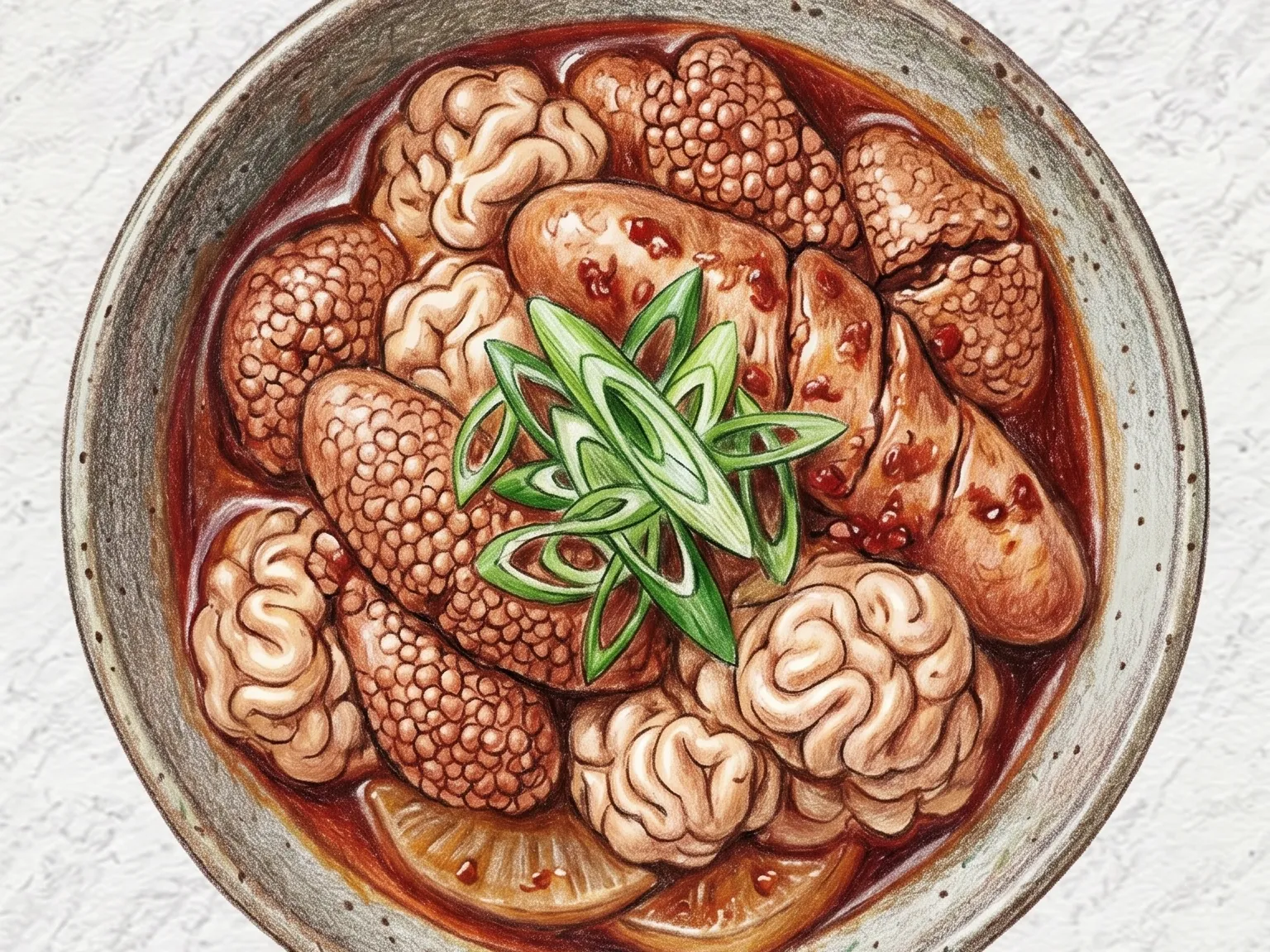
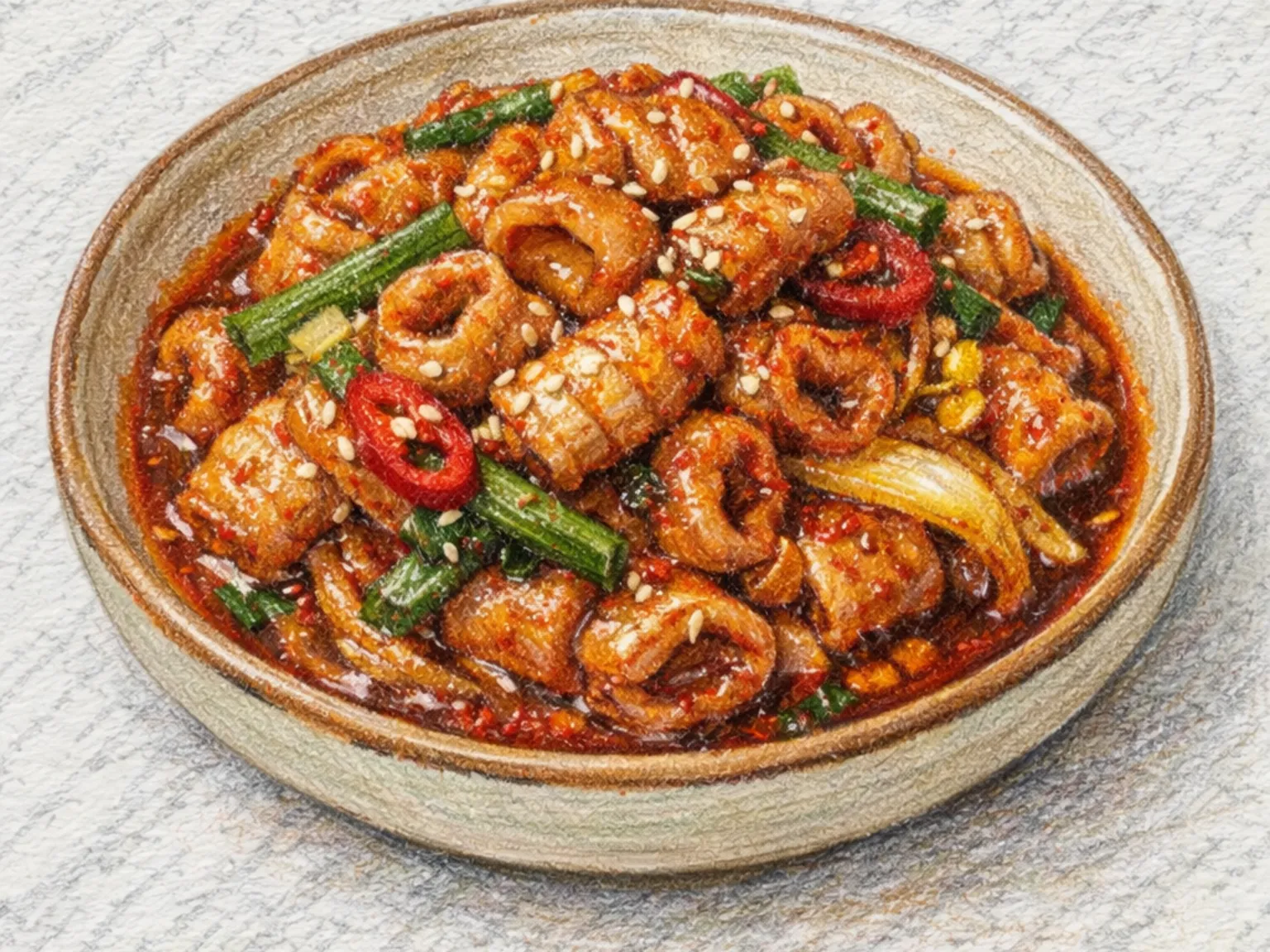
Baegoppae jjim is a Korean steamed dish featuring monkfish stomach, valued for its uniquely chewy and springy texture that differs markedly from regular fish flesh. The monkfish stomach is scrubbed with salt and flour to remove any fishy odor, then cut into bite-sized pieces. A seasoning paste of gochugaru, soy sauce, minced garlic, and ginger juice coats the pieces, which marinate for ten minutes to absorb the flavors. The seasoned stomach is placed in a pot with a small amount of water, covered, and steamed at medium heat for fifteen minutes until the sauce reduces and forms a thick glaze on each piece. Water dropwort (minari) is added in the final minute for its herbal fragrance and crisp contrast against the chewy stomach. The texture is the defining feature: each piece requires several deliberate chews, during which the concentrated spicy-savory glaze releases its flavor gradually.

Korean Soy-Braised Dotted Gizzard Shad with Radish
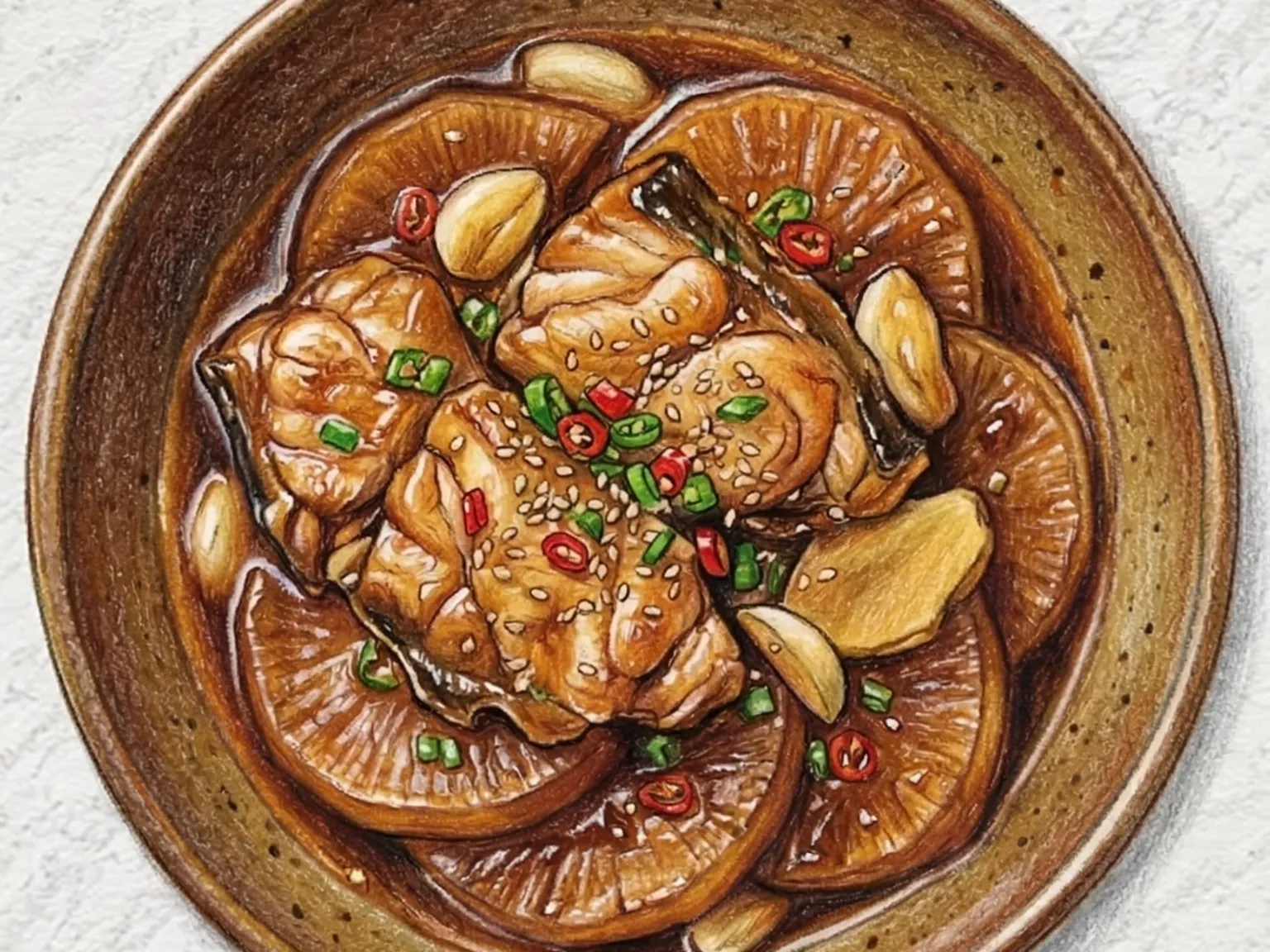
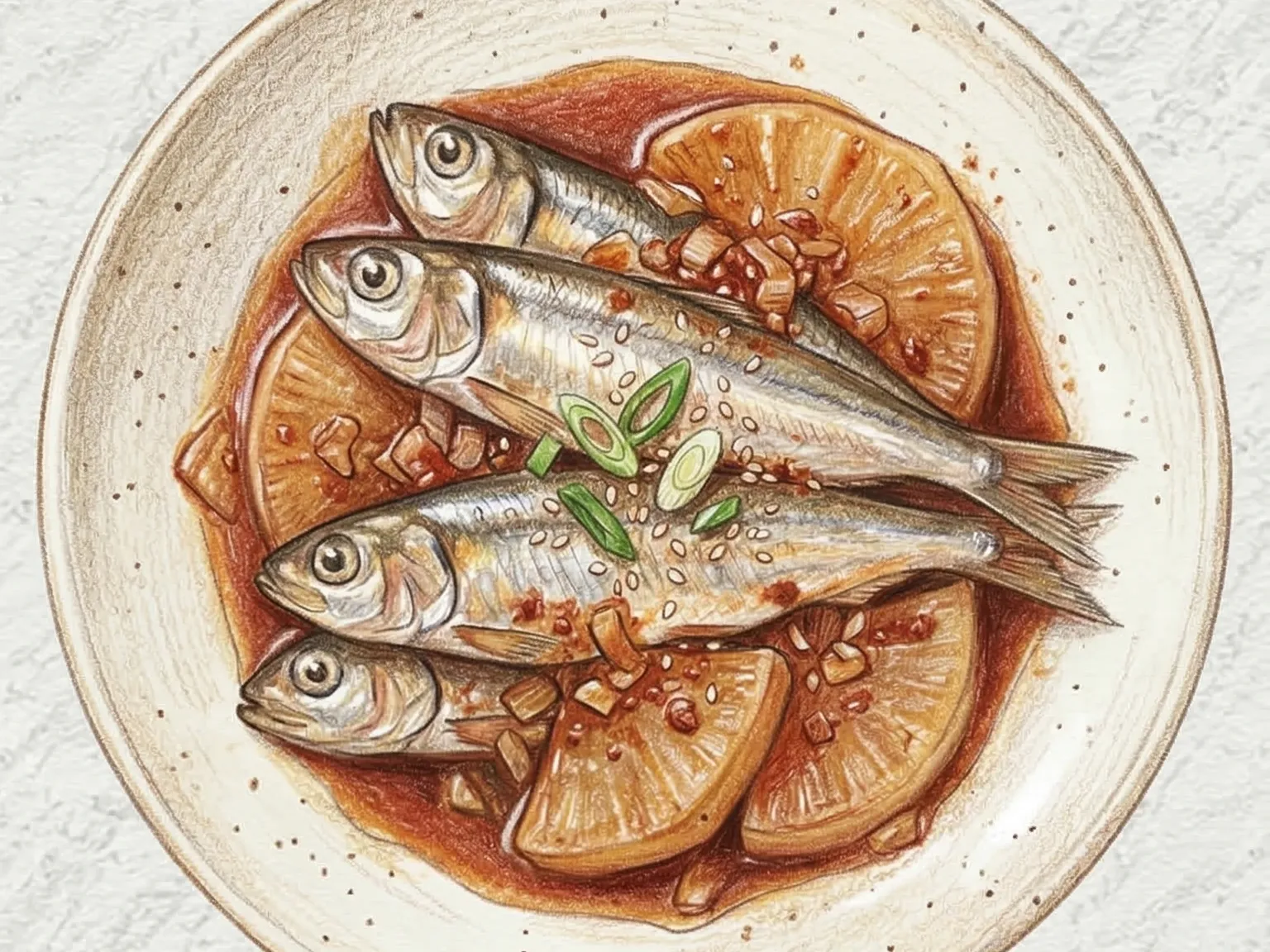
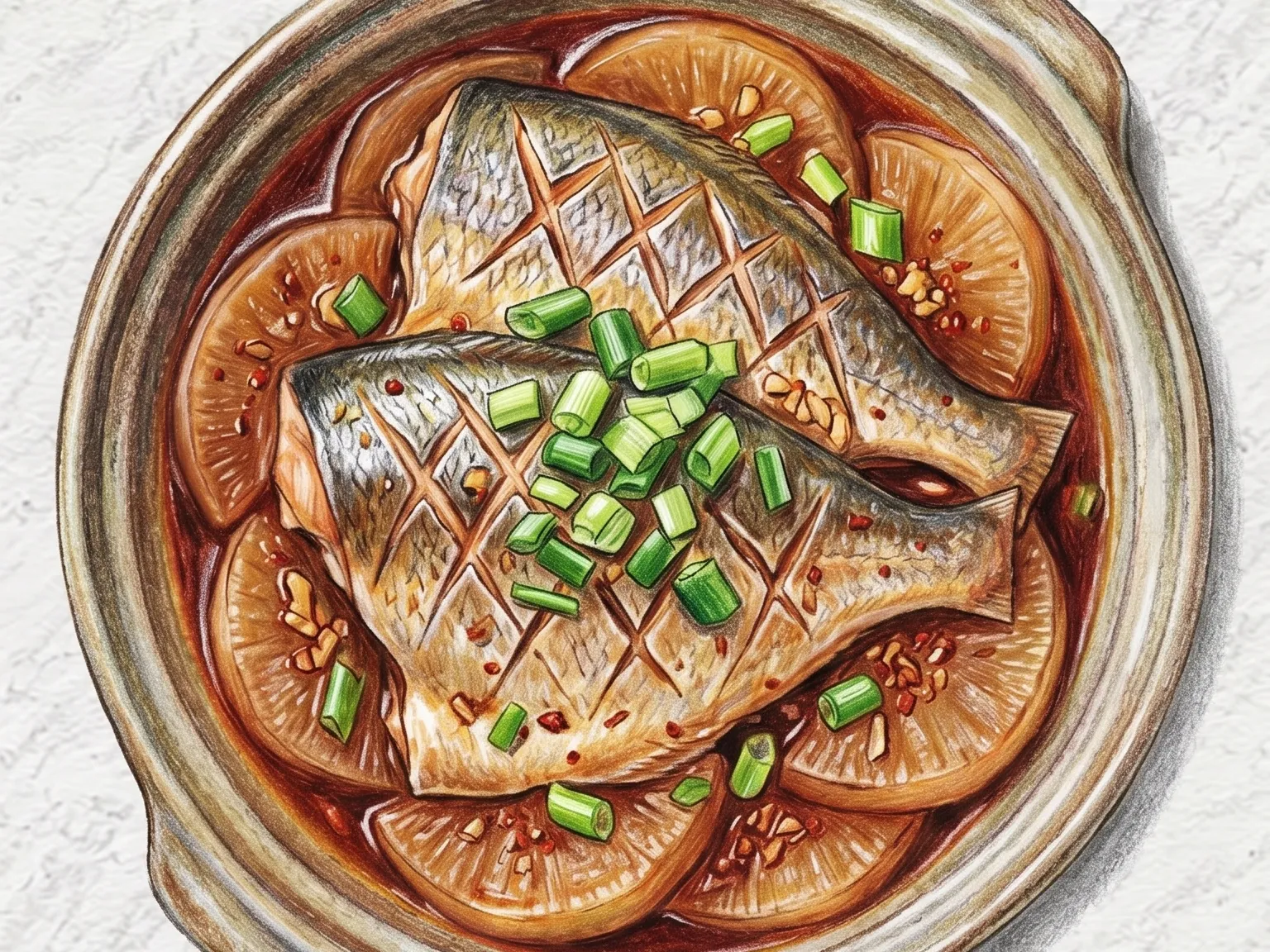
Baendaengi mu jorim is a Korean braised dish where small dotted gizzard shad and radish simmer together in a gochujang-based sauce. Radish lines the bottom of the pot, preventing the fish from sticking and absorbing the braising liquid as it reduces, which infuses the radish with a deep salty-sweet flavor. The sauce combines gochujang, gochugaru, soy sauce, and minced garlic, with cooking wine added to suppress any fishy odor while contributing a mild sweetness. The pot simmers covered on medium-low heat for twenty minutes, with the sauce spooned over the fish midway through to ensure even coating. Gizzard shad have fine, soft bones that are edible whole, and the braising process softens them further until they are barely noticeable when chewing. Onion added alongside the radish melts into the liquid as it cooks, contributing natural sweetness that balances the spicy-salty punch of the sauce. The finished dish concentrates into a thick glaze that clings to both the fish and the radish pieces.

Korean Steamed Mixed Mushrooms
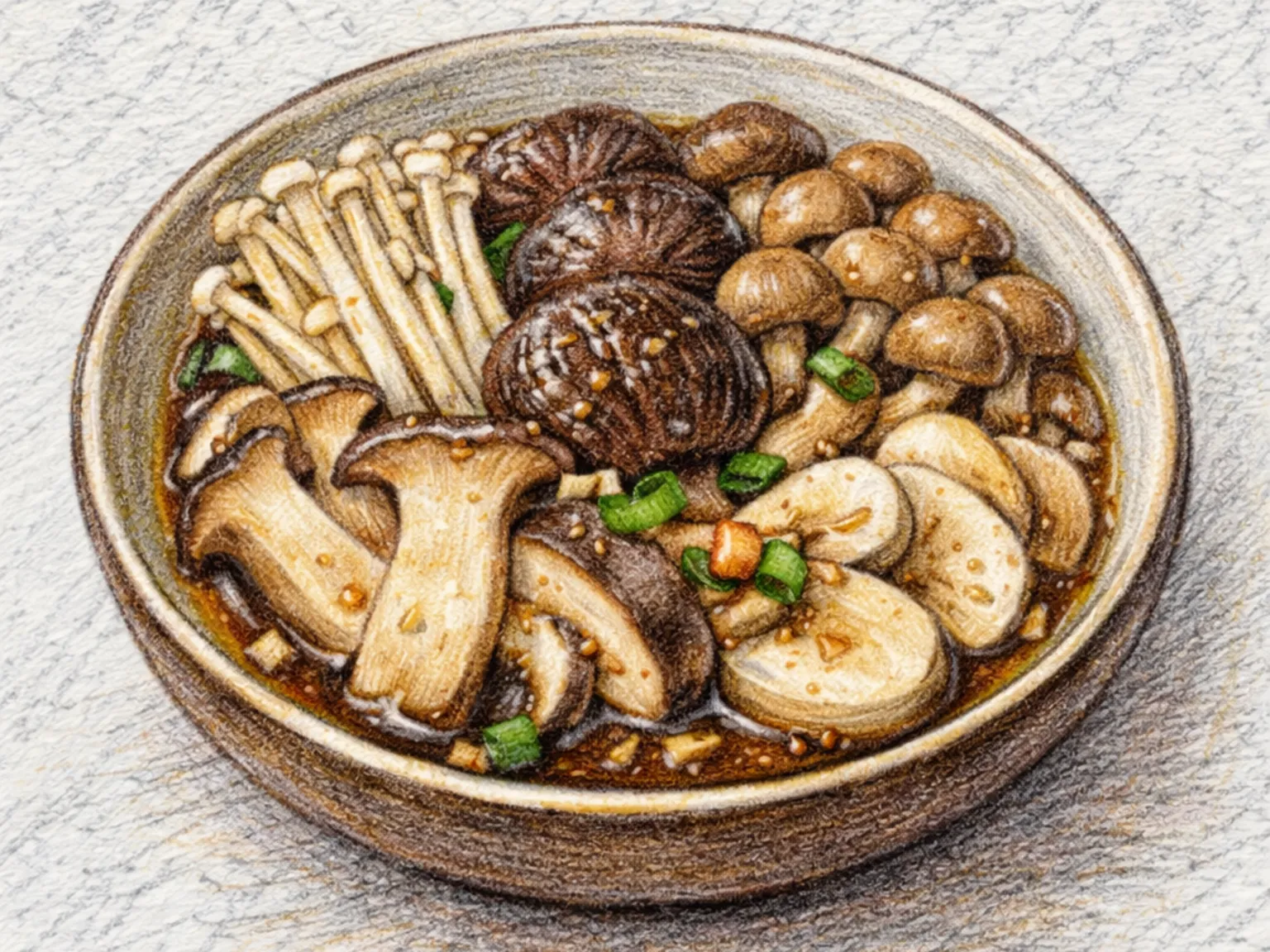
Three types of mushrooms - oyster, shiitake, and enoki - are steamed in a soy sauce and garlic seasoning. Each mushroom variety keeps its distinct texture: the meaty chew of oyster, the thick bite of shiitake, and the delicate snap of enoki. Sesame oil adds a finishing nuttiness to the minimal soy-garlic base. With just a handful of ingredients, this steamed side dish lets the natural flavors and aromas of the mushrooms come through clearly.

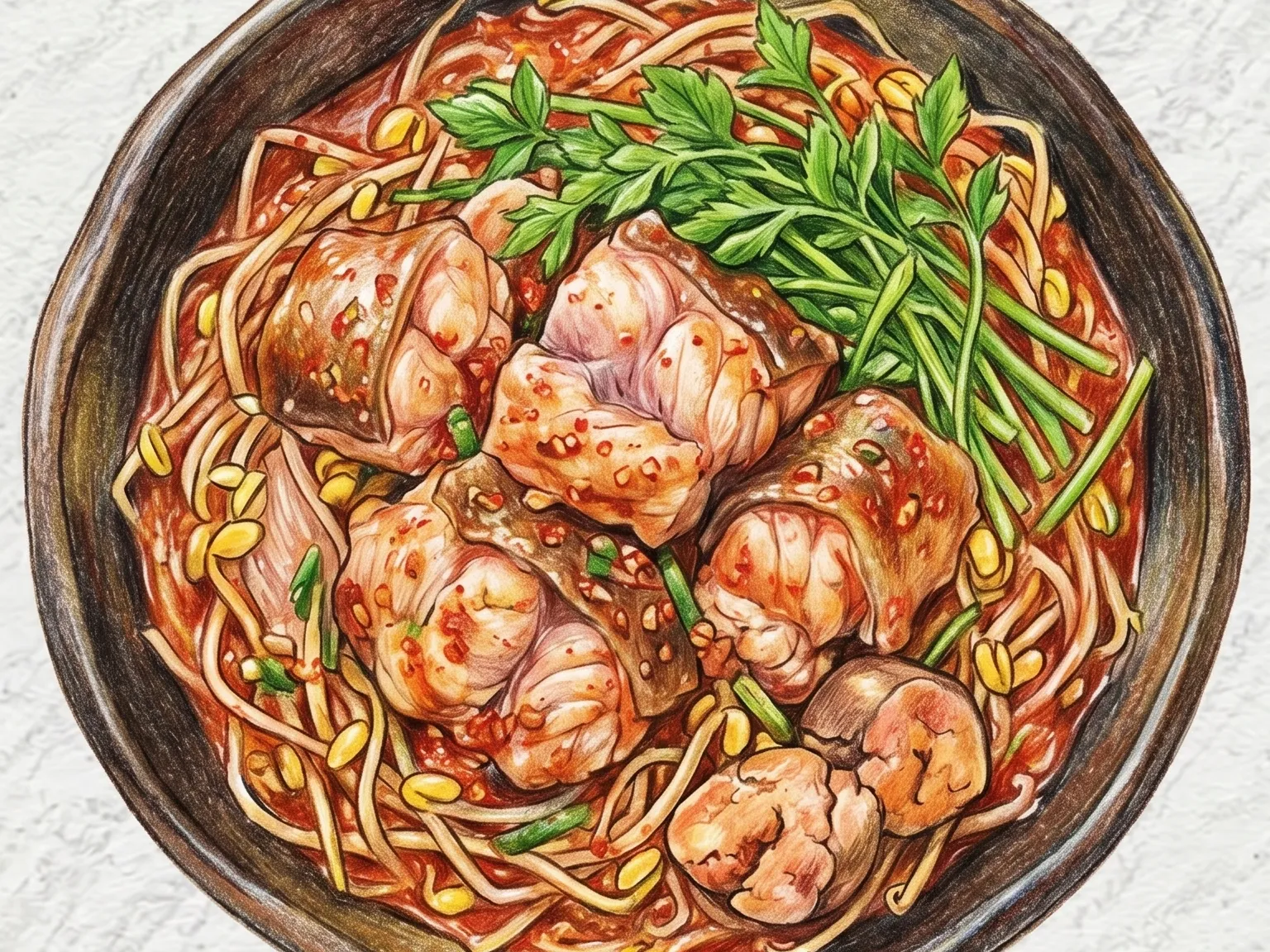
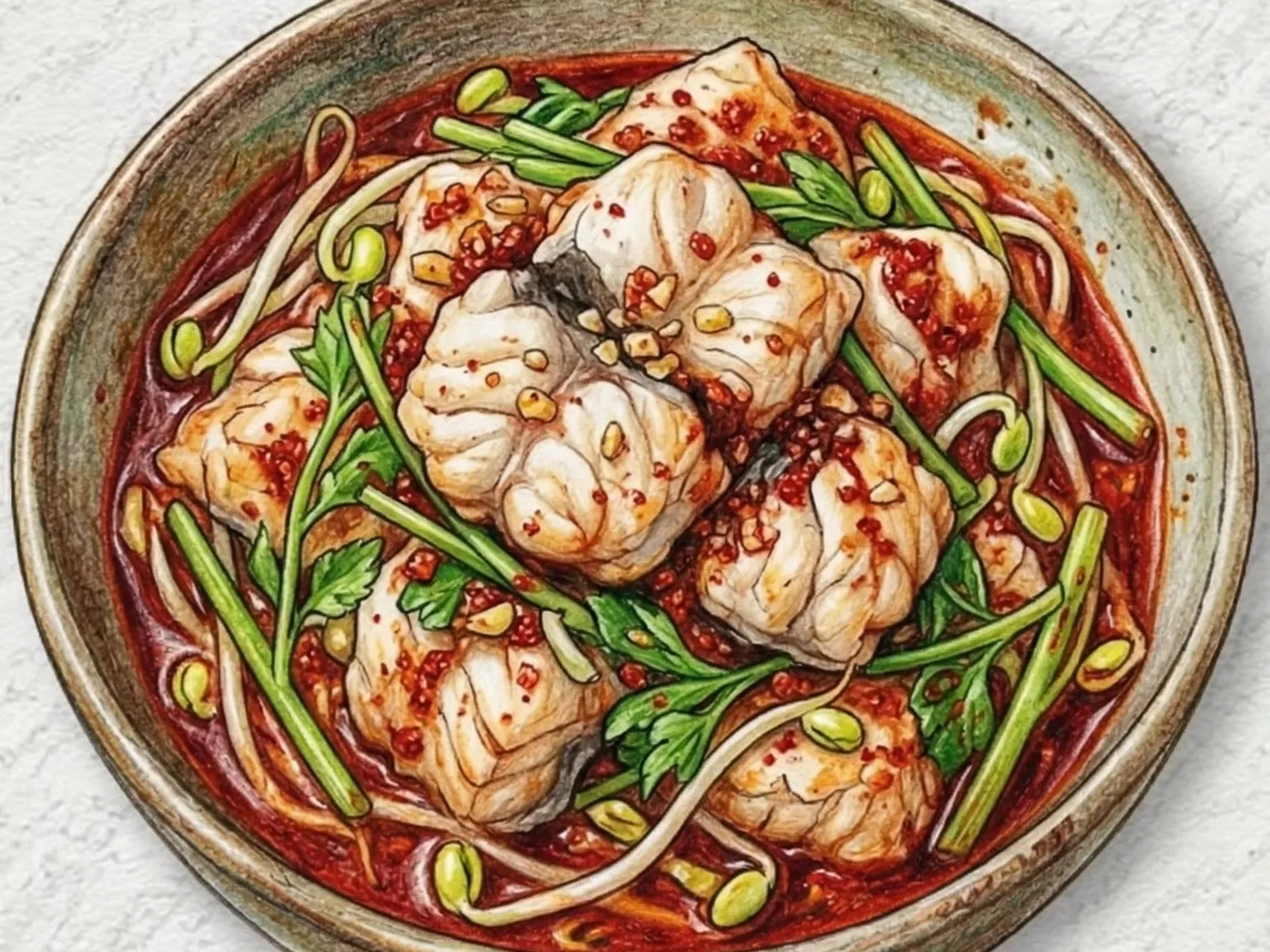
Korean Spicy Braised Pufferfish
Cleaned pufferfish fillets are steamed with bean sprouts and water dropwort in a spicy gochugaru and gochujang sauce. The pufferfish meat is lean with a firm, bouncy texture that holds up well under the bold chili seasoning. Bean sprouts add crunch and a refreshing counterpoint, while water dropwort contributes its distinctive herbal fragrance. Seasoned with soy sauce and garlic, this is a coastal Korean fish dish with considerable heat.

Japanese Simmered Yellowtail and Daikon
Yellowtail and daikon radish are simmered together in a dashi-based sauce of soy sauce, mirin, and sake. The fatty yellowtail becomes flaky and rich as it cooks, while the daikon absorbs the concentrated braising liquid and turns translucent. Sugar adds a gentle sweetness to balance the salty soy, and fresh ginger cuts through the fishiness. This is a quintessential Japanese home-cooked dish, best made in winter when yellowtail is at its fattiest.

Korean Steamed Pomfret (Whole Fish with Soy Ginger Sauce)
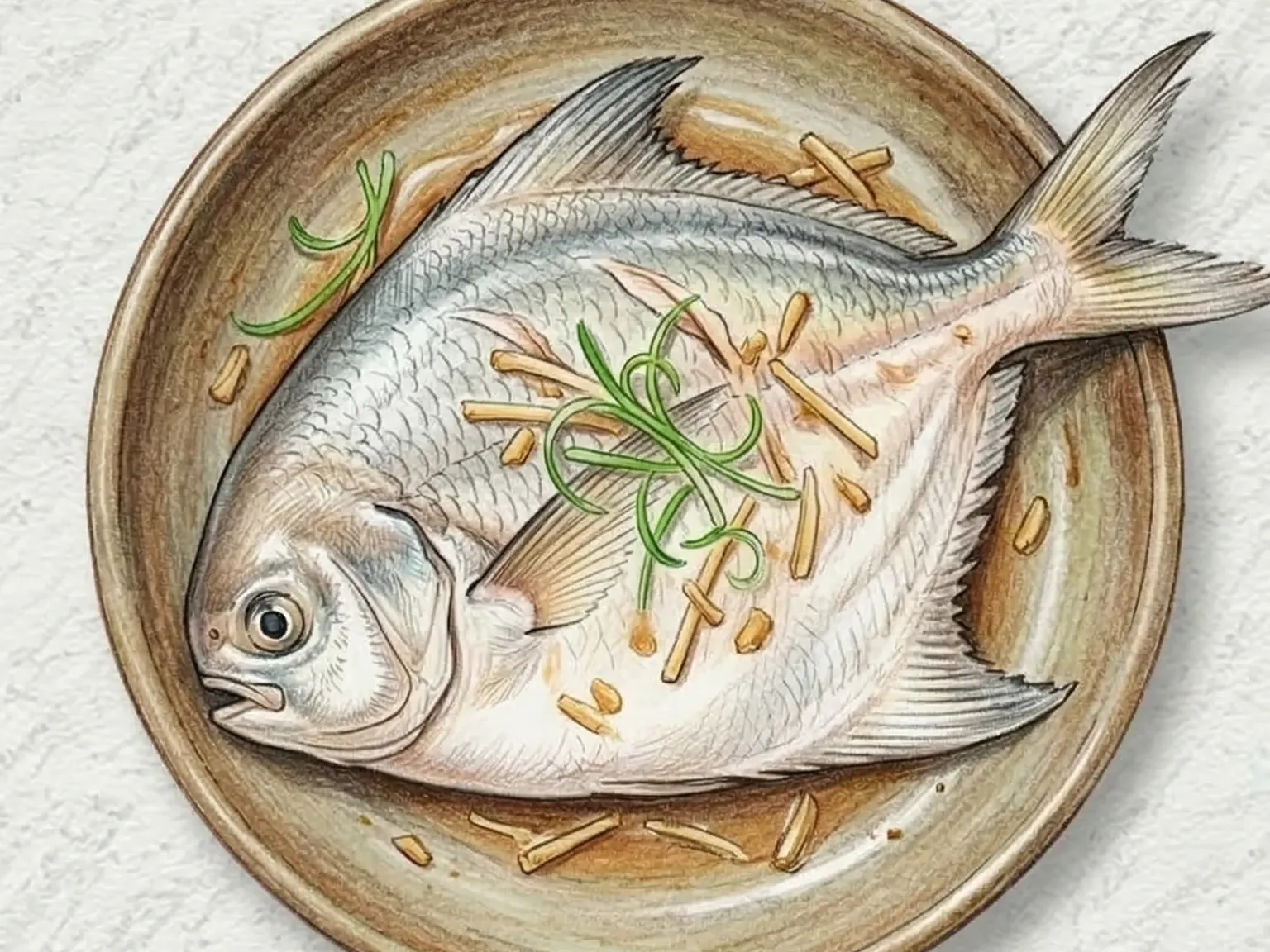
Whole pomfret is gently steamed with soy sauce, rice wine, ginger, and green onion. Pomfret has thin, delicate flesh that separates easily from the bone after steaming, with a mild, clean flavor. Ginger and green onion work together to neutralize any fishiness, while soy sauce provides subtle seasoning. A light touch of sesame oil finishes the dish, making this a gentle, non-spicy preparation suitable for all ages.

Cá Kho Tộ (Vietnamese Caramelized Braised Fish in Clay Pot)
Catfish or white fish is braised in a caramelized sauce of fish sauce, sugar, and coconut water in this Vietnamese home-style dish known as ca kho to. The sugar caramelizes to give the fish a deep amber glaze with a sweet-savory complexity. Shallots and garlic form the aromatic base, while black pepper adds a warm bite. Coconut water lightens the braising liquid with tropical sweetness, creating a dish characteristic of southern Vietnamese cooking.

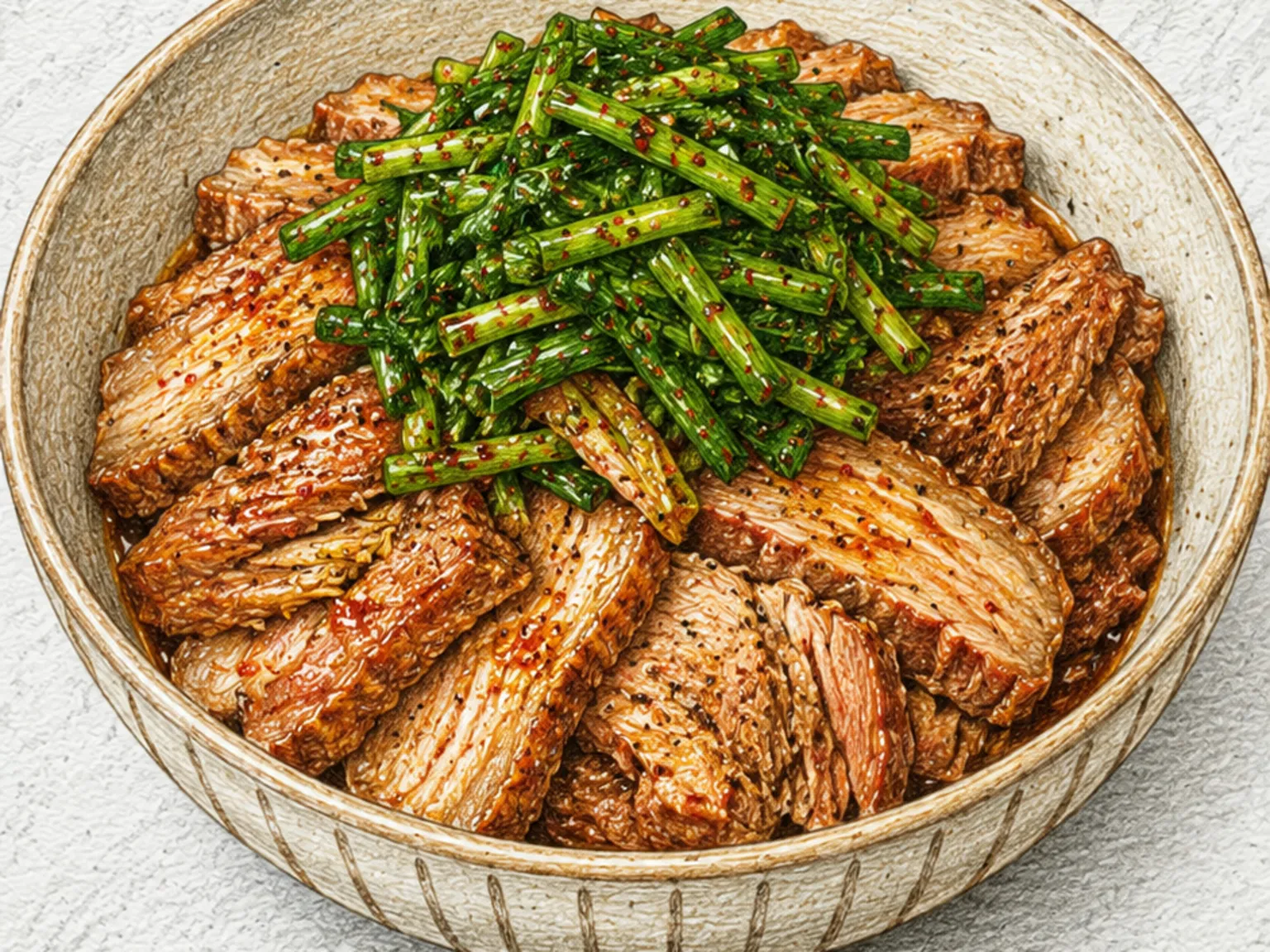
Korean Steamed Beef Brisket and Bean Sprouts
Thin-sliced marbled beef brisket is layered over bean sprouts and steamed with a simple soy sauce, garlic, and sesame oil dressing. As the brisket cooks, its rendered fat bastes the sprouts below, infusing them with beefy richness. The bean sprouts stay crunchy beneath the wilted onion and chive topping. Lightly sweetened with a touch of sugar, this is a quick, minimal-ingredient side dish where the quality of the beef brisket does most of the work.

Japanese Savory Steamed Egg Custard
Eggs are beaten with dashi stock, soy sauce, and a splash of cooking wine, then steamed into a silky custard. The high ratio of dashi to egg produces an exceptionally smooth, almost pudding-like texture. Shrimp, shiitake mushroom, and ginkgo nuts are tucked inside, offering small surprises of flavor and texture in each spoonful. Served warm in individual cups, chawanmushi is a classic Japanese appetizer found in both home kitchens and izakaya restaurants.

Japanese Braised Chicken and Root Vegetables
Chikuzenni is a Japanese-style braise of chicken thigh with lotus root, burdock, and carrot simmered in dashi seasoned with soy sauce and mirin. The rendered fat from the thigh meat coats each piece of root vegetable, building a savory depth without heaviness. Lotus root holds its crisp bite while burdock adds an earthy, nutty flavor that intensifies as you chew. The gentle sweetness of mirin balances the soy, making this a side dish that stays satisfying over multiple servings alongside steamed rice.

Korean Dak Ganjang Jorim (Soy Braised Chicken)
Dak ganjang-jorim is chicken thigh braised with potato in a soy sauce glaze enriched with oligosaccharide syrup, garlic, and ginger juice. As the thighs simmer, the soy base works its way between the muscle fibers, leaving the meat deeply seasoned with a glossy brown finish. Potato chunks break down slightly at the edges and soak up the braising liquid, turning starchy and satisfying. A single cheongyang chili added to the pot gives a mild, lingering kick that keeps the sweet-salty profile from becoming one-note.

Korean Soy Braised Chicken
Dak-jjim is bone-in chicken braised with potato, carrot, and onion in a sauce of soy sauce, sugar, and garlic. Juices released from the bones meld with the soy seasoning to form a glossy, concentrated gravy, and the vegetables absorb this liquid so they are seasoned all the way through. Sugar tempers the saltiness of the soy into a clear sweet-salty balance that coats every piece. Served in a hot stone pot at the center of the table, it is one of the most familiar home-cooked dishes in Korean cuisine.

Korean Braised Chicken with Radish
This braise combines bone-in chicken pieces with Korean radish and potato in a soy-and-gochugaru sauce. The radish absorbs both the chicken stock and the spiced seasoning, turning amber on the outside while going translucent within. Potato edges break down during the long simmer, thickening the sauce into a sticky glaze. Gochugaru and black pepper build a layered heat that soy sauce and sugar round off, so the dish is assertively spicy without being harsh. Reducing the liquid until it barely coats the bottom concentrates all the flavors onto the surface of each piece.

Korean Braised Chicken Feet
Dakbal-jjim is chicken feet braised in a bold sauce of gochujang, gochugaru, soy sauce, and sugar. The skin and cartilage of the feet release gelatin as they cook, creating a chewy, sticky texture that is the hallmark of this dish. Gochujang and chili flakes layer their heat in different registers while sugar adds a caramel-like sweetness to balance the spice. Cooking wine takes the edge off any gaminess, and as the sauce reduces it coats each foot in a thick, glossy red glaze that makes this a popular accompaniment to drinks.

Korean Dakbong Gochujang Jorim (Gochujang-Braised Chicken Drumettes)
Dakbong gochujang-jorim is chicken drumettes braised with potato in a sauce built from gochujang, soy sauce, chili flakes, and oligosaccharide syrup. The meat around the small bones turns dense and chewy as it simmers, holding onto the thick sauce. Potato pieces soften in the braising liquid until they are starchy and tender throughout. The syrup wraps the gochujang heat in a shiny sweetness that keeps you reaching for the next piece, and a stalk of green onion stirred in at the end adds a sharp, aromatic finish.

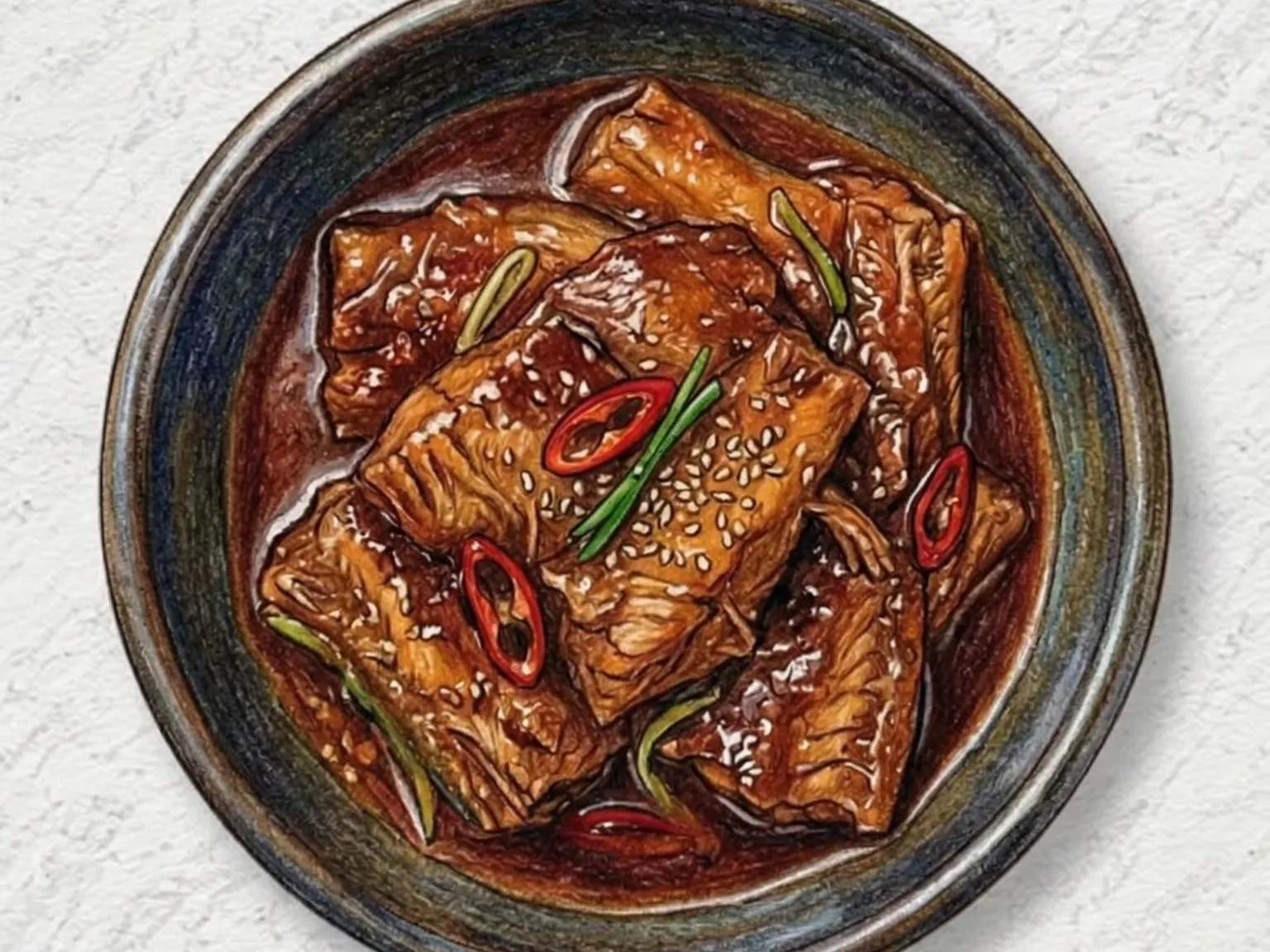
Korean Soy-Braised Deodeok Root
Deodeok-jorim is mountain root braised in soy sauce, rice syrup, garlic, and sesame oil. The root's distinctive bitter-herbal aroma softens as the sweet-salty glaze coats it during simmering, while the interior stays dense and slightly chewy. A single green chili adds a quiet heat at the finish, and sesame seeds scattered on top bring a toasted nuttiness. It is a banchan that preserves the wild, earthy character of foraged deodeok and pairs naturally with other vegetable side dishes on a Korean table.

Korean Braised Pork Backbone
Deungppyeo-jjim is pork backbone braised with potato and green onion in a sauce of doenjang, gochugaru, and soy sauce. After a long simmer, the meat and cartilage between the vertebrae pull away from the bone effortlessly. Doenjang lays a deep, fermented base note while chili flakes add a sharp heat on top. The potatoes cook until they are soft enough to break apart with a spoon, melding into the thick broth. Picking the meat from between the bones is part of the appeal, making this a popular dish to share over drinks.

Korean Braised Beef Knee Cartilage
Dogani-jjim is beef knee cartilage slow-braised with soy sauce, cooking wine, garlic, and ginger until the connective tissue turns soft and gelatinous. Hours of simmering dissolve the collagen so the cartilage becomes jiggly and yielding, while the broth grows so rich it sets into a jelly when cooled. Onion and green onion mellow any off-flavors and contribute a quiet sweetness, and ginger cleans up the finish. Traditionally valued as a nourishing food believed to support joint health, it is especially popular among older generations in Korea.

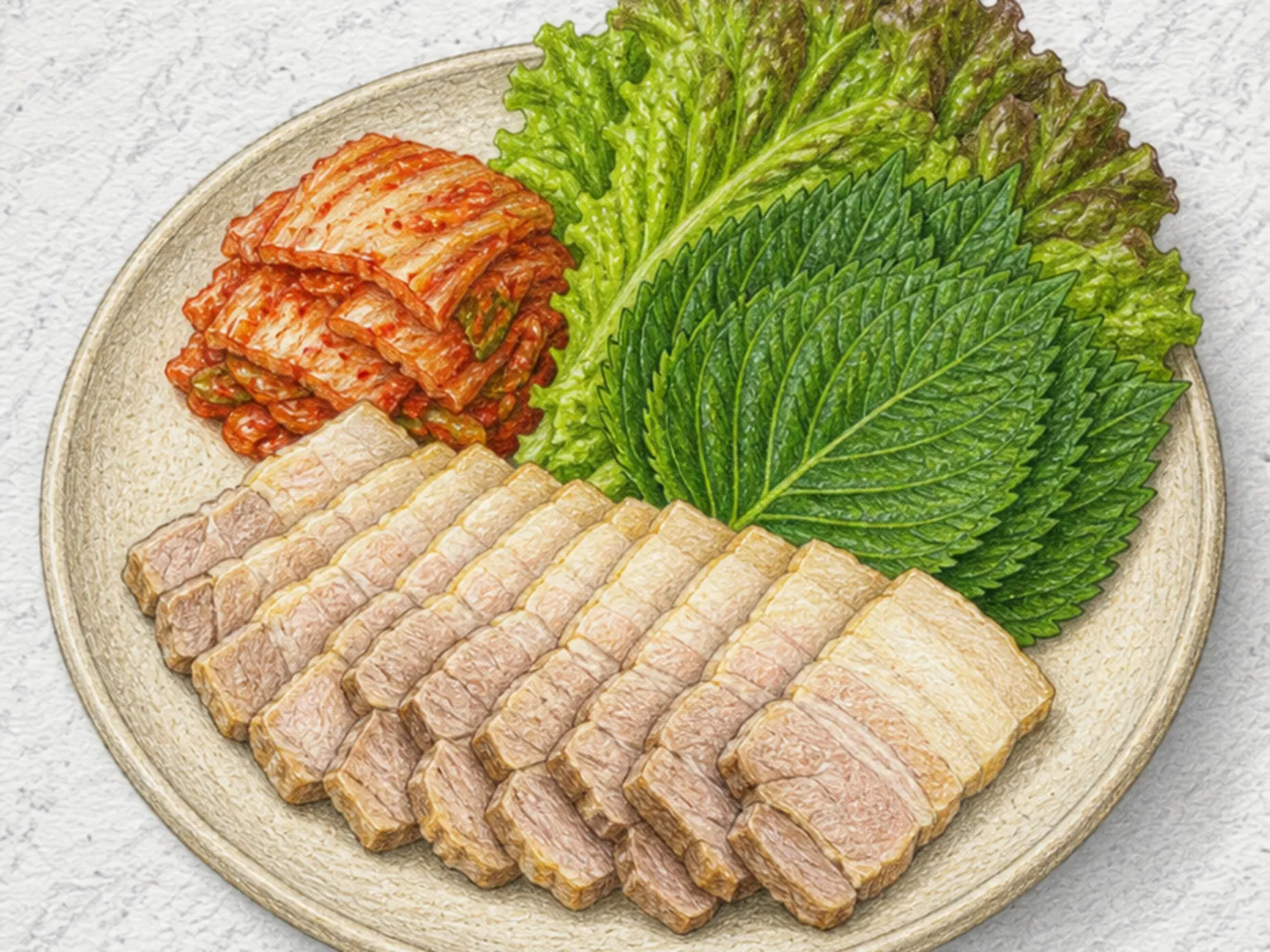
Korean Jeju Style Pork Suyuk
Dombae-suyuk is a Jeju-style boiled pork dish made by simmering skin-on pork belly with doenjang, green onion, garlic, and ginger. The doenjang in the cooking water absorbs the pork's gaminess, leaving the meat clean-tasting. A long boil renders the skin translucent and chewy with a gelatinous bite, while the inner layers stay soft and fatty. Sliced thick and served at room temperature, each piece offers a contrast between the springy rind and the tender flesh. It is traditionally dipped in salted anchovy or shrimp sauce and remains a staple at Jeju feasts and celebrations.

Korean Steamed Sea Bream (Whole Fish with Soy Ginger Rice Wine)
Domi-jjim is a whole sea bream steamed with soy sauce, rice wine, and ginger. Sea bream is a firm white fish with mild flavor, and steaming preserves its moist, flaky flesh without drying it out. Rice wine and ginger eliminate any trace of fishiness, leaving only a clean umami taste, while soy sauce provides a subtle seasoning that does not overpower the fish. Presenting the whole fish on a platter gives the dish a striking appearance, making it a frequent choice for holiday tables and when hosting guests.

Dongpo Pork (Chinese Soy-Braised Melt-in-Mouth Pork Belly)
Dongpo rou is a Chinese-style pork belly braised slowly in soy sauce, rice wine, sugar, ginger, and green onion. Long cooking over low heat renders the fat layers translucent and meltingly soft, while the lean portions turn a deep mahogany from the soy and sugar. Rice wine drives off any porkiness and ginger sharpens the finish, though the dominant impression is a sweet, deeply savory richness. Named after the Song dynasty poet Su Dongpo, the dish is meant to be appreciated for the luxurious texture of the rendered fat as much as for its flavor.

Korean Braised Pollock (Frozen Pollock with Radish in Spicy Sauce)
Dongtae-jjim is frozen pollock braised with Korean radish and bean sprouts in a sauce of gochugaru, soy sauce, garlic, and ginger. Using frozen rather than fresh pollock is traditional - the freezing-and-thawing process gives the flesh a firm, slightly spongy texture that holds up well in the spicy broth. Radish soaks up the chili-laced liquid and turns sweet against the heat, while bean sprouts contribute crunch and a clean, refreshing aftertaste. The sauce reduces to a shallow pool at the bottom, meant to be spooned over rice as a wintertime staple.