Korean Chive Kimchi Jeon (Spicy Fermented Kimchi Pancake)
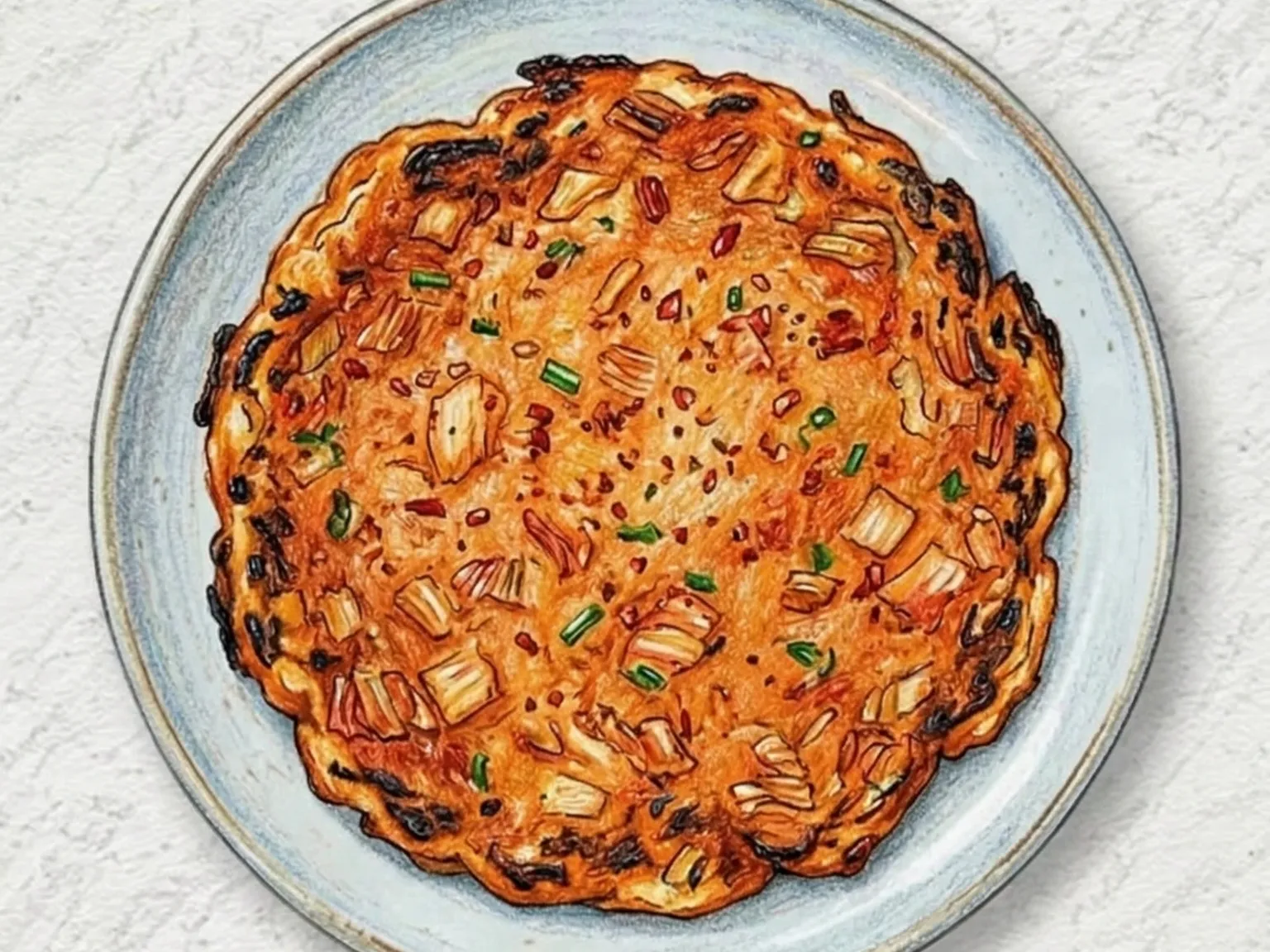
Buchu-kimchi-jeon is a Korean pancake combining well-fermented aged kimchi and garlic chives in a batter made with cold water and a splash of kimchi brine. The brine does double duty: it tints the batter red and infuses it with the deep, tangy umami that only long-fermented kimchi produces. Cold water is essential here because it limits gluten development, resulting in a shatteringly crisp exterior rather than a chewy one. Thinly sliced hot green chili adds a sharper heat on top of the kimchi's sour spiciness, and the pancake must be cooked on a well-preheated pan over medium-high heat until the edges darken to a deep golden brown.
Adjust Servings
Instructions
- 1
Drain excess filling from aged kimchi and chop finely. Cut chives into 4 cm pieces, then thinly slice onion and chili.
- 2
In a bowl, whisk pancake mix, cold water, and kimchi brine until smooth. Add sugar and salt to season.
- 3
Add kimchi, chives, onion, and chili to the batter and fold gently so ingredients are evenly distributed.
- 4
Heat a pan over medium-high heat with 1 tbsp oil, then spread half of the batter thinly.
- 5
When edges crisp up, flip and cook 2–3 minutes more. Repeat with remaining batter to make 2 pancakes.
- 6
Rest pancakes on paper towel for 30 seconds to remove excess oil, slice, and serve immediately.
As an Amazon Associate, we may earn from qualifying purchases.
Tips
Nutrition (per serving)
More Recipes

Korean Kimchi Potato Jeon
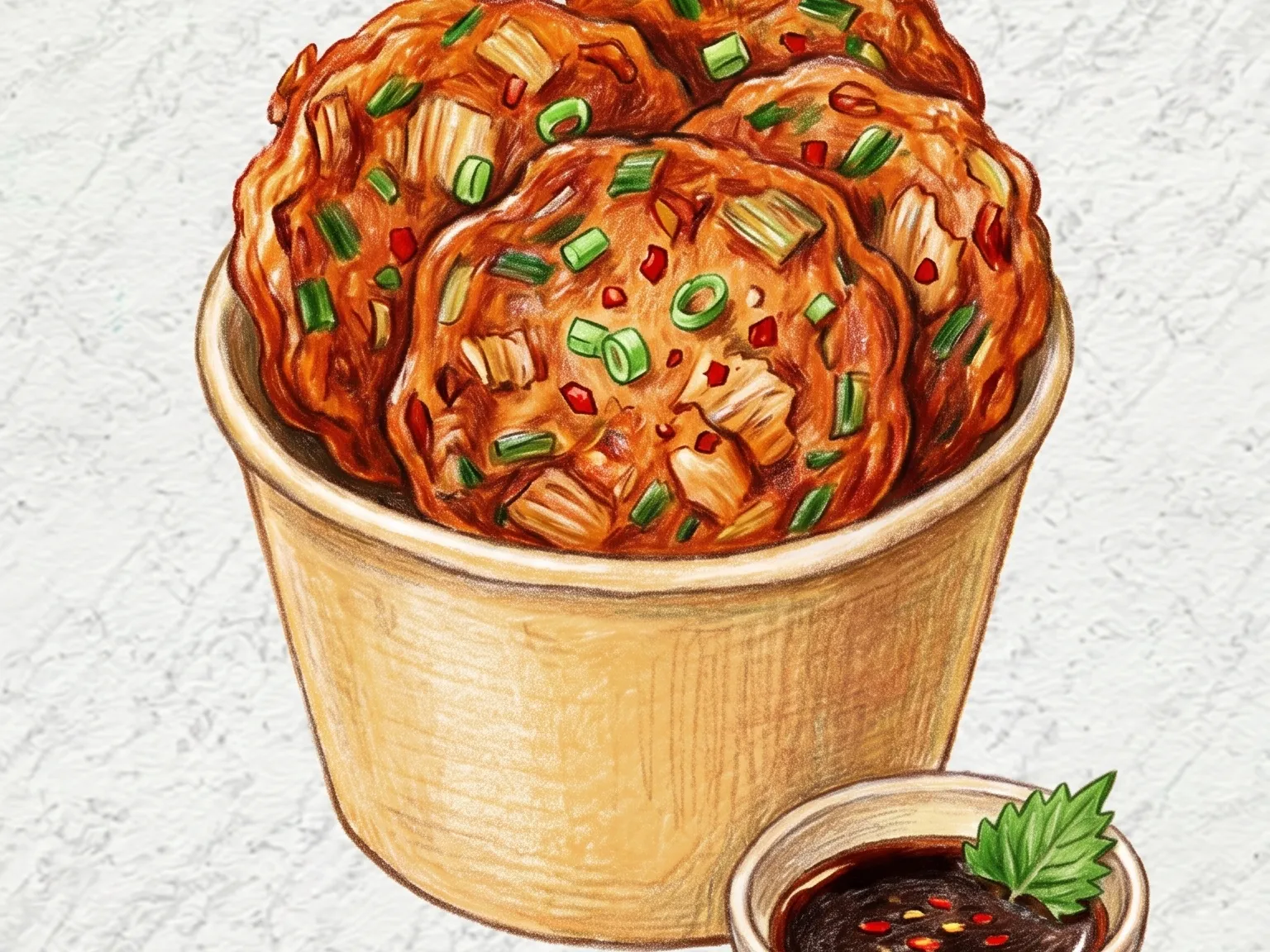
Potatoes are grated to release their starch, then combined with chopped napa kimchi, Korean pancake mix, green onion, and Cheongyang chili to form a batter. The mixture is spread thinly in an oiled pan and fried on both sides until golden and crisp. Pouring off the potato water and keeping only the settled starch before mixing intensifies the crunch. The tangy fermentation of the kimchi plays against the potato's mild sweetness in every bite.

Korean Garlic Chive Pancake
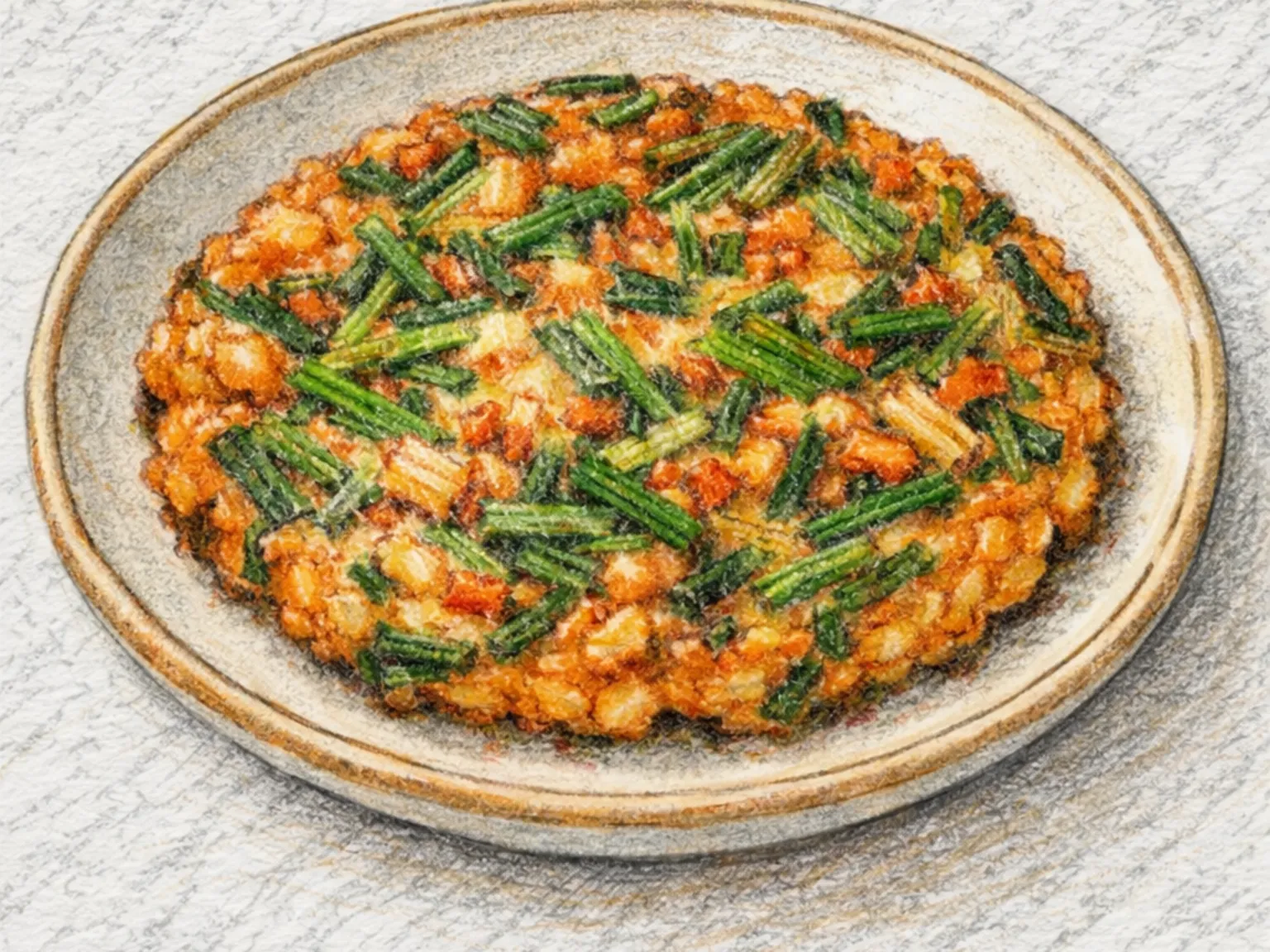
Buchu-jeon is a Korean garlic chive pancake where a generous amount of chives is bound in a thin batter with julienned carrot and onion, then pan-fried until the edges are crisp and golden. The chives carry a distinctly pungent, slightly spicy aroma that intensifies with heat, and cutting them to five centimeters keeps the pancake manageable to flip. A deliberately thin, runny batter is the key to achieving crispness-thick batter results in a doughy center that masks the chive flavor. Smaller individual pancakes hold their crunch far better than one large one, and they are best eaten warm right off the pan, dipped in soy sauce spiked with a little vinegar.

Korean Kimchi Pancake
Well-fermented kimchi is chopped fine and mixed into a batter of Korean pancake mix, kimchi brine, and chili flakes, then fried in oil until both sides turn golden. Adding the kimchi brine directly into the batter is the key step, as its lactic acid tang brings depth that plain water cannot. Cooking four minutes on the first side and three on the second produces a crisp exterior while the interior stays moist from the kimchi moisture.

Korean Scallion Pancake
Pa-jeon is a Korean scallion pancake made by cutting scallions into six-to-seven-centimeter lengths, laying them across an oiled pan, and pouring a batter of Korean pancake mix, water, egg, and salt over them before frying on medium heat. Placing the scallions down first and adding batter on top ensures one side of the onions sits directly against the hot pan surface, caramelizing them and drawing out their natural sweetness. Batter consistency is the critical variable-too thick and the pancake becomes bread-like with too little scallion presence, too thin and the edges never crisp. Adding an extra drizzle of oil around the edges midway through cooking fries the rim almost like a fritter, creating a sharp textural contrast against the soft scallion center when dipped in soy dipping sauce.

Korean Kimchi Ramen Pancake
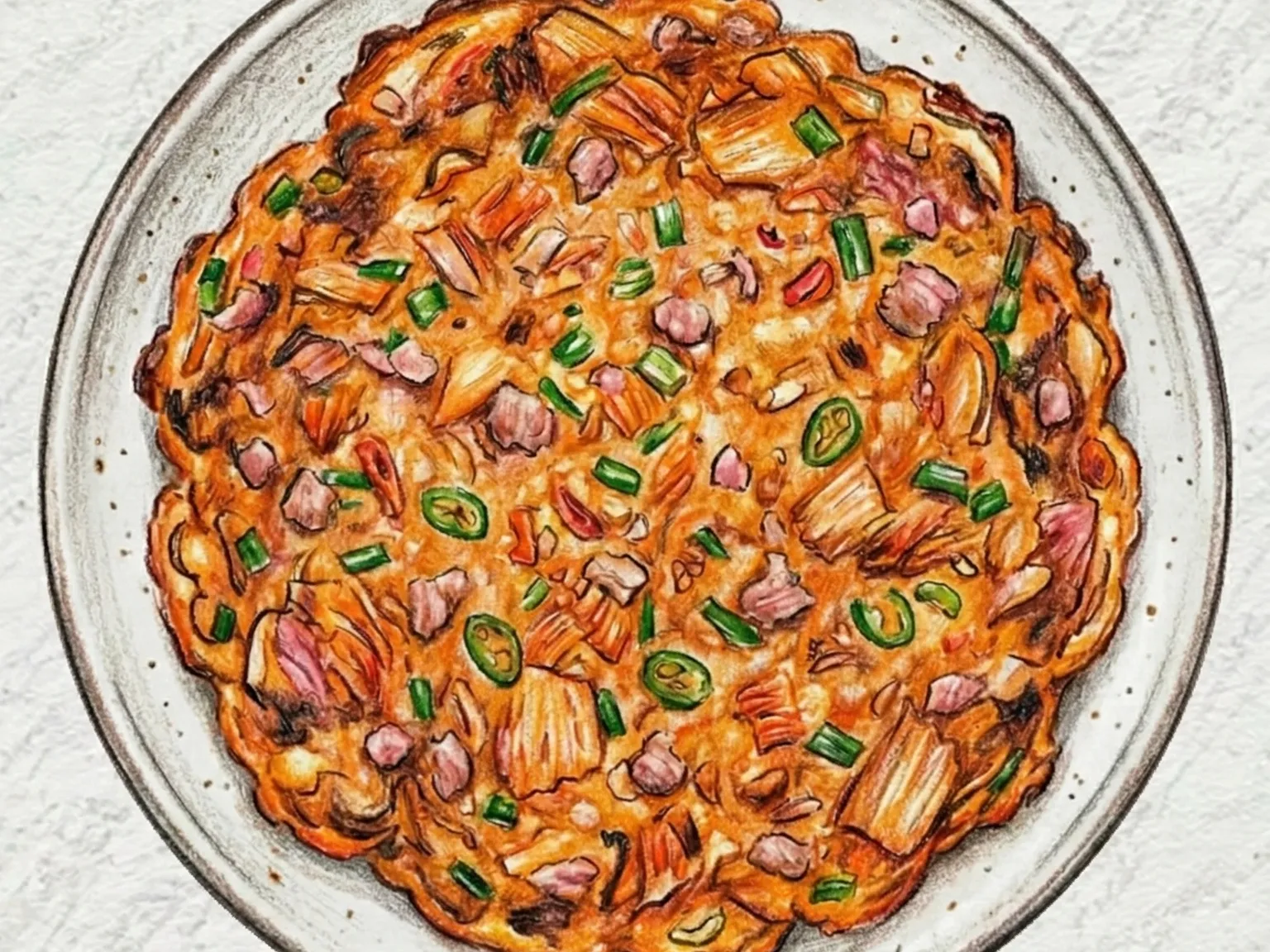
Kimchi ramyeon jeon is a Korean pancake made by mixing slightly undercooked ramen noodles (boiled for only two minutes) with chopped fermented kimchi, green onion, red chili flakes, and pancake-mix batter, then pan-frying until golden on both sides. Undercooking the noodles keeps them firm so they do not fall apart in the pan, maintaining a chewy bite. The kimchi's sourness and the chili flakes' heat layer over the batter's mild flavor, and spreading the mixture thinly ensures the edges fry to a crisp. The curly ramen strands create an uneven surface that produces pockets of extra crunch.

Korean Wild Chive Kimchi (Spring Quick Gochugaru)
Dallae kimchi is a quick spring kimchi where wild chives are salted for just eight minutes to barely wilt them, then dressed in gochugaru, sand lance fish sauce, plum extract, and Korean pear juice. The bulb-end roots carry the strongest aroma, so they should not be trimmed too short, and seasoning from the root upward ensures even flavor distribution. Pear juice adds moisture and a gentle fruit sweetness that buffers the chili heat, while sand lance fish sauce provides a lighter umami than standard anchovy versions. This kimchi tastes fresh and fragrant immediately after preparation, but one day of refrigeration allows a mild fermented depth to develop, making it a seasonal side dish worth the brief wait.