Bugeoguk (Korean Dried Pollack Soup)
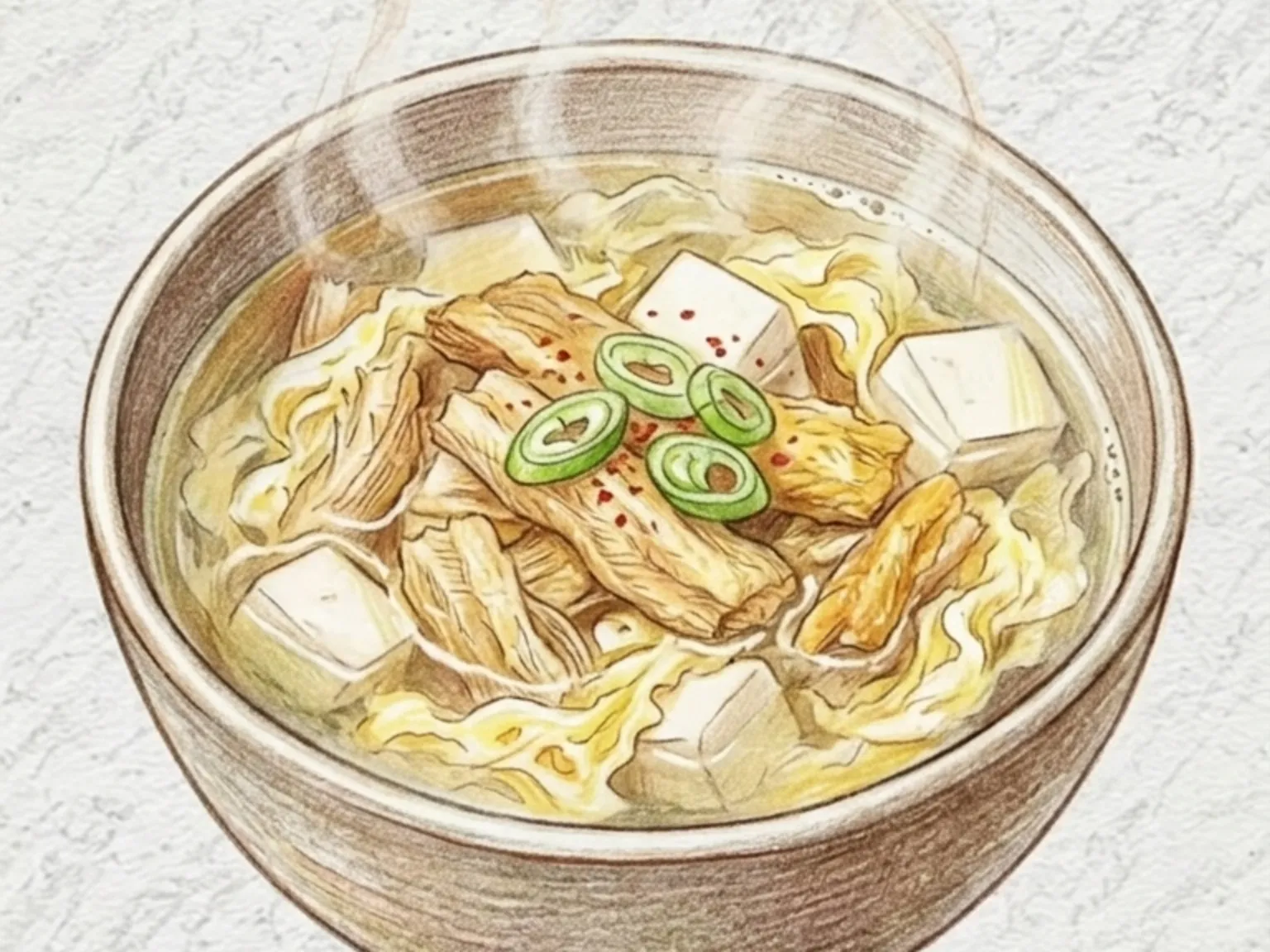
Korea's go-to morning-after cure - this light, soothing broth clears the head and settles the stomach in under 30 minutes. Dried pollock strips are stir-fried in sesame oil until fragrant, then simmered with tofu and beaten egg. The sesame oil step is essential - skipping it leaves the broth flat - and skimming the foam yields a cleaner stock. Substituting hwangtae (freeze-dried pollock) produces an even softer texture and deeper umami.
Adjust Servings
Instructions
- 1
Soak 50g dried pollack strips in water for 10 minutes until soft, squeeze out water, and tear into pieces.
- 2
Heat 1 tsp sesame oil in a pot and stir-fry pollack for 2 minutes for a nutty aroma.
- 3
Add 800ml water, bring to a boil, and skim off foam.
- 4
Add bite-size tofu, 1 tbsp soup soy sauce, and garlic. Simmer 5 minutes.
- 5
Pour 2 beaten eggs in a swirl, add green onion, cook 1 minute, and adjust salt.
As an Amazon Associate, we may earn from qualifying purchases.
Tips
Nutrition (per serving)
Variations
Shepherd's Purse Pollack Soup
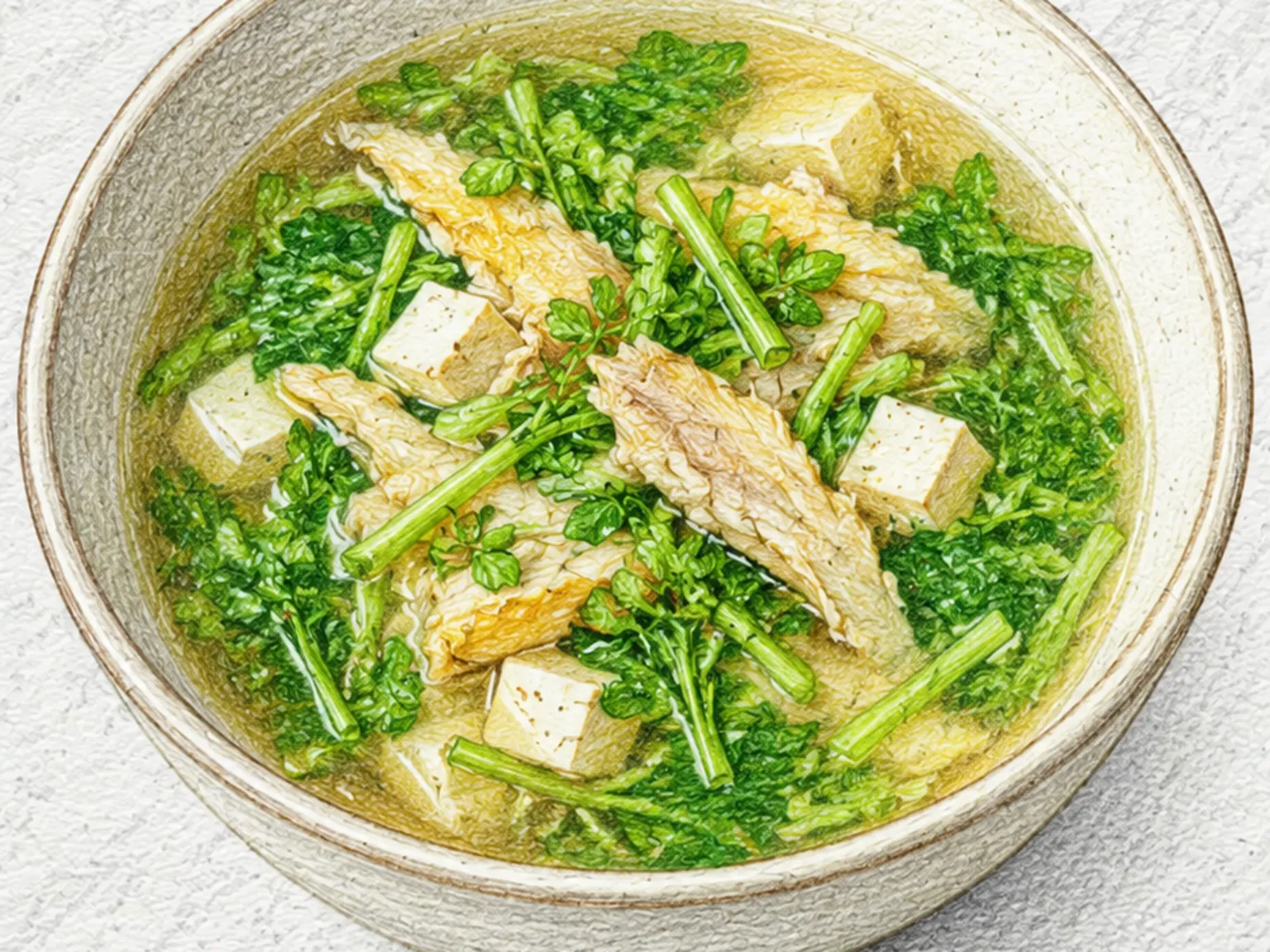
Spring shepherd’s purse brings herbal aroma to mild dried pollock soup. The broth stays clear, fresh, and delicately savory.
More Recipes

Korean Gangwon-Style Dried Pollock Hangover Soup
This Gangwon-province version of dried pollock hangover soup starts by stir-frying shredded dried pollock in sesame oil until it turns deeply fragrant and golden. That step is what sets it apart from other regions' pollock soups - the toasted sesame aroma permeates the entire broth and adds a richness that plain boiling cannot achieve. Radish simmers alongside, contributing a clean sweetness that tempers any fishiness. Garlic and soup soy sauce provide the savory foundation. Near the end, a beaten egg is swirled into the pot, forming soft, silky ribbons that give the clear broth a comforting body. The soup is intentionally mild and free of chili heat, designed to be gentle on an empty or troubled stomach. Koreans have relied on this kind of bugeo-guk for morning-after recovery for generations, and the Gangwon-style sesame preparation is considered one of the most satisfying versions.

Korean Dried Pollack Egg Soup
Hwangtae-gyeran-guk is a Korean soup that layers two comfort-food staples-dried pollock and egg-in a single clear bowl. The pollock strips are toasted in sesame oil at the start, building a deep, nutty base note that permeates the broth. Radish and green onion simmer alongside, adding a refreshing sweetness and mild bite. Once the broth is seasoned with soup soy sauce and garlic, beaten egg is streamed in slowly, forming wispy ribbons that float through the liquid. The contrast between the chewy pollock and the silken egg gives the soup a shifting texture from spoonful to spoonful. In Korean households, this is one of the go-to morning soups-warm, nourishing, and quick to prepare-and it doubles as a popular hangover remedy thanks to the protein-rich pollock and the gentle warmth of the broth.

Korean Bean Sprout Dried Pollock Soup
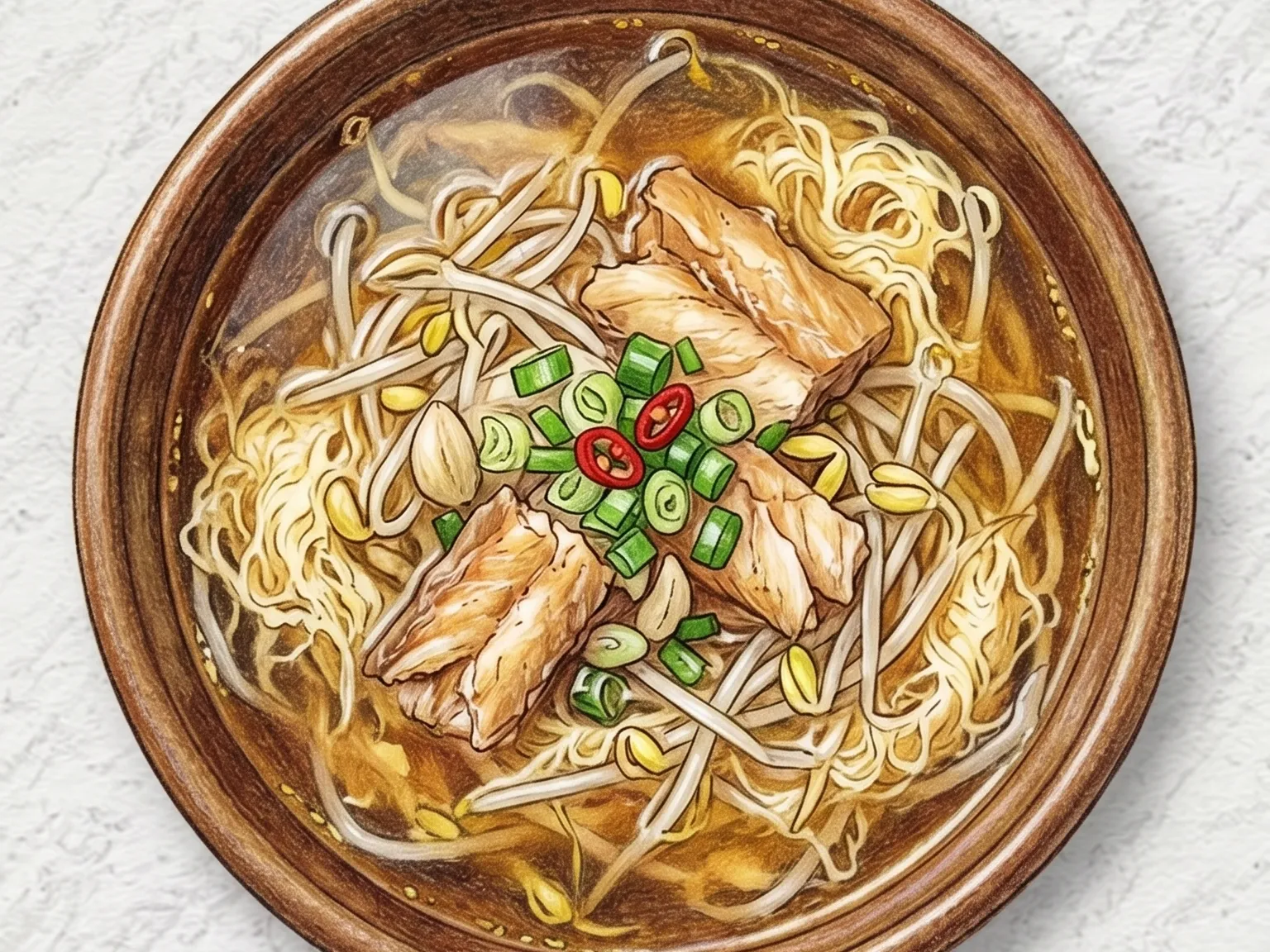
Kongnamul-hwangtae-guk pairs stir-fried dried pollock strips with bean sprouts in a clear, restorative broth. The pollock is toasted briefly in sesame oil alongside radish slices, building a nutty, savory foundation before water is added. After ten minutes of simmering, bean sprouts and garlic go in uncovered for five more minutes, keeping the sprouts crisp and letting any residual fishiness escape with the steam. Soup soy sauce and a touch of salt finish the seasoning, and sliced green onion adds brightness. The result is a light but deeply flavored soup commonly served as a morning-after remedy.

Haejangguk (Korean Pork Bone Hangover Soup)
Haejangguk is Korea's iconic hangover soup, a thick and fiery bowl designed to restore the body after a night of drinking. The base is a long-simmered pork spine broth that delivers a deep, porky richness. Napa cabbage outer leaves, called ugeoji, are seasoned with doenjang and garlic and added to the broth, contributing a chewy, fibrous texture. Congealed ox blood, known as seonji, is a traditional addition that lends an iron-rich density and dark visual contrast. Gochugaru provides a persistent, forehead-sweating heat that Koreans believe helps flush out toxins and clear the head. The finished soup is served bubbling in a stone pot, and the first few spoonfuls tend to produce an involuntary sigh of relief. Dedicated haejangguk restaurants open before dawn to serve construction workers and late-night revelers, and the dish has been a fixture of Korean culinary tradition for centuries.

Korean Braised Dried Pollack
Dried pollack - bugeo - is traditionally hung on racks in Gangwon-do's frigid mountain air through freeze-thaw cycles. The strips rehydrate in cold water, then braise in soy sauce, gochujang, sugar, and garlic. As liquid reduces, the pollack absorbs the sweet-salty-spicy sauce, becoming deeply stained with a spongy texture that holds moisture. Finished with sesame oil, bugeo jorim tastes better after a day and keeps nearly a week - a classic fridge banchan.

Korean Dried Pollack Stew
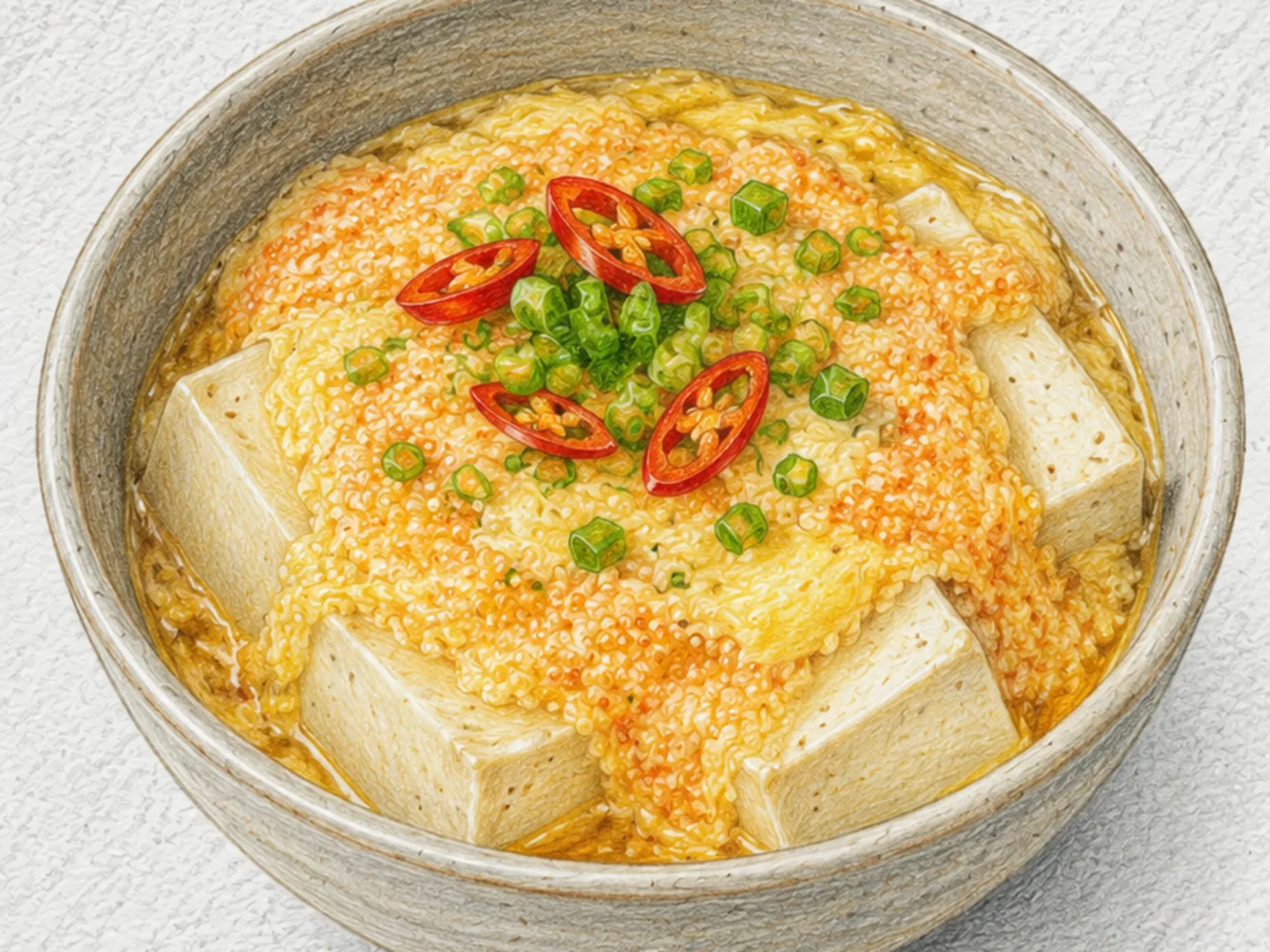
Hwangtae jjigae is a minimalist stew built from just three main ingredients: dried pollack strips, tofu, and eggs. Toasting the pollack in sesame oil before adding water draws out a deep, nutty aroma that forms the backbone of the broth. Tofu provides a soft contrast, and beaten eggs swirled into the simmering liquid create silky ribbons throughout. With so few ingredients, this is an accessible dish that comes together quickly when the pantry is sparse.