Pan-Fried Sweet Rice Cake
Quick answer
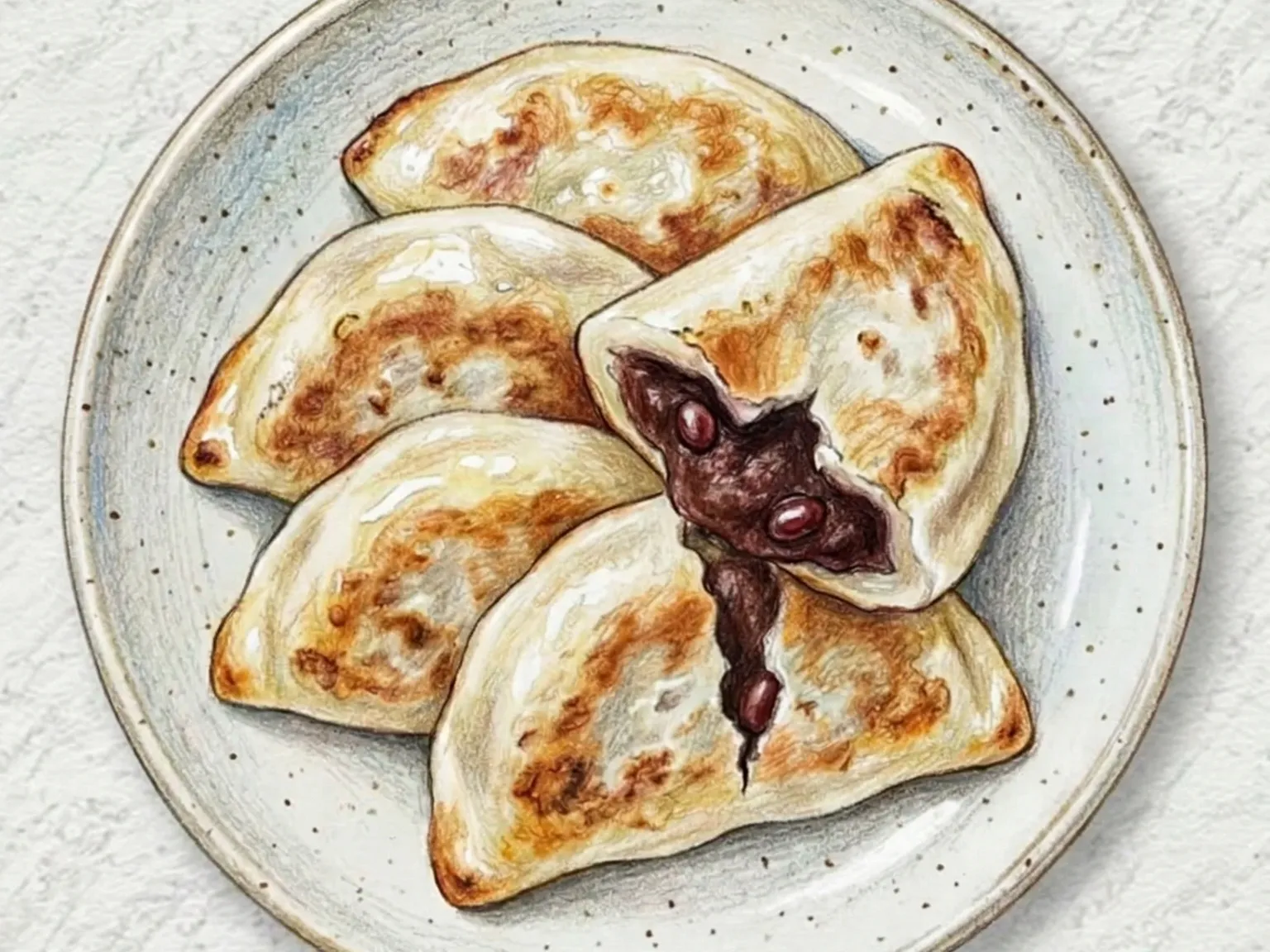
Bukkumi is a traditional Korean pan-fried rice cake made from glutinous rice flour dough filled with sweet red bean paste seasoned with cinnamon and sugar.
What makes this special
- Hot water dough creates a pliable, crack-free wrapper for these pan-fried Bukkumi sweet rice cakes.
- Boiling water partly softens the starch for a pliable, crack-free wrapper
- Cinnamon in the red bean filling layers spice over heavy sweetness
Key ingredients
Core cooking flow
- 1 Combine 300g glutinous rice flour with 2g salt, then gradually add 220ml hot...
- 2 Divide the dough into 12 equal portions, roll each into a smooth ball, then...
- 3 Mix 180g red bean paste with 20g sugar and 1g cinnamon, divide into 12 equal...
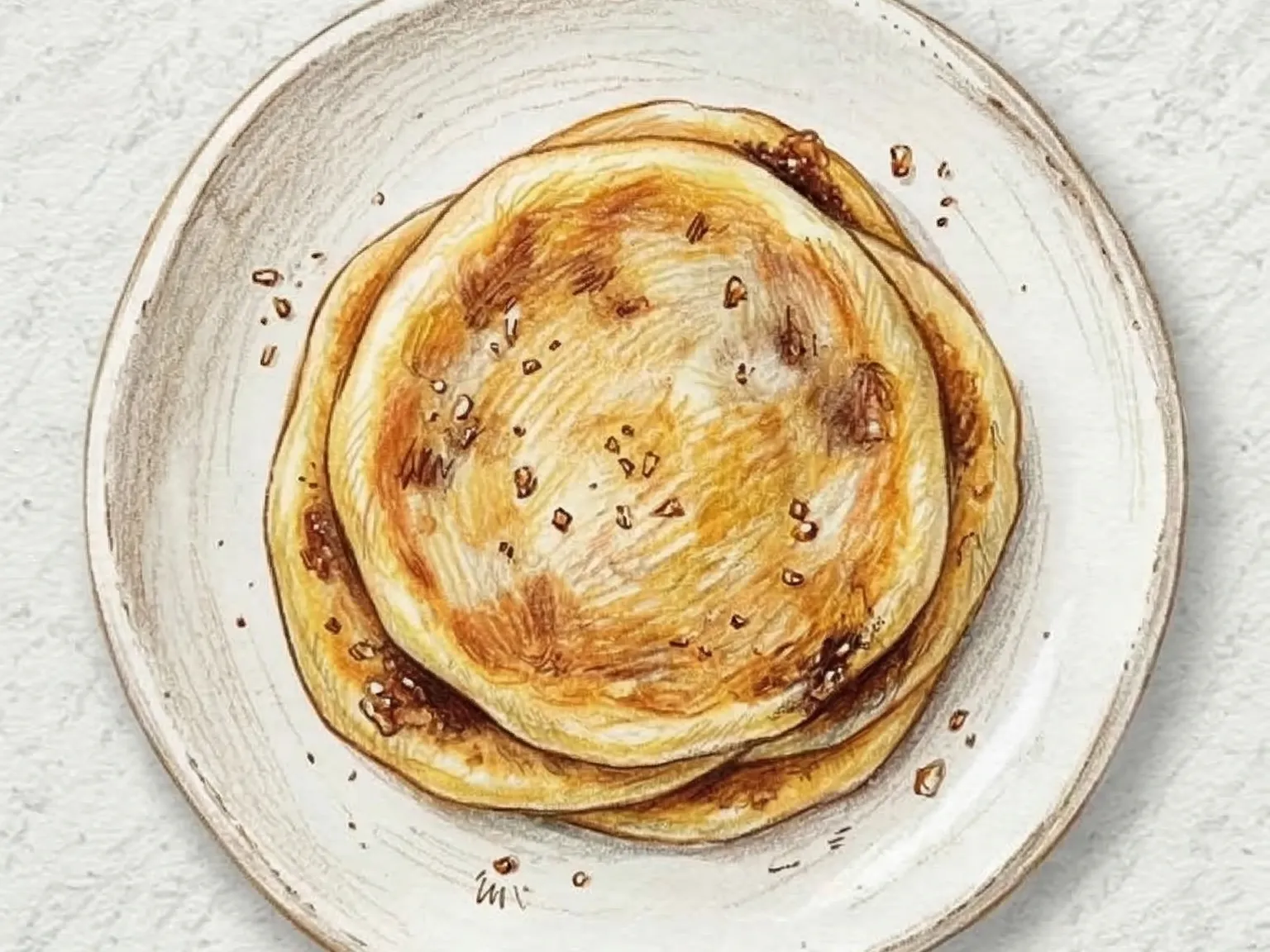
Bukkumi is a traditional Korean pan-fried rice cake made from glutinous rice flour dough filled with sweet red bean paste seasoned with cinnamon and sugar. Using hot water to form the dough partially gelatinizes the starch, creating a pliable skin that stretches without cracking - though the dough must stay covered with a damp cloth throughout assembly to prevent the surface from drying out. Folding the dough into half-moon shapes seals in a cinnamon-laced bean paste filling that lifts the dense sweetness of the red bean with a warm spice note. Pan-frying on low heat builds a golden crust on each side while keeping the filling warm and molten at the center. A light drizzle of honey or a pinch of sugar right after frying adds a final layer of sweetness.
Instructions
Read the steps as a cooking flow: prep, heat, seasoning, doneness control, and finish.
- 1Season
Combine 300g glutinous rice flour with 2g salt, then gradually add 220ml hot water above 80C in small amounts, mixing with a spatula each time until the dough is soft and pliable.
- 2Control
Divide the dough into 12 equal portions, roll each into a smooth ball, then cover with a damp cloth and rest for 10 minutes so the dough relaxes and becomes easier to shape.
- 3Season
Mix 180g red bean paste with 20g sugar and 1g cinnamon, divide into 12 equal portions, and roll each into a smooth ball to use as filling.
- 4Step
Flatten each dough ball by hand, place a filling ball in the center, gather the edges tightly and seal completely, then fold into a half-moon shape and press the rim firm.
- 5Control
Heat a pan over low heat with a thin coat of 2 tablespoons oil, add the rice cakes, and cook 2 to 3 minutes per side, pressing gently, until both surfaces turn an even golden brown.
- 6Finish
Cool briefly for 1 to 2 minutes until the exterior is chewy and the filling remains warm and sweet, then serve immediately on a plate.
After the steps
Pick a recipe that fits this dish.
Continue with shared ingredients, meal pairings, or a similar method.
Recipes That Go Well With This
More Desserts →Based on shared ingredients and meal pairing
Glutinous Rice Cake Balls
Chapssal-danja are Korean glutinous rice cake balls filled with sweet red bean paste, boiled until they float, and rolled in a mixture of roasted soybean powder and sugar. The dough is flattened, wrapped around the filling, and sealed tightly into a sphere so the paste stays contained during boiling, with an extra minute of cooking after the balls surface to ensure the center is fully cooked through. A very thin brush of honey applied immediately after draining acts as an adhesive for the soybean powder coating and adds a faint floral sweetness to the exterior. Sifting the soybean powder before rolling produces a fine, even layer that gives each ball a powdery, melt-on-the-tongue finish over the chewy rice cake underneath. Kneading the glutinous rice dough thoroughly before portioning builds elasticity, which translates directly into the characteristic chew once the balls are cooked.
Honey-Filled Rice Cakes (Steamed Glutinous Rice with Brown Sugar Syrup)
Kkultteok are bite-sized Korean rice cakes made by kneading glutinous rice flour with hot water, wrapping each 20-gram round of dough around a filling of dark brown sugar, ground cinnamon, and chopped walnuts, then steaming for eight to ten minutes. After steaming, a light brush of sesame oil gives the surface a sheen and keeps the pieces from sticking together, and a final roll in roasted soybean powder adds a dry, nutty outer coating. Biting through the soft, chewy shell releases a pool of melted brown sugar syrup with cinnamon warmth, while the walnut fragments provide crunch against the sticky interior. The most critical step is pinching the dough seam shut as tightly as possible: if the seal fails during steaming, the molten brown sugar syrup leaks out and the rice cake ends up hollow and dry.
Yuja Madeleines (Brown Butter Citrus French Shell Cakes)
These yuja madeleines rely on brown butter for a deeply nutty base that elevates the batter beyond a standard madeleine. About 35 grams of yuja marmalade is folded directly into the mixture, distributing bright citrus oil and small shreds of peel throughout each shell-shaped cake. A 30-minute rest in the refrigerator helps develop the signature madeleine hump during baking. The two-stage bake - 3 minutes at 200 degrees Celsius followed by 8 to 9 minutes at 180 degrees - crisps the thin edges while keeping the center moist and springy. A small measure of lemon juice reinforces the yuja acidity, preventing the sweetness from becoming one-dimensional.
Crispy Glutinous Rice Nurungji Crackers
Crispy Glutinous Rice Nurungji Crackers are a traditional-style snack made from cooked glutinous rice mixed with black sesame seeds. The mixture is pressed thin and pan-fried over low heat until golden and crunchy. Chewing the crackers releases the natural nutty sweetness of the rice, while the embedded black sesame adds toasty flavor and visual contrast. The nurungji is broken into bite-sized pieces and tossed in a warm syrup of grain syrup and sugar. This coating cools into a glossy, glass-like shell that locks in the crisp texture. Cinnamon powder is dusted at the end for aroma. The crackers are cooled apart on a tray to prevent sticking. You can also bake them in an air fryer at 180 C for fifteen minutes for a leaner finish, or sprinkle extra sugar before cooling for a traditional market-style taste.
Serve with this
Korean Chrysanthemum Bean Cakes
Gukhwa-ppang is a Korean winter street pastry baked in a chrysanthemum flower-shaped cast-iron mold, filled with sweet red bean paste at the center. The batter of flour, baking powder, sugar, milk, egg, and melted butter is stirred together with minimal mixing to keep gluten development low, then poured to fill only one-third of the mold before a spoonful of bean paste is placed in the middle and covered with more batter, ensuring the filling sits centered in the finished pastry. Cooking over medium-low heat for three to four minutes on each side produces a golden crust with sharply defined flower-petal ridges pressed into the surface, while the bean paste inside stays soft and flows when the pastry is broken apart. It is often grouped with bungeoppang as a sibling street food, but the dough ratio is heavier and the shell is noticeably thicker, giving it a stronger bread-forward flavor and a slightly smaller proportion of filling to outer crust. The pastry is best eaten immediately after cooking, while the exterior is still crisp and the paste still hot. In recent years vendors have begun filling gukhwa-ppang with cream, chocolate, and sweet potato paste as alternatives to the traditional red bean filling.
Korean Ssanghwa Herbal Tea
Ssanghwa-cha is a traditional Korean tonic tea made by slow-simmering astragalus root, angelica root, cinnamon bark, licorice, and jujube in approximately 1800 ml of water over low heat for more than fifty minutes. The prolonged extraction coaxes layered complexity from each herb, producing a brew that is simultaneously bitter, sweet, and warmly aromatic with cinnamon woven through every sip. Jujubes added during the simmer soften the sharpest herbal edges while contributing a mild natural sweetness that rounds the overall profile. Honey is stirred in after straining to let each person adjust the sweetness to taste. The tea is poured hot into a ceramic cup and finished with a small cluster of pine nuts whose oil blooms on contact with the steaming surface, releasing a gentle, nutty fragrance. The deep medicinal warmth lingers in the throat long after each sip, making the drink a reliable remedy for fatigue and cold weather.
Swedish Meatballs
Swedish meatballs mix ground beef with sautéed onion, breadcrumbs, egg, and milk, shape the mixture into bite-size balls, brown them in butter, then simmer in a creamy gravy built in the same pan. The key to tender meatballs is minimal handling - overworking the mixture tightens the protein network and produces a tough, dense texture. Browning the meatballs leaves behind caramelized drippings on the pan floor, and these fond bits become the flavor base of the gravy when flour is whisked in to form a roux. Adding milk gradually while stirring prevents lumps, and a splash of Worcestershire sauce introduces a savory depth that rounds out the cream. The gravy's thickness is adjustable at the end - more milk loosens it, less keeps it rich - and serving over mashed potatoes lets nothing go to waste.
Similar recipes
Glutinous Rice Cake with Soybean Powder
Injeolmi is a Korean glutinous rice cake made by kneading rice flour dough with hot water, steaming it for fifteen minutes, then pounding or beating it vigorously for at least five minutes to develop the characteristic elasticity. The pounding step determines the final texture: insufficient working produces a weak dough that cracks apart, while thorough pounding yields the signature stretchy, chewy pull that injeolmi is known for. The finished dough is stretched out, cut into bite-sized pieces, and rolled in a mixture of roasted soybean powder and sugar, which coats each piece in a fragrant, toasted-grain aroma. Applying a thin layer of sesame oil to both hands and knife before cutting prevents the dough from sticking, and the soybean powder coating is best applied immediately before serving to keep the surface dry and powdery rather than absorbing moisture. Injeolmi appears regularly at ancestral rites, first birthday celebrations, and traditional ceremonies across Korea.
Korean Sweet Glutinous Rice
Glutinous rice is soaked, steamed, and dressed with a mixture of soy sauce, sesame oil, and honey, then studded with jujubes, chestnuts, and pine nuts before a second steaming. The double-steaming process gives the rice a dense, chewy stickiness while the soy sauce penetrates each grain and tints it a deep amber. Jujubes lend a natural caramel-like sweetness, chestnuts add a crumbly, starchy contrast, and pine nuts contribute a subtle oiliness that enriches the overall taste. Traditionally prepared for the first full moon festival, yakbap is equally enjoyable as an everyday snack or packed lunch.
Gyeongdan (Chewy Rice Balls with Sweet Coating)
Gyeongdan are Korean glutinous rice balls, each one shaped by hand into a small sphere, boiled until it floats, then rolled in a dry coating while still warm. The dough is made by kneading glutinous rice flour with hot water rather than cold, a technique that partially gelatinizes the starch and gives the finished rice ball its characteristic chewy spring. Rinsing the cooked balls immediately in cold water stops them from sticking together and firms the surface enough for the coating to cling evenly. Traditional coatings include roasted soybean powder, which is mild and nutty, ground black sesame, which adds deep toasted bitterness, and sweetened red bean crumbles. Some versions are filled with sweet red bean paste before shaping, so the filling bursts as you bite through. Gyeongdan appear on ceremonial tables at seasonal holidays and as everyday snacks, often presented as a trio of colors arranged side by side on a single plate.