Bulgogi Meatball Tomato Spaghetti
Quick answer
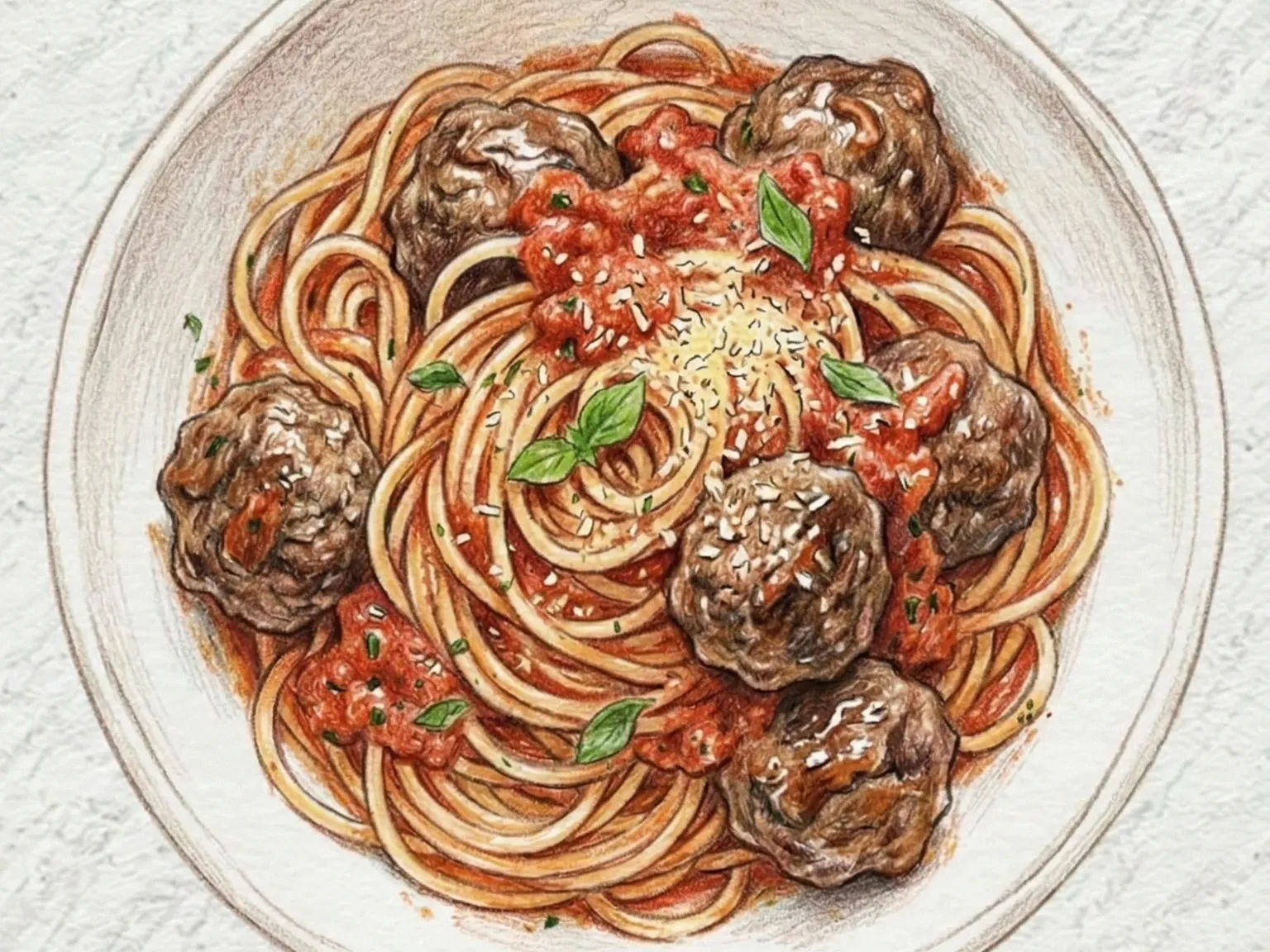
Bulgogi meatball tomato spaghetti grounds the concept of Korean bulgogi - soy sauce, sugar, garlic, sesame - into a meatball format and cooks it inside an Italian tomato sauce.
What makes this special
- Beef meatballs seasoned with soy and sesame simmer in tomato sauce for a bulgogi fusion.
- Bulgogi marinade of soy, sugar and garlic flavors the meatballs
- Breadcrumbs and egg retain moisture through 20-minute simmer
Key ingredients
Core cooking flow
- 1 Put 400g ground beef, 40g breadcrumbs, 1 egg, 1.5 tablespoons soy sauce, 1 t...
- 2 Shape the mixture into meatballs about 3cm wide, rolling each one until the surface is smooth and compact.
- 3 Heat a pan over medium heat, add 2 tablespoons olive oil, and place the meat...
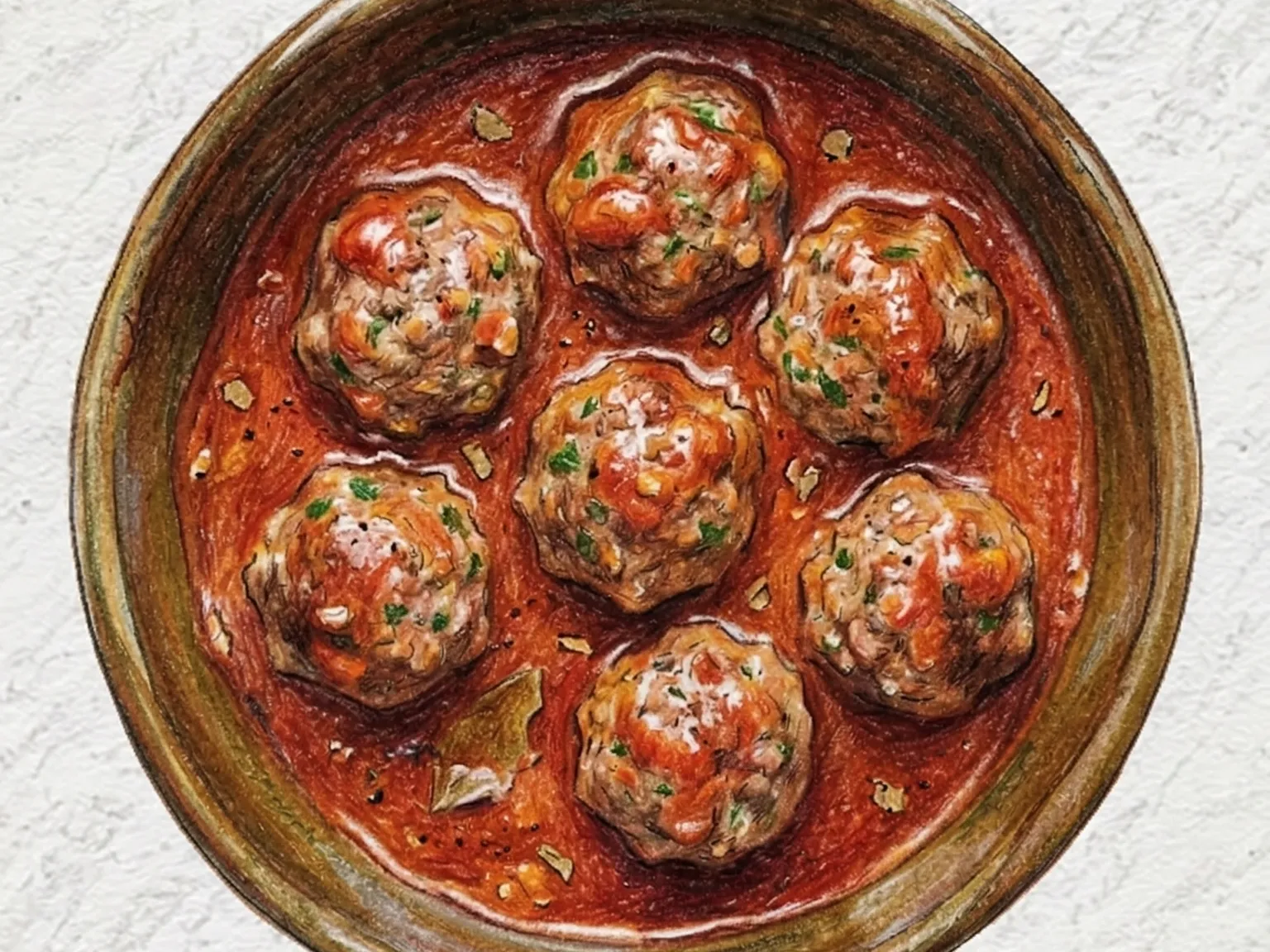
Bulgogi meatball tomato spaghetti grounds the concept of Korean bulgogi - soy sauce, sugar, garlic, sesame - into a meatball format and cooks it inside an Italian tomato sauce. The ground beef is seasoned with the bulgogi mix, then breadcrumbs and egg are added to trap moisture so the meatballs hold together and stay tender through the twenty-minute simmer in passata. Searing the exterior first in a hot pan builds a Maillard crust that dissolves into the sauce as the meatballs cook through, thickening and deepening it in a way that uncooked meatballs dropped straight into the sauce cannot achieve. The soy-sugar seasoning intersects with the tomato's natural acidity to produce a sweet-salty depth that neither Korean nor Italian cooking arrives at independently. As the meatballs finish cooking inside the sauce, the boundary between meat and liquid blurs - each absorbs character from the other. Basil or parsley added at the end provides an herbal brightness that offsets the richness of the meat and tomato.
Instructions
Read the steps as a cooking flow: prep, heat, seasoning, doneness control, and finish.
- 1Season
Put 400g ground beef, 40g breadcrumbs, 1 egg, 1.5 tablespoons soy sauce, 1 tablespoon sugar, and 1 tablespoon minced garlic in a bowl. Mix firmly in one direction for 2 minutes until the mixture turns sticky and even.
- 2Prep
Shape the mixture into meatballs about 3cm wide, rolling each one until the surface is smooth and compact.
Chill them for 10 minutes so the breadcrumbs absorb moisture and the meatballs hold together when they hit the pan.
- 3Control
Heat a pan over medium heat, add 2 tablespoons olive oil, and place the meatballs in with space between them.
Leave them untouched for the first 2 minutes, then roll gently and sear for about 4 minutes total until browned all around.
- 4Heat
Remove the meatballs and keep the browned bits in the same pan.
Add 1 chopped onion and the remaining 0.5 tablespoon minced garlic, saute until the onion turns translucent and sweet, then pour in 500ml tomato passata and bring it to a steady boil.
- 5Control
Return the meatballs to the sauce, reduce the heat to low, and cover the pan.
Simmer for 12 minutes, turning once so the centers cook through evenly. If the sauce thickens too much, loosen it with a little pasta water.
- 6Finish
Cook 360g spaghetti in salted boiling water until al dente, then transfer it directly into the sauce pan.
Toss for 1 minute so the sauce clings to the strands. Plate with the meatballs and finish with 30g Parmesan while hot.
After the steps
Pick a recipe that fits this dish.
Continue with shared ingredients, meal pairings, or a similar method.
Recipes That Go Well With This
More Pasta →Based on shared ingredients and meal pairing
Meat Sauce Pasta
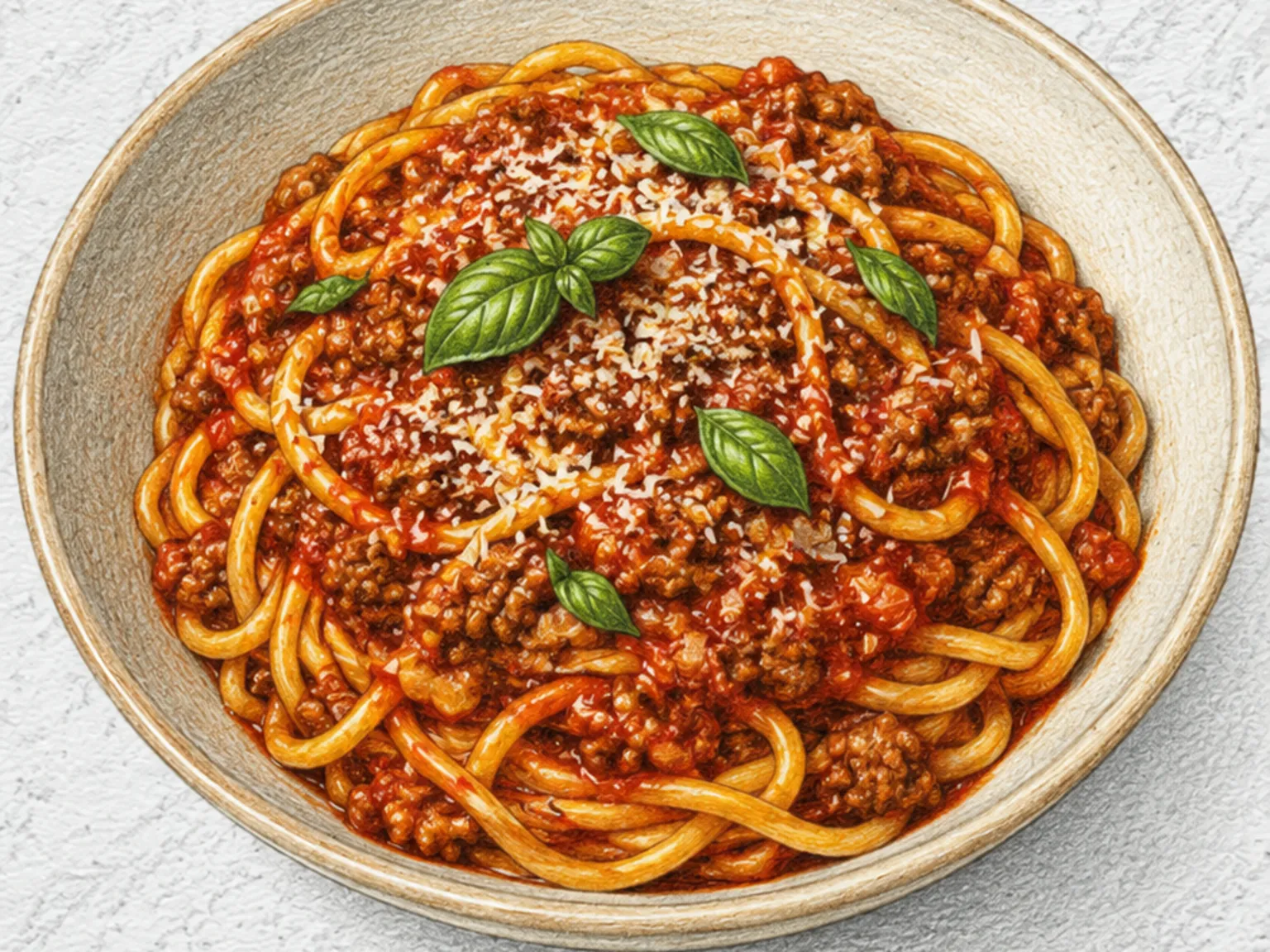
Meat sauce pasta cooks ground beef in olive oil until deeply browned for a strong Maillard reaction, then builds flavor with diced onion and garlic before adding tomato sauce and tomato paste. Simmering the sauce on low heat for at least 15 minutes allows the tomato acidity to mellow and the meat juices to concentrate. Salting the pasta water generously - as salty as the sea - seasons the noodles from the inside. Tossing the drained spaghetti directly into the sauce pan for a minute or two lets the surface starch bind with the sauce for better coating. A splash of red wine adds acidity and depth, while grated Parmesan and fresh basil at the end bring a savory-herbal finish. The dish is straightforward but rewards patience during the simmer.
Spicy Seafood Tomato Pasta
Spicy seafood tomato pasta starts by building a chili-infused oil base - garlic, onion, and red pepper flakes sauteed in olive oil until fragrant. Shrimp and squid are seared briefly until just opaque on the outside, then hand-crushed whole tomatoes are added and the sauce simmers for six to seven minutes, during which the tomato reduces and absorbs the juices released by the seafood. Cooking the seafood only until the surface turns white is critical, as the residual heat from the simmering sauce finishes them gently without making them rubbery. The spaghetti is boiled one minute short of al dente and tossed in the sauce pan with a splash of pasta water over high heat, which emulsifies the sauce and binds it to each strand. The chili heat cuts cleanly through the tomato's acidity and the seafood's brininess, and chopped parsley adds a final fresh herbal note.
Chestnut Espresso Tiramisu
Chestnut espresso tiramisu layers a mascarpone cream enriched with chestnut puree over espresso-soaked savoiardi biscuits, bringing an autumnal depth to the Italian classic. Strong espresso spiked with rum or marsala wine saturates the ladyfingers without making them soggy, providing a bitter, caffeinated base for the cream above. The mascarpone is first beaten smooth, then folded together with chestnut puree and a pate a bombe made from egg yolks whipped with hot sugar syrup, giving the cream a stable, mousse-like body that slices cleanly after setting. Chestnut puree contributes a dense, mellow sweetness entirely unlike refined sugar - it rounds the espresso's bitterness rather than masking it, and its earthy, nutty undertones push the cream toward something more complex than the vanilla-forward original. The finished layers are dusted with unsweetened cocoa powder, adding one more note of controlled bitterness, and refrigerated for at least six hours. Overnight chilling is the better choice: the espresso migrates up through the cream layers during that time, the flavors blend into a cohesive whole, and the texture firms from loose cream into the silkable, sliceable consistency that defines a properly rested tiramisu. Served cold, the chestnut and coffee notes become sharp and distinct.
Yuja Burrata Cherry Tomato Spaghetti
Yuja burrata cherry tomato spaghetti builds its base by slowly infusing olive oil with sliced garlic over low heat, then cooking cherry tomatoes on medium until they burst and release their juices into a loose, bright sauce. Yuja marmalade and yuja juice are stirred in for only 30 seconds to preserve the citrus volatiles before they are driven off by heat. The marmalade's considerable sweetness is balanced against the tomato's acidity and added gradually to taste. Tossing al dente spaghetti with a splash of reserved pasta water binds the starch into the sauce for a smooth, even coat on each strand. Burrata is torn open and placed on top just before serving so its creamy, milky interior melts across the hot pasta, producing a clear contrast between the sharp citrus and the rich dairy fat. The distinctive fragrance of yuja combined with the bright tomato sauce gives this Italian-format pasta a recognizably Korean sensibility.
Serve with this
Ribollita (Tuscan Bread and Bean Soup)
Ribollita is a traditional Tuscan soup that sautees cannellini beans, cabbage, carrot, tomato, celery, and onion in olive oil, simmers them in vegetable stock, and thickens the pot by tearing in stale baguette near the end of cooking. The name itself means 're-boiled,' reflecting its origin as leftover soup reheated with bread. Starch from the beans and the bread's absorption of broth create a hearty body without any roux or cream. The cabbage grows sweeter the longer it simmers, and a finishing drizzle of olive oil adds richness to the otherwise lean vegetable base. Reheating the next day allows the flavors to meld further, which is why this soup traditionally tastes better on the second day.
Zucchini Noodle Salad
Zucchini noodle salad spiralizes or peels zucchini into long noodle strands and tosses them with halved cherry tomatoes and minced garlic in a lemon juice and olive oil dressing, finished with shaved Parmesan and fresh basil. Zucchini has a high water content that releases quickly once dressed, so the salad must be tossed immediately before serving to prevent the dressing from becoming diluted. Finely minced garlic dispersed through the olive oil distributes a sharp, pungent flavor evenly across every strand, and lemon juice gives the mild zucchini a defined, bright direction. The cherry tomatoes burst with juice that acts as a secondary dressing, and the Parmesan contributes salt and umami that pair with basil's herbaceous aroma to produce depth without any cooking.
Tomato Basil Juice
Tomato basil juice is a cold savory drink made by blending ripe tomatoes with fresh basil leaves and straining the result through a fine sieve to remove seeds and skins. The ripeness of the tomato determines much of the flavor: fully ripe tomatoes carry free glutamates that produce a natural umami depth, whereas underripe fruit tastes predominantly sour without the sweetness and savory body that makes the juice satisfying. Basil should be added to the blender immediately before blending rather than sitting cut or torn, because the volatile oils that produce its aroma begin oxidizing quickly once the leaves are damaged. After blending to a smooth consistency, passing the juice through a fine-mesh strainer or cheesecloth removes the solids and produces a texture smooth enough to drink without resistance. Salt and black pepper season the juice, and fresh lemon juice raises the acidity in a way that brightens the overall flavor rather than making it sour. A small addition of olive oil emulsifies into the juice and activates fat-soluble aromatic compounds in both the tomato and the basil, producing a fuller, rounder flavor than the unstrained version. The juice must be thoroughly chilled before serving, as warmth mutes the herbal freshness. It works well as a brunch drink, a light non-alcoholic aperitif, or a base for savory cocktails.
Similar recipes
Gochu Oil Tuna Puttanesca Spaghetti
The foundation of this Gochu oil tuna puttanesca spaghetti is established by integrating the olive oil reserved from a can of tuna with a secondary portion of chili oil. This combined oil serves as the medium for sautéing sliced garlic and whole anchovy fillets over a consistently low heat. The process continues until the anchovies have fully dissolved into the warm fat, a step that allows their natural saltiness to permeate the base while eliminating any lingering traces of fishiness. Crushed tomatoes are then introduced to the pan and left to simmer for six minutes over medium heat. This period of simmering reduces the liquid content, which in turn concentrates the flavors and makes the natural acidity of the tomatoes more prominent. After this reduction, capers and black olives are added to provide distinct layers of brine and a characteristic hint of bitterness to the mixture. The solid pieces of tuna are folded in during the final two minutes of cooking. This short duration ensures that the tuna maintains its structure and provides a firm texture instead of disintegrating into the liquid. The cooked spaghetti and a small quantity of starchy pasta water are then combined with the sauce over high heat. This rapid tossing emulsifies the fats and liquids into a glossy coating that adheres uniformly to every surface of the pasta. To finish the dish, a handful of chopped parsley is scattered on top to introduce a fresh herbal quality that lightens the dense and salty profile of the sauce. Red chili flakes can be included at any stage of the process to allow for the precise adjustment of heat levels.
Buchu Vongole Spaghetti (Korean Garlic Chive and Clam Pasta)
Buchu vongole spaghetti takes the Italian vongole format and finishes it with a fistful of Korean garlic chives, combining a briny shellfish sauce with the sharp, vegetal fragrance that buchu brings. Garlic slices and dried chili flakes are first infused in olive oil until fragrant, then white wine goes in and the alcohol burns off quickly, leaving only the wine's fruity character in the base. Manila clams added to the pan steam open in two to three minutes under a lid, releasing their liquor into the oil and wine. That clam broth carries enough salinity and umami to season the entire sauce - no added salt required at any point. A ladleful of pasta water stirred in while shaking the pan hard creates an emulsion that bonds the clam broth with the olive oil and coats every strand. The garlic chives are added off heat so they stay bright green and fragrant rather than going soft and losing their character. A scatter of chopped Italian parsley over the finished bowl adds a last note of herbal freshness.
Spaghetti alla Puttanesca
Spaghetti alla puttanesca melts anchovy fillets into olive oil with sliced garlic over low heat, creating a deeply savory base before any tomato is added. Hand-crushed whole tomatoes, halved black olives, capers, and red pepper flakes go in next and simmer for eight minutes, during which the sauce reduces and the briny, salty, and spicy elements fuse into a bold, cohesive flavor. The anchovies dissolve completely, leaving no trace of fish but contributing an intense umami backbone. Because capers and anchovies are already heavily salted, seasoning is adjusted only at the very end by taste. The spaghetti is pulled one minute short of al dente and finished in the sauce pan with a splash of pasta water, which allows the starch to bind the sauce tightly to each strand.