Charim

2686 Korean & World Recipes

2686+ Korean recipes, clean and organized. Ingredients to instructions, all at a glance.

Japanese Simmered Yellowtail and Daikon
SteamedMedium

Japanese Simmered Yellowtail and Daikon

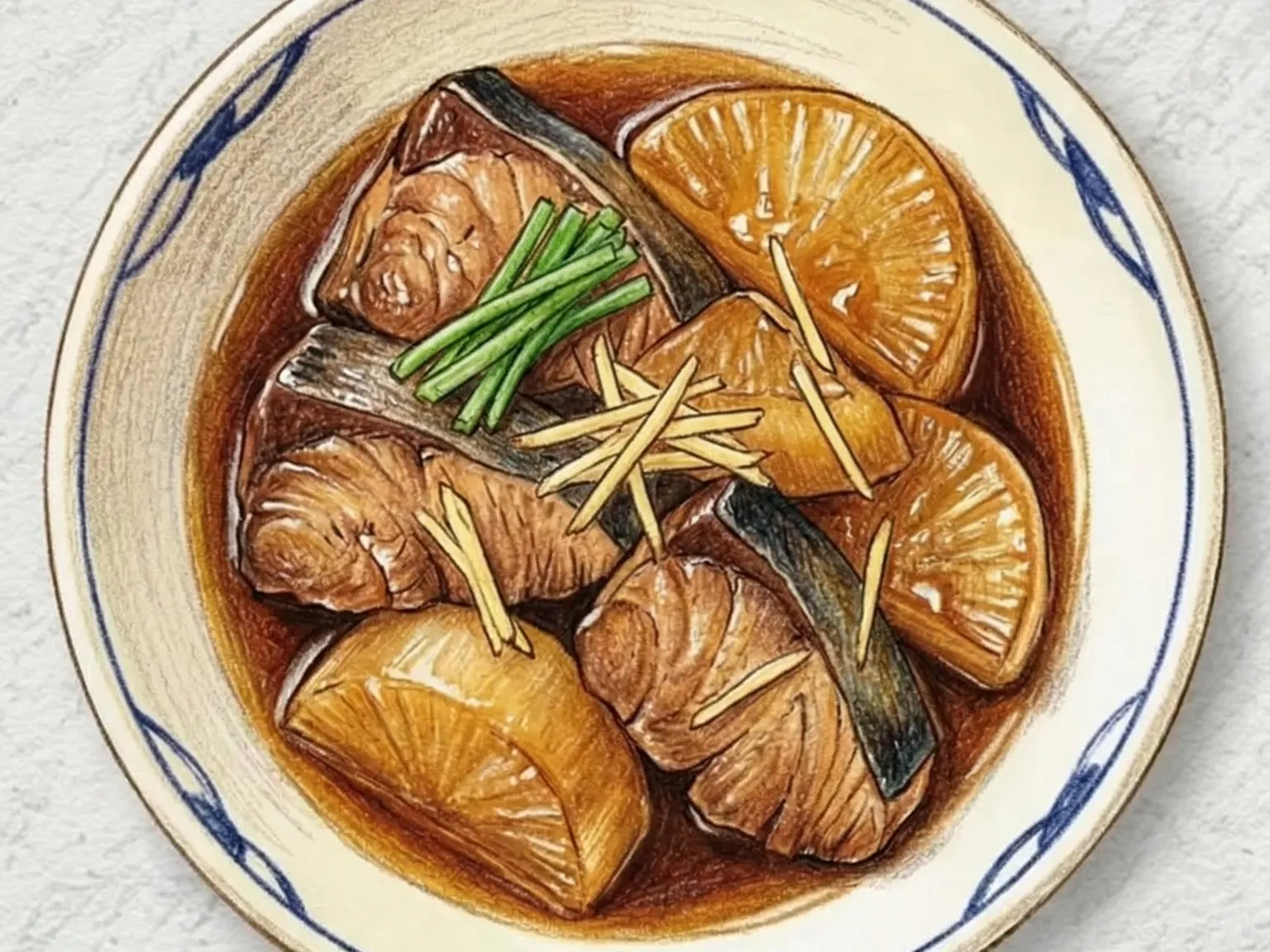
Yellowtail and daikon radish are simmered together in a dashi-based sauce of soy sauce, mirin, and sake. The fatty yellowtail becomes flaky and rich as it cooks, while the daikon absorbs the concentrated braising liquid and turns translucent. Sugar adds a gentle sweetness to balance the salty soy, and fresh ginger cuts through the fishiness. This is a quintessential Japanese home-cooked dish, best made in winter when yellowtail is at its fattiest.

Prep 20minCook 40min4 servings

Adjust Servings

2servings
servings

Instructions

  1. 1

    Parboil thick daikon slices until partly translucent.

  2. 2

    Pour hot water over yellowtail to remove fishy notes.

  3. 3

    Boil dashi with soy sauce, mirin, sake, sugar, and ginger.

  4. 4

    Add daikon and yellowtail and simmer for 25 minutes.

  5. 5

    Turn off heat when liquid reduces by half and let it rest before serving.

🛒Shop Ingredients on Amazon

As an Amazon Associate, we may earn from qualifying purchases.

Tips

Pre-cooking daikon reduces bitterness and improves absorption.
Do not overcook fish to avoid dryness.

Nutrition (per serving)

Calories
380
kcal
Protein
34
g
Carbs
14
g
Fat
19
g

More Recipes

Japanese Braised Chicken and Root Vegetables
SteamedMedium

Japanese Braised Chicken and Root Vegetables

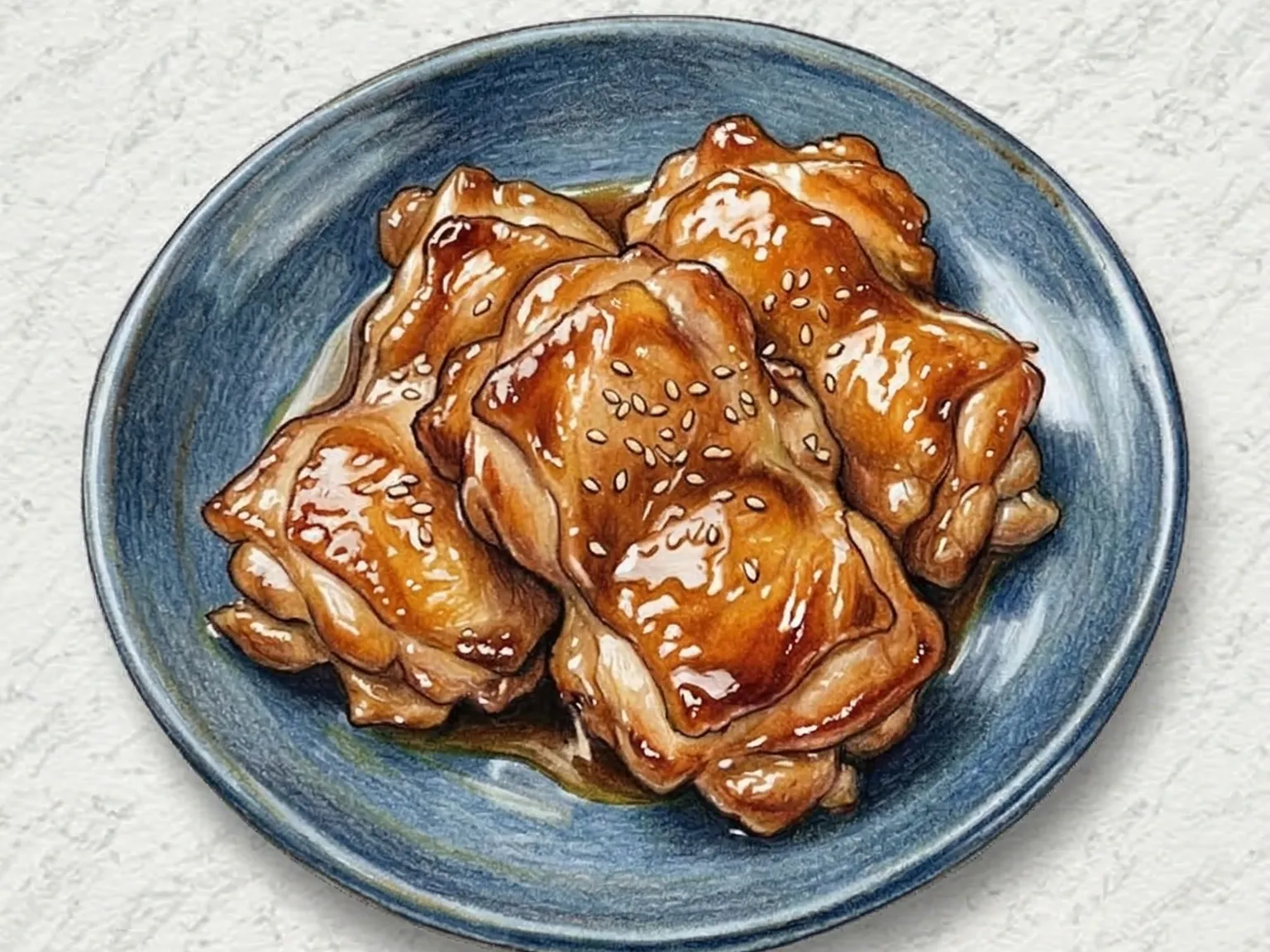
Chikuzenni is a Japanese-style braise of chicken thigh with lotus root, burdock, and carrot simmered in dashi seasoned with soy sauce and mirin. The rendered fat from the thigh meat coats each piece of root vegetable, building a savory depth without heaviness. Lotus root holds its crisp bite while burdock adds an earthy, nutty flavor that intensifies as you chew. The gentle sweetness of mirin balances the soy, making this a side dish that stays satisfying over multiple servings alongside steamed rice.

🎉 Special Occasion
Prep 25minCook 35min4 servings
Japanese Braised Pork Belly
Stir-fryHard

Japanese Braised Pork Belly

Thick cubes of pork belly are blanched for five minutes to purge impurities, then simmered for fifty minutes in water with ginger and green onion until the fat layers turn translucent and yielding. The parboiled meat is transferred to a fresh pot with soy sauce, mirin, and sugar, where it braises over medium-low heat for another thirty minutes as the liquid reduces by half and lacquers each piece in a dark, glossy coat. Mirin carries away any residual off-odors along with its alcohol while depositing a gentle sweetness into the pork, and ginger neutralizes the musky quality that belly fat can develop during long cooking. Boiled eggs added to the braising liquid absorb the soy-mirin mixture through their whites, turning amber and picking up flavor all the way to the yolk. Cooling the finished dish and reheating it once transforms the texture further: collagen that dissolved during cooking sets into a gel while cold, then melts again upon warming, thickening the sauce into something close to a demi-glace. Skimming the solidified fat from the chilled surface removes excess grease without dulling the flavor.

🏠 Everyday🎉 Special Occasion
Prep 20minCook 90min4 servings
Steamed Komatsuna and Tofu
SteamedEasy

Steamed Komatsuna and Tofu

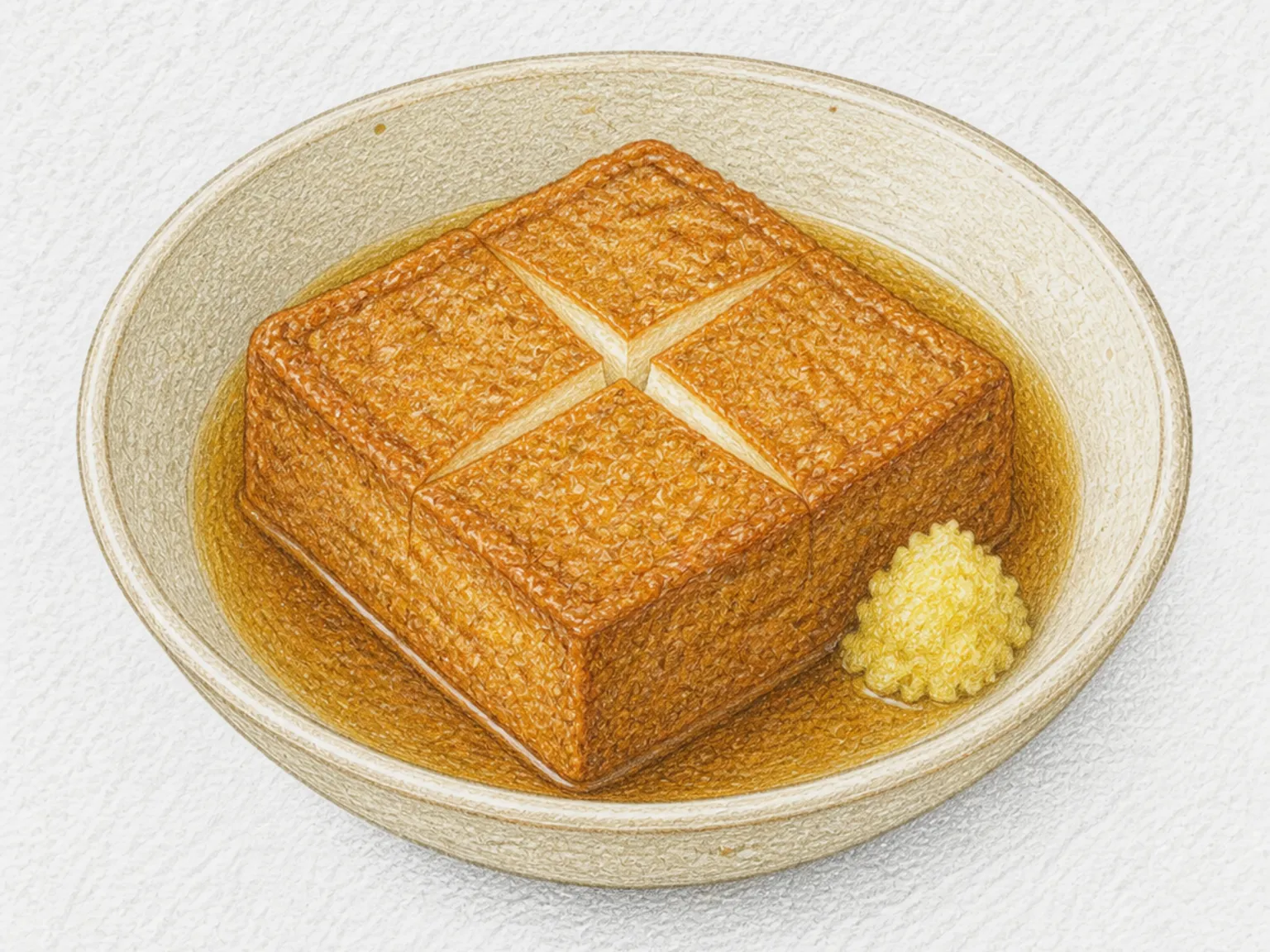
Komatsuna mushi is a Japanese steamed dish of mustard spinach and tofu finished with a light dashi-soy dipping sauce. The komatsuna has a subtle bitterness that pairs well with the mild, creamy tofu, and the dashi broth ties them together with clean umami. Seasoning is kept to salt and soy sauce only, allowing the natural flavors of the greens and tofu to come through without interference. Free of added oil, this is a light preparation that fits naturally into a multi-dish Japanese home meal.

🥗 Light & Healthy
Prep 10minCook 12min2 servings
Saba Misoni (Japanese Miso Mackerel Recipe)
AsianMedium

Saba Misoni (Japanese Miso Mackerel Recipe)

Saba miso-ni is a cornerstone of Japanese home cooking, a dish most cooks can make from memory. Mackerel fillets are first doused with boiling water to remove surface proteins and odor, then placed skin-side up in a shallow pan with a sauce of white or red miso, soy sauce, mirin, sake, and sugar. Thick slices of ginger go in alongside the fish, neutralizing any remaining fishiness and lending a clean, sharp note to the broth. The pan is covered with a drop lid so the simmering liquid bastes the fillets continuously, building a glossy, caramelized miso coating on the surface. The finished fish is so tender it flakes at the touch of chopsticks, and the reduced sauce has concentrated into a thick glaze that clings to each piece. Served over steamed rice, a single fillet and a spoonful of sauce make a complete meal.

🏠 Everyday🍱 Lunchbox
Prep 8minCook 18min2 servings
Japanese Braised Pork Belly
SteamedHard

Japanese Braised Pork Belly

Kakuni is a Japanese braised pork belly dish where thick-cut slabs are simmered for hours in soy sauce, mirin, sake, and ginger until the fat renders completely and the meat yields to the lightest pressure of chopsticks. The mirin builds a gentle sweetness that rounds out the soy sauce's salinity, while ginger keeps the pork tasting clean throughout the long braise. The reduced cooking liquid glazes each piece in a dark, glossy coat that concentrates the flavor on the surface. Served over steamed rice or with a dab of hot mustard, the contrast between the rich pork and the sharp condiment defines this dish.

🎉 Special Occasion
Prep 20minCook 120min4 servings
Hayashi Rice (Japanese Beef and Onion Brown Sauce Rice)
RiceEasy

Hayashi Rice (Japanese Beef and Onion Brown Sauce Rice)

Thinly sliced onions are caramelized in butter for at least eight minutes until deep golden, then simmered with thin-cut beef, tomato paste, Worcestershire sauce, and flour-thickened water into a glossy brown sauce. The extended caramelization of the onions creates the foundational sweetness that defines hayashi rice, so patience at this step directly determines the final flavor. Tomato paste contributes acidity and color while Worcestershire sauce brings a layered spice complexity, and the flour gives the sauce enough body to coat each piece of meat. Spooned generously over warm rice, this mild, non-spicy dish appeals to all ages.

🏠 Everyday🧒 Kid-Friendly
Prep 15minCook 25min2 servings
More Steamed