Butter Chicken
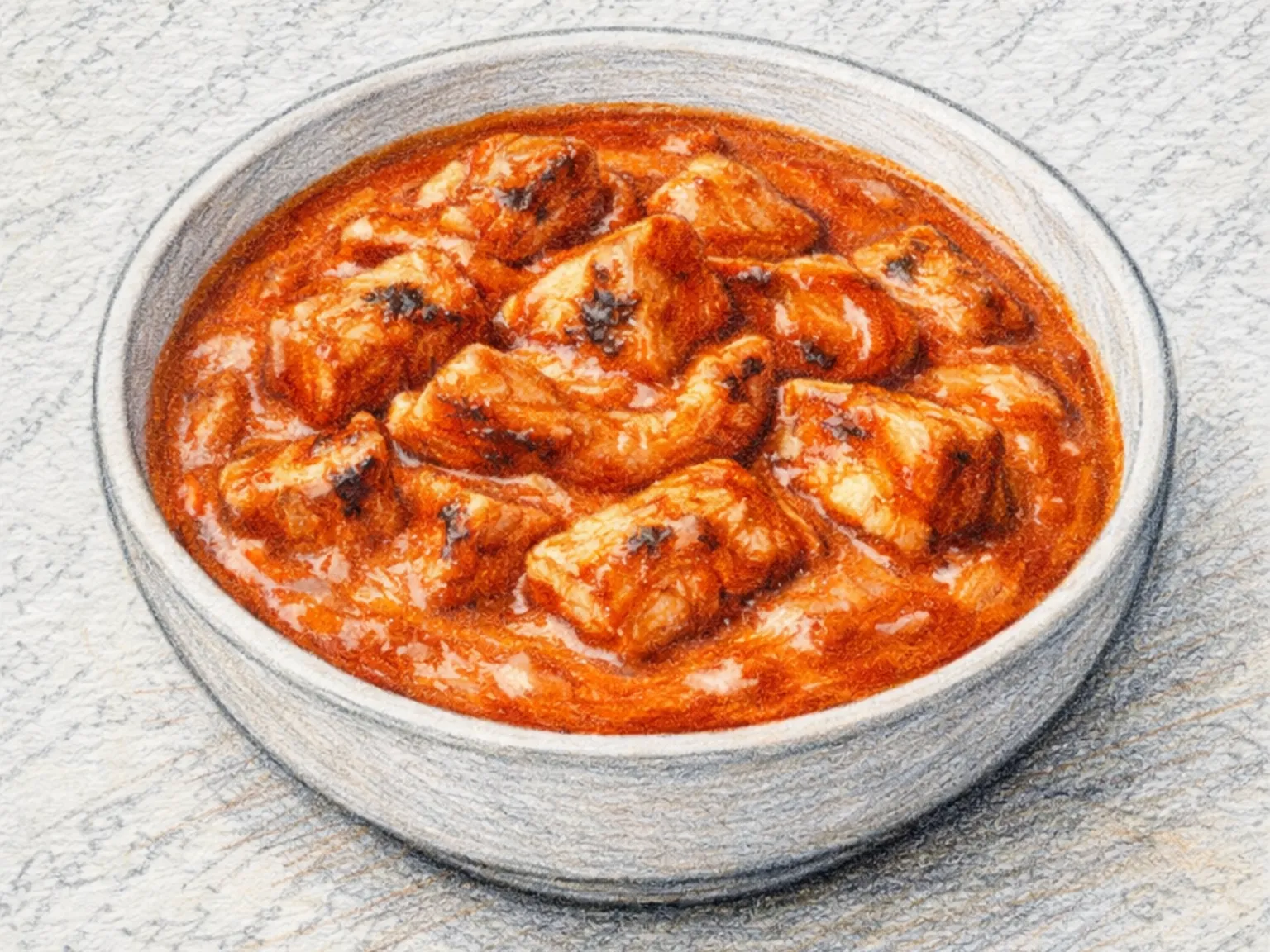
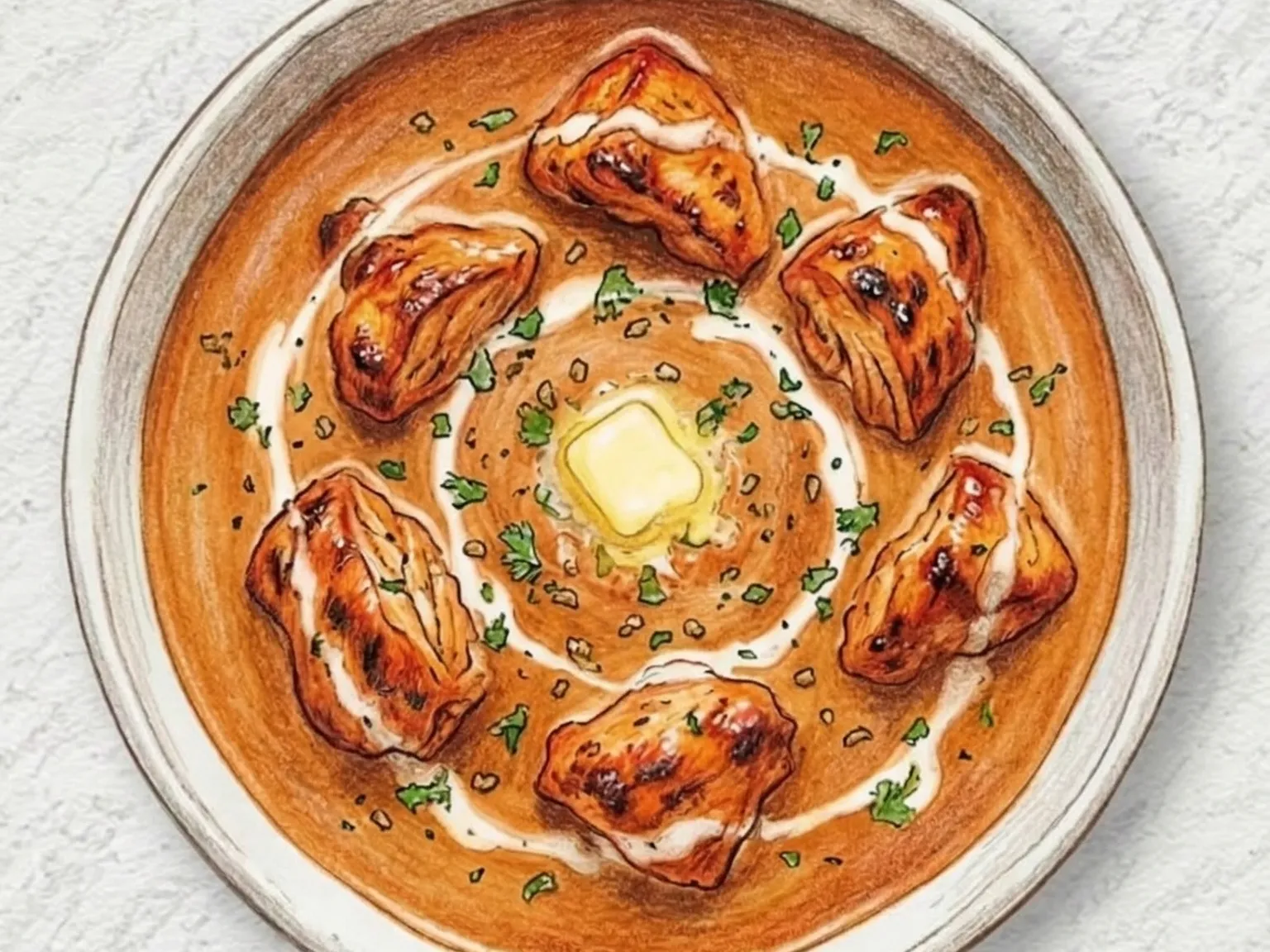
Butter chicken - murgh makhani - marinates chicken thighs in yogurt, garam masala, and cumin, grills or roasts them tandoori-style to build a smoky surface char, then simmers the pieces in a sauce of long-cooked tomato puree enriched with butter and heavy cream. The yogurt marinade tenderizes the meat by breaking down surface proteins, and the high-heat roasting adds a depth of flavor that plain poaching cannot achieve. The tomato base must cook down until its raw acidity mellows into a rounded sweetness before the dairy goes in. Butter and cream transform the spice blend's sharp edges into something velvety and rich, producing the mild, creamy character that sets this curry apart from hotter Indian preparations.
Adjust Servings
Instructions
- 1
Marinate chicken in ginger-garlic paste and chili for 30 minutes.
- 2
Melt butter and sear chicken until golden.
- 3
In the same pan, sauté onion and spices; add tomato puree and simmer.
- 4
Add chicken to sauce and simmer 15 minutes.
- 5
Stir in cream and butter to finish.
As an Amazon Associate, we may earn from qualifying purchases.
Tips
Nutrition (per serving)
More Recipes

Chicken Tikka Masala
Chicken tikka masala marinates chicken in yogurt, curry powder, garlic, and ginger, then grills or broils it before simmering in a sauce of tomato puree, garam masala, and heavy cream. The yogurt's lactic acid tenderizes the surface of the meat while carrying the spices deeper into the flesh. Sauteing onion in butter, then cooking tomato puree with garam masala for fifteen minutes rounds off the raw edges of the spices and builds the sauce's foundation. Heavy cream folded in at the end wraps the tomato acidity and spice heat in a smooth, rich body that balances the dish. Marinating overnight allows the spices to penetrate fully, producing noticeably more flavor than a short soak.

Dal Makhani (Creamy Buttered Lentils)
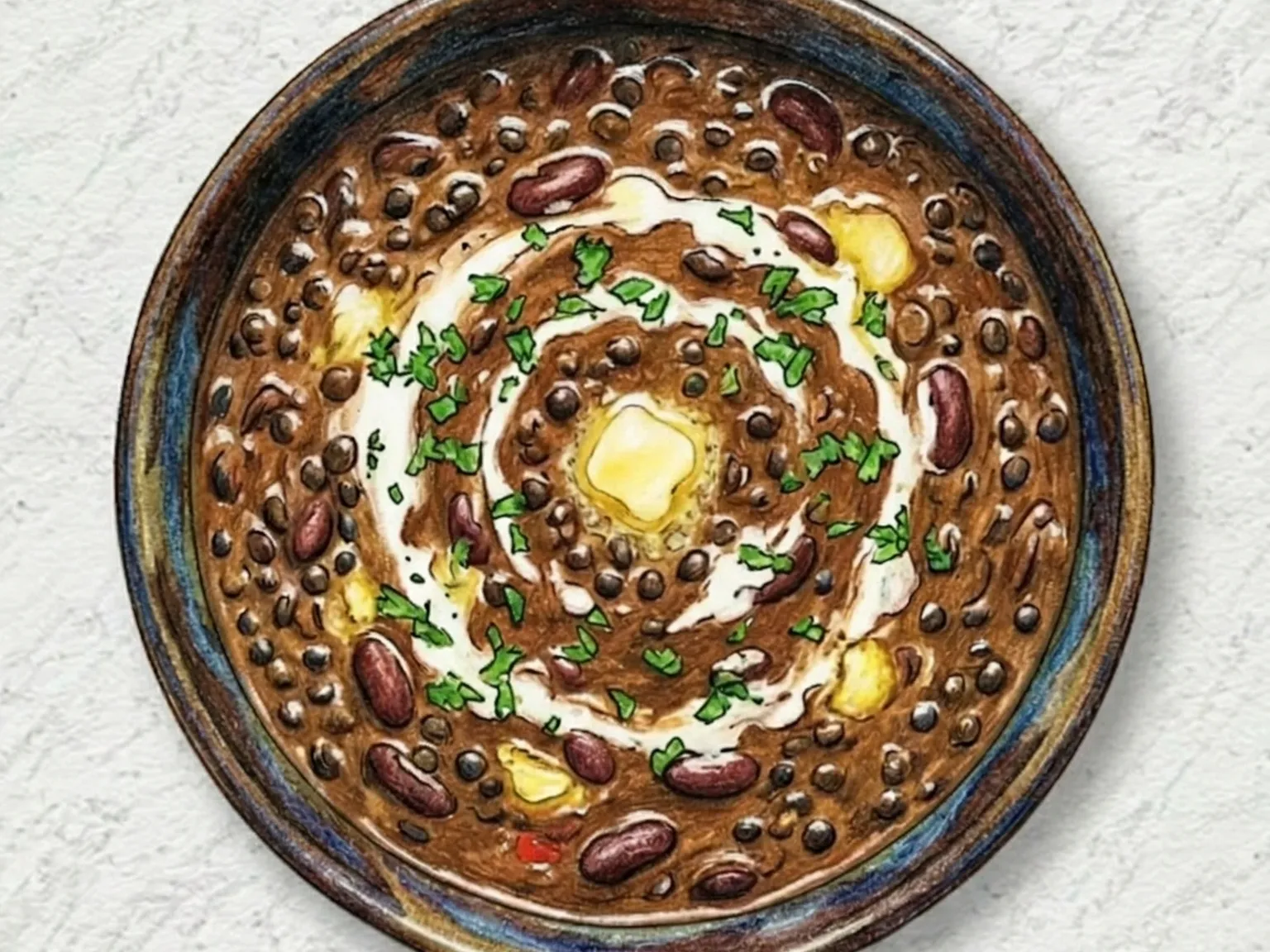
Dal makhani is Punjab's most celebrated lentil dish, now a fixture on restaurant menus across India and one of the most recognized Indian dishes worldwide. The name - makhani, meaning 'buttery' - signals its defining characteristic: a richness built from butter and cream that elevates humble lentils into something luxurious. Whole black lentils (urad dal) and kidney beans (rajma) soak overnight, then pressure-cook before simmering for hours in a base of tomato, garlic, ginger, and Kashmiri chili. During this slow cooking, the lentils gradually break down and release their starch into the liquid, creating a naturally creamy consistency even before a knob of butter and a pour of fresh cream are stirred in at the end to produce the dish's signature silky texture. Traditionally, dal makhani was left to simmer overnight beside the dying embers of a tandoor oven, absorbing smoky heat through the long hours. Served with naan or basmati rice, it is an indispensable dish at Indian wedding banquets and a comfort food that transcends class - equally at home in a roadside dhaba and a fine-dining restaurant.

Chicken Korma (Creamy Cashew Curry)
Chicken korma descends from the kitchens of the Mughal courts, where cooks competed to create dishes of layered subtlety rather than aggressive heat. The sauce base comes from cashews or almonds, soaked and ground into a fine paste that gives the gravy a velvety body and nutty richness without cream. Yogurt-marinated chicken simmers gently with whole spices - cardamom, cloves, cinnamon, mace - whose warm aromatics infuse the sauce over low heat, meeting the yogurt's tang and producing a flavor that is complex yet gentle. Saffron stirred in at the end lends a golden hue and a faint floral note that marks an authentic korma. Often recommended as an entry point for diners new to Indian food because of its mildness, korma is far more than a 'mild curry' - the depth of its spice layering, the toasted-nut backbone, and the slow-cooked integration of yogurt and aromatics make it one of the most technically refined dishes in the North Indian repertoire.

Malai Kofta (Indian Paneer Potato Dumplings in Creamy Tomato Sauce)
Malai kofta is a celebratory vegetarian dish from North India in which dumplings made from mashed potato and crumbled paneer are gently fried until golden, then served in a velvety tomato-cream gravy. The sauce gets its richness from a base of slow-cooked onions and tomatoes blended with cashew paste and finished with heavy cream, while garam masala and a touch of turmeric provide warmth without sharp heat. Each kofta is dense enough to hold its shape in the gravy yet soft enough to break apart with a spoon, releasing its mild cheese filling into the sauce. Paired with naan or basmati rice, it often appears at weddings and festival feasts as a showpiece main course.

Chicken Biryani (Mughal Spiced Saffron Layered Rice with Chicken)
Biryani was born from the meeting of Persian pilaf and Indian spice culture during the Mughal Empire, and it remains a ceremonial dish across the Indian subcontinent - served at weddings, festivals, and Friday prayer gatherings. Chicken marinates in yogurt, saffron, garam masala, and ginger-garlic paste, then is layered in a heavy-bottomed pot with par-cooked basmati rice, saffron milk, fried onions, and fresh mint between each layer. The pot is sealed with dough - a technique called dum - trapping steam so the rice and meat cook in each other's aromatic vapors. When the seal is broken at the table, the rush of saffron, cardamom, and rosewater fragrance is the dish's dramatic opening act. Each grain of rice in a well-made biryani should be separate yet infused with spice, and the bottom layer should develop a crisp, golden crust similar to Persian tahdig. The Hyderabadi and Lucknowi styles represent two poles - the former raw-cooking everything together, the latter par-cooking each element before assembly.

Chana Masala (Punjabi Spiced Chickpea Tomato Curry)
Chana masala is a staple of Punjabi home cooking and one of North India's most widely eaten vegetarian dishes, found on the menus of dhabas, railway canteens, and five-star hotel restaurants alike. Dried chickpeas are soaked overnight and pressure-cooked until they hold their shape but yield when pressed - the texture of the chickpea is as important as the gravy. The sauce builds from a base of finely diced onions fried until deeply browned, which provides a natural sweetness and body without any cream. Tomatoes cook down with coriander, cumin, turmeric, garam masala, and amchur (dried mango powder) - the amchur contributing a tart, fruity acidity that is the signature note distinguishing chana masala from other chickpea curries. The gravy should be thick and clinging, not soupy - each chickpea wears a dark, spiced coating. Garnished with sliced raw onion, green chili, and a squeeze of lemon, it is served with bhatura (fried bread) as the iconic Punjabi street-food combination chole bhature, or scooped up with roti for a weeknight dinner that costs almost nothing to make but delivers deep satisfaction.