Charim

2686 Korean & World Recipes

2686+ Korean recipes, clean and organized. Ingredients to instructions, all at a glance.

California Roll
Asian Medium

California Roll

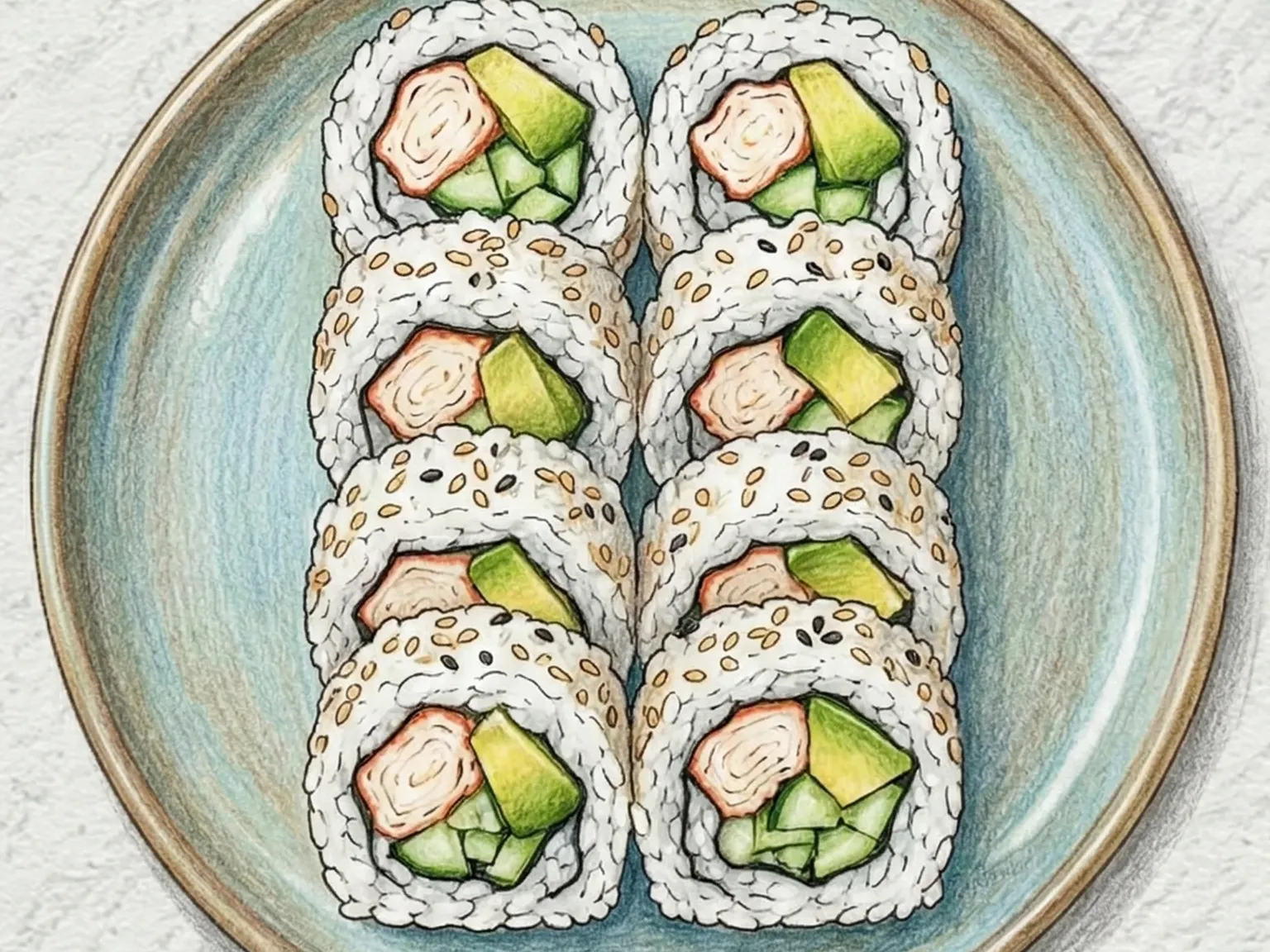
The California roll was created in the early 1970s, most likely by Japanese chefs working in Vancouver or Los Angeles who needed to make sushi appealing to North American diners unfamiliar with raw fish. The inside-out construction - rice on the outside, nori hidden within - was a deliberate inversion designed to disguise the dark seaweed that Western eaters initially found off-putting. Imitation crab (surimi), ripe avocado, and cucumber form the filling, providing a mild, creamy, and crunchy combination that requires no acquired taste. The rice is seasoned with vinegar, sugar, and salt, then rolled carefully so the grains hold together without being compacted. Tobiko or sesame seeds pressed into the outer rice layer add visual appeal and a subtle pop or nuttiness. Though dismissed by sushi purists, the California roll served as a gateway that introduced millions of Westerners to Japanese food and paved the way for the global sushi industry. It remains the single most ordered sushi roll in North America.

Prep 30min 0 2 servings

Adjust Servings

2servings
servings

Instructions

  1. 1

    Season warm rice with sushi vinegar to make sushi rice.

  2. 2

    Spread rice evenly on plastic wrap, then place nori on top.

  3. 3

    Add avocado, crab, and cucumber; roll tightly.

  4. 4

    Remove plastic wrap and cut into bite-sized pieces.

🛒Shop Ingredients on Amazon

As an Amazon Associate, we may earn from qualifying purchases.

Tips

Wet your hands before handling the rice to prevent sticking.

Nutrition (per serving)

Calories
320
kcal
Protein
10
g
Carbs
52
g
Fat
8
g

More Recipes

Curry Udon
AsianEasy

Curry Udon

Kare udon is a Japanese curry noodle dish that takes the familiar Japanese curry and transforms it with dashi stock, creating a flavor profile distinct from curry rice. Thinly sliced pork and onion are stir-fried, then dashi stock is added and brought to a boil before curry roux blocks are dissolved into the liquid. The combination of dashi, with its katsuobushi and kombu depth, and the warm spice of the curry roux produces a broth more complex than either element alone. The thick sauce clings to the fat, chewy udon strands so that every bite carries the full flavor of the broth. Stirring on low heat after the roux dissolves prevents the starchy sauce from burning on the pot bottom. Despite using the same curry roux as kare raisu, the addition of dashi and the substitution of noodles for rice makes this a distinctly different eating experience.

🏠 Everyday🌙 Late Night
Prep 10minCook 20min2 servings
Miso Soup
AsianEasy

Miso Soup

Miso shiru is the soup that appears at nearly every Japanese meal, from a simple breakfast to an elaborate multi-course dinner. Its foundation is dashi - a stock made from kombu seaweed and bonito flakes - into which miso paste is dissolved just before serving so the living cultures in the paste are preserved. Cubed silken tofu and rehydrated wakame seaweed are the most common additions, finished with a scattering of sliced scallions. The soup is deliberately understated, its role being to complement rather than compete with the dishes around it. White miso yields a mild, slightly sweet version, while red miso produces a saltier, more assertive bowl. Every household and region has its own preferred combination of miso type and ingredients.

Quick
Prep 5minCook 10min2 servings
Chashu Pork (Japanese Rolled Braised Pork Belly for Ramen)
AsianMedium

Chashu Pork (Japanese Rolled Braised Pork Belly for Ramen)

Chashu pork traces its roots to Cantonese char siu but evolved into a distinctly Japanese preparation - a rolled and braised pork belly rather than a roasted cut. A slab of pork belly is rolled into a tight cylinder, tied with kitchen twine, then simmered in soy sauce, mirin, sake, and sugar for one to two hours until the connective tissue dissolves into gelatin and the meat yields at the slightest pressure. The braising liquid reduces into a dark, syrupy glaze that coats the exterior in a deep amber sheen. When sliced, the cross-section reveals a spiral pattern of alternating fat and lean layers - a visual signature that signals proper rolling technique. Though most associated with ramen, where one or two slices crown the bowl, chashu is also served over rice as chashu-don or eaten cold as a drinking snack. The leftover braising liquid is never discarded - it becomes the base for ajitamago, the marinated soft-boiled egg that is chashu's inseparable companion.

🎉 Special Occasion
Prep 10minCook 90min4 servings
Chirashi Zushi (Scattered Sashimi Rice Bowl)
AsianMedium

Chirashi Zushi (Scattered Sashimi Rice Bowl)

Chirashi-zushi - scattered sushi - is the celebratory sushi of Japanese home cooking, traditionally served during Hinamatsuri (Girls' Day, March 3rd) and other family occasions where visual beauty matters as much as taste. A bowl of vinegared sushi rice is topped with an artful arrangement of sashimi, julienned egg crepe, lotus root, shiitake mushroom, salmon roe, and shrimp - the composition designed to showcase color contrasts and seasonal ingredients. Unlike nigiri, chirashi requires no shaping technique, making it accessible to home cooks, but the art lies in the arrangement: spring bowls feature green peas and pink pickled cherry blossoms, summer versions highlight abalone and cucumber. At high-end sushi counters, Edomae-style chirashi uses only the finest cuts of fish - chu-toro, uni, kohada, anago - composed over rice into a bowl that functions as an edible still life. The vinegared rice beneath ties everything together, its acidity cutting the richness of the raw fish.

🎉 Special Occasion
Prep 30minCook 20min2 servings
Korean Tuna Gimbap (Chamchi Gimbap)
RiceMedium

Korean Tuna Gimbap (Chamchi Gimbap)

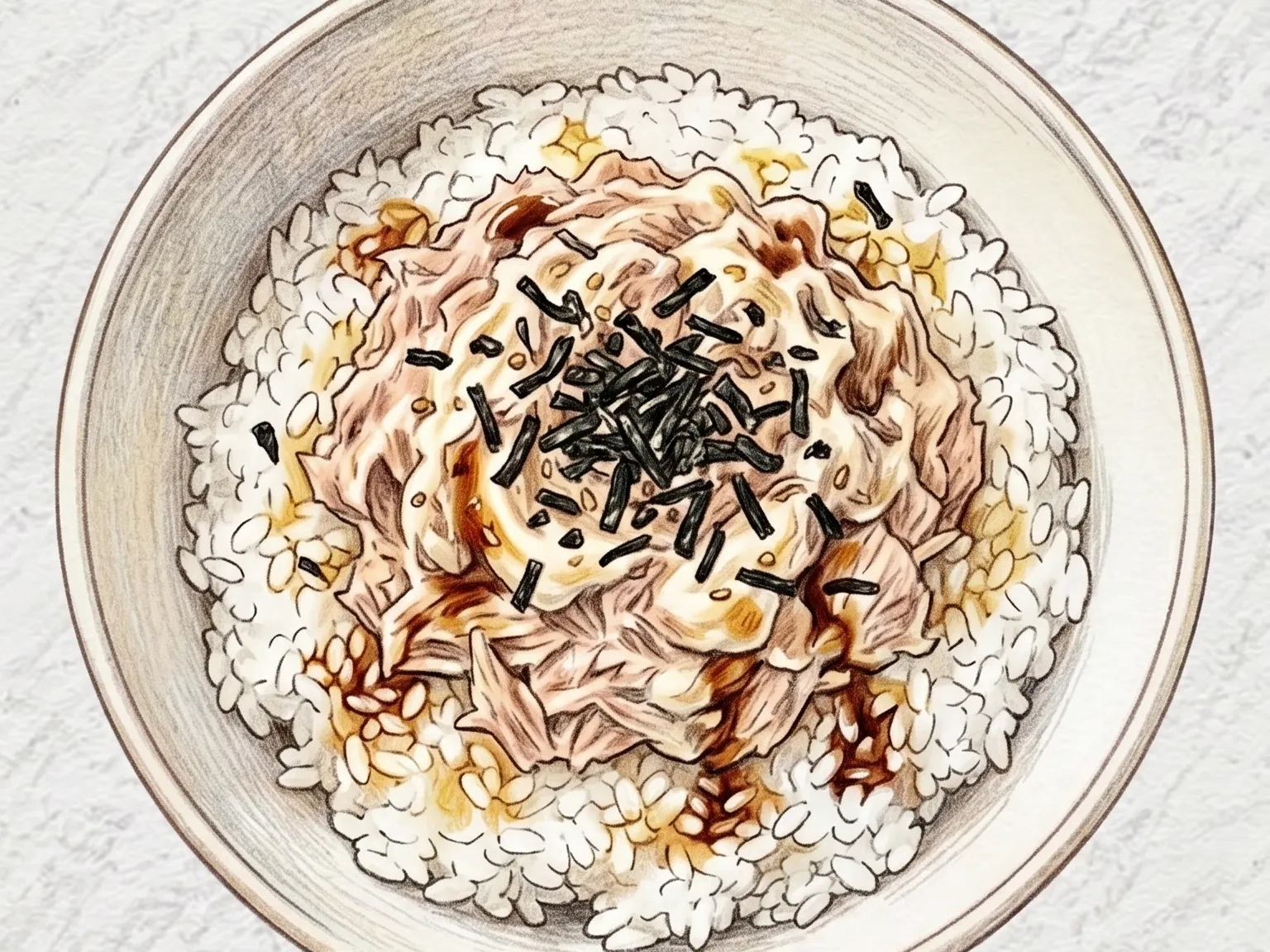
Chamchi gimbap is a Korean seaweed rice roll filled with canned tuna mixed with mayonnaise, along with carrot, spinach, and pickled radish, all wrapped tightly in seasoned rice and a sheet of roasted gim. The creamy tuna filling contrasts with the crisp vegetables, while the tangy pickled radish adds a bright note that keeps each bite interesting. It has been a beloved lunchbox and picnic staple in Korea for generations, easy to eat sliced into rounds and portable enough to take anywhere. The sesame oil brushed on the outside gives the roll a subtle sheen and a toasty aroma, and each cross-section reveals a colorful spiral of ingredients that makes it as visually appealing as it is flavorful.

🍱 Lunchbox
Prep 20minCook 10min2 servings
Korean Avocado Gimbap (Creamy Avocado Crab Seaweed Rice Roll)
Street foodEasy

Korean Avocado Gimbap (Creamy Avocado Crab Seaweed Rice Roll)

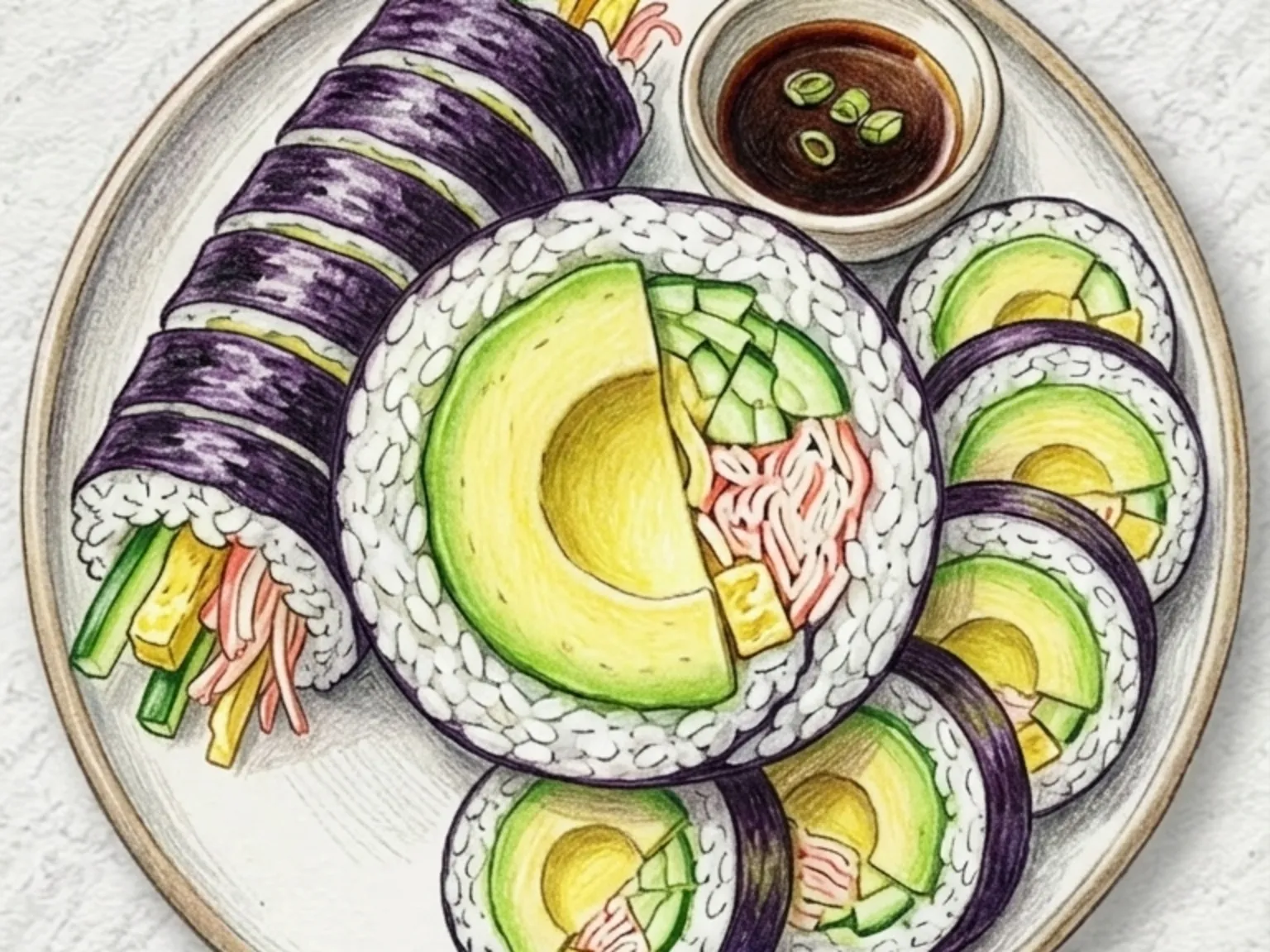
Avocado gimbap is a contemporary Korean creation that appeared in the 2010s as avocado became widely available in Korean grocery stores and cafes. Traditional gimbap uses danmuji, ham, and seasoned vegetables rolled in seaweed and rice, but this version places thick slices of ripe avocado at the center, where its buttery, neutral creaminess complements the sesame-oiled rice without competing with the other fillings. The avocado must be firm enough to hold its shape when sliced but soft enough to yield when bitten - the narrow window between underripe and overripe is critical. The rice is seasoned lightly with sesame oil and salt, and the nori provides a toasty, oceanic wrapper that grounds the mild avocado. Often paired with crab stick, cucumber, and a thin strip of egg jidan for color and protein. The cross-section reveals concentric rings of green, white, and yellow that make this gimbap one of the most visually striking versions. Popular as a light lunch or picnic food in Korean cities.

🥗 Light & Healthy🌙 Late Night
Prep 15minCook 5min2 servings
More Asian →