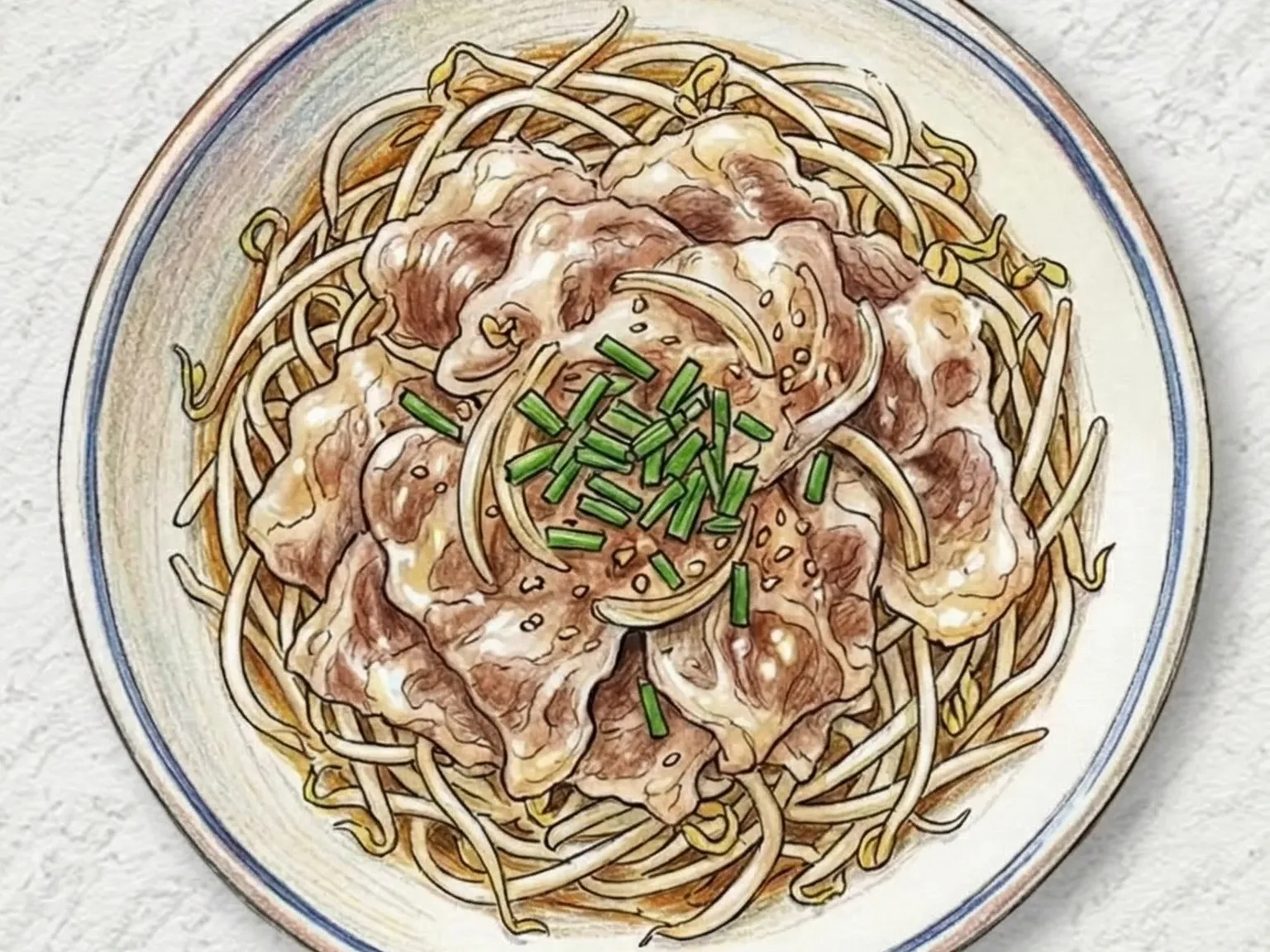
Korean Steamed Beef Brisket and Bean Sprouts
Spread 300 g bean sprouts and the sliced onion in a loose bed without pressing them down, then lay 300 g thin beef brisket on top one slice at a time with minimal overlap. Cover and steam over medium-high heat for about 7 minutes, until the red color is gone and the fat looks translucent. Turn off the heat, spoon the soy sauce mixture over the top, scatter the chives, and serve after 30 seconds while the sprouts are still crisp.
Quick answer
- Total time
- 27 min
- Level
- Easy
- Servings
- 2 servings
- Ingredients
- 8
About this dish
Fat from the thin brisket slices melts down into the bean sprouts underneath, so even a bite of sprouts alone tastes rich.
Read more
The dressing is light: soy sauce with garlic, a little sugar and sesame oil.
Ingredients
Instructions
- 1
Rinse 300 g bean sprouts in cold water, tossing them gently to remove grit, then drain well in a strainer.
Slice half an onion into even 0.3 cm strips so it softens at the same rate.
- 2
Cut 50 g chives into 4 cm lengths and keep them separate for finishing.
Do not add them early, because they wilt quickly and should only soften from the residual heat at the end.
- 3
In a small bowl, combine 2 tbsp soy sauce, 1 tsp minced garlic, 1 tsp sugar, and 1 tsp sesame oil.
Stir until no sugar grains remain, so the sauce coats the beef and sprouts evenly.
- 4
Spread the bean sprouts and onion evenly in the steamer or pot, making a loose bed instead of pressing them down.
Lay 300 g thin beef brisket on top one slice at a time, with minimal overlap.
- 5
Cover and steam over medium-high heat for about 7 minutes.
The beef is ready when the red color is gone, the fat looks translucent, and juices have dripped down into the sprouts.
- 6
Turn off the heat, spoon the sauce evenly over the hot beef and sprouts, and scatter the chives on top.
Let them sit for only 30 seconds, then serve while the sprouts are still crisp.
Official cooking and safety guidance
Public-agency cooking and food safety guidance that applies to this recipe.
Official cooking and safety guidance
-
Ingredient selection
Chadolbagi is a fatty cut attached to the middle of the brisket bone and cooks quickly. For this 2-serving recipe, use 300 g of thinly sliced beef with minimal overlap, and treat 7 minutes of steaming as a starting point.
Source: Korea Tourism Organization. Beef Brisket (Chadolbagi)
-
Storage and reheating
Refrigerate leftovers in shallow containers within 2 hours and use them within 3 to 4 days. Reheat the center to 74°C.
Source: USDA Food Safety and Inspection Service. Leftovers and Food Safety
Sources checked 2026-08-22
Use-up ingredient planner
Turn these ingredients into two more meals
The overlap excludes basic seasonings. Open the next recipe and your selected dishes will stay with you.
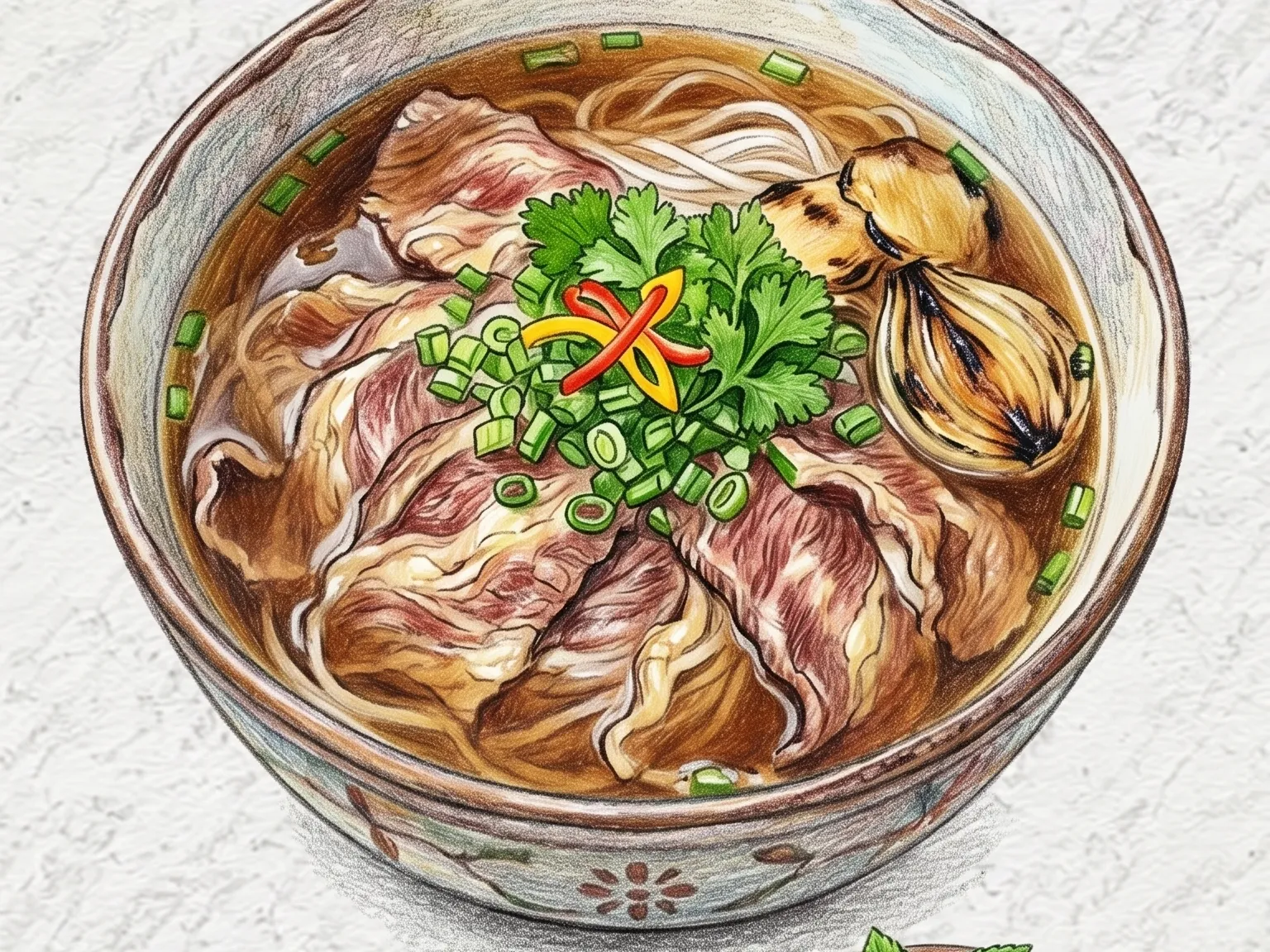
Beef Brisket Pho Guksu (Charred Ginger Beef Rice Noodle Soup)
thin beef brisket, bean sprouts
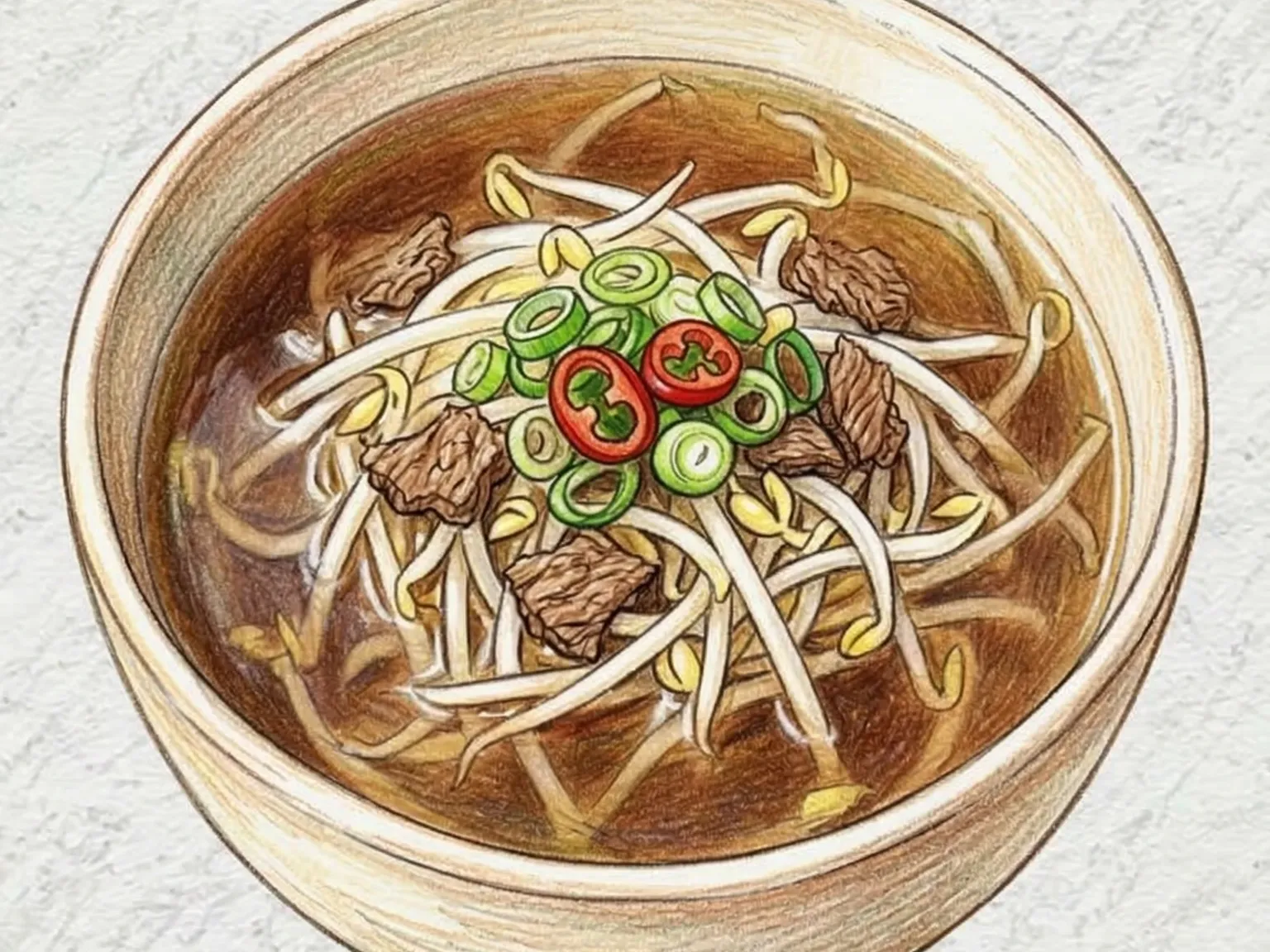
Korean Beef Bean Sprout Soup
bean sprouts, onion
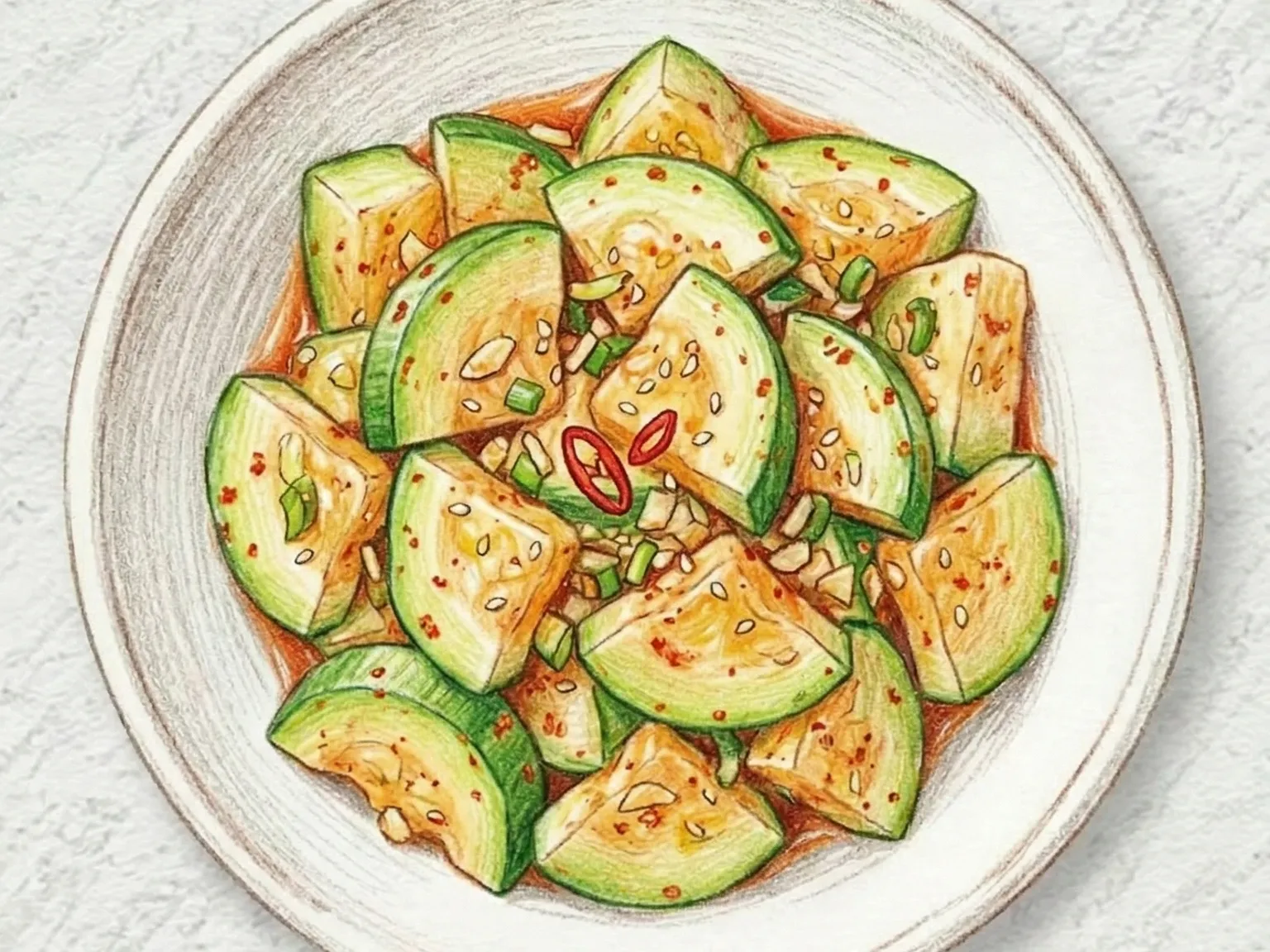
Korean Zucchini Kimchi (Summer Fresh Gochugaru Quick)
onion, chives