Korean Tuna Kimchi Stew
Quick answer
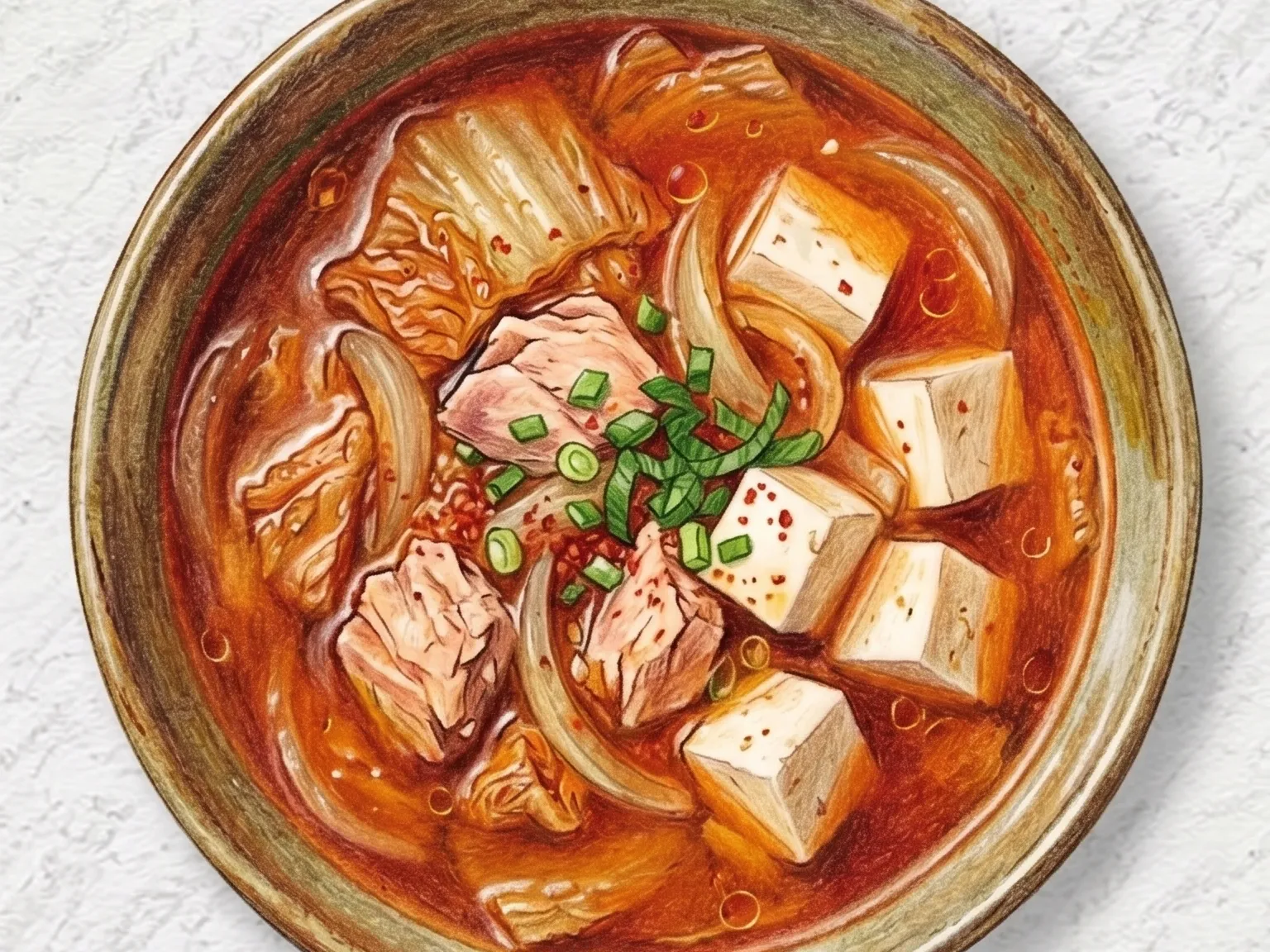
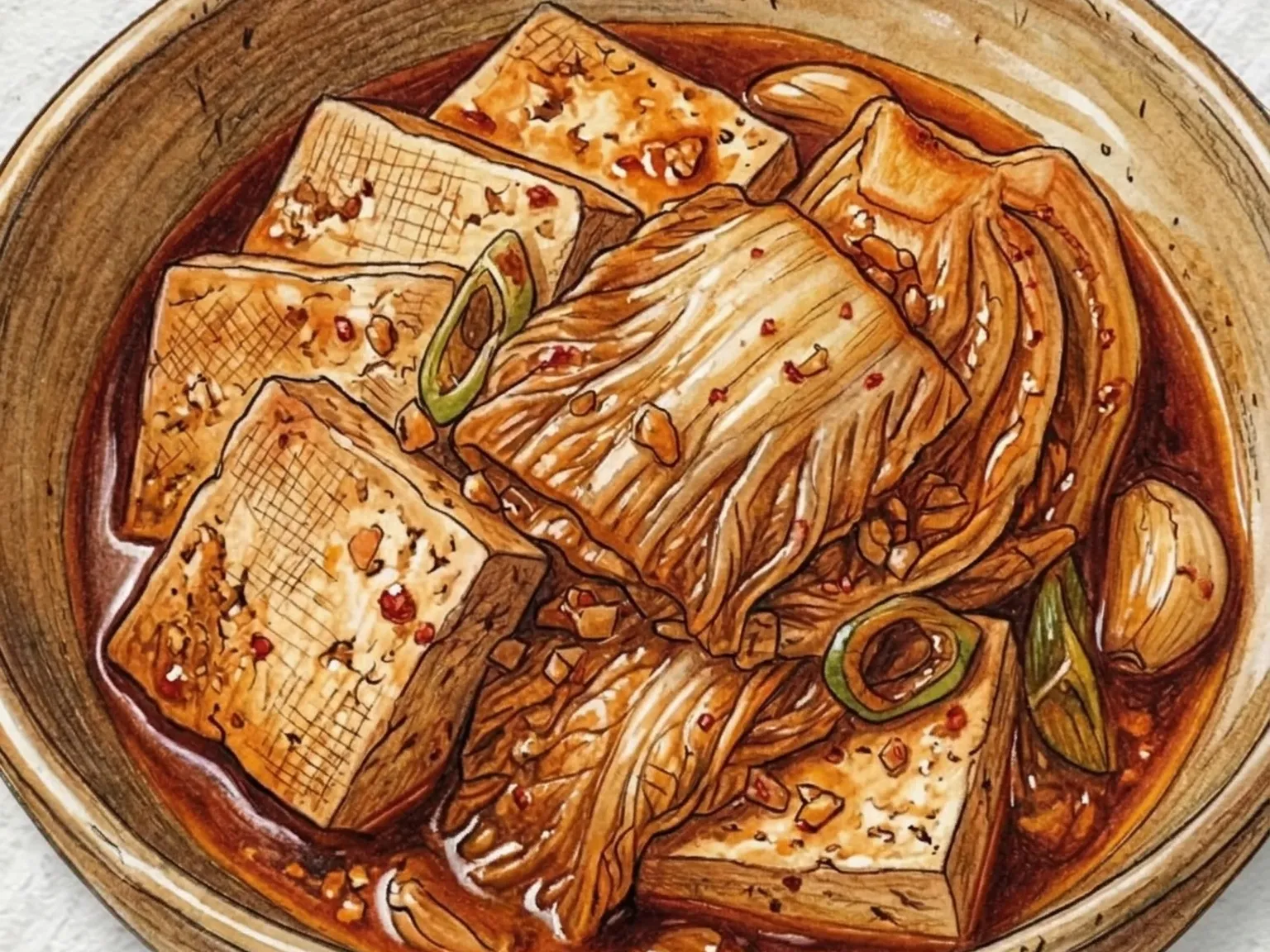
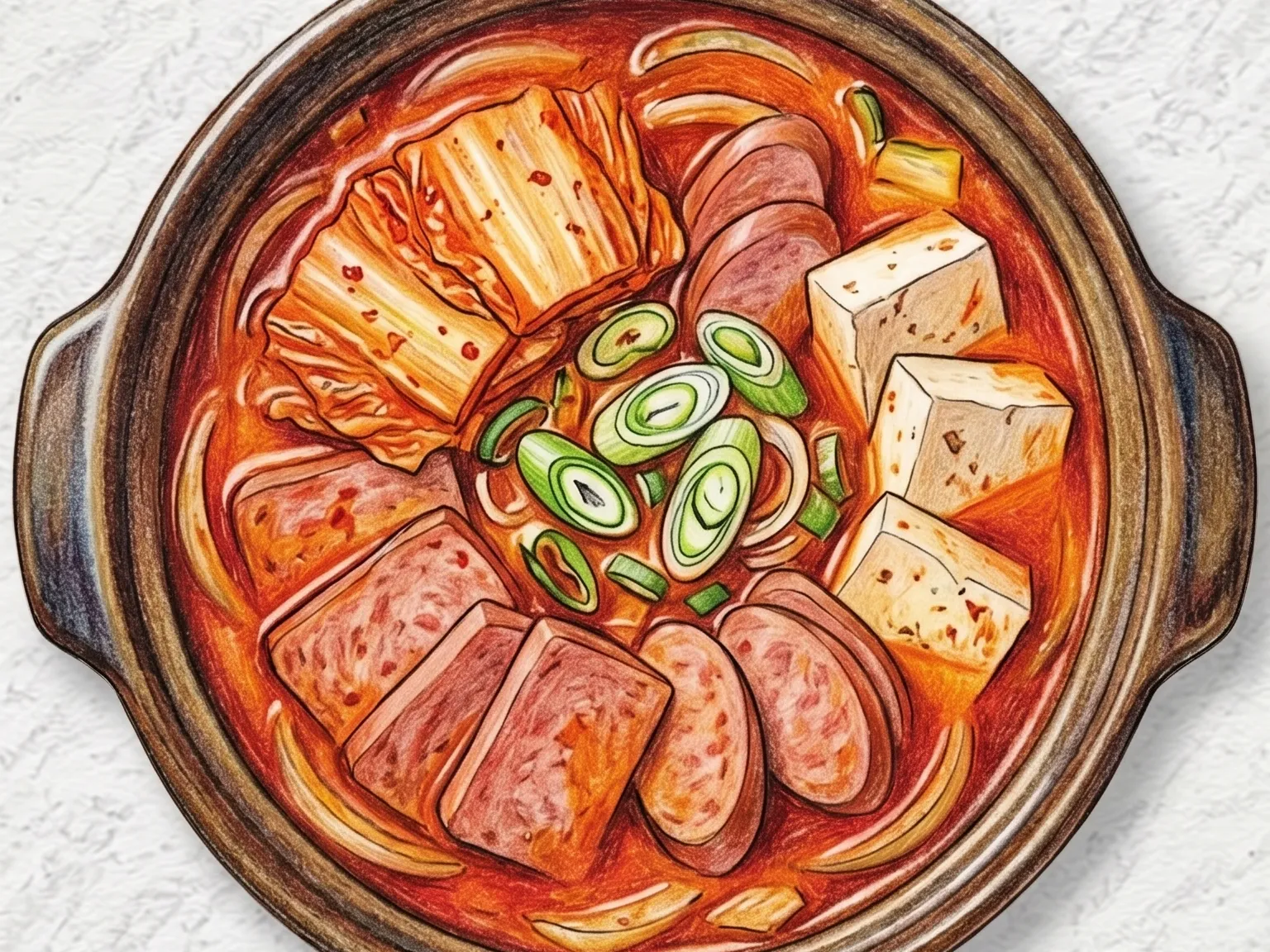
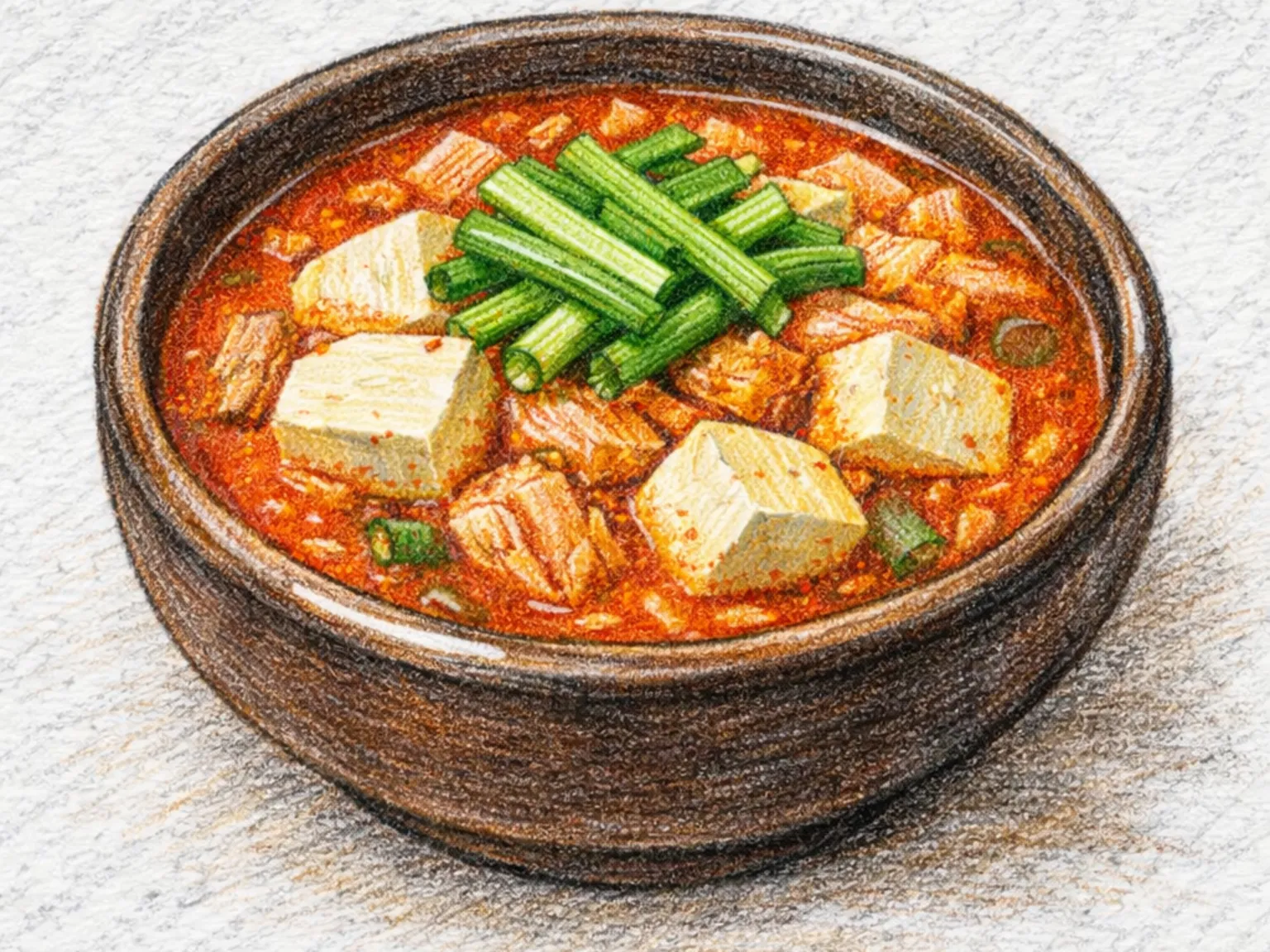
Aged kimchi and canned tuna are cooked together in this streamlined version of kimchi jjigae that skips the traditional pork.
What makes this special
- Aged kimchi and canned tuna pair for quick umami in this chamchi kimchi jjigae.
- Canned tuna replaces pork to cut cooking time while keeping full umami
- Boiling uncovered on high for 2 to 3 minutes reduces the broth to rice-friendly thickness
Key ingredients
Core cooking flow
- 1 Cut 220g aged kimchi into bite-size pieces and slice 80g onion thinly.
- 2 Heat the pot over medium heat, then add the kimchi and 1 tablespoon Korean chili flakes.
- 3 Pour in 500ml water and add the sliced onion, then raise the heat to high.
Aged kimchi and canned tuna are cooked together in this streamlined version of kimchi jjigae that skips the traditional pork. The tuna's oil enriches the broth quickly without a long simmer, while the well-fermented kimchi provides a deep sourness that anchors the stew's flavor. Firm tofu, onion, and green onion fill out the pot, and a spoonful of chili flakes keeps the heat assertive. Draining most of the oil from the canned tuna before adding it prevents the broth from becoming too greasy. Using thoroughly aged kimchi with a pronounced sour tang is what gives the broth its depth, and simmering uncovered over high heat for two to three minutes at the end thickens the liquid to a consistency that coats rice well.
Instructions
Read the steps as a cooking flow: prep, heat, seasoning, doneness control, and finish.
- 1Prep
Cut 220g aged kimchi into bite-size pieces and slice 80g onion thinly.
Slice 160g firm tofu about 1cm thick, cut 35g green onion on a diagonal, and drain most of the oil from the tuna.
- 2Control
Heat the pot over medium heat, then add the kimchi and 1 tablespoon Korean chili flakes.
Stir-fry for about 2 minutes, stirring often, until the kimchi softens and the chili color stains the surface without scorching.
- 3Control
Pour in 500ml water and add the sliced onion, then raise the heat to high.
When the broth boils hard, lower to medium-low and simmer for 7 minutes so the kimchi sourness and onion sweetness season the liquid.
- 4Control
Add 150g canned tuna with most of its oil drained and 1 teaspoon minced garlic.
Stir only once or twice to keep the tuna in pieces, then simmer for 3 minutes until the garlic smell softens.
- 5Control
Lay the tofu on top of the broth and spoon hot liquid over it instead of stirring hard.
Keep the pot uncovered over high heat for 2-3 minutes, reducing the broth until it looks slightly thicker.
- 6Finish
Scatter the green onion over the stew and boil for about 30 seconds to release its aroma.
If the surface looks too oily, skim a little from the top, then serve the stew very hot with rice.
After the steps
Pick a recipe that fits this dish.
Continue with shared ingredients, meal pairings, or a similar method.
Recipes That Go Well With This
More Stews →Based on shared ingredients and meal pairing
Korean Pork Kimchi Stew (Fermented Kimchi & Pork Shoulder)
This traditional Korean stew is prepared by simmering aged kimchi and pork shoulder to create a rich and savory broth. The marbled fat from the pork shoulder balances the sharp acidity of the fermented kimchi, producing a deep umami flavor. The cooking begins by stir-frying the pork and kimchi for three minutes to mellow the sour notes. Next, chili flakes, minced garlic, and soup soy sauce are incorporated briefly, followed by water and sliced onions. Simmering the stew for fifteen minutes softens the pork and allows the flavors to meld. Adding a small amount of kimchi brine during this process enhances the fermented depth of the broth. The dish is finished by layering thick slices of tofu and chopped green onions on top, simmering until they are heated through. It is served hot, typically alongside a bowl of steamed rice.
Korean Napa Leaf & Tuna Stew
This home-style Korean stew combines blanched napa cabbage outer leaves and canned tuna in a savory doenjang broth. Before cooking, the cabbage leaves are massaged with doenjang and garlic to eliminate grassy flavors. An anchovy stock forms the soup base, which is simmered with the seasoned leaves for ten minutes to soften their fibrous texture. Onion slices and gochugaru are added next to contribute sweetness and a light spicy note. Only half of the canned tuna oil is used to keep the broth savory yet light. Canned tuna chunks and firm tofu slices are introduced near the end and cooked gently over low heat for seven minutes to prevent the tofu from breaking. The stew is completed with fresh green onions and simmered for one more minute. It is a comforting dish with a deep flavor, served hot alongside steamed rice.
Korean Fish Cake Fried Rice
Eomuk bokkeumbap is a Korean fried rice built around diced fish cake, carrot, egg, and soy sauce -- a dish that earns its place precisely because it comes together in under ten minutes from pantry basics. The fish cake develops a lightly crisped exterior when stir-fried in hot oil, and as it cooks, its mild, briny savoriness infuses every grain of rice it comes into contact with. Egg is scrambled on one side of the pan before being folded through, adding a layer of richness without complicating the overall flavor. Soy sauce seasons the rice throughout while a drizzle of sesame oil at the very end coats the finished dish with a glossy, nutty finish. Chopped green onion tossed in just before plating provides a fresh, aromatic contrast to the savory base. The saltiness can be dialed up or down easily by adjusting the soy sauce, and a scatter of toasted sesame seeds or crumbled dried seaweed over the top adds both flavor and visual appeal. The dish requires nothing more than leftover rice and a few pieces of fish cake, making it one of the most reliable quick-meal options in the Korean home kitchen, practical for a rushed lunch or a light after-school snack for children.
Korean Tuna Stew
Chamchi jjigae features canned tuna and fresh vegetables simmered into a spicy Korean soup. This recipe utilizes the oil from the tuna can directly in the pot, which builds a deep, savory broth without needing a separate anchovy or kelp stock. The tuna meat and oil simmer together with water before seasonings like gochugaru, soup soy sauce, and minced garlic are stirred in to create a spicy base. Slices of onion are simmered to release a subtle sweetness that tempers the initial heat of the chili flakes. Tofu slices and zucchini are cooked until tender, absorbing the salty stew broth to carry seasoning to their centers. Diagonally cut green onion and a sliced Cheongyang chili pepper are added at the end to provide a fresh, sharp finish. You can also add instant ramen noodles to create a filling one-pot meal.
Serve with this
Korean Seasoned Butterbur Stems
Meoui-namul-muchim is a seasonal spring namul made by blanching butterbur stems and dressing them with doenjang and ground perilla seeds. Butterbur grows wild along hillsides and stream banks throughout Korea. The stems are the edible part; the leaves contain pyrrolizidine alkaloids and are generally not consumed. Peeling the tough outer skin from each stem before cooking is a required preparation step, since unpeeled stems leave unchewable fibers in the mouth even after blanching. The blanching process drives off about half of the plant's inherent bitterness, leaving a subtle astringent quality that creates a layered interplay between the earthy savoriness of doenjang and the nutty richness of perilla seed powder. Adding perilla generously softens the bitter edge and makes the dish more approachable. March through April is peak season, when fresh butterbur appears briefly at Korean markets. Dried butterbur rehydrated in water is available year-round as a substitute but cannot replicate the fragrance and texture of the fresh spring harvest. The faint bitterness and herbal aroma typical of spring greens make this namul a classic palate-awakening side dish.
Chicken Mu (Korean Fried Chicken Radish Pickle)
The crunchy, sweet-sour radish pickle served with every order of Korean fried chicken - now easy to make at home in under 15 minutes. Cubed radish is submerged in a cooled brine of vinegar, sugar, salt, and whole black peppercorns. Using fully cooled brine rather than hot is critical for maintaining the radish's firm, snapping crunch. Ready to eat after one day of refrigeration, its bright acidity cleanses the palate between bites of crispy chicken. Stored in a glass jar, this pickle keeps for over a week.
Korean Dried Radish Greens Pancake
Boiled dried radish greens are combined with doenjang and pan-fried into a dense, rustic jeon with deep fermented character. The fibrous texture of the radish greens gives the pancake a satisfying chew, and the soybean paste saturates the batter so thoroughly that no dipping sauce is necessary. Buckwheat flour adds an earthy coarseness that suits the greens well. Cheongyang chili provides a spicy accent throughout. Minced garlic benefits from a brief saute in oil before being mixed into the batter-the raw edge cooks off and the garlic's savory depth integrates fully into the finished pancake. Cooking over low heat lets the inside set without burning the outside, producing a crisp surface and a tender, flavorful center.
Similar recipes
Korean Galchi Kimchi Jjigae (Hairtail Kimchi Stew)
Galchi kimchi jjigae is a Korean stew that pairs hairtail fish with deeply fermented aged kimchi, simmered together in a base of anchovy and dried kelp stock. The richness of hairtail - an oily, full-flavored white fish - works in counterpoint to the sharp, acidic punch of well-aged kimchi, and as the two cook together their flavors blur into something more complex than either ingredient alone. Korean radish and onion go into the pot first, their natural sweetness dissolving into the broth to form a mild, rounded base before the fish is added. The hairtail is laid in gently and cooked covered to preserve the flesh, which would fall apart if stirred. Gochugaru and soup soy sauce season the broth with spice and salt, while the fish releases its own deep umami gradually, enriching every spoonful of liquid. Pouring the stew over a bowl of rice is one of the most common ways to eat it - the broth soaks into the grains and pulls every element of the dish together. It is particularly well-suited to cold-weather cooking, when a hot, assertive broth is exactly what is needed.
Korean Tuna Kimchi Soup (Spicy Fermented Kimchi and Canned Tuna Soup)
Kimchi goes into the pot first to be stir-fried until its sharp acidity mellows and its aroma deepens, then canned tuna, tofu, onion, and gochugaru are added with water and brought to a simmer. The oil from the tuna disperses through the broth, adding savory depth without any heaviness. Soup soy sauce provides the base seasoning, keeping the stock clean rather than muddy. Tofu is added only after the liquid reaches a full boil so the cubes hold their shape, and a pour of reserved kimchi brine at the end brings both salinity and a second hit of fermented tang that defines the finished broth.
Korean Bean Sprout Kimchi Soup
The preparation of this traditional Korean soup follows a two-part process designed to build layers of flavor by stacking different ingredients over time. The foundation begins with aged kimchi and a substantial amount of the fermented liquid from the kimchi jar. These ingredients are combined with anchovy stock and allowed to simmer together for a duration of eight minutes. This initial cooking period is essential for the broth to fully absorb the acidic depth of the fermented vegetables. As the mixture simmers, the liquid transforms into a deep shade of brick red, signaling that the base has reached the correct concentration for the next set of ingredients. After the initial simmering period is complete, bean sprouts are introduced to the pot along with gochugaru, minced garlic, and soup soy sauce. It is important to leave the lid off the pot for the remaining five minutes of the cooking process. Leaving the soup uncovered during this specific stage facilitates the removal of the raw scent that can sometimes be associated with fresh bean sprouts. Furthermore, this method prevents the liquid from being diluted by trapped steam, which allows the various flavors to concentrate and sharpen rather than becoming softened. In the final minute of preparation, sliced green onion is incorporated into the broth. This addition provides a fresh herbal element that lifts the profile of the soup and balances the heavier fermented notes of the kimchi base. If the kimchi used in the recipe is not sufficiently fermented, the resulting broth may lack the necessary sharpness. In such cases, adding half a teaspoon of vinegar can enhance the acidity to the desired level without changing the fundamental character of the broth. The combination of the deep flavors from the kimchi and the natural crispness of the bean sprouts results in a liquid that is both warming and restoring. Because of these properties, this dish has a long history as a reliable remedy for hangovers in Korea, and it remains a common staple for families to consume during the cold weather seasons.