Korean Freshwater Crab Spicy Soup
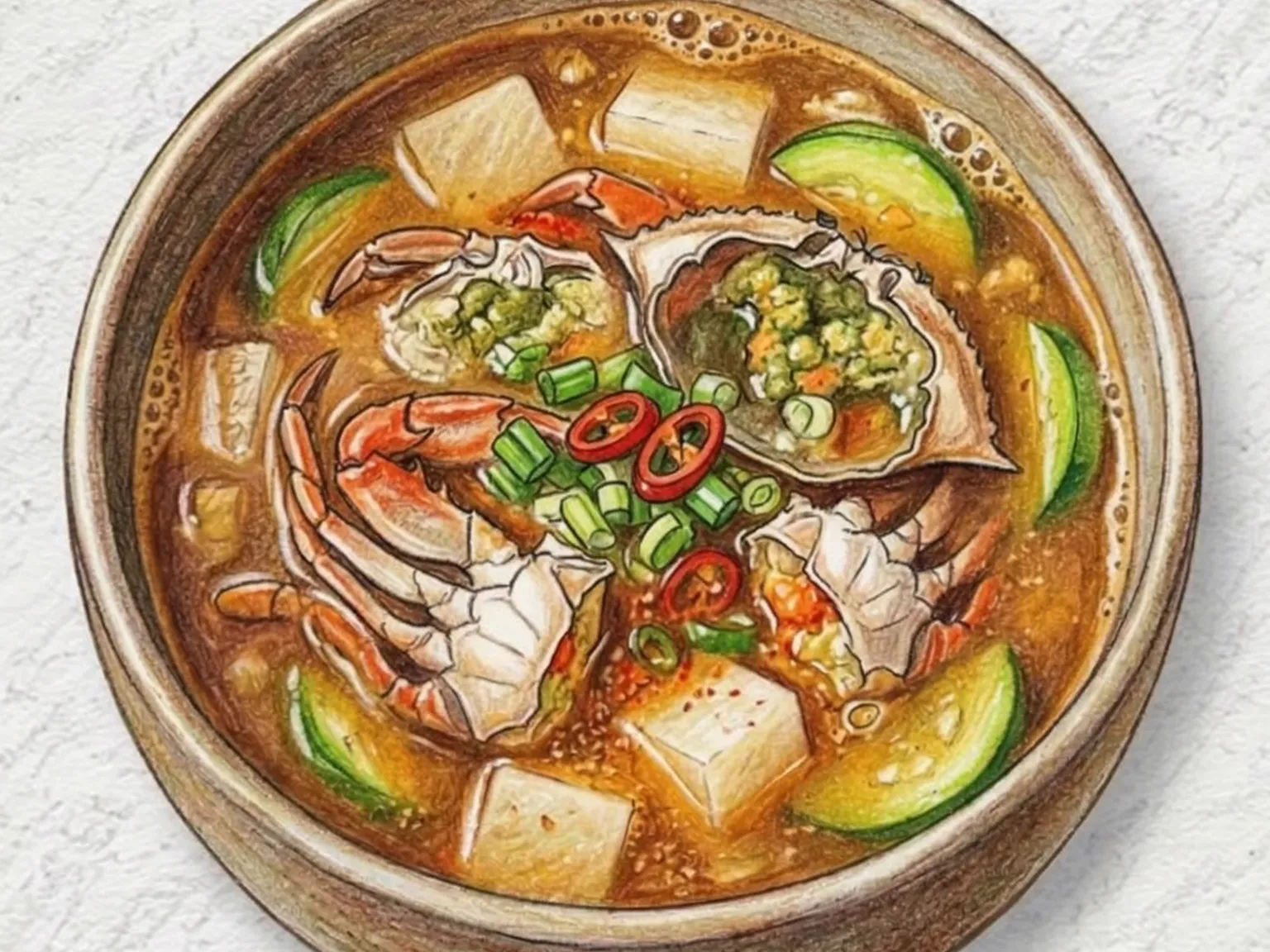
Freshwater crabs are split, scrubbed, and simmered in a radish-and-doenjang stock that draws out their intense, briny umami over forty minutes of cooking. Gochugaru and cheongyang chili build a fiery layer of heat, while zucchini and radish add natural sweetness that tempers the spice. Dissolving the soybean paste through a strainer keeps the broth smooth, and the result is a bold, aromatic stew rooted in Korean regional cooking traditions.
Adjust Servings
Instructions
- 1
Scrub freshwater crabs well, remove the apron, and split them in half.
- 2
Slice radish thickly, cut zucchini into half-moons, and diagonal-slice green onion and chili.
- 3
Boil water, radish, and soybean paste for 12 minutes to build the base.
- 4
Add crabs and simmer 10 minutes, skimming foam for a clean broth.
- 5
Add chili flakes, garlic, and soup soy sauce, then simmer 8 more minutes.
- 6
Add zucchini, green onion, and chili, boil 5 minutes, then adjust seasoning.
As an Amazon Associate, we may earn from qualifying purchases.
Tips
Nutrition (per serving)
More Recipes

Korean Spicy Blue Crab Soup
Ggotge-tang is a spicy Korean crab soup built around whole blue crabs that infuse the broth with an intense, briny seafood essence. The shells crack open during simmering and release a concentrated marine flavor that forms the foundation of the entire pot. Doenjang dissolved into the broth adds fermented depth, while gochugaru brings a persistent warmth that builds gradually with each spoonful. Radish chunks sweeten the liquid and balance the heat, and zucchini and green onion fill the bowl with color and texture. The real treat comes at the end of the meal, when leftover rice is spooned into the crab's top shell and mixed with the residual roe and juices - a practice that Korean diners consider the best part. Blue crab season peaks in spring and autumn, and this soup is the most popular way to celebrate the catch when the crabs are plump and full of meat.

Korean Doenjang Kkotge Tang
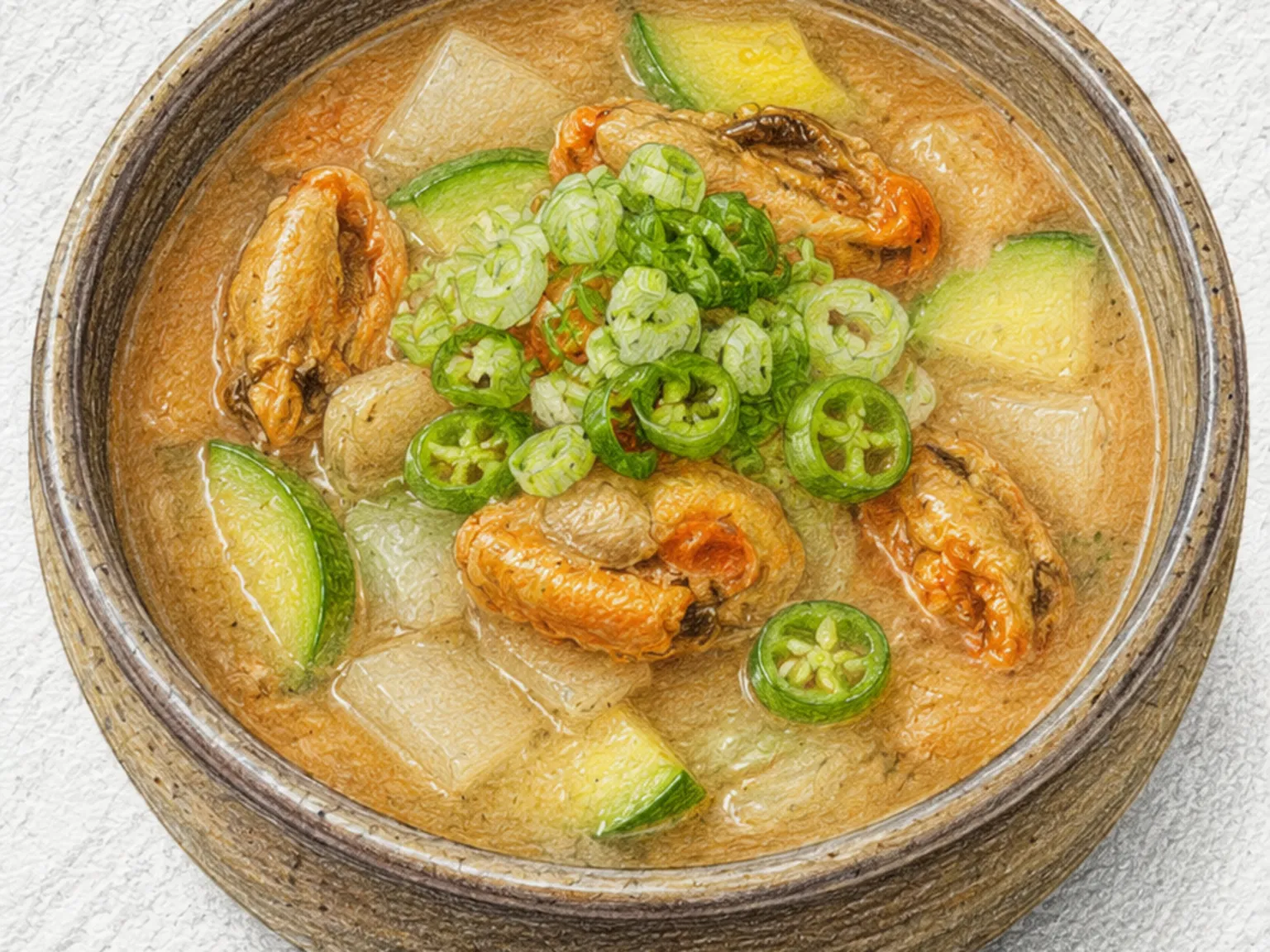
Kkotge tang doenjang simmers a full 800g of blue crab in a doenjang-forward broth, yielding a stew where fermented soybean paste and crab essence are the dominant flavors. Radish, zucchini, and onion cook down in the crab-enriched liquid, adding sweetness and body. Unlike the more common spicy crab stews, this version leads with doenjang's earthy depth, backed by a moderate heat from gochugaru and Cheongyang chili. The result is a rich, umami-heavy soup best enjoyed with rice to soak up every drop.

Korean Spring Blue Crab Stew
Kkotgetang is a classic Korean spicy crab stew made with 600g of whole blue crab simmered until the shells release their full flavor into the broth. Gochugaru and a touch of doenjang season the liquid with heat and fermented depth, while radish and zucchini turn sweet as they absorb the crab-infused stock. Two Cheongyang chilies push the spice level higher, and green onion adds a fresh finish. Picking the crab meat from the shell while sipping the hot, briny broth is half the enjoyment.

Korean Monkfish Soup (Spicy Southern Coastal Fish Broth)
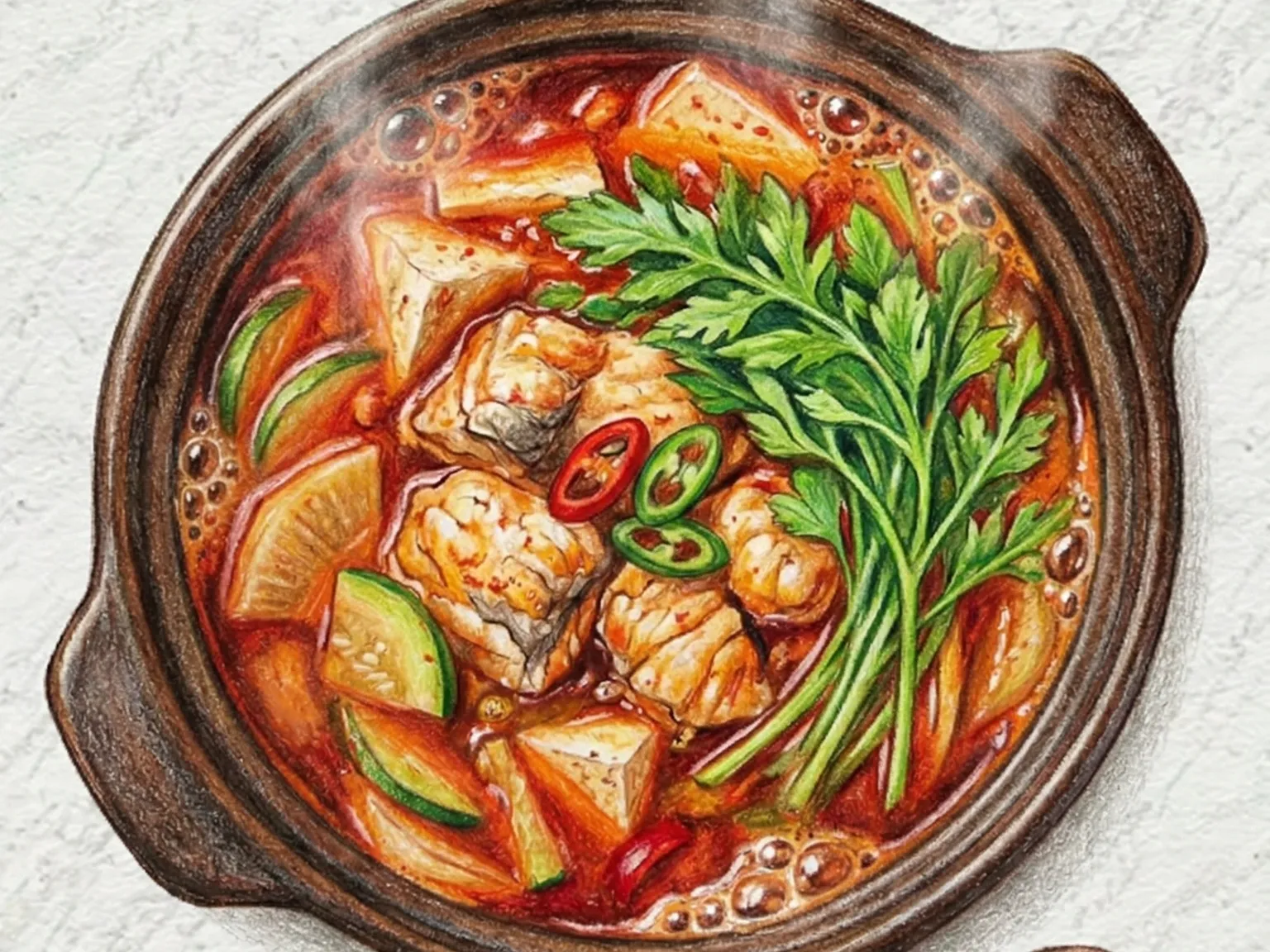
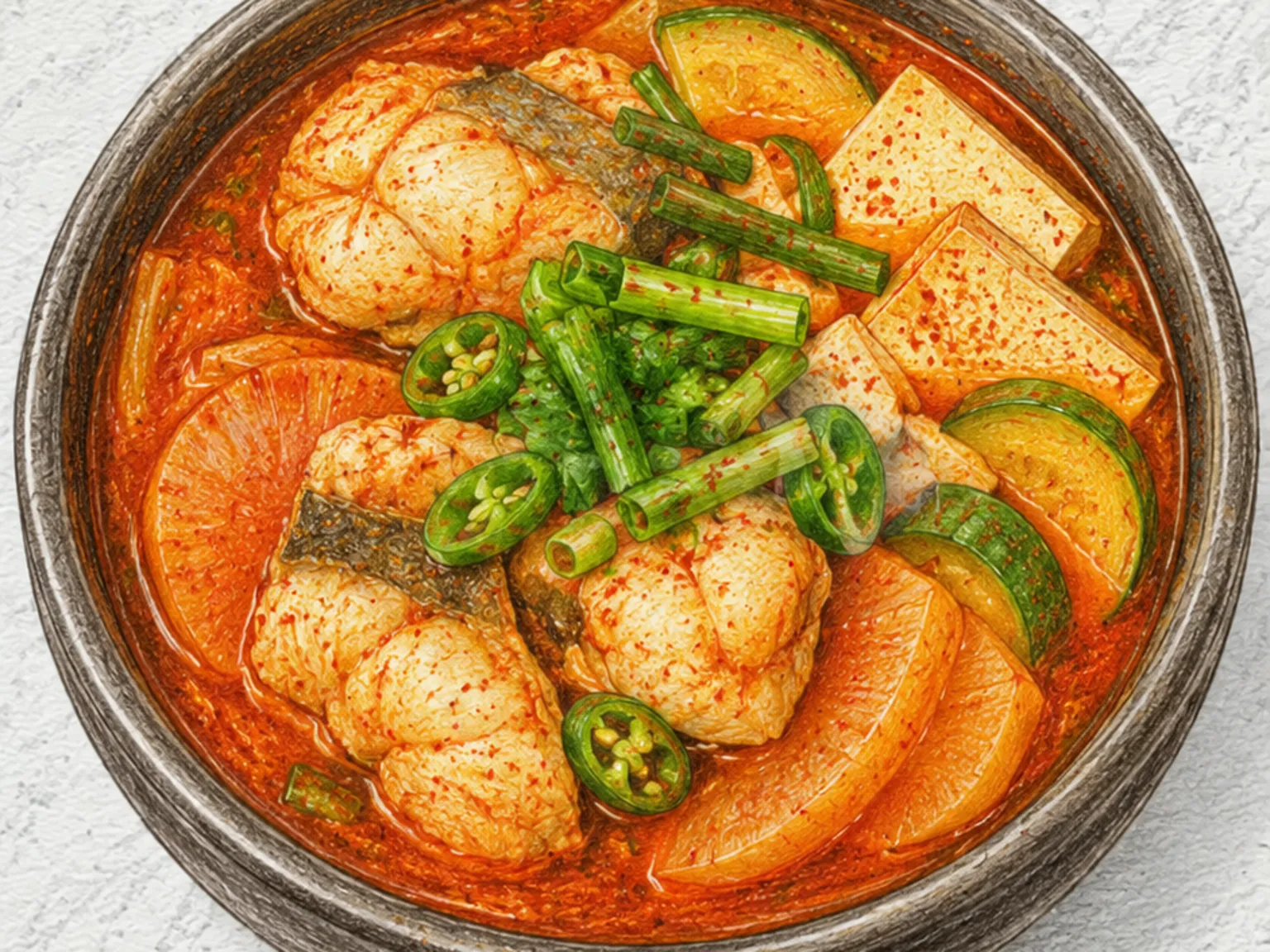
Agwi-tang is the soup version of Korea's monkfish preparations, originating from the fishing villages along the southern coast where monkfish - called agwi or agu depending on dialect - is landed fresh. Unlike braised or stir-fried monkfish dishes, the tang form prioritizes a clear, brothy base built on anchovy stock. Radish simmers first for eight minutes, sweetening the liquid before the monkfish enters. The fish cooks gently at medium heat, its collagen dissolving into the broth and giving it body. Bean sprouts go in last, contributing a clean crunch that contrasts the soft fish flesh. A final addition of sliced green onion and a punch of gochugaru turns the broth a hazy red. This is hangover food in Korea's coastal towns - hot, spicy, and restorative, traditionally served steaming at dawn markets.

Korean Seafood Hot Pot Soup
Haemul-tang is a Korean seafood hot pot that throws together crab, shrimp, clams, and squid in a fiery, brick-red broth. The liquid starts with gochugaru and plenty of garlic, building a spicy base that the seafood then amplifies with its own briny juices. Radish chunks soften as the pot bubbles, thickening the broth slightly and adding a cool sweetness behind the heat. Green onions and cheongyang peppers go in toward the end for a sharp, vegetal bite. The magic of haemul-tang lies in the convergence of flavors: crab shells release a sweet, crustacean stock; clams open to spill their liquor; shrimp and squid contribute distinct textures from snappy to chewy. The pot is brought to the table still at a rolling boil, and diners pick through the shells and tentacles while the broth continues to concentrate.

Korean Pacific Codlet Soup
Mulmegi-tang is a winter-only Korean fish soup made with the Pacific sailfin sandfish, a gelatinous deep-water species harvested along the East Sea coast from December through February. The fish has extraordinarily soft flesh that almost dissolves into the broth during cooking, releasing natural gelatin that gives the liquid a silky, slightly sticky body unlike any other Korean soup. Bean sprouts go in for crunch and a clean vegetal note, while water dropwort neutralizes any fishiness and adds its signature herbal fragrance. The soup is traditionally prepared without any fermented pastes - just salt, garlic, and green onion - so that the pure, mild flavor of the fish remains the centerpiece. Locals in Gangwon-do and the northern Gyeongsang coast consider this the finest hangover remedy of the cold months, served steaming in earthenware pots at seaside restaurants. The broth cools into a jelly-like consistency if left at room temperature, which is a testament to how much collagen the fish contributes. Mulmegi-tang is one of those seasonal dishes that Koreans travel to the coast specifically to eat, and its short availability window makes it all the more anticipated each year.