Charim

2686 Korean & World Recipes

2686+ Korean recipes, clean and organized. Ingredients to instructions, all at a glance.

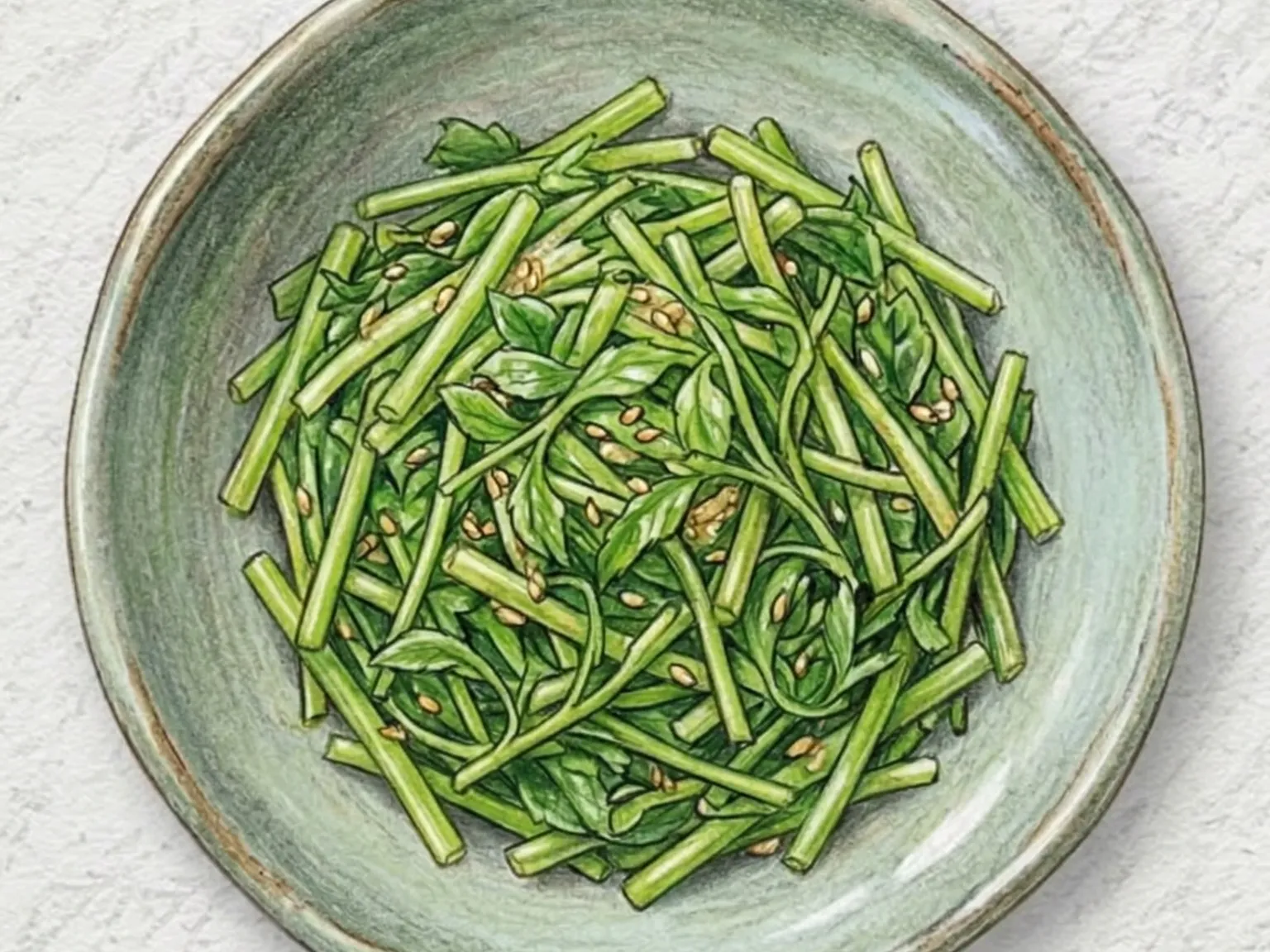
Korean Seasoned Chamnamul Greens

Korean Seasoned Chamnamul Greens

Chamnamul - Korean pimpinella - grows wild in central Korea's mountain valleys and has been foraged since the Goryeo period. Its leaves carry a celery-like fragrance with a faint peppery finish. Blanched under a minute to preserve crispness, the greens are cut to 5 cm lengths and tossed with soy sauce, sesame oil, and garlic. Stems stay slightly firm while thinner leaves wilt just enough to absorb the dressing. A spring-only banchan, sometimes served raw when leaves are very young.

Prep 10minCook 3min4 servings

Adjust Servings

2servings
servings

Instructions

  1. 1

    Trim the bases of chamnamul and wash thoroughly.

  2. 2

    Blanch in boiling salted water for 30 seconds to 1 minute.

  3. 3

    Rinse in cold water, squeeze dry, and cut into 5 cm lengths.

  4. 4

    Toss with soy sauce, sesame oil, and minced garlic in a bowl.

  5. 5

    Sprinkle sesame seeds and serve.

🛒Shop Ingredients on Amazon

As an Amazon Associate, we may earn from qualifying purchases.

Tips

Do not blanch longer than 1 minute as the tender leaves will become mushy.
Chamnamul can also be eaten raw as a lettuce wrap green.

Nutrition (per serving)

Calories
45
kcal
Protein
2
g
Carbs
4
g
Fat
3
g

More Recipes

Korean Seasoned Wild Chive
Side dishesEasy

Korean Seasoned Wild Chive

A pungent, no-cook spring side dish - raw Korean wild chives with a sharp garlic kick that clears the palate in one bite. Dallae emerges from hillsides in March, thinner and far more intense than cultivated chives. Dressed in soy sauce, gochugaru, vinegar, sugar, and sesame oil, the tiny bulbs and slender leaves deliver a nose-clearing zing. Koreans pair this muchim with doenjang-jjigae, where the raw chive's sharpness contrasts the stew's depth.

🏠 Everyday🍱 Lunchbox
Prep 10min4 servings
Korean Seasoned Bitter Lettuce
Side dishesMedium

Korean Seasoned Bitter Lettuce

Wild sseumbagui, a bitter green foraged in Korean spring fields, is dressed in a gochujang vinaigrette that transforms its sharp bitterness into a layered, complex side dish. The intrinsic bitterness of the leaves works as a palate cleanser, and the gochujang's heat and vinegar's acidity wrap around it to build depth rather than mask it. Sugar smooths the rough edges of the combined flavors, while a drizzle of sesame oil closes each bite with a warm, nutty finish. Soaking the greens in salt water draws out enough bitterness to make them approachable without erasing the vegetal character that defines this namul. Over-soaking strips the personality entirely, leaving a flat, unremarkable green. Garlic folded into the dressing adds a pungent undercurrent, and a gentle tossing motion keeps the fragile leaves intact. The flavor progresses from bitter opening to spicy-sour middle to a sesame-scented close, a sequence that captures the taste of Korean spring.

🏠 Everyday
Prep 30min4 servings
Korean Chamnamul Jangajji (Pimpinella Pickles)
KimchiEasy

Korean Chamnamul Jangajji (Pimpinella Pickles)

A fragrant Korean spring pickle that captures chamnamul's unique herbal aroma in a gentle soy-and-apple-vinegar brine - ready to eat in just one day. The greens are loosely packed in a jar and covered with warm (not boiling) brine to preserve the volatile aromatics. Apple vinegar produces a rounder, softer acidity than standard rice vinegar, complementing the grassy sweetness of chamnamul. A squeeze of lemon juice brightens the finish. Best consumed within five days for peak fragrance.

🍱 Lunchbox
Prep 15minCook 8min2 servings
Korean Seasoned Coastal Hogfennel Greens
Side dishesEasy

Korean Seasoned Coastal Hogfennel Greens

Coastal hogfennel - bangpung - is a wild herb from Korea's seaside cliffs, prized for its pungent, celery-like aroma. Blanched one minute in salted water to tame bitterness while preserving herbal fragrance, the greens are dressed simply with doenjang, garlic, and sesame oil. Minimal seasoning lets the herb's character lead. A seasonal specialty from spring markets in coastal regions like Gangwon-do and Jeju.

🏠 Everyday🍱 Lunchbox
Prep 12minCook 3min4 servings
Korean Chwinamul with Perilla Powder
Side dishesMedium

Korean Chwinamul with Perilla Powder

Where the doenjang version leans on fermented funk, this preparation wraps chwinamul in perilla's nutty, seed-forward coating. After blanching and first seasoning with soup soy sauce, garlic, and green onion, the greens are sauteed briefly in perilla oil. Water is added for a light braise. Stirring in perilla powder off the heat transforms the liquid into a thick, pale paste coating every strand. Adding the powder after lowering heat prevents grittiness and releases the seed's full fragrance.

🏠 Everyday🍱 Lunchbox
Prep 18minCook 7min4 servings
Korean Chamnamul Kimchi (Pimpinella Kimchi)
KimchiMedium

Korean Chamnamul Kimchi (Pimpinella Kimchi)

Chamnamul kimchi is a spring kimchi made by salting chamnamul greens for just ten minutes to wilt them slightly, then dressing them in gochugaru, anchovy fish sauce, and salted shrimp without rinsing. Skipping the rinse allows the residual salt to convert into umami during fermentation, deepening the overall flavor. Pureed Korean pear and onion blended with sweet rice paste form the seasoning base, contributing natural sweetness that softens the chili heat. After three hours of initial fermentation at room temperature followed by refrigeration, the kimchi reaches its best balance within one to two days, when the grassy herbal aroma of chamnamul meets the fermented depth of the fish sauce.

🍱 Lunchbox
Prep 30minCook 5min4 servings
More Side dishes