Charim

2686 Korean & World Recipes

2686+ Korean recipes, clean and organized. Ingredients to instructions, all at a glance.

Korean Beef and Pimpinella Stir-fry

Korean Beef and Pimpinella Stir-fry

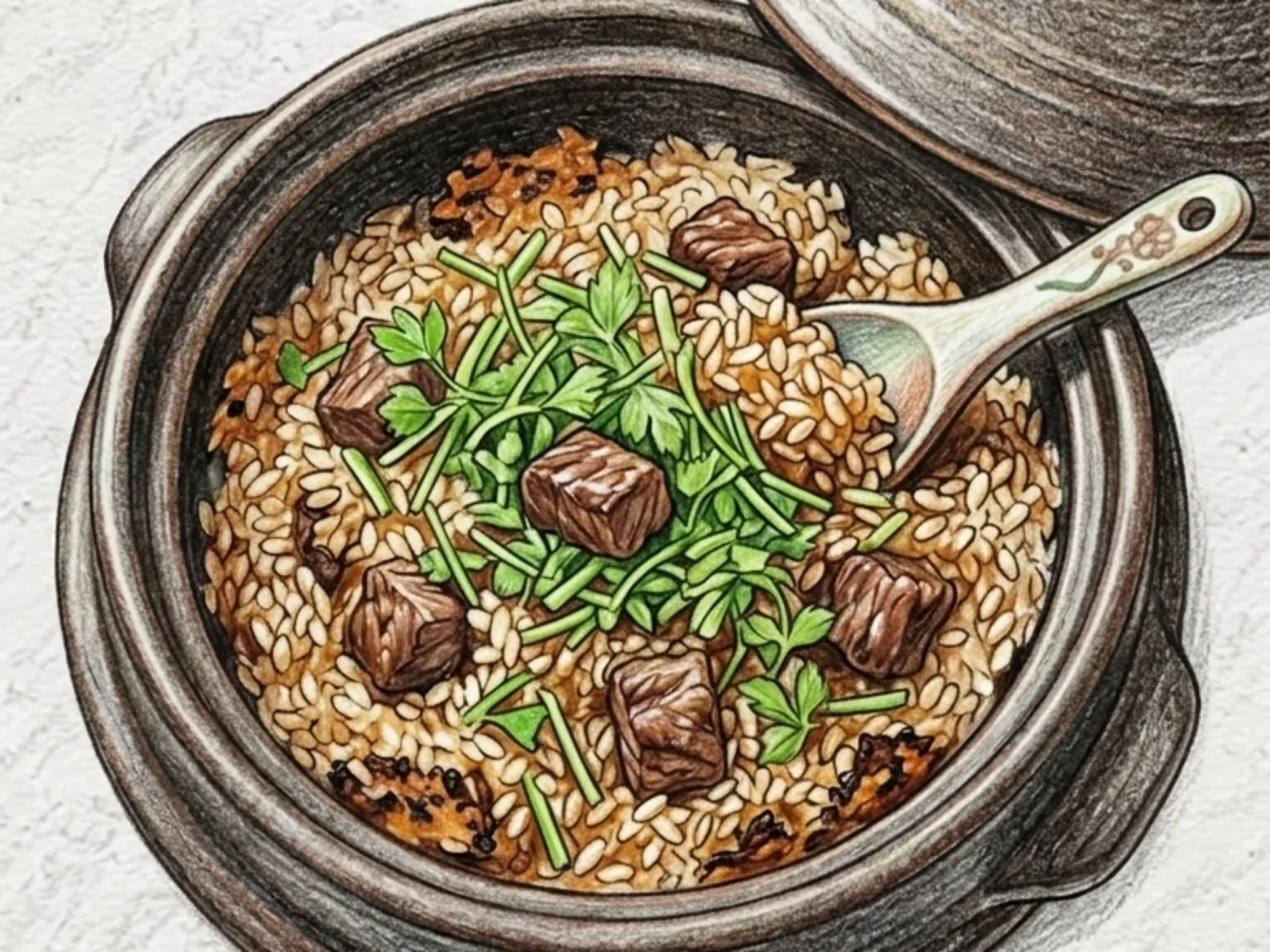
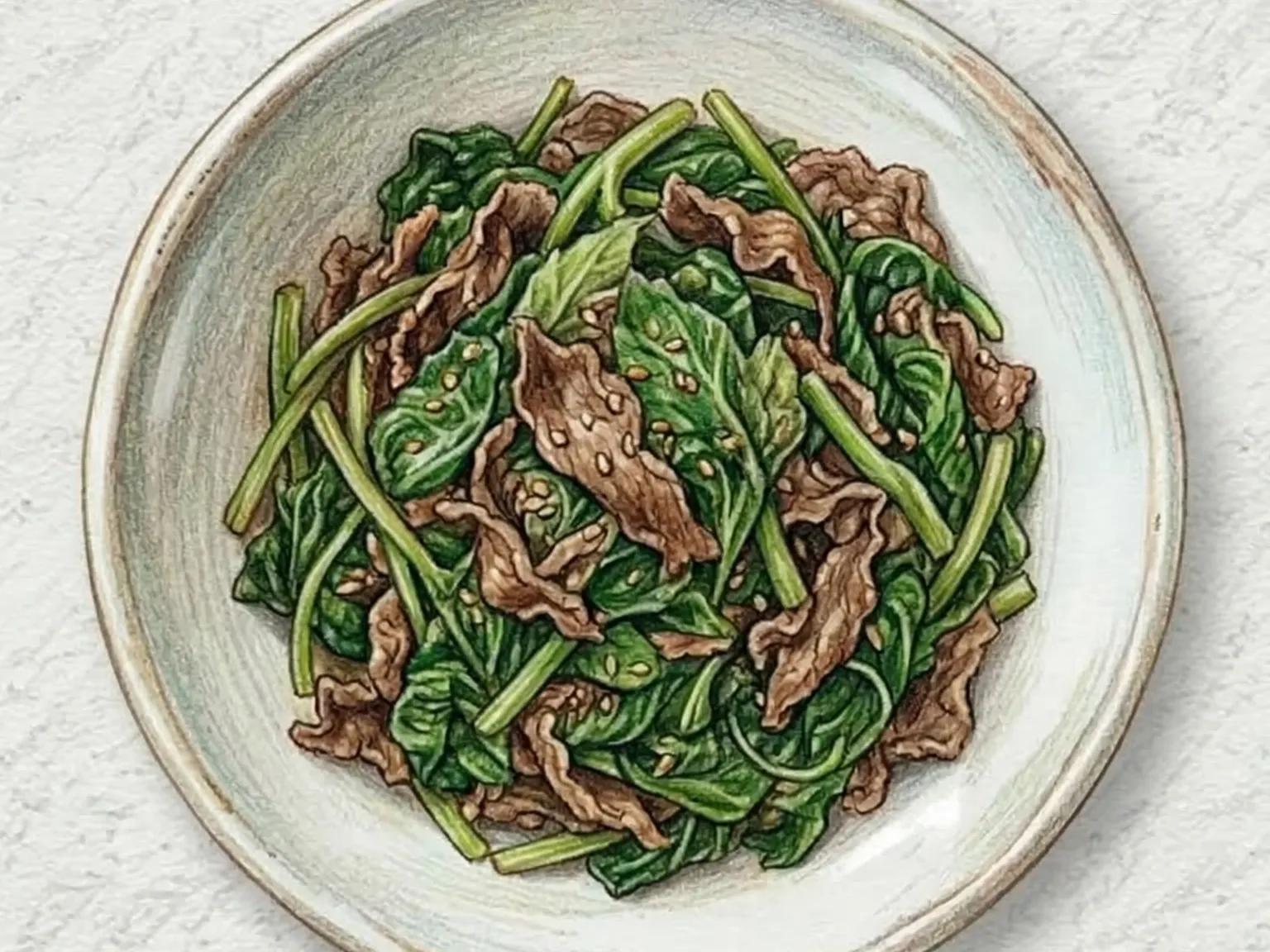
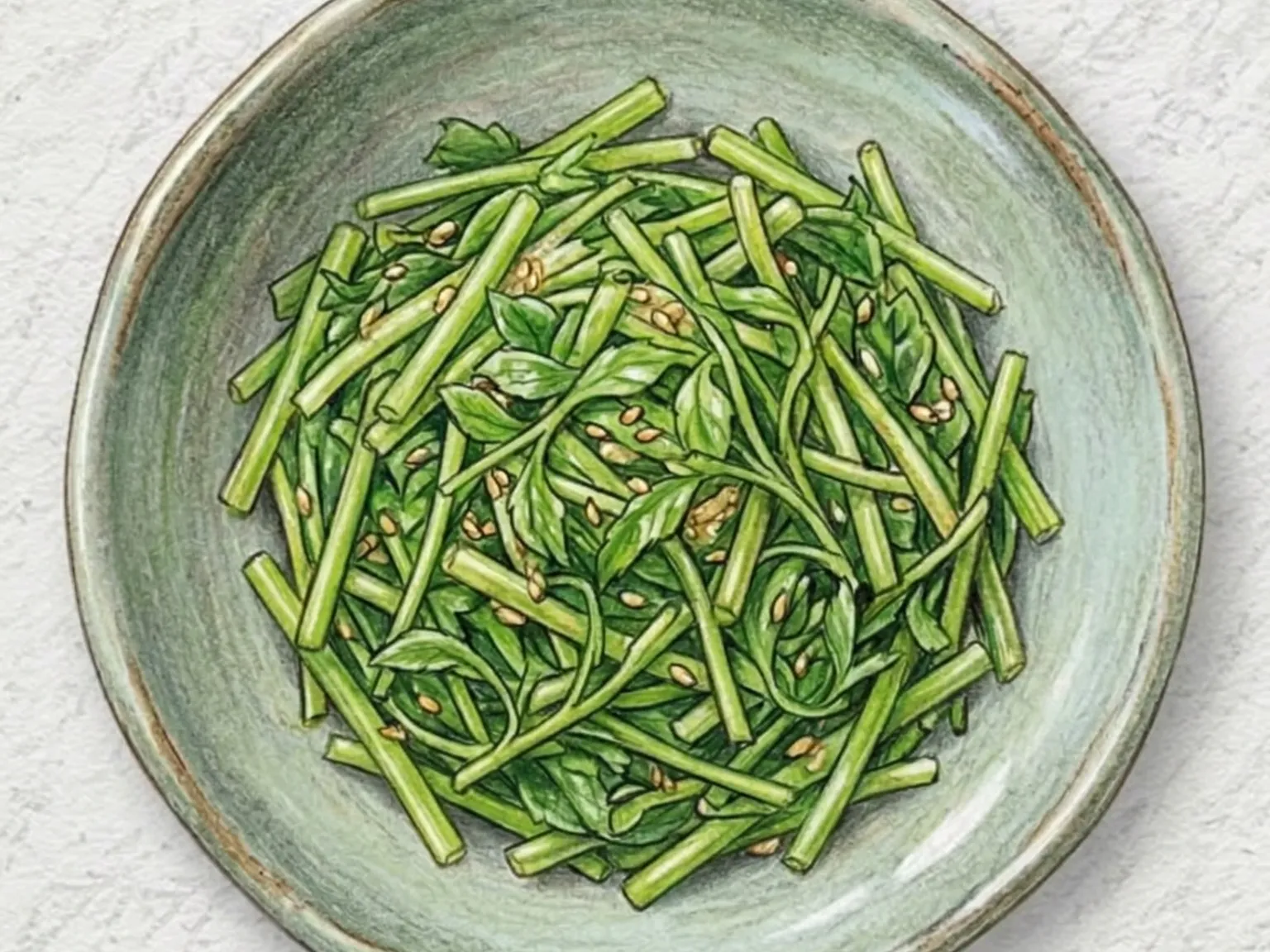
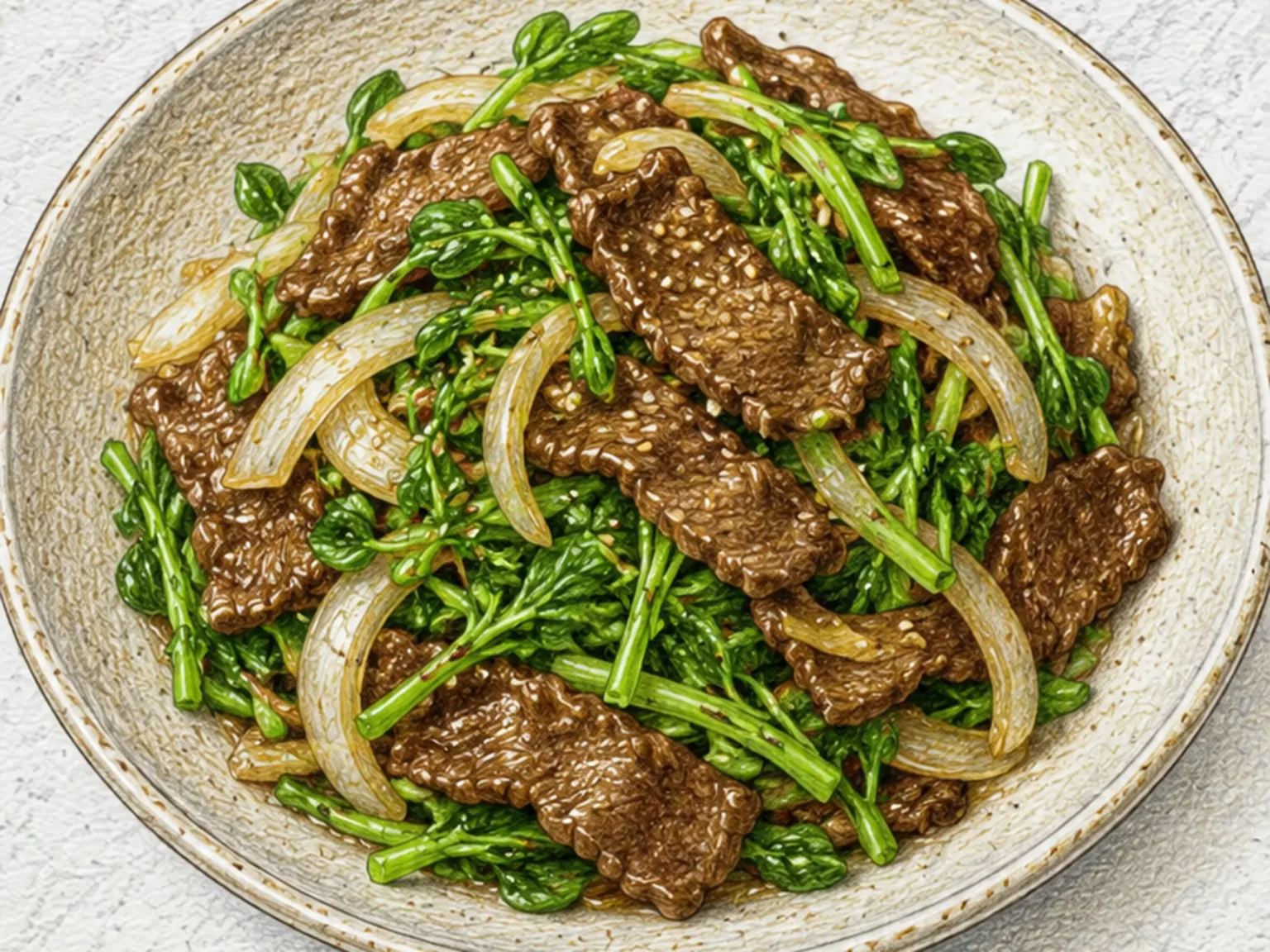
Beef sliced thin for bulgogi is marinated in soy sauce, cooking wine, minced garlic, and black pepper for ten minutes, then spread in a single layer across a hot pan so every piece browns without steaming. Crowding the pan drops the temperature and causes the meat to stew in its own liquid rather than sear. Sliced onion goes in next for two minutes to coax out its sweetness, followed by chamnamul, a Korean wild green with a distinctive herbal fragrance that sits somewhere between celery leaf and parsley. The chamnamul needs only forty seconds in the pan; any longer and the stems lose their snap while the leaves go limp and the aroma dissipates. Sesame oil stirred in after the heat is off wraps every piece in a smooth richness, and whole sesame seeds burst with a small pop of nutty oil when bitten. At 365 calories and 30 grams of protein, this is a nutrient-dense plate where the bright, almost grassy scent of the spring greens keeps the beefy weight from feeling heavy.

Prep 15min Cook 10min 2 servings

Adjust Servings

2servings
servings

Instructions

  1. 1

    Marinate the beef with soy sauce, cooking wine, minced garlic, and pepper for 10 minutes.

  2. 2

    Cut chamnamul into 5 cm lengths and slice the onion thinly.

  3. 3

    Stir-fry the beef over medium-high heat until the surface is cooked.

  4. 4

    Add onion and stir-fry for 2 minutes to bring out sweetness.

  5. 5

    Reduce to medium heat, add chamnamul, and stir-fry quickly for 40 seconds.

  6. 6

    Turn off heat and finish with sesame oil and sesame seeds.

🛒Shop Ingredients on Amazon

As an Amazon Associate, we may earn from qualifying purchases.

Tips

Add chamnamul at the end to preserve its aroma.
Spread beef out in the pan to avoid excess moisture.

Nutrition (per serving)

Calories
365
kcal
Protein
30
g
Carbs
9
g
Fat
22
g

More Recipes

Korean Bellflower Root & Beef Stir-fry
Stir-fryMedium

Korean Bellflower Root & Beef Stir-fry

Deodeok-sogogi-gochujang-bokkeum is a Korean stir-fry of pounded bellflower root and thinly sliced beef in a bold gochujang sauce. Pounding the root splits its fibers, allowing the spicy-sweet paste to penetrate deeply and giving each piece a crisp yet chewy texture. The beef adds a layer of meaty richness that melds with the fermented chili paste. It is a robust, highly flavorful dish that pairs exceptionally well with plain steamed rice.

🏠 Everyday🌙 Late Night
Prep 20minCook 12min2 servings
Korean Mushroom and Saury Soy Stir-fry
Stir-fryMedium

Korean Mushroom and Saury Soy Stir-fry

Drained canned saury is gently folded into a stir-fry of oyster mushrooms and cabbage seasoned with soy sauce, chili flakes, and a touch of sugar. Because the canned fish is already cooked through and its bones are softened, it needs only brief contact with the pan; adding it last and stirring gently preserves the chunks intact. Moisture released by the mushrooms mixes with the seasonings to form a natural sauce, and the cabbage contributes a gentle sweetness that tempers the concentrated fish umami. A squeeze of lemon juice at the very end lifts the dish, neutralizing any lingering fishiness and brightening the overall flavor. The entire cook comes together in under fifteen minutes, making it a practical weeknight side that delivers substantial protein from a single can of pantry staple.

🏠 Everyday🍱 Lunchbox
Prep 13minCook 12min2 servings
Korean Aster Greens Beef Stir-fry
Stir-fryMedium

Korean Aster Greens Beef Stir-fry

This stir-fry pairs fragrant chwi-namul greens with thinly sliced bulgogi-cut beef, merging the wild greens' herbal bitterness with the meat's umami. The beef is pre-seasoned with soy sauce and cooking wine, and as it cooks the seasoning naturally transfers into the greens. Onion softens during cooking and adds sweetness that tempers the overall saltiness. A finishing drizzle of perilla oil brings a nutty aroma, and whole sesame seeds provide small bursts of texture. It works as a hearty side that adds protein to an otherwise vegetable-focused table.

🏠 Everyday🍱 Lunchbox
Prep 18minCook 12min4 servings
Korean Pork and Asparagus Stir-fry
Stir-fryEasy

Korean Pork and Asparagus Stir-fry

A Korean weeknight stir-fry that pairs pork shoulder or belly with asparagus and red bell pepper in a soy-garlic sauce. The pork is sliced thin and marinated in soy sauce, minced garlic, and a pinch of sugar to coax out caramelization on the hot pan. Cooking the meat first over high heat renders out its fat, which becomes the medium for stir-frying the vegetables. Asparagus goes in next for barely a minute - just enough to turn its raw starchiness into a clean, grassy snap. Bell pepper adds pops of natural sweetness and color contrast. The sauce is restrained: soy, a touch of oyster sauce, and sesame oil, keeping the focus on the interplay between the pork's umami depth and the vegetables' brightness. The entire cook from cold pan to finished plate takes under twelve minutes, making it one of the fastest protein-and-vegetable banchan in the Korean home repertoire.

🏠 Everyday🍱 Lunchbox
Prep 12minCook 10min2 servings
Korean Aralia Shoot Soy Pickle
KimchiEasy

Korean Aralia Shoot Soy Pickle

Durup jangajji is a Korean soy pickle that preserves spring aralia shoots beyond their brief season by curing them in a brine of soy sauce, vinegar, and sugar. Pickling the shoots raw rather than blanching them maintains their crisp stem texture and sharp, bittersweet fragrance for longer. Soy sauce brings umami that complements the woody, wild-herb character of the aralia, while garlic and cheongyang chili add a lingering heat at the finish. Refrigerated, this jangajji keeps for over two weeks, making it a practical way to enjoy the distinctive aroma of spring mountain greens well into the warmer months.

🍱 Lunchbox
Prep 20minCook 15min4 servings
Korean Stir-Fried Bamboo Shoots
Side dishesEasy

Korean Stir-Fried Bamboo Shoots

Juksun-bokkeum is a soy-seasoned stir-fry of bamboo shoots - a banchan closely tied to spring, when fresh juksun appears briefly in Korean markets from April through May, primarily from Damyang in Jeollanam-do. Fresh shoots must be boiled in rice-rinsing water for at least thirty minutes to neutralize their oxalic acid bitterness; canned shoots need a thorough rinse to remove the tinny taste. Julienned shoots are stir-fried with carrot and onion over high heat for a short burst - prolonged cooking draws out moisture and turns them rubbery. The seasoning is restrained: soy sauce, a pinch of sugar, garlic, and a finish of sesame oil, producing a subtly sweet, nutty dish. Bamboo shoots are rich in dietary fiber and low in calories, which gives this banchan high satiety per bite.

🏠 Everyday🍱 Lunchbox
Prep 12minCook 8min4 servings
More Stir-fry →