Charim

2686 Korean & World Recipes

2686+ Korean recipes, clean and organized. Ingredients to instructions, all at a glance.

Chashu Pork (Japanese Rolled Braised Pork Belly for Ramen)
Asian Medium

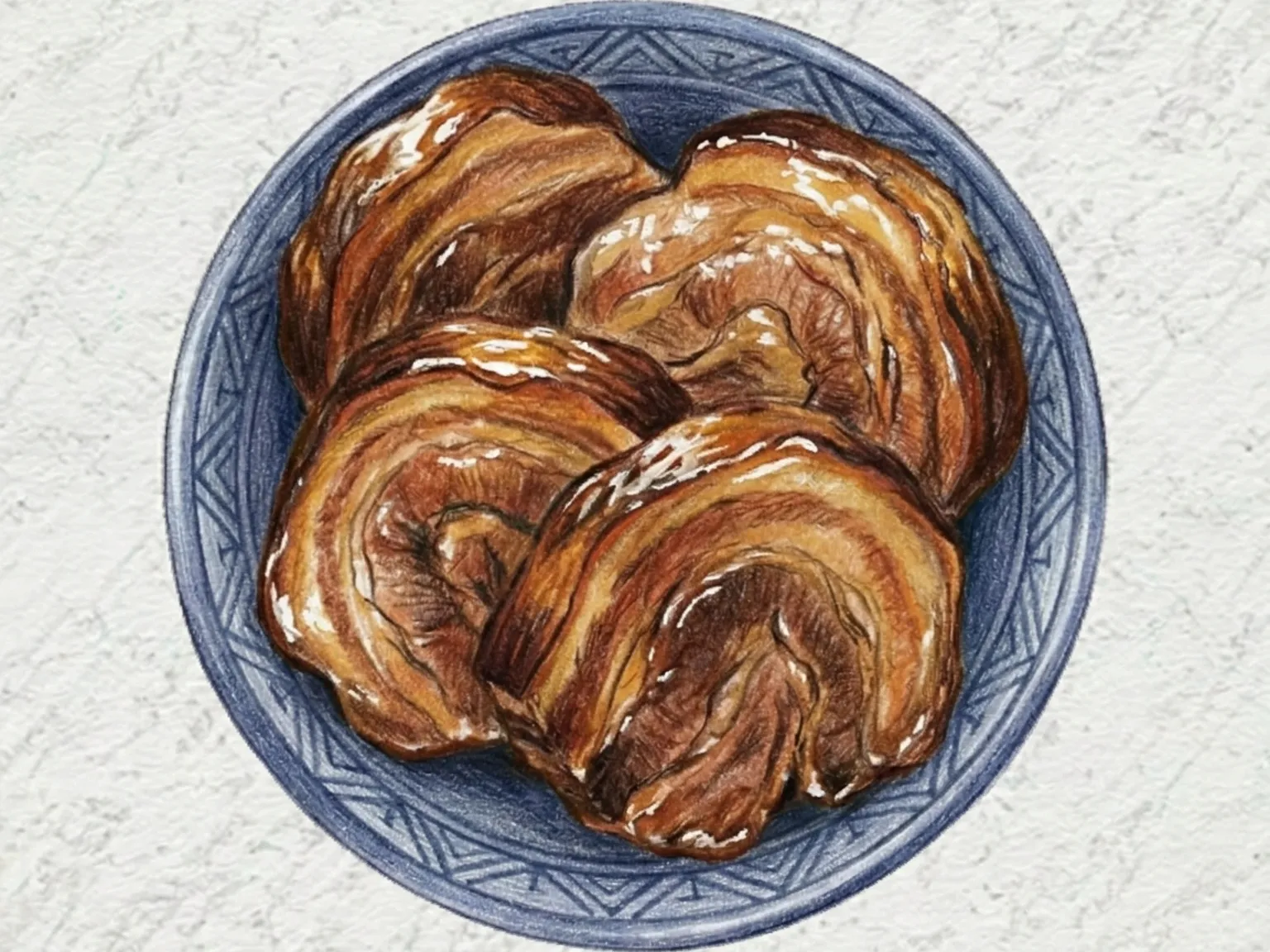
Chashu Pork (Japanese Rolled Braised Pork Belly for Ramen)

Chashu pork traces its roots to Cantonese char siu but evolved into a distinctly Japanese preparation - a rolled and braised pork belly rather than a roasted cut. A slab of pork belly is rolled into a tight cylinder, tied with kitchen twine, then simmered in soy sauce, mirin, sake, and sugar for one to two hours until the connective tissue dissolves into gelatin and the meat yields at the slightest pressure. The braising liquid reduces into a dark, syrupy glaze that coats the exterior in a deep amber sheen. When sliced, the cross-section reveals a spiral pattern of alternating fat and lean layers - a visual signature that signals proper rolling technique. Though most associated with ramen, where one or two slices crown the bowl, chashu is also served over rice as chashu-don or eaten cold as a drinking snack. The leftover braising liquid is never discarded - it becomes the base for ajitamago, the marinated soft-boiled egg that is chashu's inseparable companion.

Prep 10min Cook 90min 4 servings

Adjust Servings

2servings
servings

Instructions

  1. 1

    Roll the pork belly tightly and tie with kitchen twine.

  2. 2

    Sear all sides in oil until well browned.

  3. 3

    Add soy sauce, mirin, sake, sugar, and water; cover and braise over low heat for 1 hour.

  4. 4

    Let cool before slicing.

🛒Shop Ingredients on Amazon

As an Amazon Associate, we may earn from qualifying purchases.

Tips

Chill the pork before slicing for clean, even cuts.

Nutrition (per serving)

Calories
420
kcal
Protein
28
g
Carbs
12
g
Fat
30
g

More Recipes

Curry Udon
AsianEasy

Curry Udon

Kare udon is a Japanese curry noodle dish that takes the familiar Japanese curry and transforms it with dashi stock, creating a flavor profile distinct from curry rice. Thinly sliced pork and onion are stir-fried, then dashi stock is added and brought to a boil before curry roux blocks are dissolved into the liquid. The combination of dashi, with its katsuobushi and kombu depth, and the warm spice of the curry roux produces a broth more complex than either element alone. The thick sauce clings to the fat, chewy udon strands so that every bite carries the full flavor of the broth. Stirring on low heat after the roux dissolves prevents the starchy sauce from burning on the pot bottom. Despite using the same curry roux as kare raisu, the addition of dashi and the substitution of noodles for rice makes this a distinctly different eating experience.

🏠 Everyday🌙 Late Night
Prep 10minCook 20min2 servings
Miso Soup
AsianEasy

Miso Soup

Miso shiru is the soup that appears at nearly every Japanese meal, from a simple breakfast to an elaborate multi-course dinner. Its foundation is dashi - a stock made from kombu seaweed and bonito flakes - into which miso paste is dissolved just before serving so the living cultures in the paste are preserved. Cubed silken tofu and rehydrated wakame seaweed are the most common additions, finished with a scattering of sliced scallions. The soup is deliberately understated, its role being to complement rather than compete with the dishes around it. White miso yields a mild, slightly sweet version, while red miso produces a saltier, more assertive bowl. Every household and region has its own preferred combination of miso type and ingredients.

Quick
Prep 5minCook 10min2 servings
Classic Tonkotsu Ramen (Pork Bone Milky Broth Noodles)
AsianHard

Classic Tonkotsu Ramen (Pork Bone Milky Broth Noodles)

Tonkotsu ramen is the iconic pork bone noodle soup from Kyushu, Japan, most closely associated with the city of Hakata. Pork back bones and trotters are boiled vigorously for eight hours or more, a sustained rolling boil that breaks down collagen and fat into a milky, opaque emulsion. The resulting broth has a rich, almost gelatinous body that coats the lips with each sip. Thin, firm noodles specific to the Hakata style hold up against this heavy broth, absorbing just enough flavor while maintaining a springy chew. Chashu pork belly, braised separately in soy sauce and mirin, drapes across the top alongside a marinated soft-boiled egg with a jammy yolk.

🎉 Special Occasion
Prep 30minCook 480min2 servings
Japanese Braised Pork Belly
SteamedHard

Japanese Braised Pork Belly

Kakuni is a Japanese braised pork belly dish where thick-cut slabs are simmered for hours in soy sauce, mirin, sake, and ginger until the fat renders completely and the meat yields to the lightest pressure of chopsticks. The mirin builds a gentle sweetness that rounds out the soy sauce's salinity, while ginger keeps the pork tasting clean throughout the long braise. The reduced cooking liquid glazes each piece in a dark, glossy coat that concentrates the flavor on the surface. Served over steamed rice or with a dab of hot mustard, the contrast between the rich pork and the sharp condiment defines this dish.

🎉 Special Occasion
Prep 20minCook 120min4 servings
Japanese Braised Pork Belly
Stir-fryHard

Japanese Braised Pork Belly

Thick cubes of pork belly are blanched for five minutes to purge impurities, then simmered for fifty minutes in water with ginger and green onion until the fat layers turn translucent and yielding. The parboiled meat is transferred to a fresh pot with soy sauce, mirin, and sugar, where it braises over medium-low heat for another thirty minutes as the liquid reduces by half and lacquers each piece in a dark, glossy coat. Mirin carries away any residual off-odors along with its alcohol while depositing a gentle sweetness into the pork, and ginger neutralizes the musky quality that belly fat can develop during long cooking. Boiled eggs added to the braising liquid absorb the soy-mirin mixture through their whites, turning amber and picking up flavor all the way to the yolk. Cooling the finished dish and reheating it once transforms the texture further: collagen that dissolved during cooking sets into a gel while cold, then melts again upon warming, thickening the sauce into something close to a demi-glace. Skimming the solidified fat from the chilled surface removes excess grease without dulling the flavor.

🏠 Everyday🎉 Special Occasion
Prep 20minCook 90min4 servings
California Roll
AsianMedium

California Roll

The California roll was created in the early 1970s, most likely by Japanese chefs working in Vancouver or Los Angeles who needed to make sushi appealing to North American diners unfamiliar with raw fish. The inside-out construction - rice on the outside, nori hidden within - was a deliberate inversion designed to disguise the dark seaweed that Western eaters initially found off-putting. Imitation crab (surimi), ripe avocado, and cucumber form the filling, providing a mild, creamy, and crunchy combination that requires no acquired taste. The rice is seasoned with vinegar, sugar, and salt, then rolled carefully so the grains hold together without being compacted. Tobiko or sesame seeds pressed into the outer rice layer add visual appeal and a subtle pop or nuttiness. Though dismissed by sushi purists, the California roll served as a gateway that introduced millions of Westerners to Japanese food and paved the way for the global sushi industry. It remains the single most ordered sushi roll in North America.

🎉 Special Occasion🍱 Lunchbox
Prep 30min2 servings
More Asian →