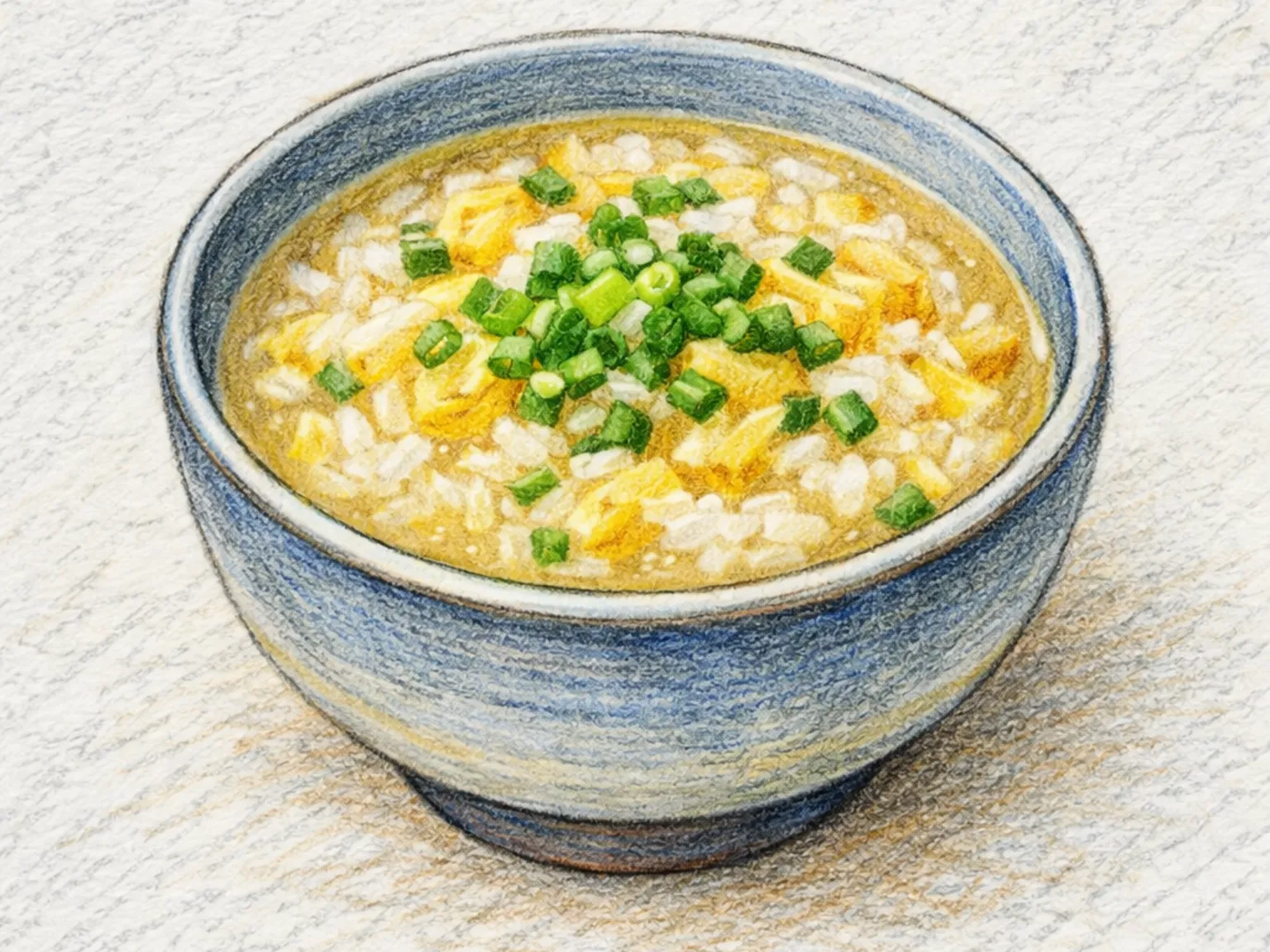
Japanese Savory Steamed Egg Custard
Eggs are beaten with dashi stock, soy sauce, and a splash of cooking wine, then steamed into a silky custard. The high ratio of dashi to egg produces an exceptionally smooth, almost pudding-like texture. Shrimp, shiitake mushroom, and ginkgo nuts are tucked inside, offering small surprises of flavor and texture in each spoonful. Served warm in individual cups, chawanmushi is a classic Japanese appetizer found in both home kitchens and izakaya restaurants.
Adjust Servings
Instructions
- 1
Beat eggs and mix with dashi, soy sauce, and cooking wine.
- 2
Strain once to remove bubbles and lumps.
- 3
Divide shrimp, mushroom, and ginkgo into heatproof cups.
- 4
Pour in egg mixture and cover with lids or foil.
- 5
Steam gently for 15 minutes, then rest 2 minutes before serving.
As an Amazon Associate, we may earn from qualifying purchases.
Tips
Nutrition (per serving)
More Recipes

Steamed Komatsuna and Tofu
Komatsuna mushi is a Japanese steamed dish of mustard spinach and tofu finished with a light dashi-soy dipping sauce. The komatsuna has a subtle bitterness that pairs well with the mild, creamy tofu, and the dashi broth ties them together with clean umami. Seasoning is kept to salt and soy sauce only, allowing the natural flavors of the greens and tofu to come through without interference. Free of added oil, this is a light preparation that fits naturally into a multi-dish Japanese home meal.

Japanese Braised Chicken and Root Vegetables
Chikuzenni is a Japanese-style braise of chicken thigh with lotus root, burdock, and carrot simmered in dashi seasoned with soy sauce and mirin. The rendered fat from the thigh meat coats each piece of root vegetable, building a savory depth without heaviness. Lotus root holds its crisp bite while burdock adds an earthy, nutty flavor that intensifies as you chew. The gentle sweetness of mirin balances the soy, making this a side dish that stays satisfying over multiple servings alongside steamed rice.

Japanese Korokke (Crispy Panko Potato and Beef Croquette)
Korokke is a Japanese potato croquette that traces its roots to the French croquette but has evolved into something distinctly its own. Potatoes are boiled until completely soft, mashed while still hot, then mixed with sauteed onion and seasoned ground beef. The mixture is shaped into flat ovals, coated in flour, dipped in beaten egg, and rolled in panko breadcrumbs before frying at around 170 degrees Celsius. The panko crust turns an even golden brown and stays audibly crunchy, while the interior remains fluffy and starchy. A drizzle of Worcestershire or tonkatsu sauce is the standard condiment. In Japan, korokke are a staple of butcher shops and prepared-food counters, where they are fried to order and eaten on the spot or taken home still warm. Cream korokke filled with bechamel and crab, curry-flavored korokke, and pumpkin korokke are among the popular variations.

Japanese Simmered Yellowtail and Daikon
Yellowtail and daikon radish are simmered together in a dashi-based sauce of soy sauce, mirin, and sake. The fatty yellowtail becomes flaky and rich as it cooks, while the daikon absorbs the concentrated braising liquid and turns translucent. Sugar adds a gentle sweetness to balance the salty soy, and fresh ginger cuts through the fishiness. This is a quintessential Japanese home-cooked dish, best made in winter when yellowtail is at its fattiest.

Buta Shogayaki (Japanese Ginger Pork Stir-Fry with Soy Mirin Glaze)
Buta shogayaki - pork ginger stir-fry - is one of the most frequently cooked dishes in Japanese home kitchens, appearing in bento boxes, teishoku set meals, and university cafeterias across the country. Thinly sliced pork loin or shoulder is marinated briefly in a mixture of soy sauce, mirin, sake, and a generous amount of freshly grated ginger. The ginger serves a dual purpose: its enzymes tenderize the meat during the short marinade, and its sharp, aromatic heat carries through the finished dish. The pork is seared quickly in a hot skillet - overlapping is avoided so each slice makes direct contact with the pan and develops a caramelized edge rather than steaming. The marinade is poured in during the final thirty seconds, reducing rapidly into a glossy, sweet-savory glaze that coats every piece. Served over shredded raw cabbage that provides a cool, crunchy contrast to the hot, saucy meat, shogayaki is the kind of meal that Japanese workers crave at the end of a long day - fifteen minutes from pantry to plate, deeply satisfying, and impossible to tire of.

Hayashi Rice (Japanese Beef and Onion Brown Sauce Rice)
Thinly sliced onions are caramelized in butter for at least eight minutes until deep golden, then simmered with thin-cut beef, tomato paste, Worcestershire sauce, and flour-thickened water into a glossy brown sauce. The extended caramelization of the onions creates the foundational sweetness that defines hayashi rice, so patience at this step directly determines the final flavor. Tomato paste contributes acidity and color while Worcestershire sauce brings a layered spice complexity, and the flour gives the sauce enough body to coat each piece of meat. Spooned generously over warm rice, this mild, non-spicy dish appeals to all ages.