Cheonggukjang Jjigae (Korean Fermented Soybean Stew)
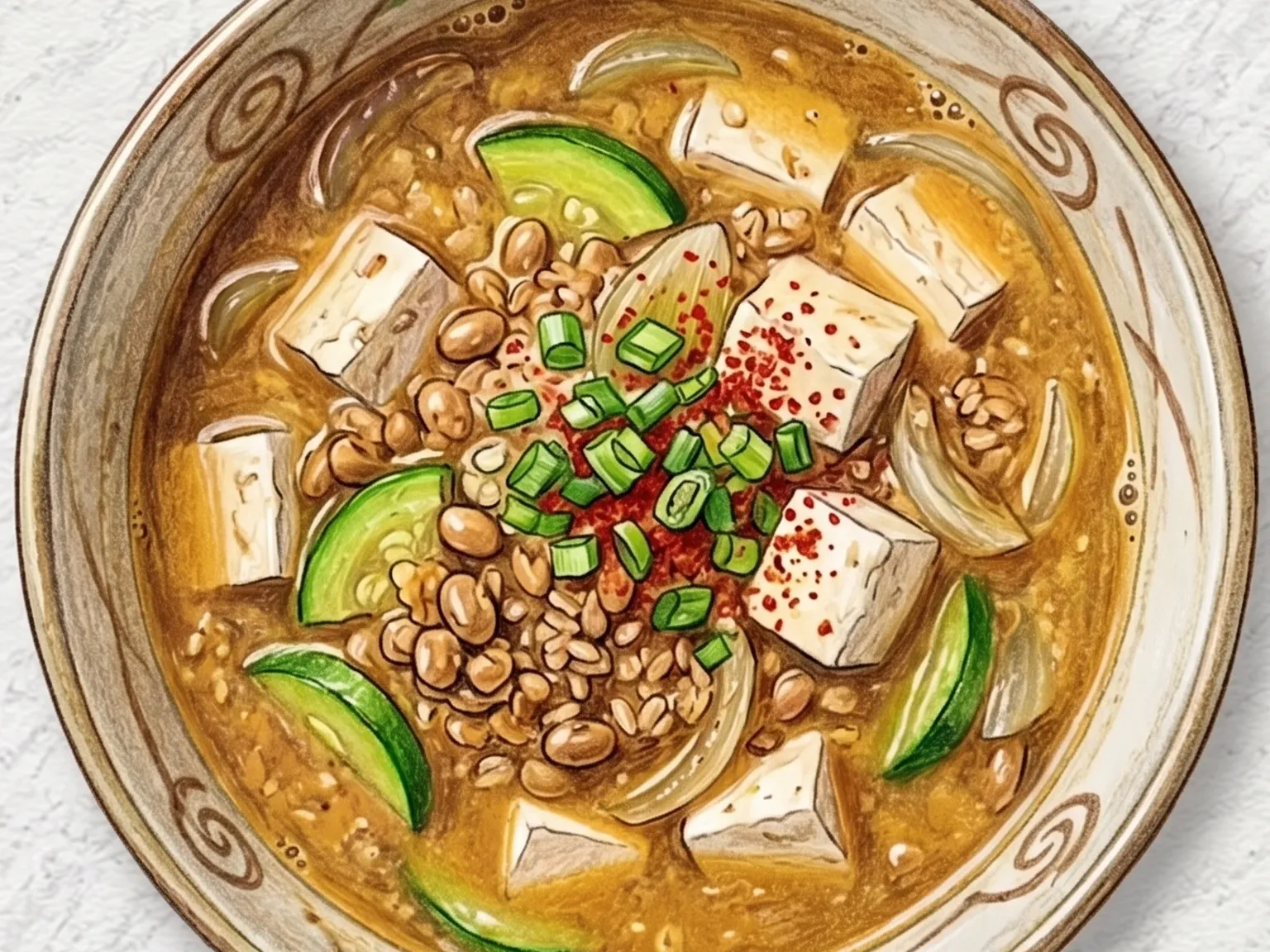
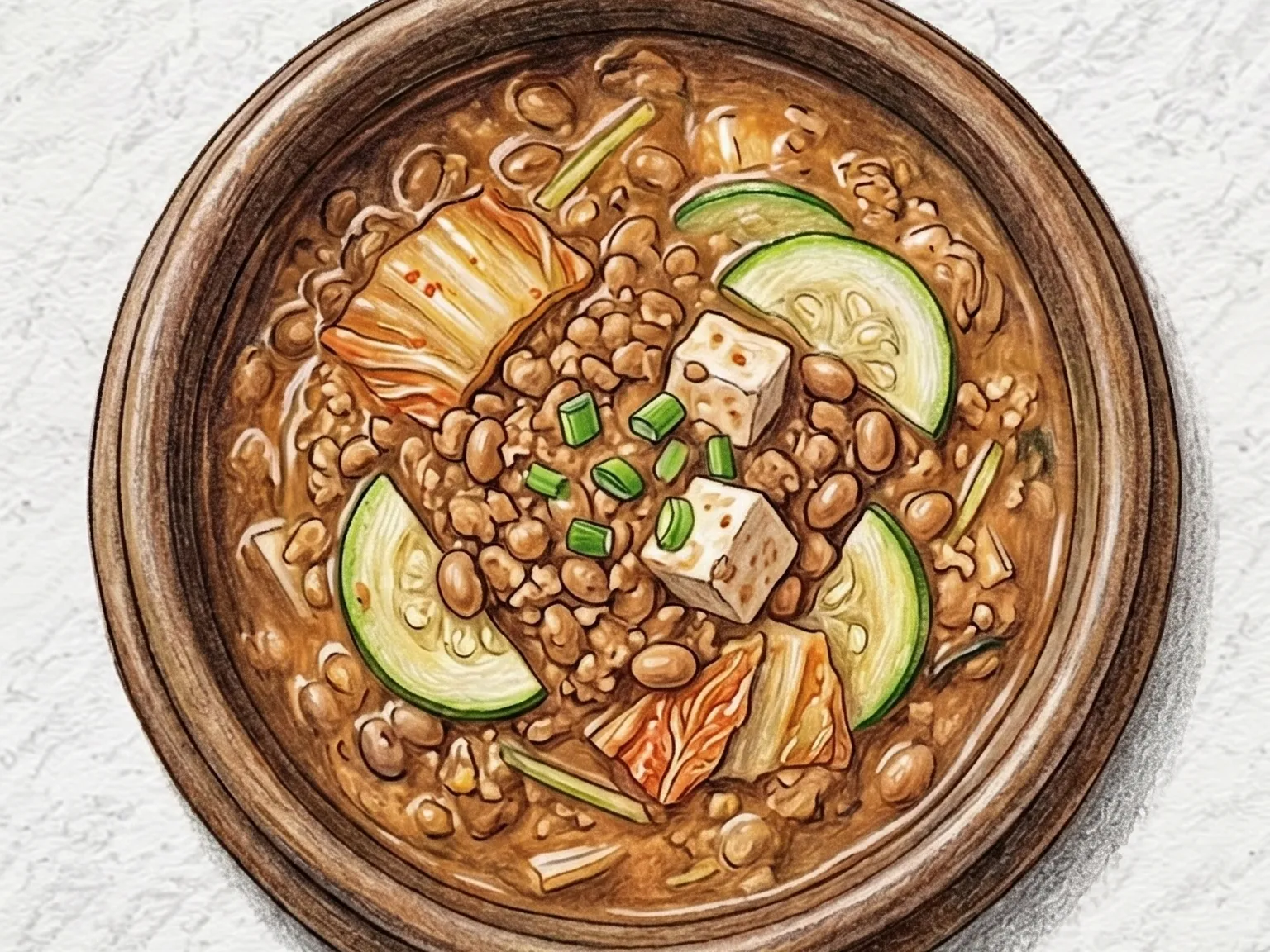
Cheonggukjang is a stew made from fast-fermented soybean paste. The short fermentation period produces a pungent, assertive aroma that mellows into a deeply nutty, savory flavor once the pot comes to a boil. Kimchi, zucchini, tofu, and onion are added to the bubbling liquid, each absorbing the thick, earthy broth as it simmers. Traditionally served piping hot in a stone pot, the stew is poured directly over freshly steamed rice -- a combination that represents one of the most enduring forms of Korean home cooking.
Adjust Servings
Instructions
- 1
Cut tofu into bite-size, half-moon slice zucchini, and julienne onion.
- 2
Pour 500ml water in a pot, add 100g kimchi and onion, and bring to a boil.
- 3
Once boiling, add 100g cheonggukjang paste and stir to dissolve.
- 4
Add tofu and zucchini, then 0.5 tbsp gochugaru and garlic. Simmer 7 minutes.
- 5
Add green onion, cook 1 more minute. Serve hot with rice.
As an Amazon Associate, we may earn from qualifying purchases.
Tips
Nutrition (per serving)
Variations
Beef Brisket Cheonggukjang Stew
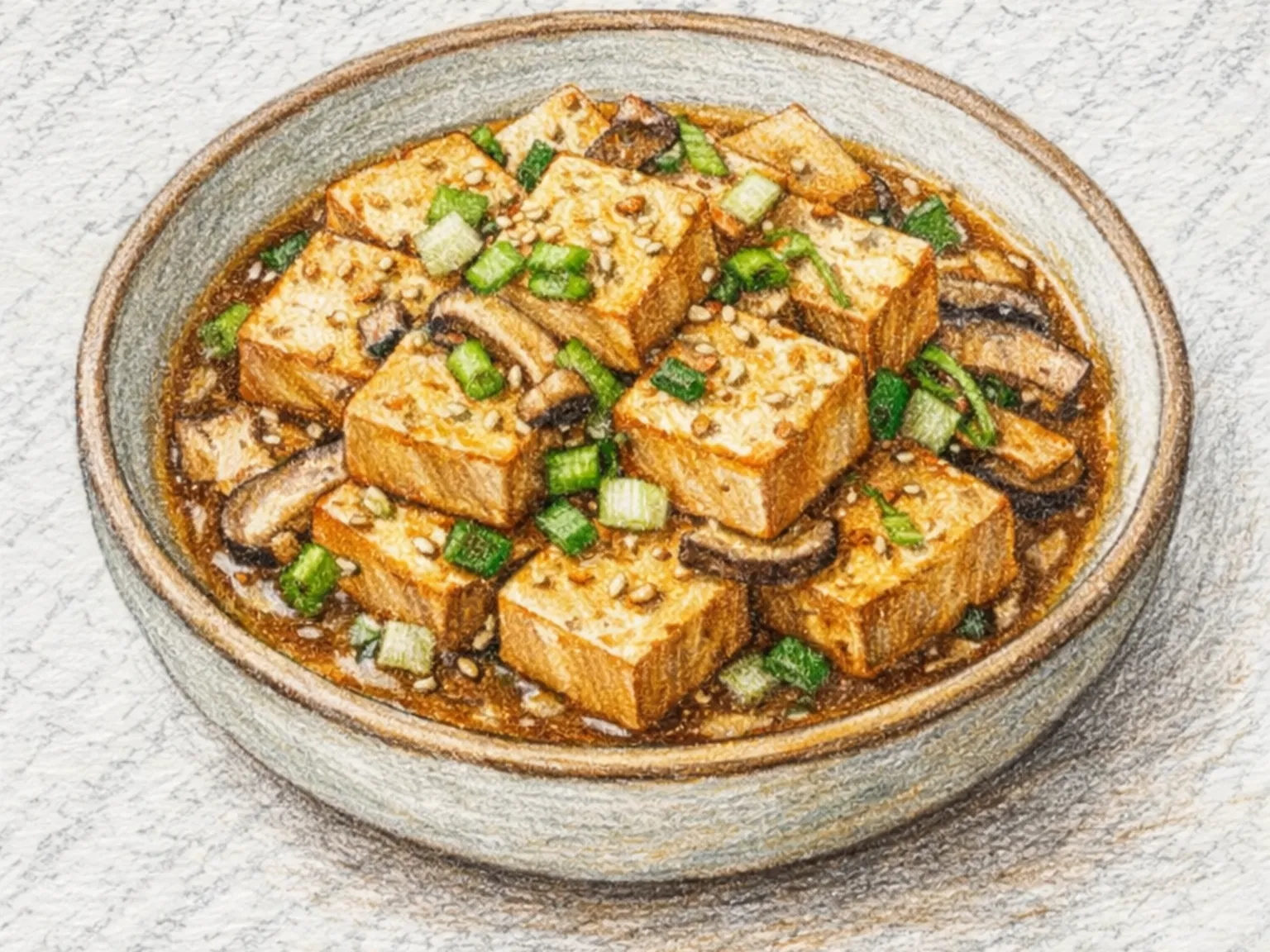
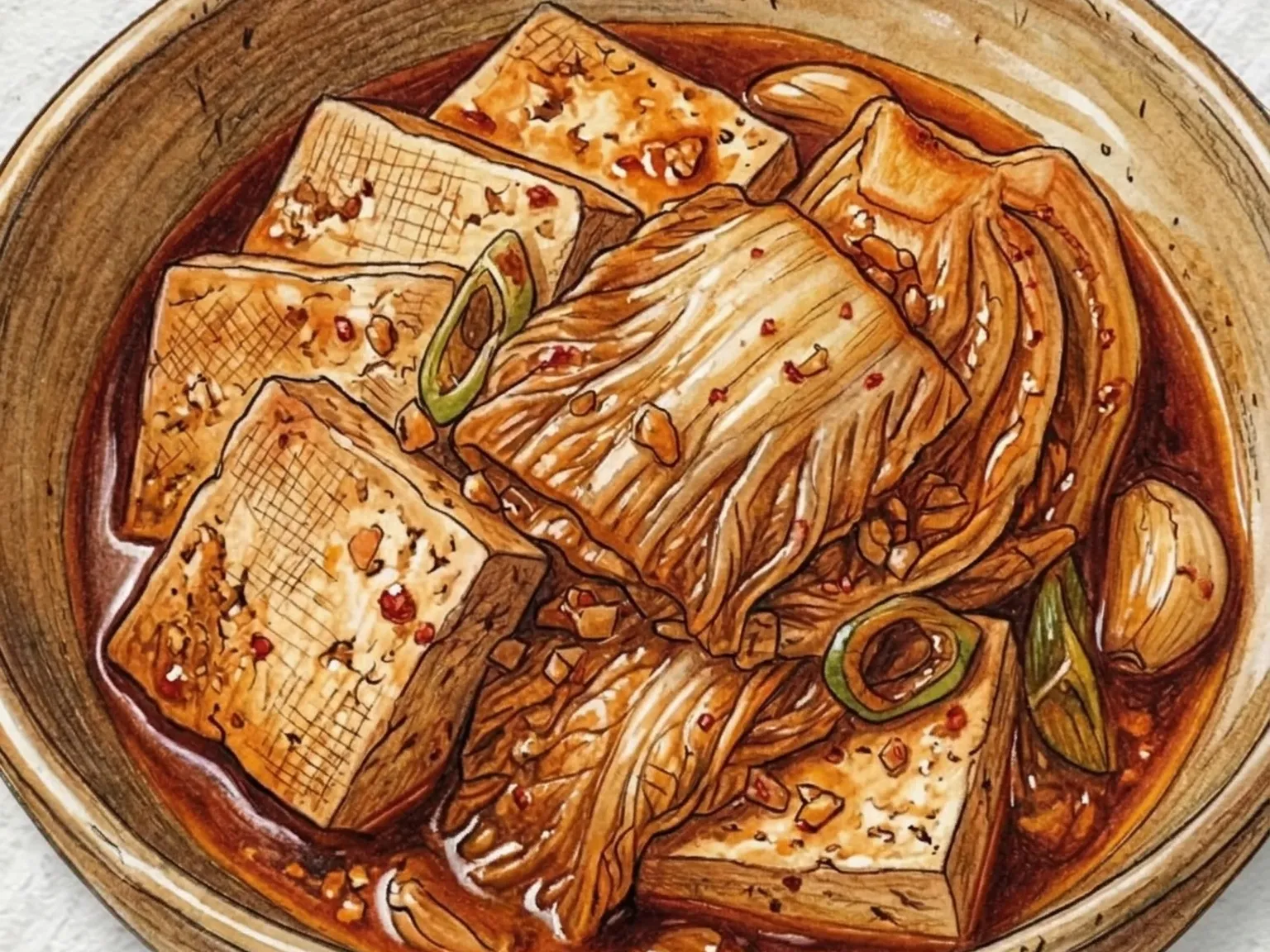
This cheonggukjang stew adds beef brisket slices for extra richness. The fermented soybean depth pairs well with tender, savory beef.
Fermented Soybean Stew with Beef and Tofu
Beef and tofu soften the bold character of fermented soybean stew. The result is robust yet balanced, with rich aroma and clean texture.
Goes Well With

Korean Chwinamul Pot Rice
Chwinamul sotbap is a Korean pot rice made by layering lightly seasoned wild chwinamul greens over soaked rice and cooking everything together in kelp stock until done. The greens release their distinctively herbal, faintly bitter fragrance directly into the rice as it steams, filling the room with an earthy mountain scent when the lid is lifted. Mixed at the table with a soy-sesame sauce, the initial bitterness softens into a pleasant background that makes each spoonful layered and grounding. It is best prepared in spring when chwinamul is freshly picked, offering the sharpest aroma and the most tender stems. Dried chwinamul, soaked and squeezed before use, extends the recipe across all four seasons, though the fresh version carries a vitality and brightness that dried leaves cannot fully replicate.

Korean Seasoned Chamnamul Greens
Chamnamul - Korean pimpinella - grows wild in mountain valleys across central Korea and has been foraged since the Goryeo period. The leaves carry a celery-like fragrance layered with a faint, peppery finish that is unlike any other spring green. Blanched for under a minute to keep the stems crisp, the greens are cut to 5 cm lengths and tossed with soy sauce, sesame oil, and garlic. The thicker stems hold a slight crunch while thinner leaves soften just enough to take on the seasoning. Very young leaves are sometimes served raw without blanching. A spring-only banchan that is unavailable the rest of the year.

Korean Zucchini Pickles (Soy Vinegar Brine Jangajji)
Jangajji - vegetables preserved in soy brine - was the Korean kitchen's answer to long winters and months without reliable food storage. This zucchini version layers thick half-moon slices with onion, cheongyang chili, and whole garlic cloves in a sterilized glass jar before a boiling-hot brine of soy sauce, vinegar, sugar, and water is poured straight in. The heat from the brine does two things at once: it partially cooks the outer surfaces while the centers stay crisp, and it drives the pickling liquid deeper into each piece than cold brine ever could. The pickle is technically ready at 24 hours, but after three days the sweet-sour-salty brine has fully penetrated and the flavors integrate into something more balanced. Cheongyang chili contributes a slow-building heat at the back of each bite, and the whole garlic cloves shed their raw sharpness in the brine, softening into something mellow and slightly sweet. Unlike fresh banchan that must be eaten the same day, this keeps for two weeks in the refrigerator - a ready supply of bright, tangy contrast for any meal that needs it.

Korean Shiitake Tofu Pancake
Shiitake-tofu jeon is a savory Korean pancake made by finely chopping fresh shiitake mushrooms and firm tofu, then mixing them into a batter of pancake mix, egg, and a touch of sesame oil before pan-frying. The shiitakes contribute a meaty chew and pronounced umami depth, while the tofu lightens the texture and keeps the interior moist. Carrot and chives are added for color contrast and a fresh, slightly pungent bite. The egg binds everything together, and the sesame oil in the batter gives a nutty fragrance. Cooked uncovered over medium-low heat until both sides are golden, the exterior crisps up while the inside stays tender. When using dried shiitakes, soaking them in water first is worthwhile because the soaking liquid can be reserved for use in soups or braising liquid. Served with a dipping sauce of soy sauce and vinegar, the salty acidity sharpens the overall savory flavor.
More Recipes

Korean Soy Pulp Stew (Okara with Aged Kimchi and Pork)
Biji jjigae is a Korean stew built around soy pulp - the dense, grainy byproduct of tofu making - cooked together with well-fermented aged kimchi and pork. The soy pulp dissolves gradually into the cooking liquid, giving the broth a thick, porridge-like body and a mild nuttiness. Salted fermented shrimp adds a concentrated umami punch, and perilla oil contributes a roasted, savory fragrance. The deep tang of old kimchi and the rendered fat from the pork slowly permeate the soy pulp as the pot simmers, producing a heavy, richly flavored stew. Soy pulp is high in protein and dietary fiber, making the finished dish both filling and nutritious. Starting over high heat and reducing to a low simmer for at least twenty minutes allows the pork to cook through fully and the stew to thicken and deepen.

Korean Brisket Soybean Paste Stew
Thinly sliced brisket is added to the classic soybean paste stew base of rice-rinsing water and doenjang, cooked together with potato, zucchini, tofu, and cheongyang chili. The marbled fat in the brisket renders into the broth as it cooks, building a richer and more savory base than the standard vegetable-only version. The cheongyang chili delivers a sharp heat that makes this stew especially good with a bowl of rice. Adding the brisket slices after the vegetables have softened partially prevents the meat from overcooking and turning tough during the remaining simmer time.

Korean Soybean Sprout Stew
Soybean sprout jjigae is a spicy home-style stew built around kongnamul, with tofu and pork adding substance to a broth seasoned with gochugaru and soup soy sauce. The sprouts release their own clean, slightly sweet liquid as they cook, and that natural base broth combines with the heat of the chili flakes to produce the sharp, refreshing character the dish is best known for. A critical technique rule applies to the sprouts: once the lid is placed, it should not be lifted during cooking. If the lid is removed and steam escapes, the sprouts develop an unpleasant grassy smell that cannot be reversed. If the lid is accidentally opened, the only correction is to leave it off and continue cooking without it until the end. Tofu absorbs the broth and provides a soft contrast to the crunchy sprouts, while the pork contributes fat and savory depth that enriches the broth. Green onion and minced garlic add aroma, and cracking a beaten egg into the pot as the broth comes to a full boil creates soft egg pieces throughout. The whole dish comes together in under twenty minutes from start to finish, making it a practical weeknight soup.

Korean Yeolmu Doenjang Stew
Seasonal young radish greens and fermented soybean paste come together in this refreshing summer stew designed to cool the body. The preparation begins with a clean anchovy and kelp stock, where doenjang is carefully dissolved to ensure a smooth consistency without clumps. Young radish greens, or yeolmu, contribute a signature crunch and a faint bitterness that softens as it simmers alongside sweet onions and zucchini. This natural sweetness from the onion balances the earthy profile of the fermented paste while gochugaru adds a hint of heat and a warm red hue to the broth. To preserve the crisp texture of the greens, add them after the doenjang and limit the simmering time to about five to seven minutes. Tofu should be introduced at the very end to prevent it from breaking apart while absorbing the savory liquid. The clean mineral finish provided by the kelp makes this dish an excellent companion for barley rice during humid months. For additional layers of flavor, sliced Cheongyang chilies increase the spiciness and a spoonful of perilla powder introduces a toasted quality to the base. If using low-sodium paste, a small amount of soup soy sauce helps achieve a balanced profile. Since young radish greens possess a distinct herbal fragrance at their peak, this stew delivers its best quality when served immediately on the day it is prepared.

Soybean Paste Stew with Clams
Doenjang jjigae with clams is one of the most frequently made stews in Korean households, built on the combination of fermented soybean paste's deep, earthy flavor and the clean briny umami of manila clams. The clams are purged of sand before being added to a pot of doenjang-laced broth, where they open and release their salty, seawater-flavored liquor directly into the soup. The result transforms the base from something merely savory into something distinctly oceanic and complex. Zucchini softens in the bubbling broth and contributes a natural sweetness as it breaks down, while blocks of soft tofu act as sponges, soaking up the seasoned liquid and releasing it in a burst of hot, flavorful broth when bitten into. Sliced cheongyang chili peppers are added to interrupt the heaviness of the fermented paste and sharpen the overall flavor. The stew is typically served in an earthenware pot while still bubbling, alongside rice. Many Koreans ladle the broth directly over their bowl of rice. The recipe adapts to any season: assembled with leftover summer vegetables from the refrigerator for a lighter version, or cooked piping hot in a stone pot through winter.

Korean Fermented Soybean Soup
Cheonggukjang-guk is a soup where cheonggukjang -- a short-fermented soybean paste with an assertive, pungent aroma that distinguishes it from the milder doenjang -- is dissolved into anchovy-kelp stock and simmered with zucchini, onion, and tofu. The paste infuses the broth with a deep, earthy fermented quality that forms the core character of the soup. Zucchini and onion contribute natural sweetness that tempers the intensity of the fermented base, keeping the overall flavor approachable rather than overwhelming. Tofu is added partway through to absorb the broth without breaking apart, adding a soft textural contrast. Red chili flakes and sliced green onion go in at the end, lifting the finish with a gentle heat. Because cheonggukjang ferments faster and more aggressively than doenjang, its flavor is noticeably stronger -- starting with a smaller quantity and adjusting to taste is advised for first-time cooks.