Charim

2686 Korean & World Recipes

2686+ Korean recipes, clean and organized. Ingredients to instructions, all at a glance.

Korean Fermented Soybean Soup
Soups Easy

Korean Fermented Soybean Soup

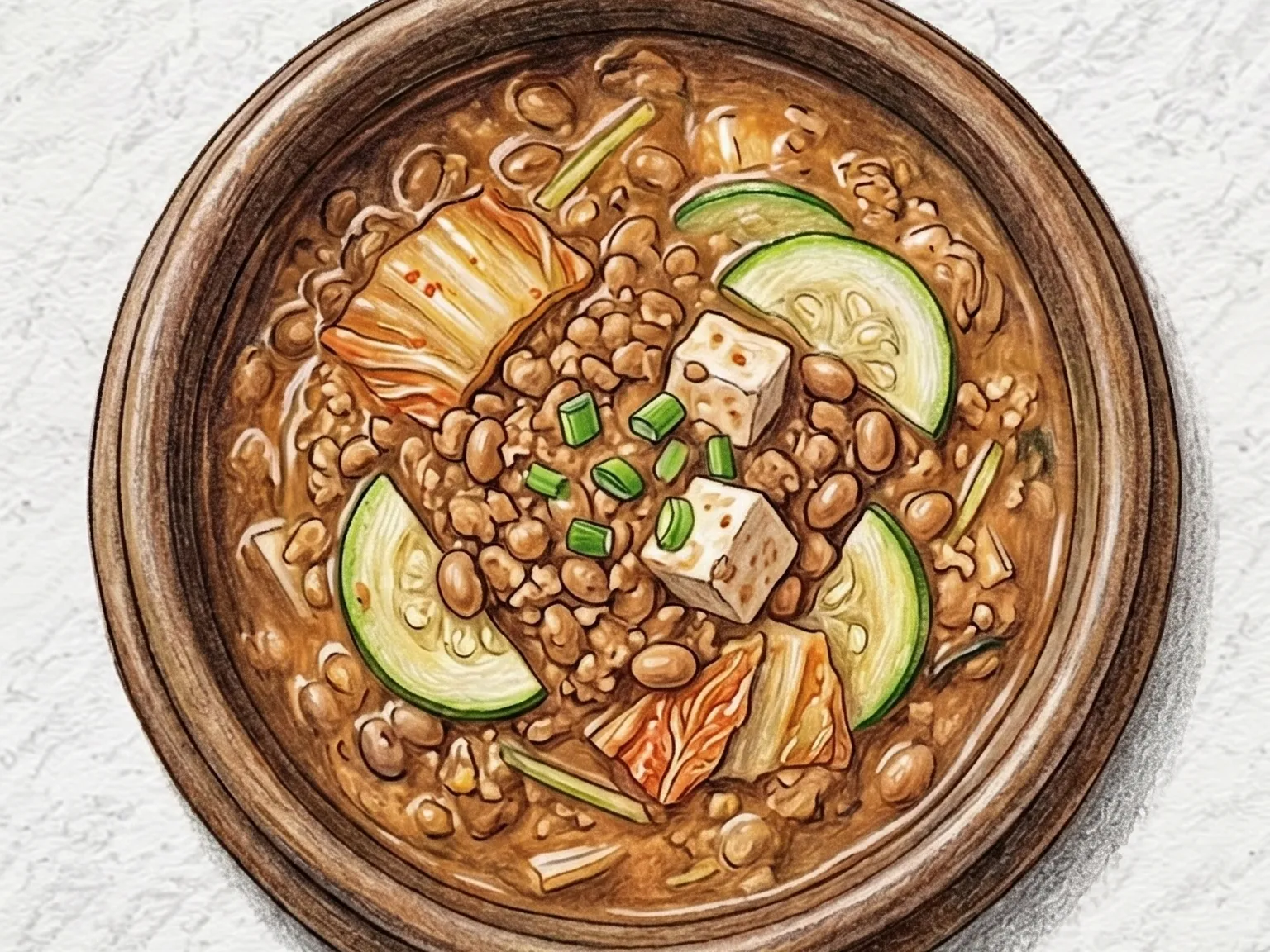
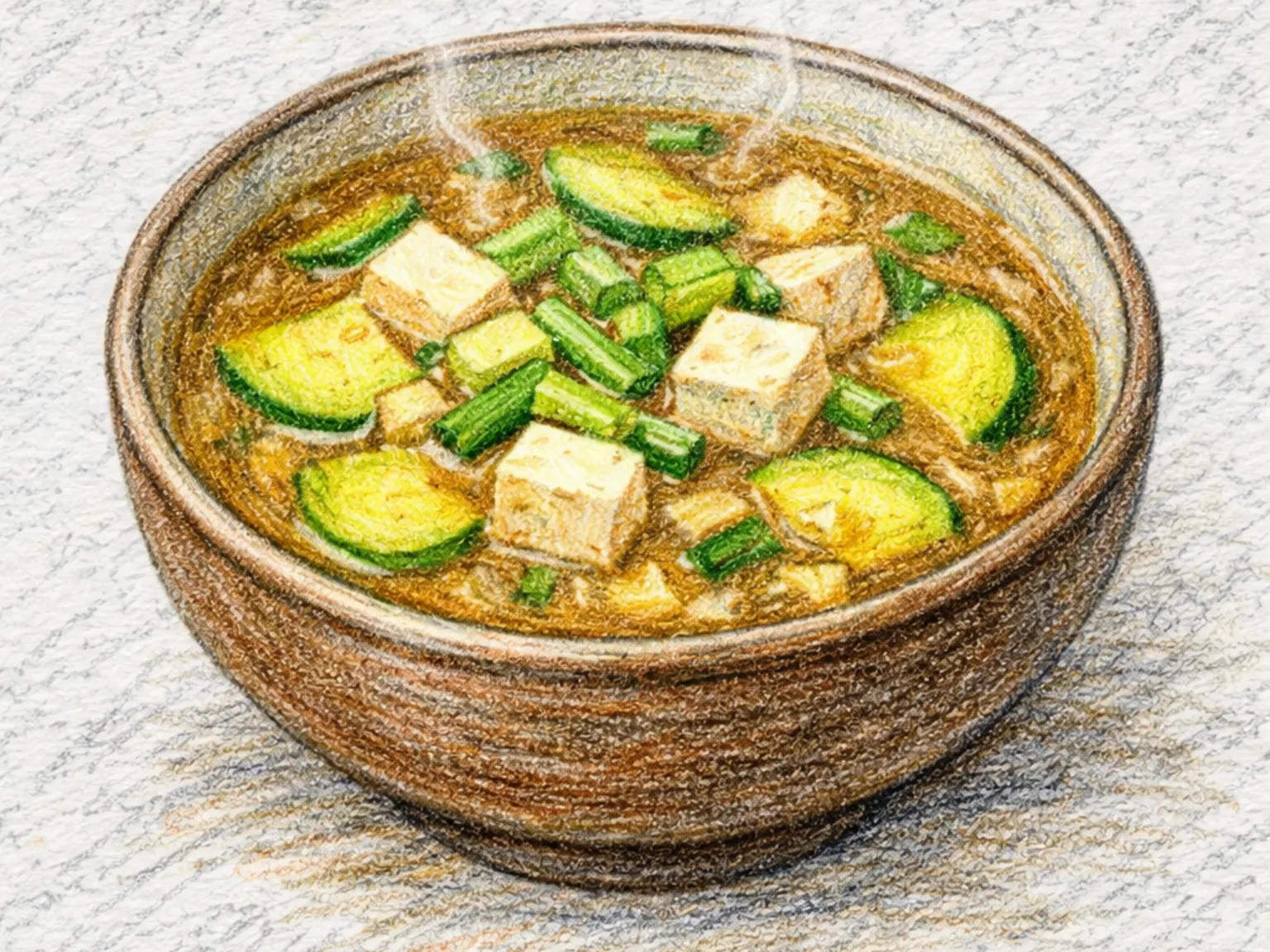
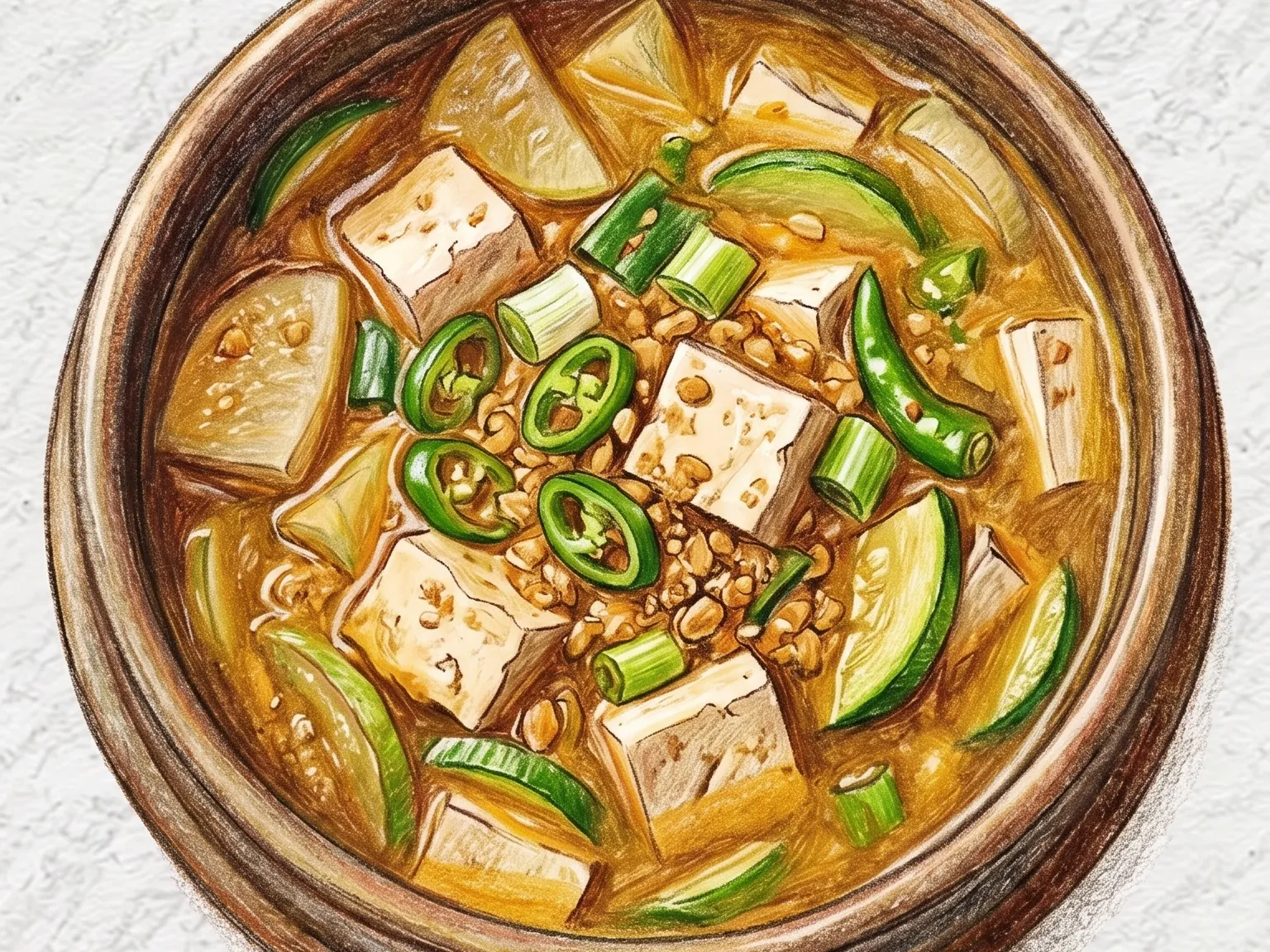
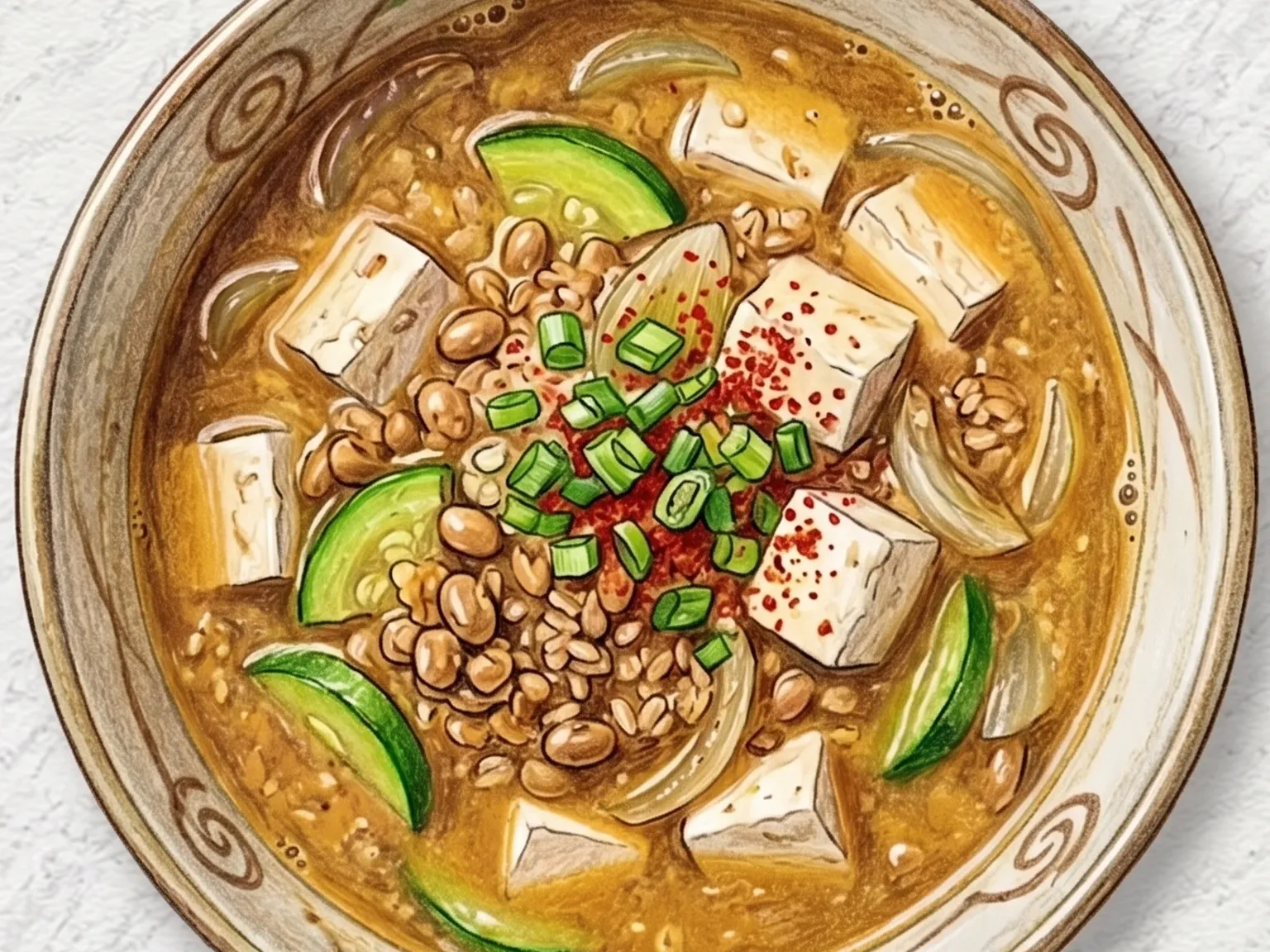
Cheonggukjang-guk is a soup where cheonggukjang -- a short-fermented soybean paste with an assertive, pungent aroma that distinguishes it from the milder doenjang -- is dissolved into anchovy-kelp stock and simmered with zucchini, onion, and tofu. The paste infuses the broth with a deep, earthy fermented quality that forms the core character of the soup. Zucchini and onion contribute natural sweetness that tempers the intensity of the fermented base, keeping the overall flavor approachable rather than overwhelming. Tofu is added partway through to absorb the broth without breaking apart, adding a soft textural contrast. Red chili flakes and sliced green onion go in at the end, lifting the finish with a gentle heat. Because cheonggukjang ferments faster and more aggressively than doenjang, its flavor is noticeably stronger -- starting with a smaller quantity and adjusting to taste is advised for first-time cooks.

Prep 15min Cook 20min 2 servings

Adjust Servings

2servings
servings

Instructions

  1. 1

    Slice zucchini, onion, green onion, and tofu into bite-size pieces.

  2. 2

    Pour stock into a pot and bring it to a simmer over medium heat.

  3. 3

    Add cheonggukjang and stir well to dissolve, simmering for 5 minutes.

  4. 4

    Add onion, zucchini, and minced garlic, then cook for 6 more minutes.

  5. 5

    Add tofu and season with chili flakes and soup soy sauce.

  6. 6

    Add green onion, simmer 2 more minutes, then turn off the heat.

🛒Shop Ingredients on Amazon

As an Amazon Associate, we may earn from qualifying purchases.

Tips

Adjust soup soy sauce at the end since saltiness varies by cheonggukjang.
Let it rest for 3 minutes after boiling for a rounder flavor.

Nutrition (per serving)

Calories
285
kcal
Protein
20
g
Carbs
14
g
Fat
16
g

Goes Well With

Korean Bean Sprout Rice (Pot-Steamed Rice with Soy Sprouts)
RiceEasy

Korean Bean Sprout Rice (Pot-Steamed Rice with Soy Sprouts)

Kongnamul-bap is a simple Korean home dish of soaked rice cooked together with a generous pile of bean sprouts in a covered pot. Timing and the closed lid are the two things that define the result. The pot starts on high heat until the water boils, then drops to low for fifteen minutes of steady cooking followed by five minutes of resting. Opening the lid at any point during this process releases steam and allows a raw, beany smell to develop in the finished rice. Once the resting period is complete, the sprouts have steamed through and their moisture has been absorbed into the rice grains. The seasoning sauce is mixed directly into the bowl at the table: soy sauce, sesame oil, gochugaru, finely sliced green onion, and a scatter of sesame seeds. Each spoonful combines the soft, starchy rice with the firm snap of the sprout stems, and the soy dressing pulls everything into a coherent flavor. The dish asks very little from the cook and costs almost nothing to make, yet it produces the kind of deeply satisfying meal that is difficult to improve upon. Some versions add daikon cut into thick batons, which contribute a cool, clean sweetness to the broth that forms at the bottom of the pot.

🏠 Everyday
Prep 10minCook 25min2 servings
Korean Stir-Fried Eggplant Banchan
Side dishesEasy

Korean Stir-Fried Eggplant Banchan

Gaji bokkeum turns eggplant, a vegetable Koreans have cultivated since the Goryeo period, into a quick, oil-glazed banchan where cooking speed matters as much as the seasoning. The eggplant is sliced into half-moons, and the pan must be smoking hot before they go in - any hesitation and the pieces steam rather than sear, collapsing into a soggy mass. High heat with restrained oil produces lightly charred edges while the interior becomes silky and almost custardy, two contrasting textures in the same bite. Soy sauce, garlic, and sesame oil go in during the final thirty seconds, sizzling against the hot surface and coating each piece in a thin, caramelized glaze. The result has a concentrated, clean umami quality that a braised preparation cannot match. Because the spongy cellular structure of eggplant absorbs oil rapidly, starting with too much fat leaves each piece greasy rather than glazed - the dish relies on pan temperature, not oil volume. Korean home cooks return to this recipe as a weeknight banchan precisely because the whole process, from cutting board to table, takes under ten minutes, and the payoff is consistently good.

🏠 Everyday🍱 Lunchbox
Prep 10minCook 7min4 servings
Korean Water Parsley Soy Pickle
KimchiEasy

Korean Water Parsley Soy Pickle

Preparing this dish starts with cutting water parsley stems into 5-centimeter segments and ensuring they are thoroughly dried. The pickling process involves a mixture of soy sauce, rice vinegar, and sugar that is boiled and then completely cooled before being poured over the prepared stems, garlic, and cheongyang chili peppers. As the herbs submerge in the savory liquid, the fresh scent of the water parsley evolves into a complex aromatic profile that is absent in its raw state. Rice vinegar provides a crisp finish to the palate, while the sharp heat from the chili peppers prevents the flavor from becoming flat or one-dimensional. Garlic acts as a stabilizing element for the entire seasoning base. The pickle reaches its optimal state around the second or third day of refrigeration when the initial sharpness of the vinegar mellows out while the stems maintain their firm crunch. Since the texture tends to soften over time, making frequent small batches is a practical approach to enjoy this preserve. This side dish functions well alongside grilled pork belly or other main courses with high fat content by clearing the palate between bites. The remaining brine can be reused for subsequent batches of vegetables, often resulting in a more developed and layered taste than the first round. Adding a small amount of lemon or yuzu juice introduces a citrus scent that complements the natural herbal characteristics of the water parsley.

🏠 Everyday🍱 Lunchbox
Prep 15minCook 10min4 servings
Korean Shiitake Tofu Pancake
PancakesEasy

Korean Shiitake Tofu Pancake

Shiitake-tofu jeon is a savory Korean pancake made by finely chopping fresh shiitake mushrooms and firm tofu, then mixing them into a batter of pancake mix, egg, and a touch of sesame oil before pan-frying. The shiitakes contribute a meaty chew and pronounced umami depth, while the tofu lightens the texture and keeps the interior moist. Carrot and chives are added for color contrast and a fresh, slightly pungent bite. The egg binds everything together, and the sesame oil in the batter gives a nutty fragrance. Cooked uncovered over medium-low heat until both sides are golden, the exterior crisps up while the inside stays tender. When using dried shiitakes, soaking them in water first is worthwhile because the soaking liquid can be reserved for use in soups or braising liquid. Served with a dipping sauce of soy sauce and vinegar, the salty acidity sharpens the overall savory flavor.

🏠 Everyday🍺 Bar Snacks
Prep 20minCook 14min2 servings

More Recipes

Korean Napa Outer Leaf Soybean Soup
SoupsEasy

Korean Napa Outer Leaf Soybean Soup

Ugeoji doenjang-guk is a deeply comforting soybean paste soup made with the tough outer leaves of napa cabbage that might otherwise be discarded. The leaves are first massaged with doenjang, perilla oil, and garlic, a step that drives the fermented paste deep into the cabbage's thick veins so that when the soup simmers, the flavor releases gradually into the broth. Rice-rinsing water replaces plain stock as the cooking liquid, adding a gentle starchiness that rounds the doenjang's salt into something softer and more enveloping. As the ugeoji cooks down, it turns from a leathery sheet into a silky, almost melting tangle that drapes over the spoon and floods the mouth with concentrated vegetable-and-miso flavor. The broth itself becomes a murky, golden-brown pool of umami, tasting of earth, fermentation, and the quiet bitterness that only well-cooked greens provide. Cubed tofu gives textural relief, and thin rings of cheongyang chili pepper, if added, introduce a sharp heat that cuts the richness. It is a soup that transforms humble ingredients into something far greater than their parts.

🏠 Everyday
Prep 15minCook 25min4 servings
Kongnamul-guk (Bean Sprout Anchovy Soup)
SoupsEasy

Kongnamul-guk (Bean Sprout Anchovy Soup)

Kongnamul-guk is a clear Korean soup built on bean sprouts, water, soup soy sauce, and garlic, and its central technique is boiling the sprouts with the lid firmly closed for seven minutes. The reason behind the closed lid is a long-standing Korean kitchen belief: the compounds responsible for the raw, beany smell in soybean sprouts are volatile, and if the lid is left open, they do not escape with the steam but instead condense back into the pot. Whether the chemistry fully supports this, keeping the lid closed has been the standard method for generations and consistently produces a clean-tasting broth. Green onion goes in at the very end to keep its bright, mild bite without overcooking. Trimming the fine root tails from each sprout improves the texture and presentation, though it does not change the flavor and is often skipped on weekdays. Adding chili flakes and a cracked egg transforms the soup into a spicy, restorative hangover version, and a handful of clams deepens the broth with extra umami. From start to finish the soup takes about fifteen minutes, which makes it one of the fastest soups in the Korean repertoire, and the directness of its flavor -- clean, cool, and vegetal -- is exactly what makes it worth returning to.

🏠 Everyday Quick
Prep 5minCook 15min2 servings
Korean Spring Cabbage Soybean Paste Soup
SoupsEasy

Korean Spring Cabbage Soybean Paste Soup

Bomdong doenjang-guk is a seasonal Korean home soup made by simmering spring cabbage and doenjang in rice-rinsing water, which adds a subtle starchy body to the broth and softens the saltiness of the paste. The thicker cabbage stems go in first to soften properly while retaining some bite, and the tender leaves are added at the end to hold their natural sweetness and color. Tofu, a pinch of red chili flakes, and green onion round out the bowl with depth and mild heat. A drop of sesame oil just before serving adds a nutty finishing aroma. Spring cabbage has a high water content and turns mushy quickly, so the leaves should be added less than two minutes before turning off the heat.

🏠 Everyday
Prep 15minCook 20min4 servings
Korean Spinach Soybean Paste Soup
SoupsEasy

Korean Spinach Soybean Paste Soup

Sigeumchi-doenjang-guk is a foundational Korean soup that combines spinach with soybean paste in anchovy-kelp stock, producing a broth that is earthy, warm, and deeply familiar to anyone who grew up eating Korean home cooking. Doenjang is dissolved into the simmering stock first, establishing a savory, slightly funky baseline. Spinach is added near the end and wilts within seconds, contributing a soft green color and a faint bitterness that, rather than clashing with the fermented paste, amplifies its complexity. Tofu is a common addition that gives the soup more substance and a creamy counterpoint to the leafy greens. Garlic and green onion handle the aromatics, and no chili is used, keeping the soup on the gentle end of the Korean flavor spectrum. The key technical point is timing: spinach left in boiling liquid too long turns dull and mushy, so experienced cooks drop it in and turn off the heat almost immediately. This soup is one of the most frequently prepared versions of doenjang-guk in Korean kitchens precisely because spinach is available year-round, affordable, and cooks in moments. It pairs seamlessly with any banchan spread and never competes for attention on the table.

🏠 Everyday
Prep 10minCook 15min2 servings
Cheonggukjang Jjigae (Korean Fermented Soybean Stew)
StewsEasy

Cheonggukjang Jjigae (Korean Fermented Soybean Stew)

Cheonggukjang is a stew made from fast-fermented soybean paste. The short fermentation period produces a pungent, assertive aroma that mellows into a deeply nutty, savory flavor once the pot comes to a boil. Kimchi, zucchini, tofu, and onion are added to the bubbling liquid, each absorbing the thick, earthy broth as it simmers. Traditionally served piping hot in a stone pot, the stew is poured directly over freshly steamed rice -- a combination that represents one of the most enduring forms of Korean home cooking.

🏠 Everyday
Prep 10minCook 15min2 servings
Korean Fermented Soybean Paste Noodle Soup
NoodlesEasy

Korean Fermented Soybean Paste Noodle Soup

Doenjang kalguksu is a Korean noodle soup of knife-cut wheat noodles in an anchovy broth enriched with fermented soybean paste. Straining the doenjang through a fine-mesh sieve before adding it to the broth serves a specific purpose: it prevents uneven lumps and ensures the paste dissolves uniformly, which keeps any bitter notes from concentrating in spots. The fermentation depth of the doenjang and the glutamate-rich anchovy stock reinforce each other without needing added seasoning. Zucchini cut into half-moons and sliced shiitake mushrooms contribute sweetness and aroma as the broth simmers; cubed tofu adds a soft, yielding contrast to the chewy noodles. Timing dictates quality here: the final salt adjustment goes in right before the noodles, because doenjang pushed through extended boiling develops a pronounced bitterness that is difficult to correct. Once the noodles go in, the soup should be finished within two minutes to preserve their elasticity.

🏠 Everyday
Prep 10minCook 20min2 servings
More Soups →