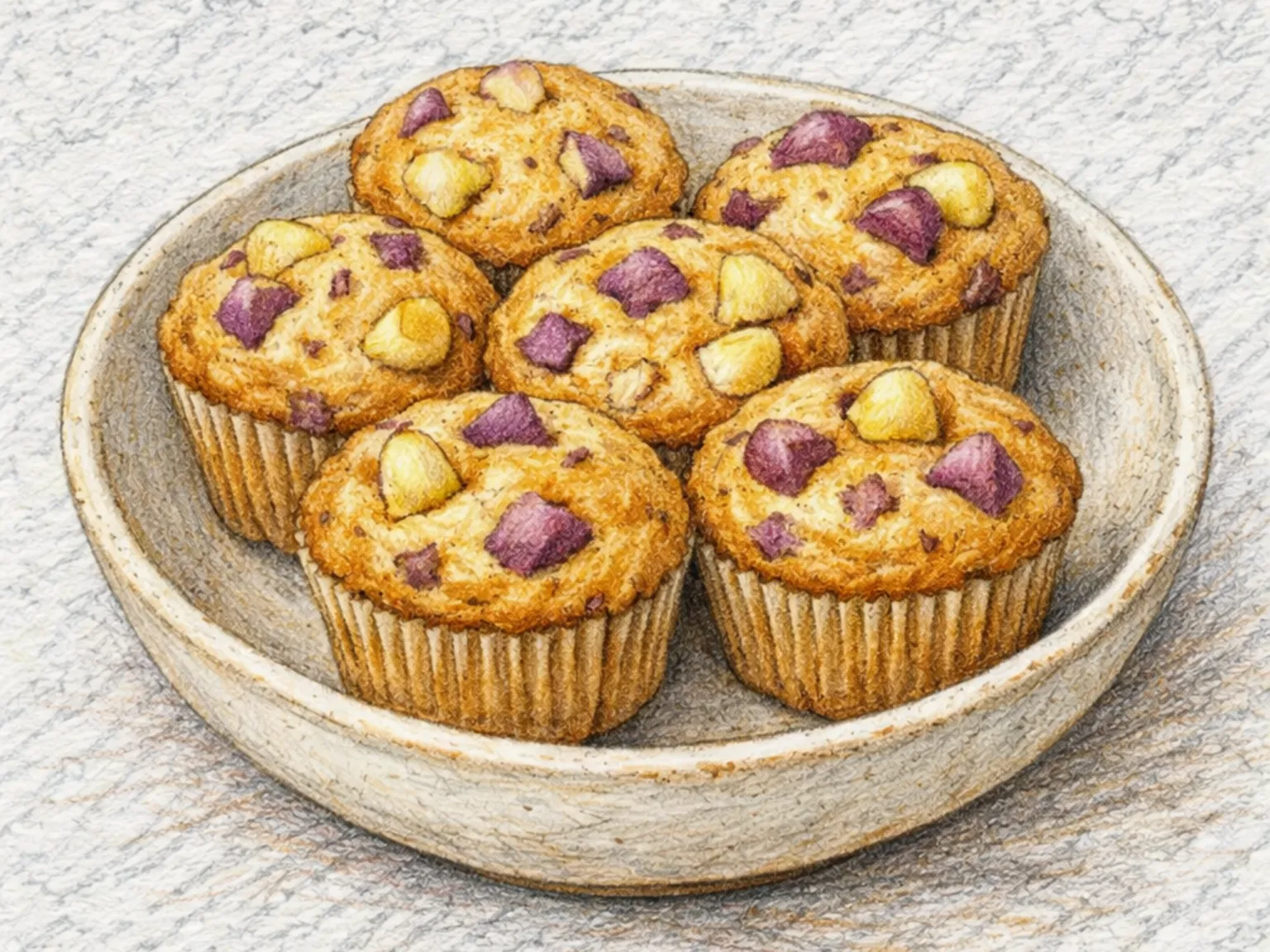
Chestnut Sweet Potato Muffins
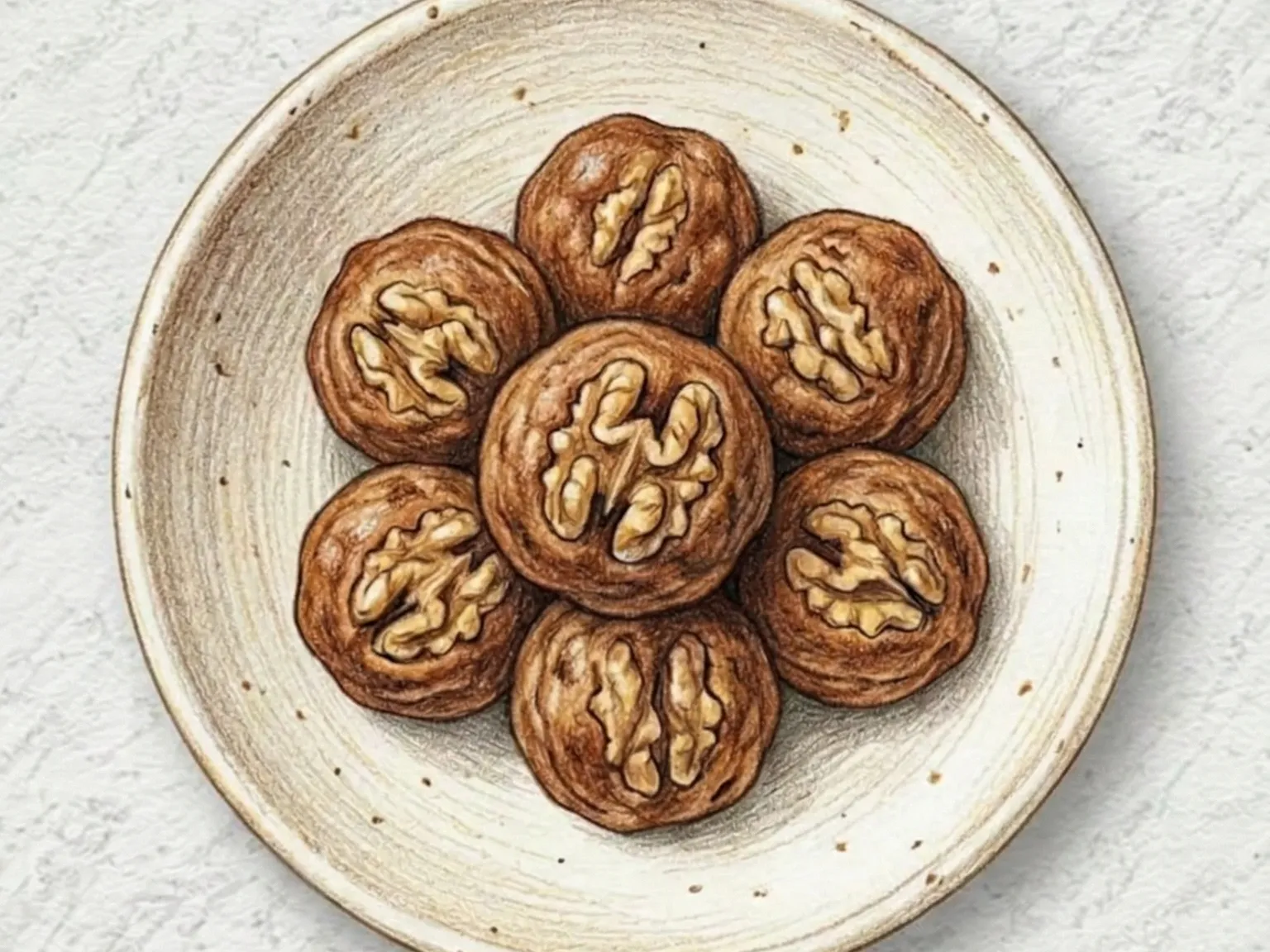
Chestnut sweet potato muffins combine two staple Korean autumn ingredients into a baked format. Steamed and mashed sweet potato mixed directly into the batter lends natural sweetness and moisture that keeps the crumb soft for days. Diced roasted chestnuts folded throughout provide a starchy, crumbly contrast to the tender muffin around them. A touch of cinnamon amplifies the sweet potato's warmth without masking it, and a streusel topping adds a crunchy layer that breaks under the teeth before giving way to the soft interior. The sweet potato acts as a built-in moisturizer, preventing the common muffin problem of drying out after cooling. When made with freshly harvested ingredients in autumn, the natural sugars are concentrated enough to reduce added sweetener.
Adjust Servings
Instructions
- 1
Preheat oven to 180C and line a muffin tin.
- 2
Cream butter and sugar, then add eggs gradually.
- 3
Mix in mashed sweet potato and milk until smooth.
- 4
Sift in flour, baking powder, and cinnamon, then fold gently.
- 5
Fold in chestnuts and fill cups to 80%.
- 6
Bake 22-25 minutes until a skewer comes out clean, then cool.
As an Amazon Associate, we may earn from qualifying purchases.
Tips
Nutrition (per serving)
More Recipes

Sweet Potato Cinnamon Muffins
Steamed sweet potato is mashed smooth and folded into a quick-mix muffin batter scented with ground cinnamon. The potato provides natural sweetness that reduces the need for refined sugar, while its moisture keeps the crumb soft and tender for days. Cinnamon amplifies the warm character of the sweet potato rather than competing with it, and a neutral oil base makes the muffins lighter than their butter-based counterparts. The mixing technique is critical: stirring beyond the point where dry flour disappears overdevelops gluten and produces a tough result. Because sweet potatoes vary in water content, the milk should be adjusted in ten-milliliter increments - wetter puree needs less liquid. Once baked, the muffins are best cooled on a wire rack so residual heat dries the surface into a faintly crisp shell that contrasts with the pillowy interior.

Vanilla Cupcakes
Butter and sugar are creamed until pale and fluffy, then eggs, vanilla extract, cake flour, and milk are incorporated to produce the most versatile cupcake in home baking. The creaming step is where the texture is decided: enough air beaten into the butter creates a light, tender crumb, while under-creaming yields a dense, flat result. Each egg is added individually to maintain a stable emulsion, and the low protein content of cake flour keeps the finished cupcake soft rather than chewy. Filling each liner to seventy percent capacity allows a domed rise without overflow, and the oven door should remain closed for the first fifteen minutes to prevent collapse. Once cooled, these cupcakes accept virtually any frosting - buttercream, cream cheese, ganache - without the base flavor competing. The vanilla is warm and present but never dominant, which is exactly what makes this recipe a dependable foundation for countless variations.

Chocolate Chip Cookies
Chocolate chip cookies are the most baked cookie in American kitchens, and their apparent simplicity masks a surprising number of variables. The ratio of brown sugar to white sugar determines the texture - more brown sugar yields chewier cookies, more white sugar makes them crisper. Creaming the butter aerates the dough, giving the baked cookies a slight puff. Chocolate chips, whether milk, dark, or semi-sweet, melt in the oven and resolidify into pockets of concentrated chocolate that contrast with the surrounding dough. The critical moment is knowing when to pull the tray from the oven: the edges should be golden and set while the center still looks underdone, because residual heat will finish the job as the cookies cool on the pan. A pinch of flaky salt pressed into the tops before baking sharpens every flavor. Fresh from the oven, the cookies are barely holding their shape, yielding to the slightest pressure - and that is precisely the point.

Fudgy Brownies
A fudgy brownie delivers dense, moist chocolate intensity in every bite, distinguishing itself from cake-style brownies through a higher ratio of butter and chocolate to flour. Melting chocolate and butter together before folding in sugar and eggs produces a glossy, pourable batter that bakes into a thin crust on top while the interior stays rich and slightly underdone. Pulling the pan from the oven just before the center fully sets is critical: as the brownie cools, that center sinks into a chewy, truffle-like layer. Using dark chocolate with a high cacao percentage shifts the flavor toward bittersweet depth rather than simple sweetness. A scattering of flaky sea salt on top before baking creates a sweet-salty contrast that amplifies the chocolate. Walnuts or pecans folded into the batter introduce crunch amid the dense crumb. Cutting clean squares requires patience, as the texture firms only after the brownie has cooled completely.

Black Sesame Brownies
Ultra-fudgy dark chocolate brownies with a nutty roasted black sesame twist that adds earthy depth to every bite. The bitter edge of the chocolate meets the toasted, grain-like aroma of the sesame, producing a depth of flavor absent from standard brownies. The recipe keeps the cake flour ratio low so the center stays fudgy and dense after baking at 175 degrees Celsius for twenty to twenty-five minutes. Because black sesame powder is naturally oily and prone to clumping, it must be sifted together with the flour and salt before folding into the batter to ensure even distribution throughout the crumb.

Bananas Foster
Bananas Foster is a New Orleans dessert in which bananas are sauteed in a butter-and-brown-sugar caramel sauce and served over vanilla ice cream. The sauce starts by melting butter with brown sugar in a skillet until the sugar dissolves into a thick caramel. Halved bananas are placed cut-side down into the sauce and cooked just until they warm through and absorb some of the syrup. Ground cinnamon and a squeeze of lemon juice add complexity to the caramel. The traditional preparation involves igniting rum in the pan, though the alcohol step can be omitted at home without losing the core flavor. Spooning the hot caramelized bananas over cold ice cream creates a temperature contrast that defines the dish, and the whole process takes about ten minutes.