Cheung Fun (Cantonese Steamed Rice Noodle Rolls with Shrimp)
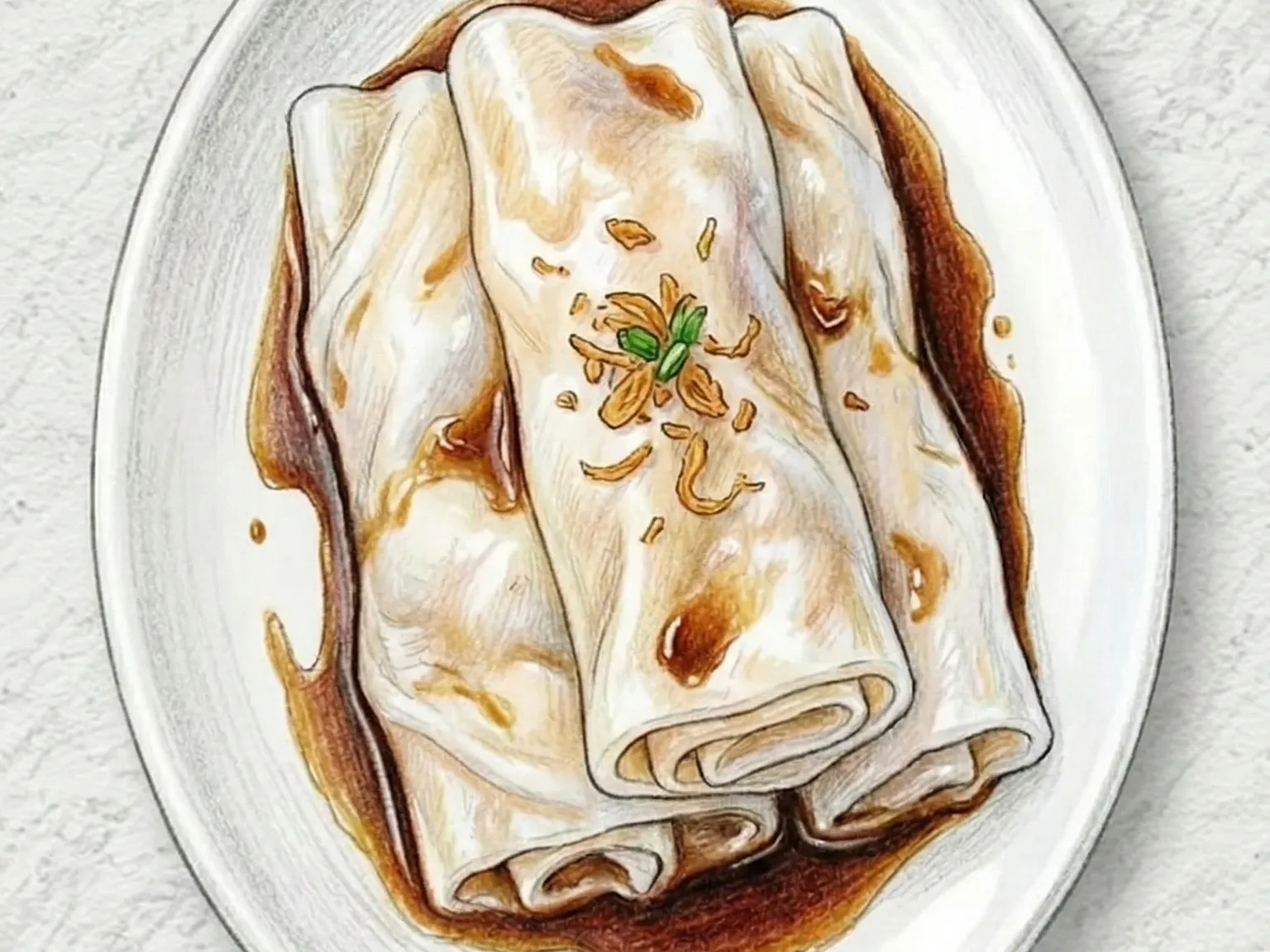
Cheung fun - rice noodle rolls - are a cornerstone of Cantonese dim sum, present on every yum cha table from Hong Kong's tea houses to Guangzhou's morning restaurants. A thin batter of rice flour and tapioca starch is poured onto an oiled steel plate, steamed for under a minute, then peeled off as a translucent, trembling sheet. The sheet is rolled around fillings - shrimp, char siu, or beef - or served plain, its own silky texture being the point. The ratio of rice flour to starch determines everything: too much rice flour and the sheet is stiff; too much starch and it becomes gummy. A lightly sweetened soy sauce is poured over the rolls at the table, pooling in the plate and coating each piece as it is lifted with chopsticks. Street vendors in Hong Kong steam cheung fun on pushcarts, peeling each sheet from a metal drawer with a flat scraper in a motion that draws onlookers. For many dim sum regulars, it is the first dish ordered and the benchmark by which a restaurant is judged.
Adjust Servings
Instructions
- 1
Whisk rice flour, cornstarch, and water into a thin batter.
- 2
Chop shrimp into small pieces.
- 3
Pour a thin layer of batter into a shallow tray and scatter shrimp.
- 4
Steam over high heat for about 2 minutes until translucent.
- 5
Roll the sheet with a scraper and drizzle soy-sugar-sesame sauce before serving.
As an Amazon Associate, we may earn from qualifying purchases.
Tips
Nutrition (per serving)
More Recipes

Lo Mai Gai (Cantonese Lotus Leaf Glutinous Rice with Chicken)
Lo mai gai is one of the most substantial items on a Cantonese dim sum table. Glutinous rice is mixed with diced chicken, shiitake mushrooms, Chinese sausage, and dried shrimp, all seasoned with oyster sauce and soy, then wrapped in dried lotus leaves and steamed until the rice absorbs every bit of flavor from its filling. The lotus leaf does more than hold things together - during steaming it releases a grassy, slightly sweet fragrance that permeates the rice and cannot be replicated by any other wrapper. Unwrapping one at the table is half the experience, the steam carrying that unmistakable aroma upward the moment the leaf unfolds.

Cantonese Har Gow Dumplings
Har gow is the benchmark dumpling of Cantonese dim sum, wrapped in a translucent skin made from wheat starch and tapioca starch mixed with boiling water. The boiling water instantly gelatinizes the starch, producing a pliable, slightly chewy dough unlike anything wheat flour alone can achieve. A small amount of oil kneaded into the dough ensures a smooth, workable surface. The shrimp filling is intentionally chopped coarsely rather than minced fine, so each bite yields a springy, snappy texture. Finely diced bamboo shoots add a subtle crunch that contrasts with the soft shrimp. Seasoning stays minimal, just sesame oil, salt, and white pepper, to foreground the natural sweetness of the shrimp. The dough stiffens quickly as it cools, requiring small-batch work, and the dumplings steam for only six to seven minutes until the wrappers turn glassy and the pink shrimp shows through.

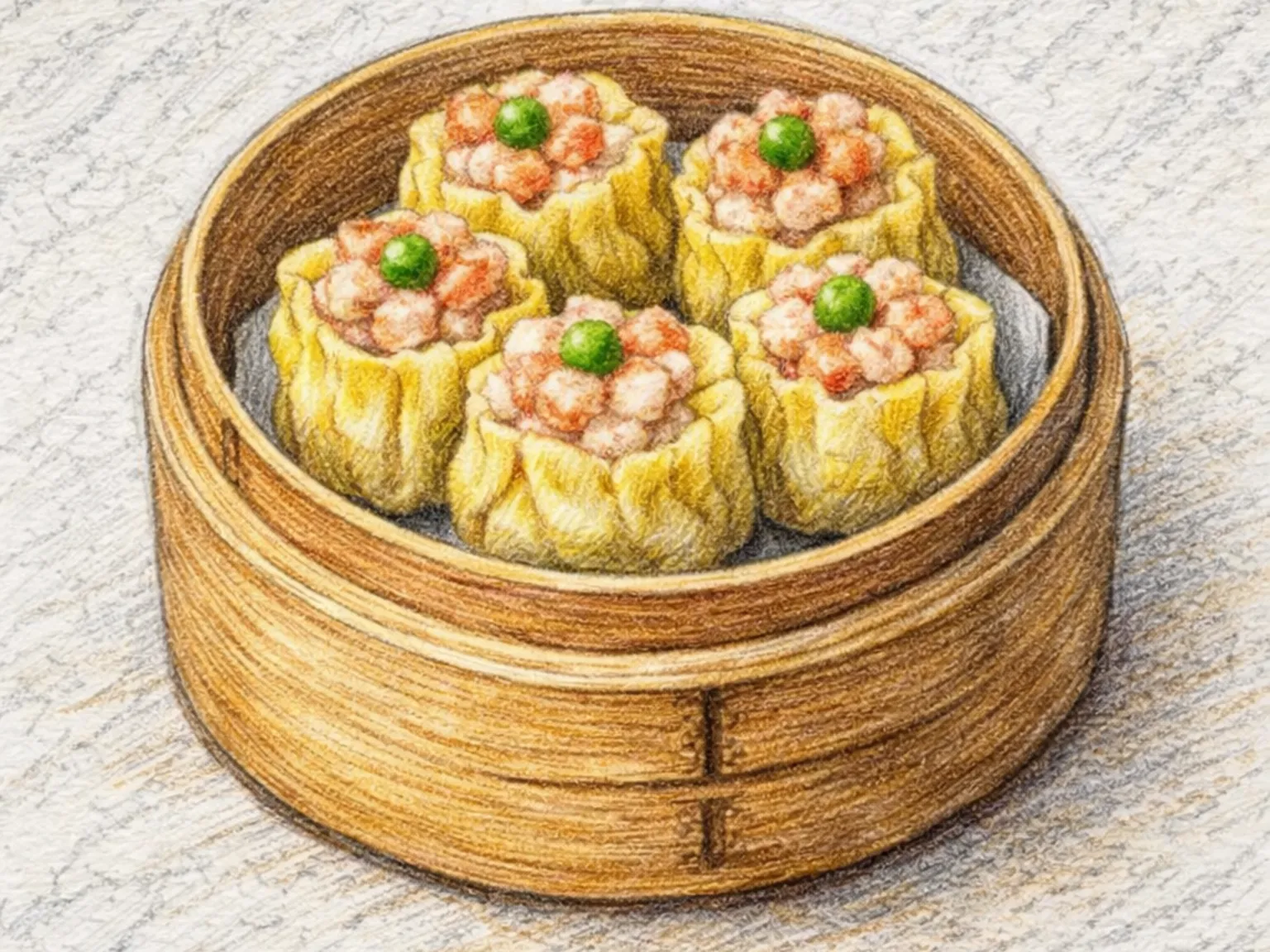
Siu Mai (Cantonese Open-Top Steamed Pork and Shrimp Dumpling)
Siu mai is a Cantonese dim sum dumpling that wraps a seasoned filling of ground pork and chopped shrimp inside a thin wheat wrapper left open at the top. The filling is mixed vigorously with soy sauce, sesame oil, minced ginger, and cornstarch until it develops a sticky, springy texture that holds together when steamed. Shaped into small cylinders with the tops exposed, each dumpling reveals its filling like a tiny cup. A ten-to-twelve-minute stint in a bamboo steamer turns the wrappers translucent and lets the pork and shrimp meld their flavors-earthy pork fat meeting clean, briny sweetness. The cornstarch traps the juices inside so each bite releases a burst of savory liquid. Siu mai is a cornerstone of the yum cha table, eaten alongside tea and other small plates in an unhurried, communal style of dining.

Bao Zai Fan (Cantonese Claypot Rice with Chinese Sausage)
Bao zai fan - claypot rice - is a Cantonese winter dish that has been served in Hong Kong's dai pai dong stalls and Guangzhou's old-quarter restaurants for over a century. Raw rice cooks directly in a heated clay vessel with Chinese sausage, cured meats, or marinated chicken layered on top, so their rendered fats drip down and season the grains as they absorb the liquid. The clay holds heat long after leaving the flame, continuing to toast the bottom layer of rice into a golden, crackling crust called fan jiu - the most coveted part of the dish. A sauce of dark soy, light soy, sugar, and sesame oil is poured over at the table and stirred through, staining the white rice amber and releasing a rush of caramelized soy fragrance. The textural range within a single pot - sticky-soft grains on top, chewy middle layer, and shattering crust at the bottom - is what keeps this dish central to Cantonese comfort food despite the time it demands.

Steamed Pork Ribs with Black Bean Sauce
Douchi paigu is a Chinese-style steamed pork rib dish marinated with fermented black beans, soy sauce, garlic, and cooking wine, then dusted with starch before steaming. The fermented black beans bring a salty, deeply savory funk that permeates the meat during cooking. A thin layer of starch seals the surface, trapping the juices inside so each piece stays moist. A touch of sesame oil adds fragrance at the end. Steaming rather than frying keeps the dish light, and it is one of the most recognizable items on a dim sum menu.

Singapore Rice Noodles (Curry-Spiced Stir-Fried Vermicelli with Shrimp)
Singapore rice noodles are a Cantonese-style stir-fry of thin rice vermicelli tossed with curry powder, shrimp, and mixed vegetables over high heat. The curry powder is bloomed in hot oil at the edge of the wok to unlock its full aroma before being mixed into the noodles. Soy sauce adds seasoning depth, and bean sprouts go in during the last thirty seconds to keep their crunch. Soaking the vermicelli for only eight minutes prevents the noodles from breaking apart during stir-frying.