Chicken Adobo (Filipino Vinegar Soy Braised Chicken)
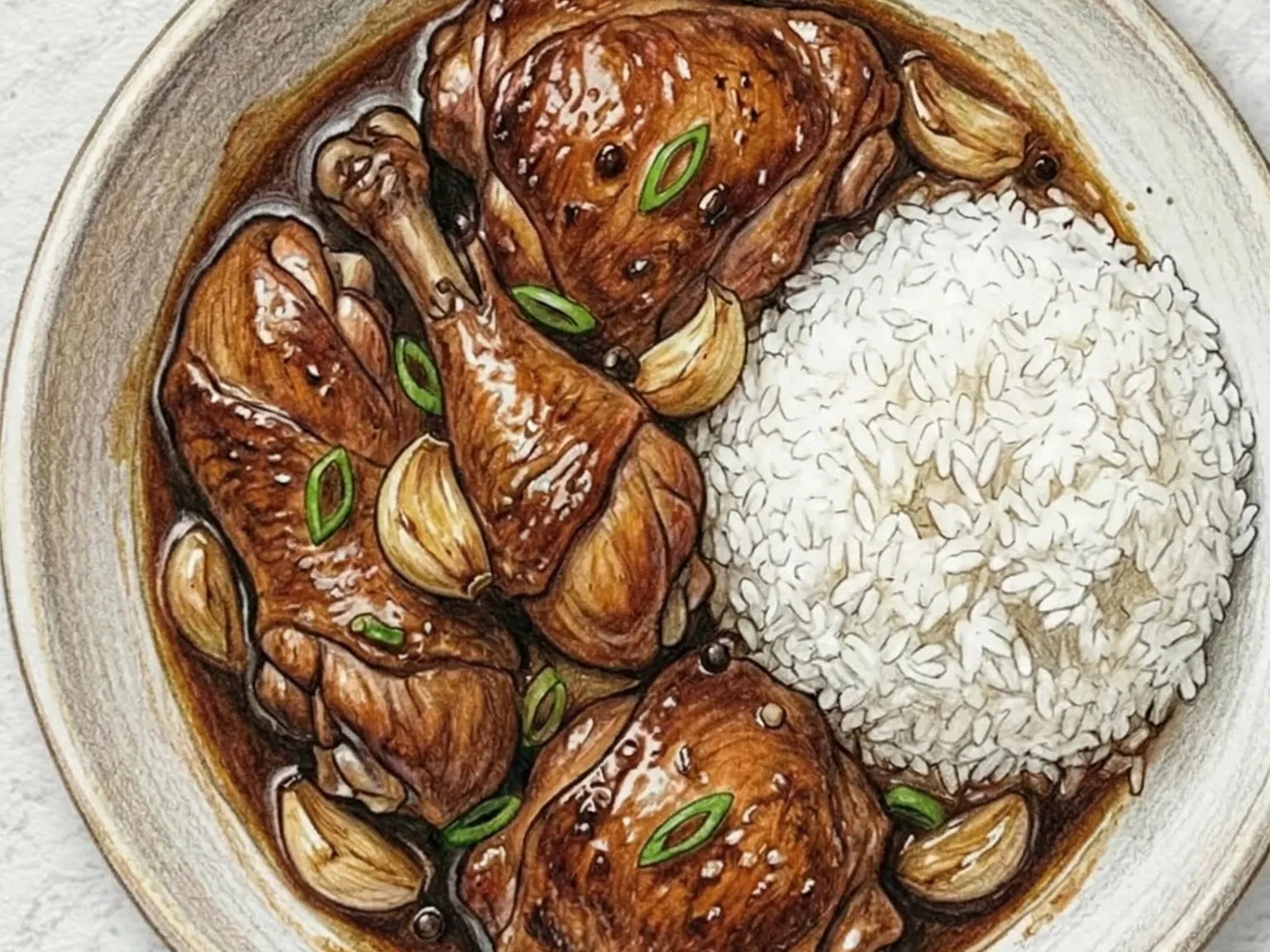
Chicken adobo is the unofficial national dish of the Philippines, rooted in a pre-colonial preservation technique of braising meat in vinegar to extend its shelf life in tropical heat. Chicken simmers uncovered in soy sauce, cane vinegar, crushed garlic cloves, bay leaves, and whole black peppercorns until the sharp acidity of the vinegar mellows into a salty-sour sauce with caramelized depth. Once braised, the chicken is pan-fried until the skin turns golden and crisp, then reunited with the reduced sauce - the moment the crackling skin meets the thick, glossy liquid is the dish's defining pleasure. Every Filipino household has its own ratio of soy to vinegar, and the debate over whose mother makes the best adobo is a national pastime that never resolves. It is always served over steamed white rice, with extra sauce spooned over generously. Adobo famously tastes better on the second day, after the flavors have deepened overnight in the refrigerator.
Adjust Servings
Instructions
- 1
Marinate chicken with soy sauce, garlic, and pepper for 10 minutes.
- 2
Place chicken and marinade in pot and sear lightly.
- 3
Add vinegar, water, and bay leaves; bring to a boil.
- 4
Simmer 25 minutes until sauce reduces.
- 5
Adjust seasoning and serve with rice.
As an Amazon Associate, we may earn from qualifying purchases.
Tips
Nutrition (per serving)
More Recipes

Tinola (Filipino Ginger Chicken Soup with Green Papaya)
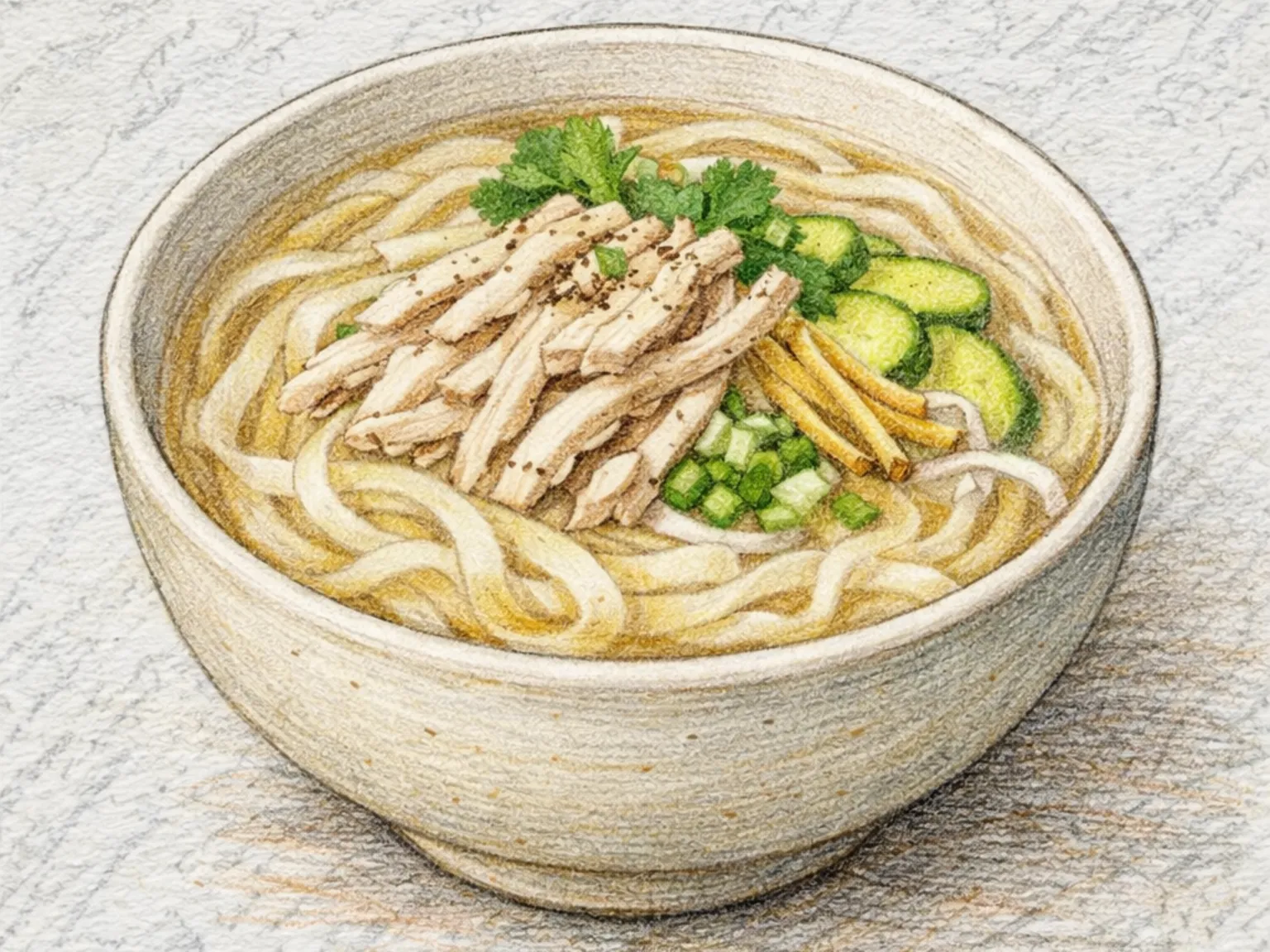
Tinola is a Filipino home-style chicken soup defined by its prominent ginger character and its clear, light broth. The aromatic base is built by sauteing julienned ginger, sliced garlic, and onion in a little oil until fragrant, then adding chicken pieces and cooking them until the surfaces turn opaque. Fish sauce goes in next, providing a salty depth that anchors the broth, followed by a generous pour of water. The chicken simmers until fully tender, at which point wedges of green papaya are added-their mild sweetness and yielding texture complementing the peppery warmth of the ginger. Spinach or other leafy greens are stirred in at the very end, wilting in the residual heat and adding a fresh, verdant note to the bowl. The finished soup is remarkably clean in flavor despite its depth, with the ginger threading through every spoonful as a persistent, warming presence. In Filipino households, tinola occupies the same comforting role that chicken noodle soup holds elsewhere-it is the first dish prepared when someone is unwell or in need of nourishment.

Sinigang na Baboy (Filipino Tamarind Sour Pork Rib Soup)
Sinigang na baboy is the quintessential Filipino sour soup, a dish that appears on family tables across the Philippines with the comforting regularity of a weekly ritual. Pork ribs are simmered until the meat loosens from the bone, then the broth is sharpened with tamarind - either fresh pods pounded and strained, or a spoonful of tamarind paste for convenience. Tomatoes, onions, and daikon radish go in early and soften into the broth, while eggplant, long green beans, finger chilies, and leafy greens like water spinach are added toward the end so they keep their color and bite. The resulting broth is clear, tart, and savory all at once, with the pork fat adding a subtle richness beneath the acidity. Filipinos ladle the soup generously over steamed rice, and the sourness is said to sharpen the appetite rather than satisfy it, which explains why second helpings are almost mandatory.

Chicken Inasal (Bacolod Citrus Lemongrass Grilled Chicken)
Chicken inasal is the signature grilled chicken of Bacolod City in the Western Visayas, so closely tied to the place that it is often called simply 'Bacolod chicken.' The marinade - calamansi juice, cane vinegar, lemongrass, and garlic - works overnight, its acid penetrating deep into the muscle fibers to tenderize while depositing layers of citrus and herb flavor. During grilling over coconut-shell charcoal, the chicken is basted repeatedly with annatto (achuete) oil, which stains the skin a distinctive orange and keeps the surface perpetually moist so it never dries over the coals. The charcoal smoke mingles with the calamansi and lemongrass aromatics to produce a smoky-citrus flavor profile unique to inasal. Bacolod's Manokan Country - an entire street of inasal restaurants - fills with charcoal haze every evening as dozens of stalls grill simultaneously. The chicken is served with garlic rice and a small dish of chicken oil mixed with calamansi for dipping.

Sisig (Filipino Crispy Chopped Pork with Chili and Calamansi)
Sisig is a quintessential Filipino bar food built around chopped pork that is boiled first for tenderness, then pan-fried in butter until the edges turn deeply crisp. Diced onion and fresh chilies are tossed in briefly, adding crunch and a sharp bite that cuts through the richness. Calamansi juice-a small citrus native to the Philippines-brings a tart brightness that lifts the entire dish, while a finishing fold of mayonnaise binds everything together in a creamy coating without dulling the flavor. The mixture is traditionally served on a sizzling cast-iron plate so it arrives at the table still popping and hissing. Each forkful delivers a layered experience: the crunch of the fried pork, the cool tang of citrus, and the lingering heat of the chili. Sisig is inseparable from Filipino drinking culture and remains one of the country's most iconic street-to-table dishes.

Korean Soy Braised Chicken with Glass Noodles
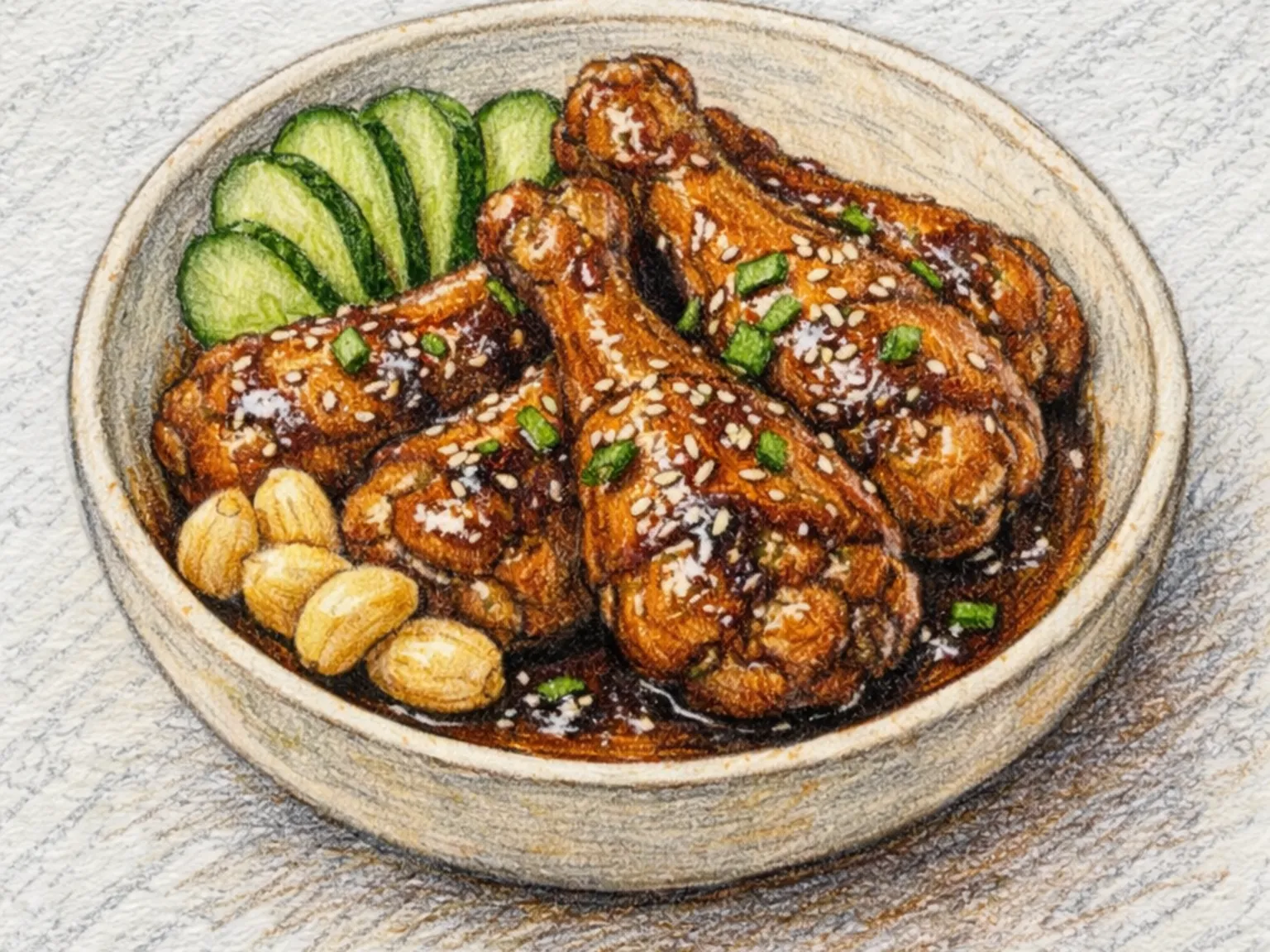
Jjimdak is a Korean braised chicken dish originating from the Andong region, featuring bone-in chicken, potatoes, and glass noodles simmered in a soy sauce, sugar, and garlic glaze. The soy-based sauce soaks into the chicken and potatoes, delivering a salty-sweet depth in every bite. Glass noodles swell as they absorb the braising liquid, becoming chewy and flavorful, while potatoes turn soft and starchy. As the dish reduces, the sauce thickens into a glossy coating that clings to each piece, making it irresistible over rice.

Chicken Pot Pie
Chicken pot pie fills a butter pie crust with chicken, carrots, potatoes, and peas bound in a creamy roux-based sauce, then bakes until the top turns golden and the filling bubbles. The roux - butter cooked with flour - thickens into a rich sauce when chicken broth and heavy cream are whisked in, coating every piece of filling. Pre-boiling the carrots and potatoes ensures they cook through evenly within the oven time, while peas go in last to keep their color and slight crunch. Brushing the top crust with egg wash produces a glossy, deeply golden surface during baking. After 35 minutes at 200 degrees Celsius, the filling should be visibly bubbling at the edges, and breaking through the flaky crust reveals the thick cream sauce underneath.