Chicken Curry
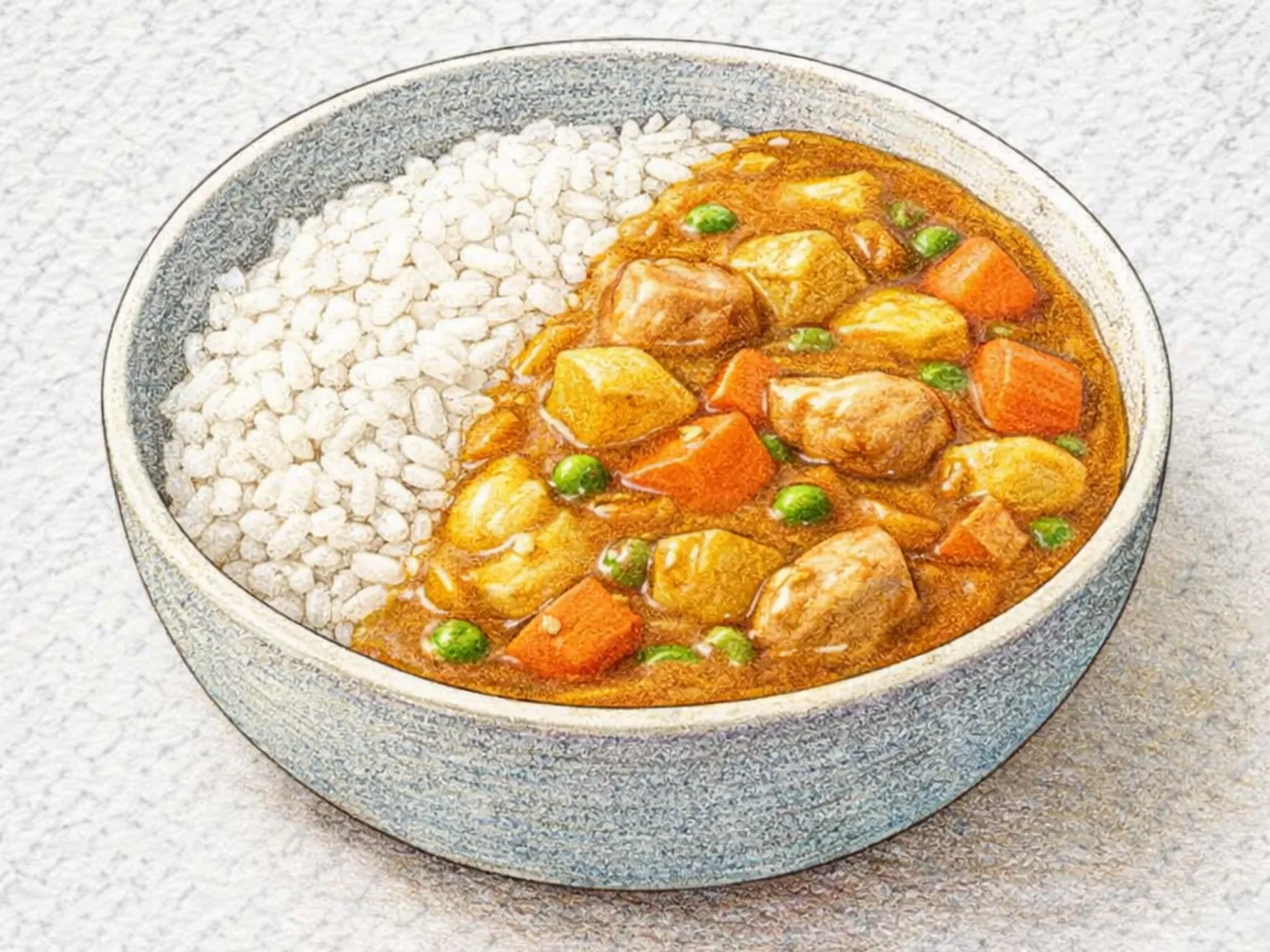
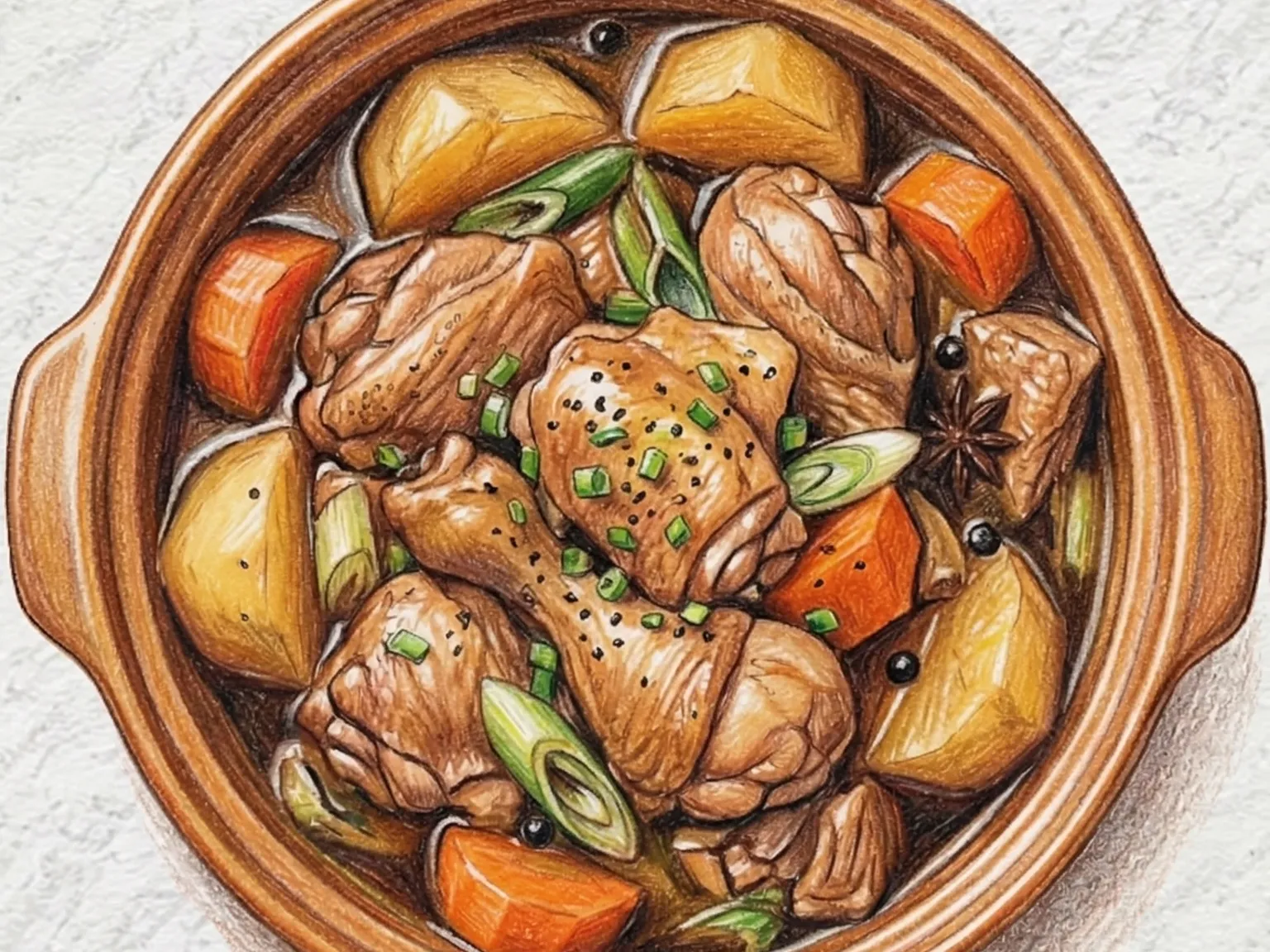
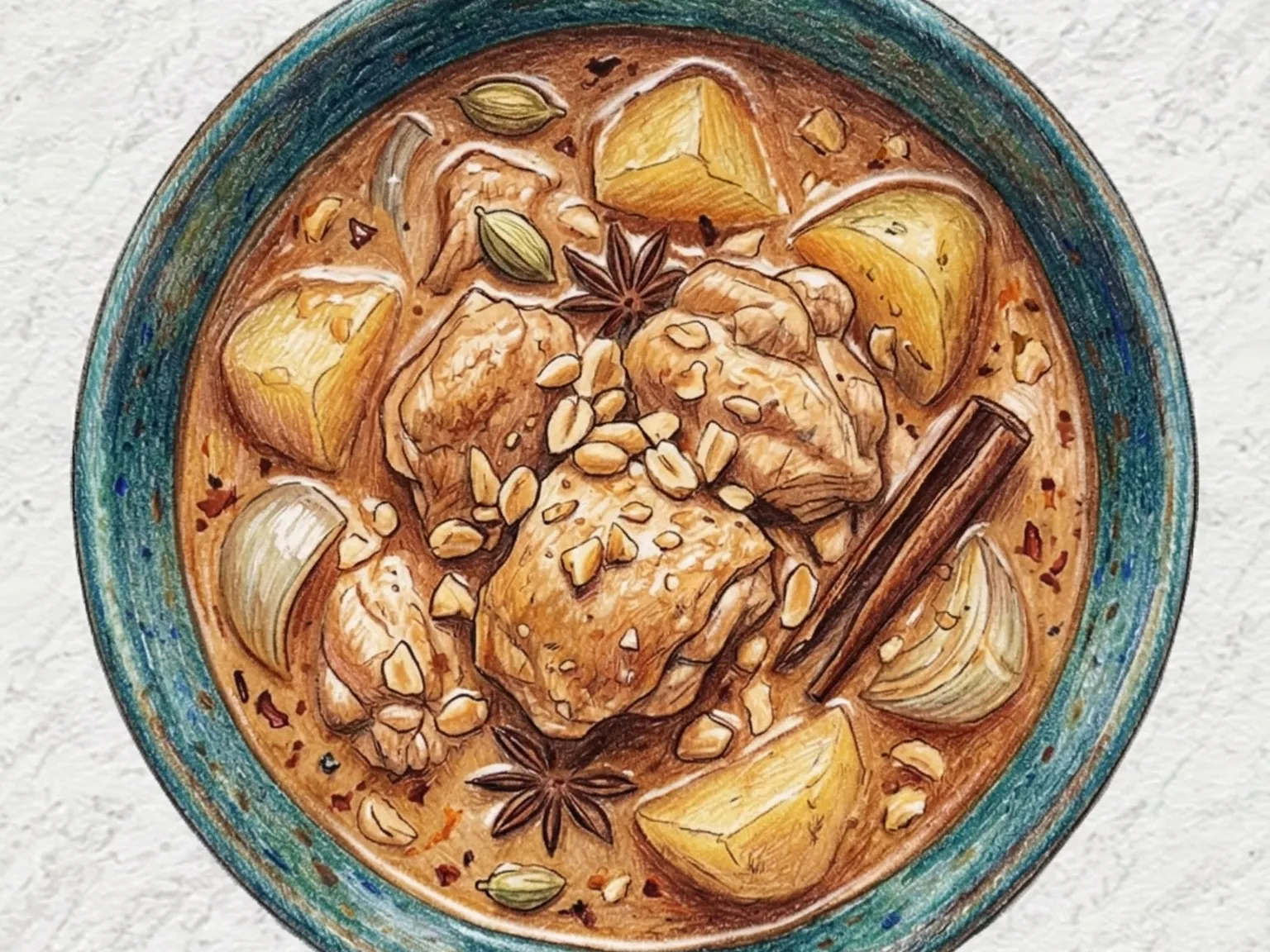
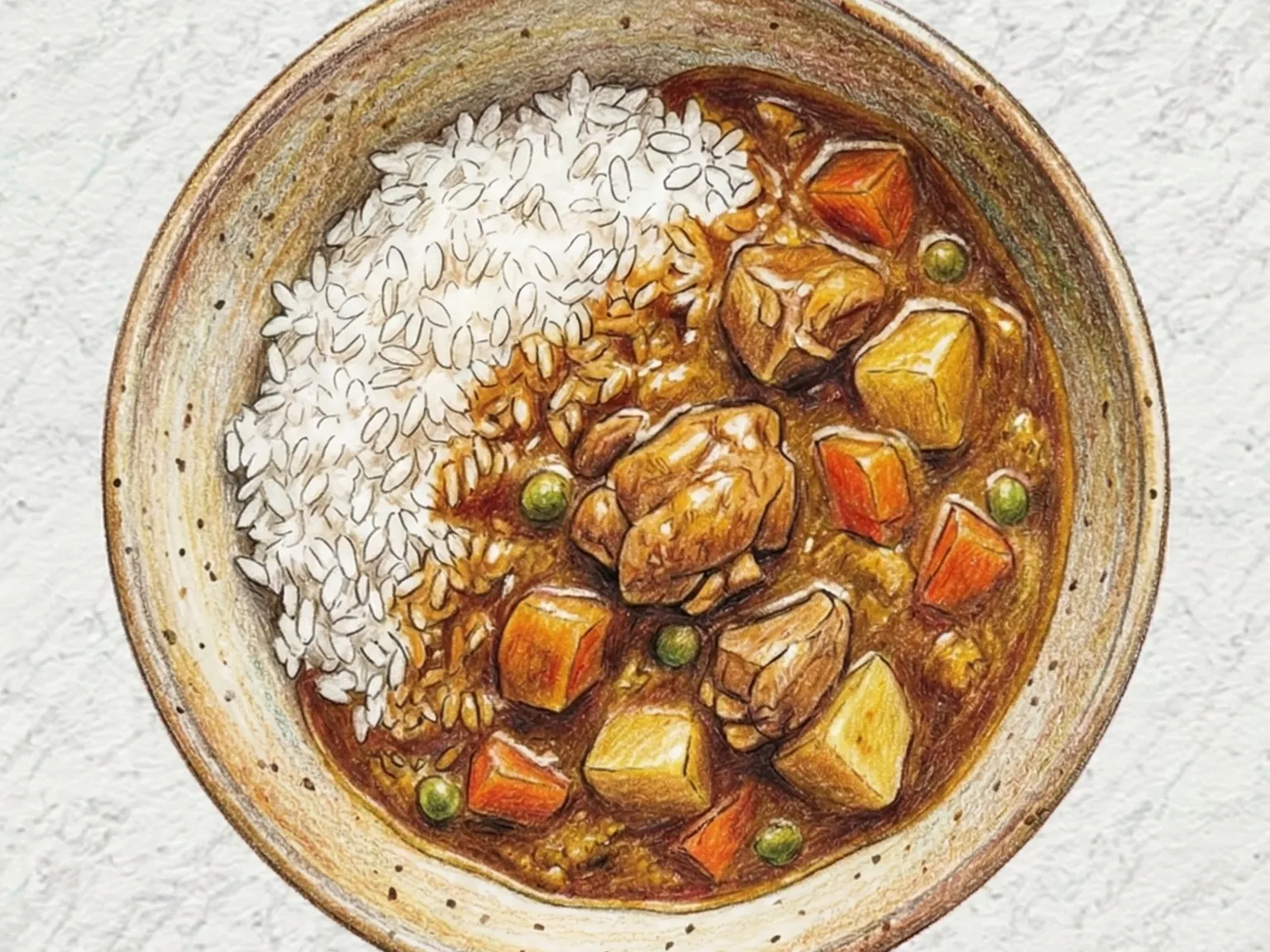
Chicken curry is one of the world's most universal dishes, adapted as it traveled from the Indian subcontinent through Japan and into Korea, each culture reshaping it to local taste. The Japanese-style version uses a flour-and-butter roux for a thick, mild sauce, while Indian preparations build complexity by browning onions deeply and layering whole and ground spices with tomato. Chicken, potato, carrot, and onion simmer together until the vegetables release their starch and sweetness into the sauce, creating a velvety body. The essential pleasure is spooning the curry over steamed rice and watching it seep between the grains. Leftover curry reheated the next day tastes notably deeper - the Japanese call this nikkame no curry (second-day curry) and many prefer it to the fresh pot, as the spice compounds have had time to meld and the starches further thicken the sauce.
Adjust Servings
Instructions
- 1
Cut 600g chicken thigh into bite-size pieces and season lightly with salt and pepper.
- 2
Chop 2 onions, 2 potatoes, and 1 carrot into large chunks.
- 3
Heat oil in a pot and sear the chicken for 3-4 minutes until lightly browned, then remove.
- 4
In the same pot, cook onions for 6-8 minutes until sweet and soft, then add potato and carrot for 2 more minutes.
- 5
Add 900ml water, return the chicken, bring to a boil, then simmer for 15 minutes.
- 6
Turn off heat, dissolve 120g curry roux completely, then simmer on low for 8-10 minutes while stirring.
- 7
Taste and adjust seasoning if needed, then serve with rice.
As an Amazon Associate, we may earn from qualifying purchases.
Tips
Nutrition (per serving)
More Recipes

Katsu Curry
Katsu curry combines two Japanese comfort food staples on one plate: a thick, breaded pork cutlet and a smooth, glossy curry sauce over rice. The pork loin is seasoned with salt and pepper, then coated in flour, beaten egg, and panko breadcrumbs whose coarse, jagged flakes create a rougher surface that fries up crunchier than fine breadcrumbs. The cutlet deep-fries at 170 degrees Celsius for four to five minutes until deep golden, then rests for two minutes so the residual heat finishes cooking the center while the juices redistribute. The curry sauce is prepared separately by sauteing onion and carrot, simmering in water until soft, then dissolving the curry roux on low heat until thick. Resting the curry overnight intensifies its flavor as the vegetables break down further. When plated, the curry occupies one side and the sliced katsu the other, so the crust stays crisp until deliberately dipped into the sauce.

Thai Chicken Fried Rice
Khao pad gai is Thai chicken fried rice, arguably the most ubiquitous single-plate meal in the country. Bite-size pieces of chicken - breast or thigh - are seared quickly in a screaming-hot wok before garlic and egg join in rapid succession. Day-old jasmine rice goes in next, and the cook tosses everything with practiced speed so each grain picks up oil and flavor without turning soggy. Fish sauce anchors the seasoning, soy sauce deepens the color, and a dusting of white pepper adds gentle warmth. The finished mound of rice is turned onto a plate and garnished with a lime wedge, sliced cucumber, and tomato. Diners adjust the final flavor at the table with fish sauce, dried chili flakes, sugar, and vinegar - the four-condiment set found on virtually every Thai table. It is a meal that satisfies at any hour of the day.

Chicken Curry Rice
Chicken curry rice is a Japanese-style curry where bite-sized chicken thigh, potato, carrot, and onion simmer together until the curry roux melts into a thick, glossy sauce. The spice blend is gentle rather than fiery, with a mellow sweetness drawn from the slowly cooked vegetables. Chicken thigh stays moist and succulent even after prolonged simmering, absorbing the curry flavor throughout. The potatoes break down slightly at the edges, thickening the sauce further and giving it a starchy body that clings to each spoonful of rice. It is a one-pot dish that scales easily - make a large batch and it tastes even better the next day as the flavors meld further, making it ideal for family dinners or weekly meal prep.

Korean Chicken Rice Porridge
Dakjuk is a Korean chicken rice porridge built from a simple foundation: a whole chicken breast poached in water until tender, then shredded along the grain and returned to the broth with soaked rice. The rice is first sauteed briefly in sesame oil with minced garlic to coat each grain before the stock goes in, which adds a subtle nuttiness to the finished porridge. As the rice simmers and breaks down over twenty-five minutes of patient stirring, it releases starch that thickens the liquid into a smooth, flowing consistency. The chicken contributes lean protein without heaviness, and the garlic mellows into a gentle warmth rather than a sharp bite. Sliced green onion scattered on top provides a fresh contrast. Dakjuk has been a go-to restorative meal in Korean households for generations - eaten when the body is recovering, when the stomach needs rest, or simply when a warm, undemanding breakfast is what the morning calls for.

Mitsuba Oyakodon (Japanese Chicken Egg Rice Bowl with Mitsuba Herb)
Mitsuba oyakodon is a variation of Japan's classic chicken-and-egg rice bowl that adds mitsuba - Japanese wild parsley - as a finishing herb. Chicken thigh and sliced onion are simmered in a sauce of dashi, soy sauce, and mirin until the chicken is cooked through, then beaten eggs are poured over and left to set into a soft, barely-set custard. Mitsuba leaves are scattered on top just before the lid goes on, wilting slightly in the residual heat and releasing a clean, celery-like fragrance that lifts the richness of the egg and chicken. The whole mixture is slid over a bowl of steamed rice. It is everyday home cooking in Japan - quick to prepare yet dependent on timing, since overcooking the egg by even a minute changes the texture entirely.

Chicken Pot Pie
Chicken pot pie fills a butter pie crust with chicken, carrots, potatoes, and peas bound in a creamy roux-based sauce, then bakes until the top turns golden and the filling bubbles. The roux - butter cooked with flour - thickens into a rich sauce when chicken broth and heavy cream are whisked in, coating every piece of filling. Pre-boiling the carrots and potatoes ensures they cook through evenly within the oven time, while peas go in last to keep their color and slight crunch. Brushing the top crust with egg wash produces a glossy, deeply golden surface during baking. After 35 minutes at 200 degrees Celsius, the filling should be visibly bubbling at the edges, and breaking through the flaky crust reveals the thick cream sauce underneath.