Chicken Provençal (South French Tomato Olive Herb Chicken)
Western Medium

Chicken Provençal (South French Tomato Olive Herb Chicken)

Quick answer

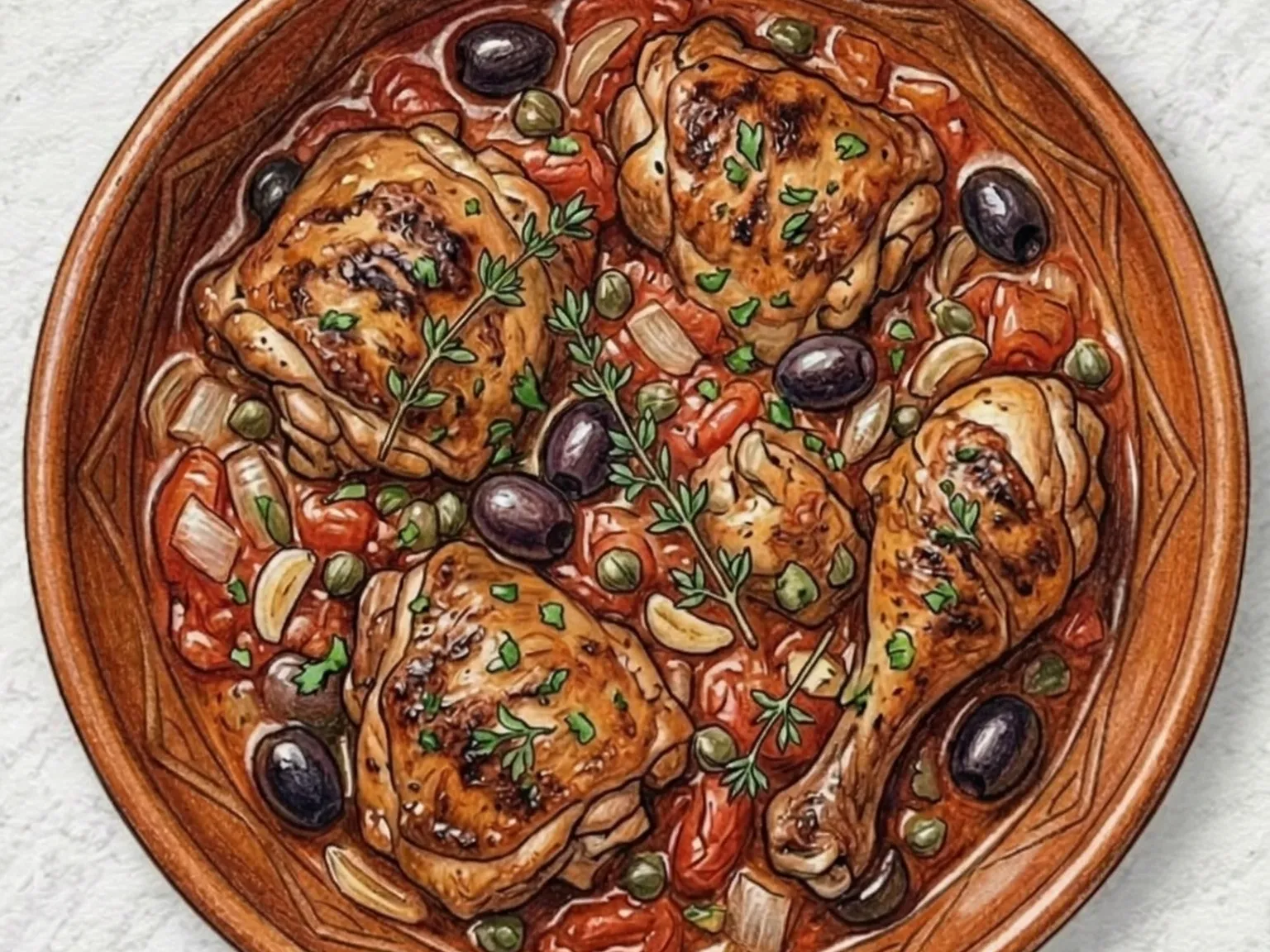
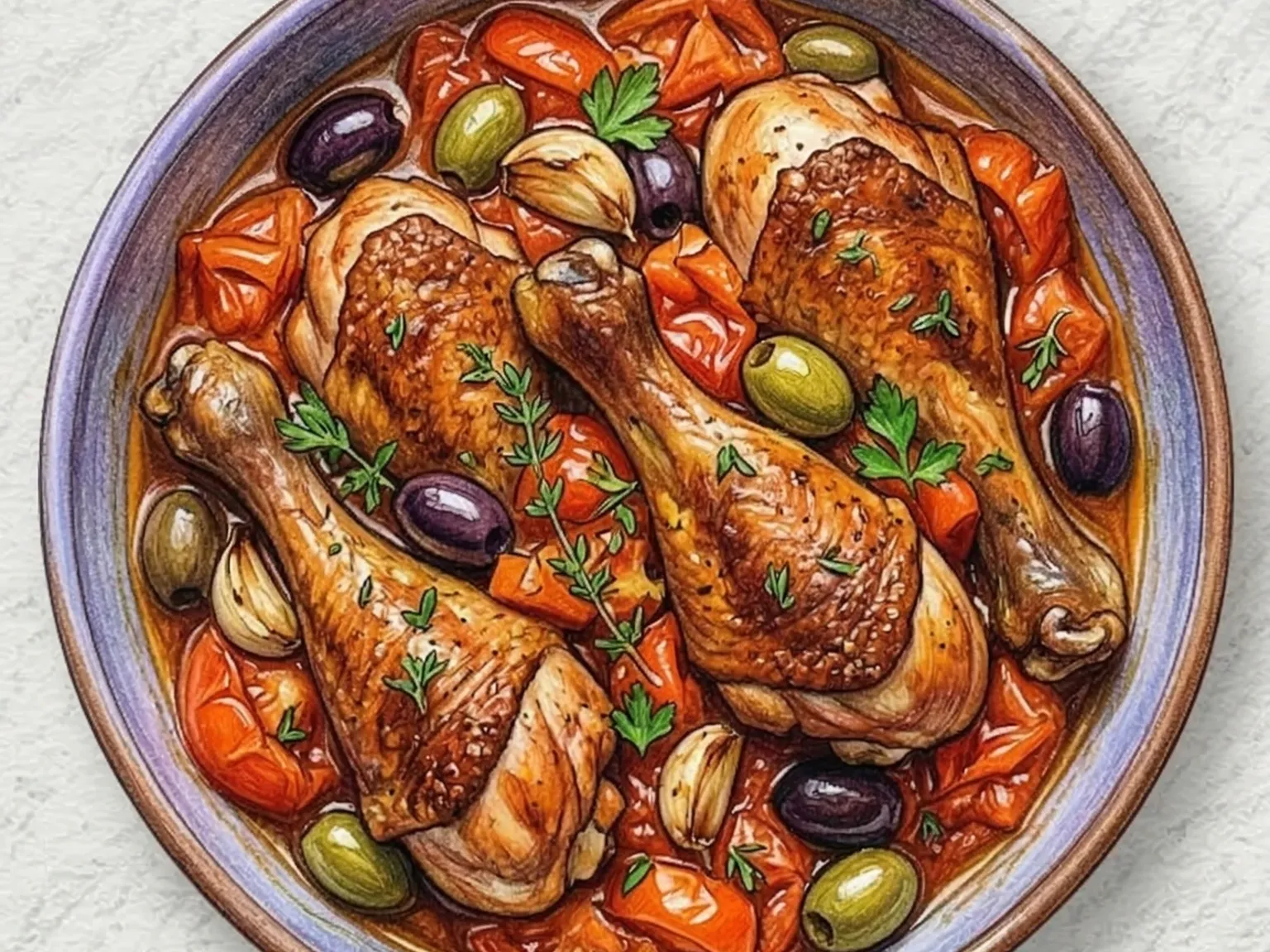
Chicken Provencal sears chicken thighs skin-side down on high heat until deeply golden, then braises them with cherry tomatoes, black olives, capers, garlic, and thyme in...

What makes this special

  • Chicken thighs sear skin-side down until deeply golden before braising in white wine with olives, capers, and thyme.
  • Skin seared hard before braising retains crispness even after 40 minutes simmering
  • Cherry tomato, black olive, caper, and thyme form a Provencal herb base
Total time
60 min
Level
Medium
Servings
4 servings
Ingredients
11
Calories
520 kcal
Protein
37 g

Key ingredients

Chicken ThighsCherry TomatoesOnionGarlicBlack Olives

Core cooking flow

  1. 1 Pat 800 g chicken thighs dry, then season evenly with 1 tsp salt and 1/2 tsp black pepper.
  2. 2 Heat a wide pan well over high heat, then add 2 tbsp olive oil.
  3. 3 Sear until the skin is deeply golden and a brown layer of fond forms on the pan bottom.

Chicken Provencal sears chicken thighs skin-side down on high heat until deeply golden, then braises them with cherry tomatoes, black olives, capers, garlic, and thyme in white wine for a southern French home-style dish. A prolonged sear of the chicken skin develops both crispness and a rich layer of fond on the pan bottom, which the wine dissolves into the sauce during deglazing. As the cherry tomatoes burst during cooking, their juice combines with the salty olives and sharp capers to form a bright, layered Mediterranean sauce. Twenty minutes of covered simmering followed by eight to ten minutes uncovered concentrates the sauce and allows it to penetrate the chicken deeply. A small amount of lemon zest stirred in at the end clarifies and lifts the aromatics of the finished dish. Using whole unpitted olives rather than pitted ones during cooking lets a slight bitterness leach from the pits into the sauce, adding an extra dimension that rounds out the sweetness of the tomatoes.

Prep 20min Cook 40min 4 servings

Instructions

Read the steps as a cooking flow: prep, heat, seasoning, doneness control, and finish.

6 steps
  1. 1
    Season

    Pat 800 g chicken thighs dry, then season evenly with 1 tsp salt and 1/2 tsp black pepper.

    Let them rest for 10 minutes while preparing the onion, garlic, and cherry tomatoes for quick cooking later.

  2. 2
    Control

    Heat a wide pan well over high heat, then add 2 tbsp olive oil.

    Place the chicken skin-side down without crowding, working in batches if needed, so the pieces brown instead of steaming.

  3. 3
    Heat

    Sear until the skin is deeply golden and a brown layer of fond forms on the pan bottom.

    Turn the chicken, cook the other side for just 1 minute, then transfer it out temporarily.

  4. 4
    Control

    Add 120 g onion and 20 g garlic to the same pan and cook over medium heat for 3 minutes.

    When the onion turns translucent, pour in 120 ml white wine and scrape up the browned bits.

  5. 5
    Control

    Add 250 g cherry tomatoes, 80 g black olives, 1 tbsp capers, 1 tbsp fresh thyme, and the chicken back to the pan.

    Cover and simmer over medium heat for 20 minutes, until the tomatoes soften and start to burst.

  6. 6
    Finish

    Uncover and simmer for 8-10 minutes more, until the sauce lightly coats a spoon.

    Check the seasoning, add a little lemon zest if available, and serve the chicken with the vegetables and plenty of sauce.

After the steps

Pick a recipe that fits this dish.

Continue with shared ingredients, meal pairings, or a similar method.

Recipes That Go Well With This

More Western →

Based on shared ingredients and meal pairing

Chicken Chasseur
Shared ingredient: boneless chicken thigh Western

Chicken Chasseur

Chicken chasseur is a French braised chicken dish where thighs are seared skin-side down until the skin renders crispy and golden, then set aside while button mushrooms, shallots, and garlic are sauteed in the same pan with butter. White wine goes in next to deglaze the fond left on the bottom of the pan, and after the wine reduces by half, tomato puree, chicken stock, and fresh thyme sprigs go in before the seared chicken returns to the pot for a covered braise of twenty-five minutes. The initial searing step is not optional from a flavor standpoint, because the caramelized residue left on the pan, the fond, is the primary source of the sauce's roasted depth. Rushing the sear causes the skin to stick and tear, and results in a paler, thinner-tasting sauce. Mushrooms need to be spread out in a single layer in a hot, wide pan so they brown before their moisture escapes, since crowding them generates steam that leaves them pale and soft rather than giving them the earthy intensity the dish depends on. As the wine reduces, its acidity concentrates and sharpens, which is what makes the sauce bright enough to balance the richness of the braised chicken. Tomato puree adds a quiet, rounded sweetness and deepens the red color of the sauce, while thyme brings an herbal warmth that accumulates slowly over the course of the braise. Removing the lid for the final five minutes allows the sauce to thicken to the right consistency. Mashed potatoes or crusty bread served alongside catch every bit of the sauce.

Ratatouille
Shared ingredient: onion Western

Ratatouille

Ratatouille is a vegetable dish originating from the Provence region of France. It consists of eggplant, zucchini, tomato, and bell pepper, all of which are sliced into thin rounds. These vegetables are layered in overlapping circular patterns on top of a prepared sauce base before being placed in an oven for slow baking. The foundational sauce for this preparation begins by sauteing a combination of onion, garlic, and finely diced bell pepper in olive oil. As the dish cooks in the oven, the moisture that is naturally released from the layered vegetables combines with this sauteed base. This process results in the formation of a sauce that thickens naturally without the need for additional agents. Ensuring that every vegetable is cut to a precise and uniform thickness is a critical part of the preparation process. When the slices are inconsistent in size, the cooking results will be uneven, causing some thinner pieces to become overly soft or mushy while thicker pieces remain insufficiently cooked. The addition of thyme provides a subtle herbal quality that serves to enhance the inherent sweetness found in the various vegetables. While the dish can be eaten immediately, placing it in the refrigerator overnight and reheating it the following day allows the vegetable juices to integrate more thoroughly with the sauce. This resting period leads to a significant deepening of the overall flavor profile as the components merge together.

Beet and Goat Cheese Salad
Serve together Salads

Beet and Goat Cheese Salad

Beet and goat cheese salad begins with whole beets wrapped in foil and roasted at 200°C for forty-five to sixty minutes, long enough for their raw, earthy undertone to convert almost entirely into a concentrated, caramel-adjacent sweetness. Peeling the skins while the beets are still warm requires only the pressure of a paper towel - they slip off cleanly - and slicing them before they cool preserves the vivid crimson-purple cross-section that makes the dish visually striking. Crumbled goat cheese placed on the warm slices softens slightly, and its tangy acidity cuts through the dense sweetness of the roasted root rather than competing with it. Walnuts toasted briefly in a dry pan lose much of their raw bitterness, developing a nuttiness that bridges the mineral quality of the beet and the dairy sharpness of the cheese. Balsamic reduction does more than dress the plate: its concentrated sweet-tart intensity ties the separate components into a coherent whole. Arugula underneath the beet slices provides a peppery bitterness that sharpens the contrast against the sweetness, giving the salad a complexity well beyond what its short ingredient list suggests. A simple dressing of extra-virgin olive oil and lemon juice over the greens keeps the balance light and clear.

Coq au Vin (French Red Wine Braised Chicken with Mushrooms)
Similar recipe Western

Coq au Vin (French Red Wine Braised Chicken with Mushrooms)

Coq au vin is a French braise in which chicken pieces are cooked slowly in red wine until the flesh is tender enough to pull apart and the braising liquid has reduced into a glossy, deeply flavored sauce. The process begins by browning the chicken in batches over high heat, creating a caramelized crust that seals in juice and deposits flavor into the fond at the bottom of the pan. Bacon lardons, shallots, and garlic are cooked next in the same pan, adding savory, aromatic layers before the wine deglazes the accumulated fond. Chicken stock and a small amount of tomato paste deepen the body of the braise, and forty-five minutes of covered, low simmering allows the wine's tannins and fruit to permeate the meat completely. Mushrooms are added in the final fifteen minutes to prevent them from turning mushy during the long cook. Reducing the sauce after the chicken is removed concentrates it to a consistency that coats the back of a spoon, and whisking in cold butter at the end produces a glossy sheen and a silky mouthfeel. The dish improves significantly if made a day ahead and refrigerated overnight, as the rest allows the wine, meat, and aromatics to integrate more fully. When reheated the following day, the sauce is noticeably richer and more cohesive than it was straight from the pot.

Serve with this

Blue Crab Lemon Garlic Pasta
Pasta Medium

Blue Crab Lemon Garlic Pasta

Blue crab lemon garlic spaghetti starts by slowly warming thinly sliced garlic in olive oil over low heat until fragrant - pale gold, not browned. Crab meat and a splash of rice wine go in next to cook off any raw marine smell before butter is added and stirred until it melts into the oil. Starchy pasta water emulsifies the fat into a thin, glossy sauce that coats each strand of spaghetti evenly without heaviness, carrying a clean, oceanic flavor throughout. Lemon zest and juice are added only after the heat is turned off - adding them while the pan is still hot drives off the volatile citrus aroma before it reaches the plate. Keeping the garlic just short of golden, pale and softened rather than browned, is what separates a clean, nutty depth from an acrid bitterness that would overpower the crab. Fresh crab meat, picked directly from a live blue crab, delivers a noticeably sweeter flavor than thawed frozen product and is worth the extra effort when in season.

🍺 Bar Snacks 🎉 Special Occasion
Prep 15min Cook 18min 2 servings
Korean Crispy Potato Pancake
Drinks Easy

Korean Crispy Potato Pancake

Gamja-jeon is a Korean potato pancake made by finely grating raw potatoes, letting the starch settle out of the liquid for at least ten minutes, discarding the water, and folding the settled starch back into the pulp to improve binding. Waiting long enough for full starch separation is what gives the batter enough cohesion to hold together when the pancake hits the hot pan. Spreading the batter as thinly as possible produces glass-crisp edges while the center retains a chewy, starchy bite characteristic of potato starch. The first side must cook all the way through and the underside must firm up completely before any attempt to flip, and using two spatulas simultaneously makes the turn fast enough to keep the pancake intact. Frying both sides over medium heat until evenly golden delivers a crust that is crisp on the outside while the center stays moist. A dipping sauce of soy sauce, vinegar, and minced cheongyang green chili cuts through the oily richness with sharpness and heat.

🍺 Bar Snacks ⚡ Quick
Prep 15min Cook 12min 2 servings
Honey-Filled Rice Cakes (Steamed Glutinous Rice with Brown Sugar Syrup)
Desserts Easy

Honey-Filled Rice Cakes (Steamed Glutinous Rice with Brown Sugar Syrup)

Kkultteok are bite-sized Korean rice cakes made by kneading glutinous rice flour with hot water, wrapping each 20-gram round of dough around a filling of dark brown sugar, ground cinnamon, and chopped walnuts, then steaming for eight to ten minutes. After steaming, a light brush of sesame oil gives the surface a sheen and keeps the pieces from sticking together, and a final roll in roasted soybean powder adds a dry, nutty outer coating. Biting through the soft, chewy shell releases a pool of melted brown sugar syrup with cinnamon warmth, while the walnut fragments provide crunch against the sticky interior. The most critical step is pinching the dough seam shut as tightly as possible: if the seal fails during steaming, the molten brown sugar syrup leaks out and the rice cake ends up hollow and dry.

🎉 Special Occasion 🧒 Kid-Friendly
Prep 25min Cook 10min 4 servings

Similar recipes

Chicken Fricassee (French White Wine Cream Braised Chicken)
Western Medium

Chicken Fricassee (French White Wine Cream Braised Chicken)

Chicken fricassee is a French white braise where chicken thighs are lightly seared, just enough to firm the surface without deep browning, then set aside while mushrooms, onion, and garlic are sauteed in butter and dusted with flour to form a roux. Chicken stock is whisked in to dissolve the roux into a smooth base, the chicken returns for a twenty-five-minute covered simmer, and heavy cream is added for a final ten minutes of gentle reduction. The deliberately light sear is what distinguishes fricassee from darker braises; heavy browning would muddy the pale, delicate sauce. Drying the chicken thoroughly before it touches the pan is important: surface moisture causes the pan temperature to drop sharply, making it harder to develop even the modest color the dish calls for. When building the roux, the flour should cook in the butter for an extra minute or two after it is fully absorbed so the raw starch taste cooks out and the roux disperses smoothly when the stock is added. The roux provides body without heaviness, and the cream transforms the broth into a silky coating that clings to the meat. Mushroom earthiness and onion sweetness emerge quietly within the cream. Bread or boiled potatoes are the traditional side, used to soak up the sauce completely.

🎉 Special Occasion 🍺 Bar Snacks
Prep 15min Cook 45min 4 servings
Olive Herb Flat Bread (Leaf-Shaped Provencal Bread)
Baking Hard

Olive Herb Flat Bread (Leaf-Shaped Provencal Bread)

Fougasse is a flatbread from Provence in southern France, shaped with decorative slashes that resemble a leaf or wheat sheaf. The dough is enriched with olive oil and studded with Kalamata olives, rosemary, and thyme, distributing pockets of briny, herbal flavor throughout the bread. The distinctive cuts serve more than an aesthetic purpose - they increase the crust-to-crumb ratio dramatically, so thinner sections bake to a crackling crispness while thicker areas remain soft and chewy. This variation in texture within a single piece is what makes fougasse more interesting than a uniform loaf. The surface is brushed with olive oil before baking, which produces a golden, glossy finish. Best eaten warm, when the aromatic oils from the herbs and olives are most volatile. It pairs naturally with southern French dishes, charcuterie boards, or a simple bowl of good olive oil for dipping.

🎉 Special Occasion 🧒 Kid-Friendly
Prep 30min Cook 20min 4 servings
French Baguette
Baking Hard

French Baguette

A baguette is a traditional French bread made from only four ingredients: bread flour, water, yeast, and salt. Because the formula strips away every variable beyond technique, the final quality is determined almost entirely by the precision of fermentation management and the confidence of the baker at each stage. A hydration level of seventy percent or higher is required to develop the open, irregular crumb structure that defines the interior; dough that is too dry will close up in the oven and produce a dense, uniform crumb with none of the characteristic airy pockets. A long first fermentation builds layers of acidity and deep wheat flavor that a short rise simply cannot provide, and during shaping the dough should be handled with restraint, using only gentle folds that preserve the large gas bubbles rather than pressing them out. Scoring lines, known as coupes, cut along the top surface control the direction of oven spring; the blade must be sharp enough and the movement decisive enough that the dough does not drag and tear beneath it. Introducing steam into the oven during the first ten to fifteen minutes of baking prevents the crust from setting prematurely, giving the loaf room to expand fully before the surface dries and crisps into its signature crackling shell. A well-made baguette crackles audibly when squeezed and, when sliced, reveals an interior cross-section showing holes of varied sizes scattered unevenly through the crumb. The day it is baked is the day it should be eaten; once the crust begins to soften as it cools, something irreplaceable is lost.

🎉 Special Occasion 🧒 Kid-Friendly
Prep 30min Cook 25min 2 servings

Tips

Avoid overcrowding the pan, or the chicken will steam instead of brown.
A little lemon zest at the end brightens the flavor.

Nutrition (per serving)

Calories
520
kcal
Protein
37
g
Carbs
11
g
Fat
34
g