Chiffon Cake (Oil Meringue Airy American Tube Cake)
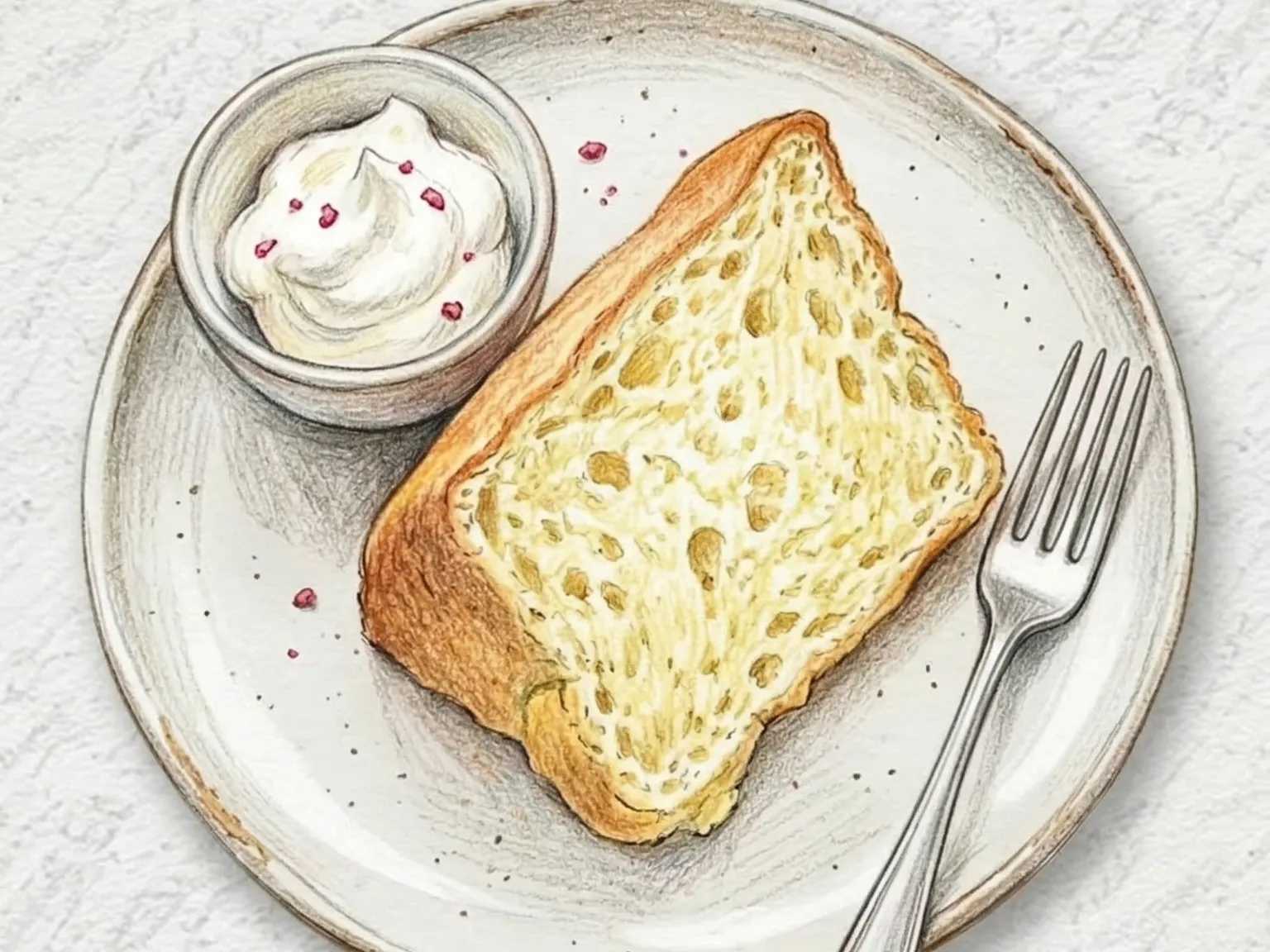
Chiffon cake occupies the middle ground between the richness of a butter cake and the airiness of an angel food cake. Vegetable oil replaces butter, which means the crumb stays soft and moist at any temperature rather than firming as it cools. The batter is built in two stages: a smooth mixture of egg yolks, oil, flour, and water, into which a stiff meringue of egg whites is gently folded. The meringue introduces the air that gives chiffon its extraordinary lightness. After baking, the cake is cooled upside down in the pan to prevent it from collapsing under its own weight. The result is tall, springy, and almost impossibly tender - pressing a finger into the surface leaves no permanent dent. On its own, chiffon cake is mild and understated, which makes it an ideal canvas for whipped cream, fresh fruit, or flavored glazes.
Adjust Servings
Instructions
- 1
Mix yolks with oil, milk, half the sugar, then add flour.
- 2
Whip whites with remaining sugar to stiff meringue.
- 3
Fold meringue into yolk batter in three additions.
- 4
Pour into tube pan and bake at 170C for 50 minutes.
- 5
Invert immediately and cool upside down completely before unmolding.
As an Amazon Associate, we may earn from qualifying purchases.
Tips
Nutrition (per serving)
More Recipes

Angel Food Cake
Angel food cake emerged in the United States in the late 19th century, likely among communities that had an abundance of eggs and needed a use for leftover whites after making yolk-rich custards. The cake contains no butter, no oil, and no egg yolks - its structure comes entirely from whipped egg whites stabilized with cream of tartar, folded gently into a mixture of cake flour and sugar. The baking produces a tall, pillowy ring with a snow-white crumb and a slightly chewy, almost marshmallow-like texture at the top crust. After baking, the pan is inverted and cooled upside-down to prevent the delicate foam structure from collapsing under its own weight. The cake has a clean, vanilla-forward sweetness with none of the richness associated with butter cakes. Traditionally served unadorned or with fresh berries and whipped cream, it became a staple of American church socials and summer gatherings.

Crab Cake
Crab cakes are a signature seafood dish of the American East Coast, made by gently folding crab meat with mayonnaise, Dijon mustard, egg, breadcrumbs, parsley, and lemon juice, then shaping the mixture into patties and pan-frying in butter until golden on each side. Mixing the crab meat with a light touch preserves the large flakes that give each bite its distinctive texture. Lemon juice brightens the flavor and tempers any fishiness. Chilling the formed patties for thirty minutes firms them enough to flip in the pan without breaking apart. The finished crab cake has a crisp, buttery exterior enclosing moist, sweet crab.

Baked Alaska
Baked Alaska is a layered dessert where sponge cake and ice cream are encased in meringue and briefly baked at high heat. The meringue acts as insulation, blocking the oven's intense heat from reaching the frozen core, which is why it must be applied without any gaps or thin spots. The ice cream needs to freeze solid for at least four hours before assembly so it survives the brief oven exposure without melting, and the assembled dome should return to the freezer immediately after construction until just before the meringue is applied. Egg whites whipped with sugar to stiff peaks form the meringue shell, which is spread thickly over the entire surface and then torched or baked at 250 degrees Celsius or higher for two to three minutes until the surface turns golden brown. Adding vanilla extract to the meringue releases its aroma during the browning. When sliced, three distinct layers are visible: charred meringue, frozen ice cream, and moist cake. The temperature contrast between the hot, toasted exterior and the frozen interior is the defining experience of this dessert.

Banana Walnut Bread
Banana walnut bread builds on the classic banana bread formula by folding in roughly chopped walnuts and ground cinnamon. Overripe bananas are mashed and mixed with flour, melted unsalted butter, and eggs, then the walnut pieces are gently stirred into the batter to distribute them throughout. Cinnamon adds a warm spice layer that complements the banana's sweetness without masking it. As the loaf bakes for about fifty minutes, the walnuts toast inside the batter and release their oils, spreading a nutty aroma through the crumb. The finished bread slices neatly once fully cooled, with visible walnut pieces in each cross-section. It keeps well wrapped at room temperature for two to three days, and toasting a slice before eating brings the crust back to life.

Maple Pecan Pound Cake
Maple syrup and toasted pecans anchor this dense, buttery pound cake with woodsy sweetness and deep nuttiness. Brown sugar replaces white, contributing a caramel undertone that aligns naturally with the maple flavor. Creaming the room-temperature butter and sugar for several minutes introduces enough air to lighten the heavy crumb without losing the characteristic density of a pound cake. Eggs added one at a time keep the emulsion stable, and alternating the dry ingredients with milk and maple syrup prevents the batter from splitting. Toasting the pecans for five minutes before chopping and folding them in amplifies their flavor and ensures even distribution throughout each slice. At 170 degrees Celsius, the cake bakes for roughly 45 minutes; if the top darkens too quickly, a foil tent protects it while the center finishes setting. A skewer emerging mostly clean signals doneness. Resting the cake wrapped overnight allows the maple oils to permeate every layer of crumb, producing a deeper, more unified flavor the next day.

Chopped Rainbow Salad
Chopped rainbow salad dices romaine, red cabbage, carrot, bell pepper, and corn kernels into small, uniform pieces so that every forkful picks up multiple colors and textures at once. Keeping the cuts even ensures consistent crunch and even dressing distribution across the bowl. The dressing uses only olive oil, lemon juice, and salt, allowing each vegetable's natural flavor to come through without interference. Red cabbage's slight bitterness and corn's sweetness create a built-in contrast, and the low moisture content of the ingredients means the salad holds up well after tossing, making it suitable for packed lunches or advance preparation.