Chocolate Lava Cake
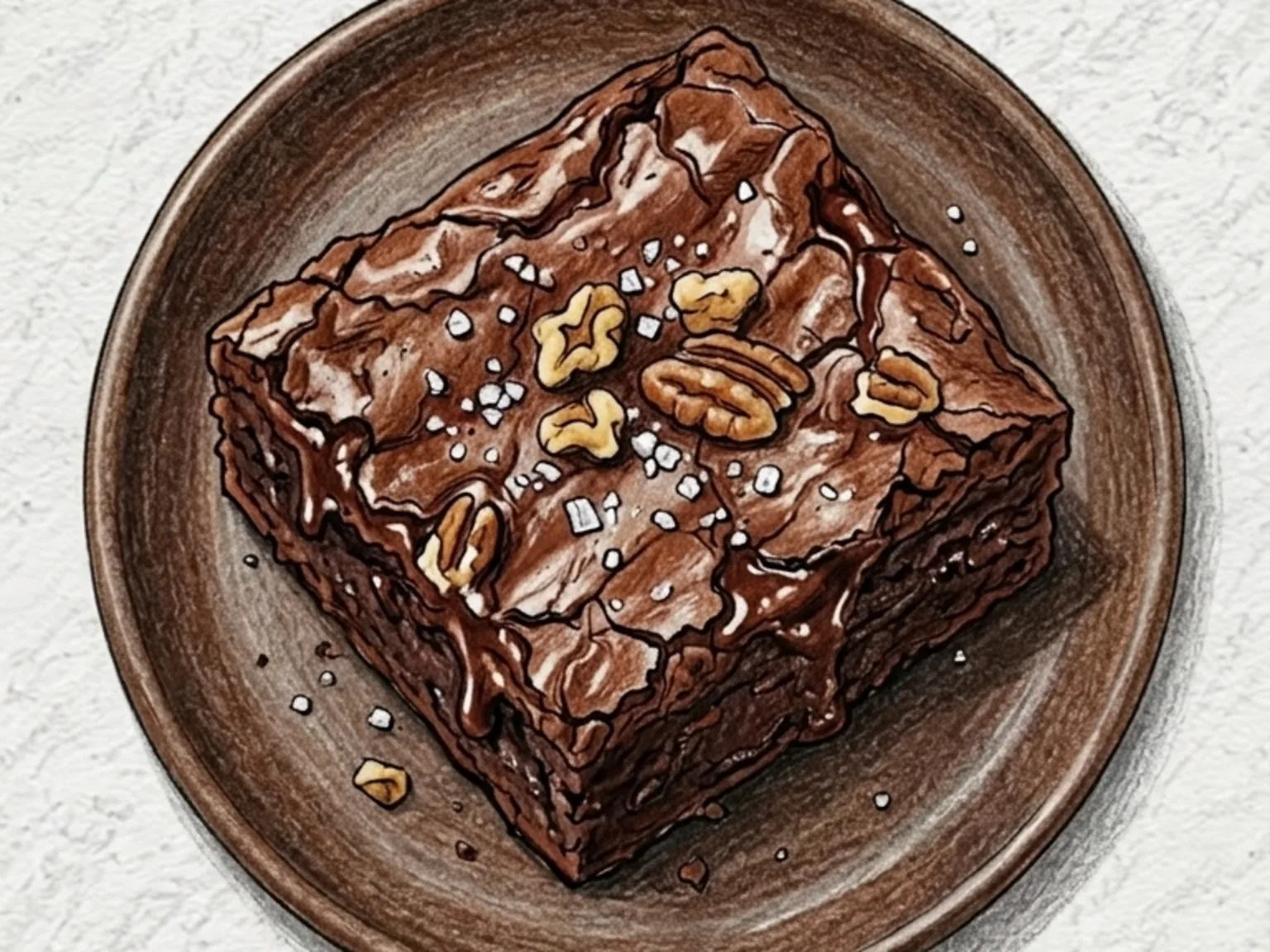
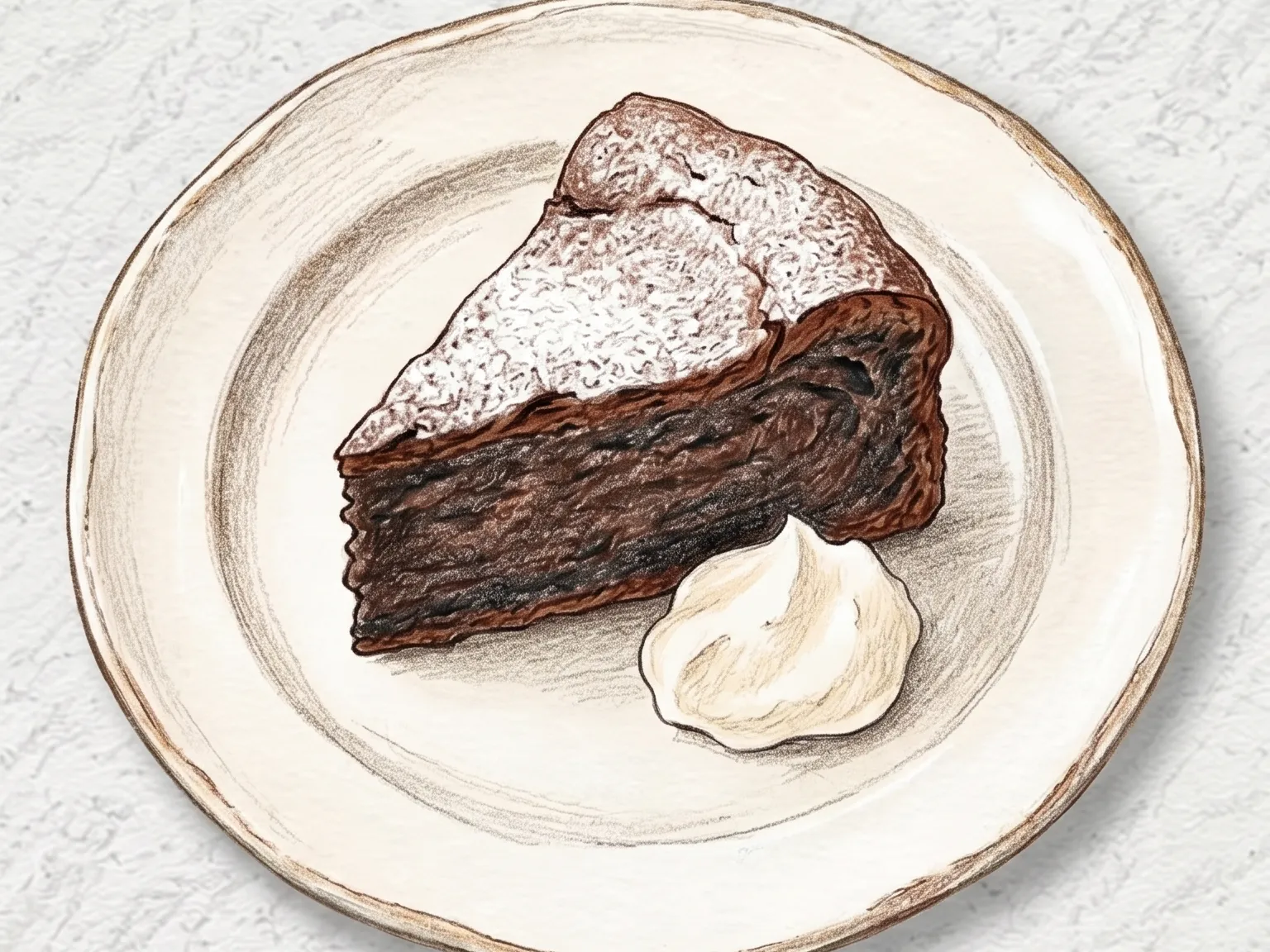
Chocolate lava cake bakes a batter of melted dark chocolate, butter, eggs, sugar, and a small amount of flour in ramekins at high heat for a brief window, producing a set exterior with a molten chocolate core. At 220 degrees Celsius for ten to twelve minutes, the edges firm into a soft cake while the center stays liquid - breaking the surface releases a stream of warm, concentrated chocolate. The bittersweet depth of dark chocolate combines with the butterfat to create a dense, velvety richness, while vanilla extract rounds out the flavor. Timing is critical: overbaking by even two minutes solidifies the center and eliminates the signature lava effect.
Adjust Servings
Instructions
- 1
Preheat oven to 220C and grease 2 ramekins, then dust with cocoa powder.
- 2
Melt chocolate and butter over a bain-marie until smooth.
- 3
Whisk eggs and sugar for about 2 minutes until slightly lighter.
- 4
Mix in melted chocolate, vanilla, and salt, then fold in sifted flour gently.
- 5
Divide batter into ramekins and level the tops.
- 6
Bake 10-12 minutes until edges are set but centers remain soft.
- 7
Rest for 1 minute, invert onto plates, and serve immediately.
As an Amazon Associate, we may earn from qualifying purchases.
Tips
Nutrition (per serving)
More Recipes

Vanilla Honey Madeleines (French Shell Cakes with Honey)
Eggs, sugar, and honey are whisked together, then combined with melted butter, cake flour, and vanilla to form a batter that bakes into small, shell-shaped French cakes with a characteristic bump on the back. The honey works alongside sugar to sweeten the madeleine while contributing a floral undertone that plain sugar cannot provide. Melted butter saturates the batter with richness, and vanilla bridges the honey and butter flavors into a cohesive aroma. Chilling the batter for at least thirty minutes is the key to the signature hump - the cold batter hitting the hot oven creates a rapid rise in the center while the edges have already begun to set. Each mold cavity should be well-buttered and filled to eighty percent to ensure clean edges and consistent shape. Baking time is brief, ten to twelve minutes, and the madeleines must be removed as soon as the rims turn golden to preserve the moist, spongy interior. They are best eaten within hours of baking, when the crust is still faintly crisp and the center yields softly.

Hallabong Marmalade Madeleines
These shell-shaped madeleines incorporate hallabong marmalade directly into the batter, delivering bursts of candied citrus peel and sweet mandarin flavor in every bite. A properly baked madeleine rises with a characteristic bump on top, and these are no exception. The marmalade adds extra moisture, keeping the crumb softer and more tender than a classic plain version. Small pieces of preserved hallabong rind within the batter provide occasional chewy texture against the otherwise pillowy cake. They are best eaten warm, minutes after leaving the oven, though they hold their softness well in an airtight container through the next day. Black tea or Earl Grey is the natural companion, as the bergamot in the tea echoes the hallabong's citrus character.

Molten Lava Cake
Dark chocolate and butter are melted together, combined with eggs, sugar, and a scant amount of flour, poured into ramekins, and baked just long enough for the outside to set into a thin, cake-like wall while the center remains liquid. Cutting into the dome releases a slow river of molten chocolate that pools on the plate - the defining moment of the dish and the reason timing in the oven is measured in single minutes rather than approximate ranges. Using chocolate with sixty percent cacao or higher pushes the flavor toward a deep, grown-up bitterness that resists becoming cloying. A ball of vanilla ice cream placed beside the freshly unmolded cake creates a dramatic temperature contrast: the hot chocolate and cold cream collide on the spoon, and neither lasts long enough to reach room temperature.

Chestnut Madeleine (French Shell Cake with Chestnut Butter Batter)
Chestnut paste folded into a classic madeleine batter produces a small French cake with an unmistakably autumnal character. The batter bakes in shell-shaped molds, rising with the signature bump that signals proper technique. Inside, the crumb carries a subtle brown hue and a warm, starchy sweetness from the chestnut that harmonizes with butter and honey. The texture remains light and moist, allowing the chestnut flavor to come through without heaviness. These are the kind of small cakes that disappear quickly from a serving plate, as each bite invites the next. Warm milk or a latte amplifies the roasted chestnut aroma, and their compact size makes them ideal for packaging as gifts.

Honey Madeleines (Buttery Shell-Shaped French Cakes)
Madeleines are small French sponge cakes baked in shell-shaped molds, prized for the distinctive bump that rises on their underside. Achieving that bump requires resting the batter in the refrigerator until thoroughly chilled, then baking at high heat so the outside sets while the center pushes upward. Generous melted butter in the batter produces a crisp, golden edge, and honey replaces part of the sugar to introduce a floral sweetness that granulated sugar alone cannot deliver. Fresh from the oven, the exterior offers a light crunch that yields to a moist, spongy interior, releasing the combined fragrance of browned butter and warm honey with each bite. A grating of lemon zest into the batter adds brightness that tempers the richness. Paired with black tea or coffee, madeleines become an effortless afternoon indulgence. They are at their best within thirty minutes of leaving the oven, before the crisp shell softens.

Sweet Potato Cream Cheese Galette
Cold butter is rubbed into flour to create a flaky pastry shell, which is rolled flat, spread with a blend of mashed sweet potato, cream cheese, honey, and cinnamon, and then folded at the edges into a free-form galette. The sweet potato contributes mellow sweetness while cream cheese adds a tangy counterpoint, and honey bridges the two into a cohesive filling. Cinnamon provides a warm spice note that suits the autumnal character of the galette. Keeping the butter cold throughout the process is essential for flaky layers - if the dough softens, it should return to the refrigerator immediately. Leaving a four-centimeter border of bare dough around the filling makes the folding step clean and prevents leaking. Drier sweet potato varieties, such as chestnut-type, absorb less moisture and keep the crust from turning soggy during baking. The galette is best served warm, when the pastry is at its crispest and the filling is still soft.