Chinese Chow Mein

Chinese Chow Mein

Quick answer

Chinese chow mein stir-fries boiled noodles with vegetables and protein over fierce wok heat.

What makes this special

  • Stir-frying oil-coated noodles over high heat creates crispy edges for this Chinese chow mein.
  • Oil-coated pre-boiled noodles in a screaming-hot pan develop crispy edges with chewy centers
  • Wok hei from high heat adds a smoky depth to the oyster-soy coating
Total time
27 min
Level
Easy
Servings
2 servings
Ingredients
8
Calories
570 kcal
Protein
24 g

Key ingredients

egg noodlespork stripscabbagecarrotbean sprouts

Core cooking flow

  1. 1 Boil 280g egg noodles for 2 to 3 minutes, stopping while the center still has a little firmness.
  2. 2 Slice the 120g pork thinly so it browns before the vegetables overcook.
  3. 3 Heat a wok or wide pan over high heat until it just starts to smoke.

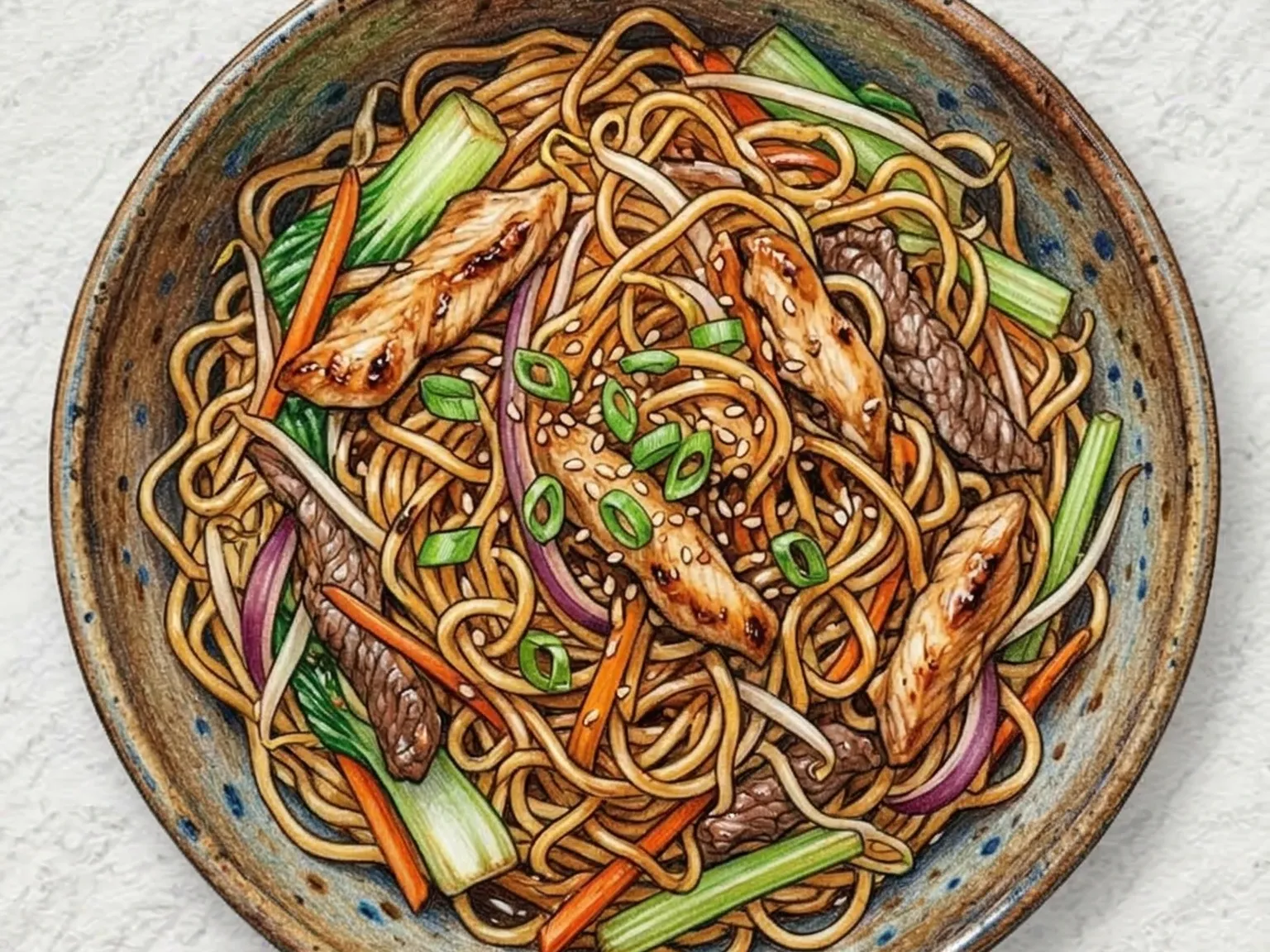
Chinese chow mein stir-fries boiled noodles with vegetables and protein over fierce wok heat. The noodles are parboiled, lightly oiled, then tossed in a screaming-hot wok until the exterior crisps while the interior stays chewy. A sauce of soy, oyster sauce, and sesame oil lacquers each strand with salty depth and umami, while bean sprouts, cabbage, and carrot contribute crunch. The hallmark smoky flavor known as wok hei comes only from sustained high heat, so home cooks achieve the closest result by working in small batches and letting the pan fully recover between additions. Chicken, shrimp, or beef can replace one another as the main protein, making chow mein endlessly adaptable. A squeeze of lime at the table brightens the overall flavor.

Prep 15min Cook 12min 2 servings

Instructions

Read the steps as a cooking flow: prep, heat, seasoning, doneness control, and finish.

6 steps
  1. 1
    Heat

    Boil 280g egg noodles for 2 to 3 minutes, stopping while the center still has a little firmness.

    Drain thoroughly, then toss lightly with the sesame oil so the strands cool separately instead of clumping.

  2. 2
    Heat

    Slice the 120g pork thinly so it browns before the vegetables overcook.

    Cut the cabbage and carrot into 4 to 5cm strips, and shake excess water from the bean sprouts to prevent the stir-fry from turning soggy.

  3. 3
    Control

    Heat a wok or wide pan over high heat until it just starts to smoke.

    Add oil, spread the pork in a single layer, and stir-fry for 1 to 2 minutes until browned edges appear.

  4. 4
    Heat

    Add the cabbage and carrot first and stir-fry for about 1 minute, then add the bean sprouts last.

    Keep the heat high and stop before the vegetables release liquid, while they are still crisp.

  5. 5
    Season

    Add the cooled noodles and spread them across the hot surface for about 30 seconds so some strands crisp.

    Add 1.5 tbsp oyster sauce and 1 tbsp soy sauce, then toss until every strand is evenly coated.

  6. 6
    Finish

    Stir-fry everything vigorously for 1 more minute until the sauce looks glossy and clings to the noodles.

    If the noodles seem dry, pour sauce around the pan edge, then turn off the heat and serve immediately.

After the steps

Pick a recipe that fits this dish.

Continue with shared ingredients, meal pairings, or a similar method.

Recipes That Go Well With This

More Noodles →

Based on shared ingredients and meal pairing

Pancit Canton (Filipino Stir-Fried Egg Noodles with Chicken and Vegetables)
Shared ingredient: cabbage Noodles

Pancit Canton (Filipino Stir-Fried Egg Noodles with Chicken and Vegetables)

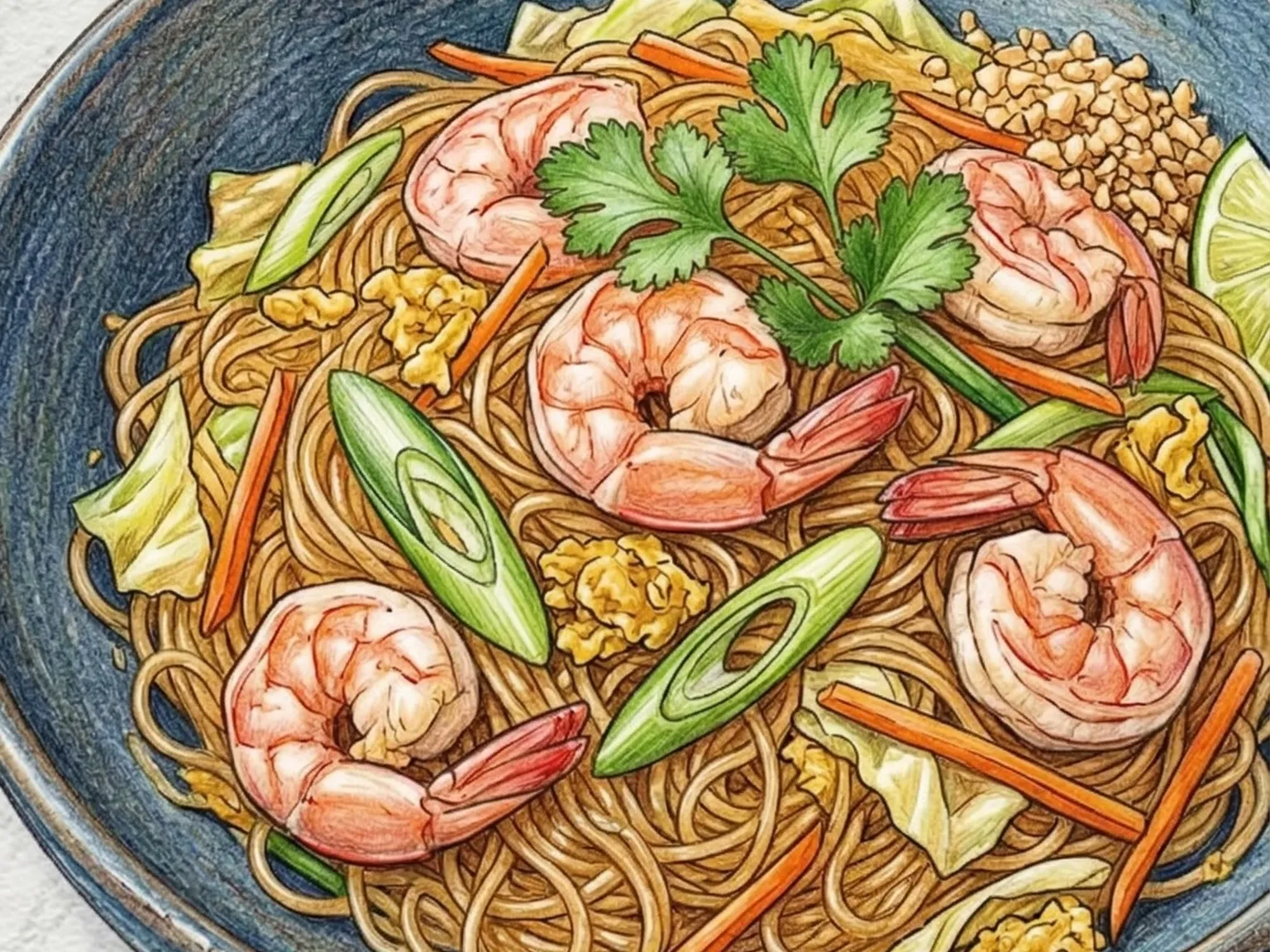
Pancit canton is a Filipino stir-fried egg noodle dish cooked with chicken, carrot, and cabbage in a soy sauce and oyster sauce base. The salty depth of soy sauce and the savory richness of oyster sauce permeate the noodles evenly, and a squeeze of fresh lemon at the end cuts through the oil to leave a clean, bright finish. The noodles are parboiled to roughly seventy percent doneness so they finish cooking in the wok while absorbing the sauce, retaining their springy texture rather than turning soft. Chicken thigh is stir-fried first to render its fat and release its juices into the pan, and that rendered fat then carries the carrot and cabbage through a quick, high-heat toss that preserves their crunch. Small additions of broth or water allow the noodles to absorb the sauce gradually, but too much liquid tips the dish toward soupy rather than stir-fried, so the volume must be controlled carefully. Lemon juice is added only after removing the pan from heat, because its volatile citrus aroma dissipates almost instantly on contact with a hot surface. In the Philippines, long noodles symbolize longevity and a full life, making pancit canton a fixture at birthdays and holiday celebrations.

Chinese Lo Mein
Shared ingredient: carrot Noodles

Chinese Lo Mein

Lo mein is a Chinese noodle dish where boiled noodles are tossed gently with vegetables, protein, and a soy-based sauce, resulting in a soft, glossy finish that sets it apart from the crisper chow mein. The sauce - soy sauce, oyster sauce, and a small amount of sugar - is premixed so it coats evenly during the brief time in the pan. Shrimp is seared first until half-cooked, then broccoli and carrot are stir-fried just until they lose their raw crunch. The warm, drained noodles go in last, and everything is tossed together until the sauce is absorbed and the noodles gleam. The key is restraint: lo mein should stay moist and supple, not charred or dry. The protein can be swapped freely - chicken, beef, or tofu all work with the same sauce and technique.

Yu Sheng Prosperity Salad
Serve together Salads

Yu Sheng Prosperity Salad

Yu sheng prosperity salad arranges thinly sliced sashimi-grade salmon and finely julienned daikon, carrot, and cucumber in a ring on a large platter, dressed with plum sauce, lemon juice, and sesame oil, then tossed vigorously just before eating. The salmon must be sashimi-grade for food safety, and patting it dry before slicing thin allows the sweet-tart plum sauce to cling more effectively to the fish surface. Cutting all vegetables as finely as possible maximizes the surface area in contact with the dressing, ensuring every chopstick-full carries the full spectrum of flavors. Keeping the prepared vegetables chilled maintains the freshness of the raw fish once assembled. Sesame seeds sprinkled on top add a nutty aroma that layers over the fruity plum sauce, completing the festive character of the dish.

Singapore Rice Noodles (Curry-Spiced Stir-Fried Vermicelli with Shrimp)
Similar recipe Noodles

Singapore Rice Noodles (Curry-Spiced Stir-Fried Vermicelli with Shrimp)

Singapore rice noodles are a Cantonese-style stir-fry of thin rice vermicelli tossed with curry powder, shrimp, and mixed vegetables over high heat. The curry powder is bloomed in hot oil at the edge of the wok to unlock its full aroma before being mixed into the noodles. Soy sauce adds seasoning depth, and bean sprouts go in during the last thirty seconds to keep their crunch. Soaking the vermicelli for only eight minutes prevents the noodles from breaking apart during stir-frying.

Serve with this

Korean Seasoned Fatsia Shoots
Side dishes Easy

Korean Seasoned Fatsia Shoots

Dureup, the young shoots of aralia elata, emerge for barely three weeks each April from thorny stalks, ranking among the most prized of Korea's spring mountain vegetables. Each shoot carries a distinctive piney, slightly resinous fragrance that cannot be found in any other Korean namul. Blanching the shoots in salted water for exactly 40 seconds softens the fibrous base of the stalk while preserving the volatile aromatic oils concentrated at the leaf tips. The traditional dressing is cho-gochujang, a vinegared chili paste whose acidity and sweetness provide a flavor framework without overwhelming the shoots' natural bitterness. In Korean folk medicine, dureup has long been associated with blood sugar regulation, which contributes to the premium it commands at spring markets. The fragrance fades rapidly after harvest, so the shoots are best eaten the same day they are picked, and even refrigerated storage should not extend beyond one day.

🏠 Everyday 🍱 Lunchbox
Prep 10min Cook 3min 4 servings
Korean Dried Radish Greens Pancake
Pancakes Easy

Korean Dried Radish Greens Pancake

Boiled dried radish greens are combined with doenjang and pan-fried into a dense, rustic jeon with deep fermented character. The fibrous texture of the radish greens gives the pancake a satisfying chew, and the soybean paste saturates the batter so thoroughly that no dipping sauce is necessary. Buckwheat flour adds an earthy coarseness that suits the greens well. Cheongyang chili provides a spicy accent throughout. Minced garlic benefits from a brief saute in oil before being mixed into the batter-the raw edge cooks off and the garlic's savory depth integrates fully into the finished pancake. Cooking over low heat lets the inside set without burning the outside, producing a crisp surface and a tender, flavorful center.

🍺 Bar Snacks ⚡ Quick
Prep 18min Cook 10min 2 servings
Korean Wild Chive Kimchi (Spring Quick Gochugaru)
Kimchi Easy

Korean Wild Chive Kimchi (Spring Quick Gochugaru)

Dallae kimchi is a quick spring kimchi made by salting wild chives for just eight minutes to barely soften them, then dressing them in gochugaru, sand lance fish sauce, plum extract, and Korean pear juice. The bulb-end roots carry the most concentrated aroma, so they should not be trimmed too short, and the seasoning should be applied starting from the roots so the flavor penetrates evenly along the entire stalk. Pear juice adds natural sweetness and a little moisture that softens the heat from the chili, while sand lance fish sauce provides a lighter, more delicate umami than standard anchovy sauce. This kimchi smells fresh and bright immediately after preparation, but one day in the refrigerator allows a mild fermented depth to develop that rounds out the flavors considerably. Wild chives are best purchased between early March and mid-April, when the roots are fat and the aroma is fully developed. Salting beyond eight minutes causes the grassy fragrance to dissipate rapidly, so timing matters. The finished kimchi pairs naturally with namul side dishes and fresh vegetable salads at a spring table.

🏠 Everyday 🍱 Lunchbox
Prep 20min Cook 5min 4 servings

Similar recipes

Spicy Fried Chicken Stir-fry
Stir-fry Medium

Spicy Fried Chicken Stir-fry

Rajogi is a Korean-Chinese dish of chicken thigh pieces coated in potato starch and deep-fried at 170 degrees Celsius until golden, then tossed in a sauce built from gochujang, ketchup, and vinegar. Onion and bell pepper are stir-fried separately to form the sauce base before the crispy chicken is folded in. The coating absorbs just enough glaze to deliver sweetness, tanginess, and chili heat simultaneously while retaining crunch underneath. Timing is critical -- the chicken must be tossed in sauce moments before serving to preserve its texture.

🏠 Everyday 🍺 Bar Snacks
Prep 25min Cook 20min 3 servings
Stir-fried Bok Choy (Bok Choy with Garlic and Oyster Sauce Glaze)
Stir-fry Easy

Stir-fried Bok Choy (Bok Choy with Garlic and Oyster Sauce Glaze)

Halved bok choy is stir-fried with sliced garlic over high heat for two minutes, then finished with oyster sauce and soy sauce in a one-minute reduction that glazes every leaf and stem. The thick white stalks need significantly more heat than the tender green leaves, so placing them cut-side down first or adding the leaves halfway through prevents the greens from wilting to mush while the stems remain undercooked. Oyster sauce lends a concentrated umami depth to the otherwise mild vegetable, and a splash of 40 milliliters of water helps the sauce flow between the tightly packed stems so seasoning reaches every layer rather than coating only the outer surfaces. Black pepper and sesame oil are added only after the pan leaves the flame so their volatile aromas stay intact on the plate. Bok choy continues releasing moisture after it is plated, so serving immediately is critical to preserving the contrast between crisp stalks and just-wilted leaves. Waiting even a few minutes allows the released liquid to dilute the sauce and soften the texture. At 105 calories per serving, this is a light side dish that still provides meaningful amounts of vitamin A and calcium. For a Sichuan-style variation, replacing a portion of the oyster sauce with doubanjiang adds a spicy, reddish character without requiring additional chili oil. The dish is common across East and Southeast Asian home kitchens under various names but the technique of separating stalk and leaf cook times is universal to cooking bok choy well.

🏠 Everyday 🍱 Lunchbox
Prep 8min Cook 6min 2 servings
Zhajiangmian (Chinese Black Bean Paste Noodles with Ground Pork)
Noodles Medium

Zhajiangmian (Chinese Black Bean Paste Noodles with Ground Pork)

Zhajiangmian is a Chinese noodle dish built on a thick sauce of ground pork and onion stir-fried with chunjang, a fermented black bean paste. The paste must be fried thoroughly in oil to draw out its roasted, savory character and eliminate the raw bitterness it carries before cooking. Adding soy sauce and sugar, then simmering on low heat for five minutes, concentrates the sauce into a glossy, dark coating. Fresh wheat noodles are boiled, briefly rinsed, and drained so the sauce clings without being diluted. Julienned cucumber served on top provides a crisp, cool contrast that balances the dense, salty depth of the bean paste.

🏠 Everyday 🌙 Late Night
Prep 20min Cook 20min 2 servings

Tips

Cooled pre-cooked noodles stir-fry better.
Do not overcook vegetables to keep crunch.

Nutrition (per serving)

Calories
570
kcal
Protein
24
g
Carbs
77
g
Fat
18
g