Charim

2686 Korean & World Recipes

2686+ Korean recipes, clean and organized. Ingredients to instructions, all at a glance.

Korean Chwinamul Doenjang Stew
Stews Easy

Korean Chwinamul Doenjang Stew

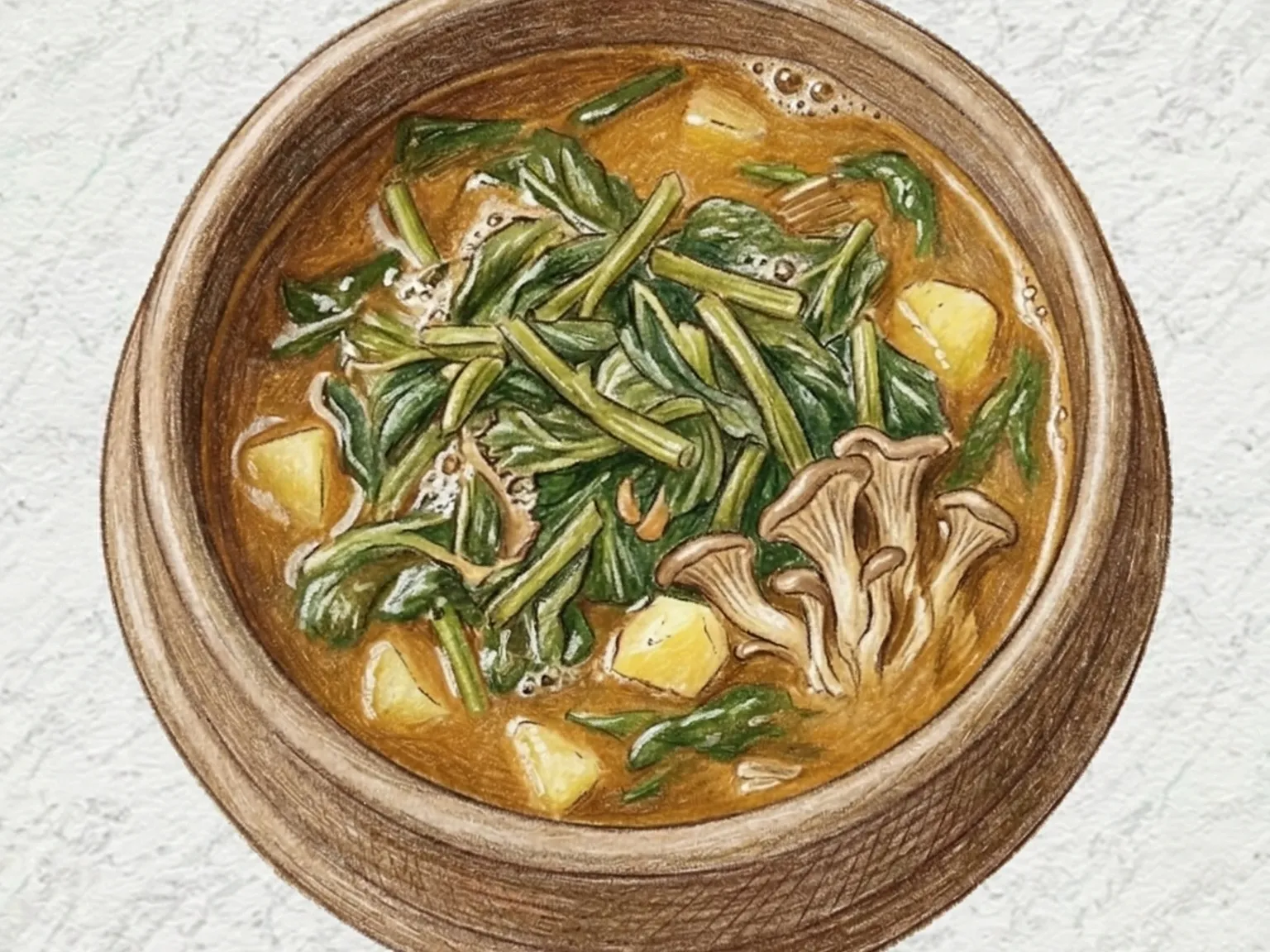
Chwinamul-doenjang-jjigae is a Korean stew that pairs wild aster greens with fermented soybean paste, letting the mountain herb's sharp, slightly bitter fragrance run through a deeply savory broth. Rice-rinsing water replaces stock as the base, giving the broth a gentle body, while potato pieces break down gradually during cooking and thicken the liquid without any additional steps. Shimeji mushrooms add chew at irregular intervals throughout the bowl. The stew benefits most from fresh spring chwinamul, when the greens carry the strongest mountain-herb aroma. A small drizzle of perilla oil stirred in at the end adds a nutty finish that rounds out the fermented soybean base.

Prep 14min Cook 17min 2 servings

Adjust Servings

2servings
servings

Instructions

  1. 1

    Trim tough stems from chwinamul and cut into 5 cm lengths.

  2. 2

    Slice potato and onion thinly, and separate mushroom clusters.

  3. 3

    Bring rice-rinse water to a boil and dissolve soybean paste for the base.

  4. 4

    Add potato and onion for 7 minutes, then add mushrooms and garlic.

  5. 5

    Add chwinamul and chili, simmering 4 more minutes to keep aroma fresh.

🛒Shop Ingredients on Amazon

As an Amazon Associate, we may earn from qualifying purchases.

Tips

Add chwinamul late and avoid overcooking to preserve its aroma.
Rice-rinse water gives the broth a softer, nuttier depth.

Nutrition (per serving)

Calories
215
kcal
Protein
8
g
Carbs
31
g
Fat
7
g

Goes Well With

Korean Curry Fried Rice (Golden Spiced Chicken Fried Rice)
RiceEasy

Korean Curry Fried Rice (Golden Spiced Chicken Fried Rice)

Curry bokkeumbap is a Korean fried rice where curry powder coats each grain with warm spice and gives the rice a vivid golden color. Chicken breast, onion, carrot, and bell pepper are stir-fried together before the rice goes in, distributing protein and vegetables evenly through every serving. The curry fragrance develops gradually with each bite - more present than plain fried rice but lighter than a curry sauce, landing at a satisfying middle point between the two. Bell pepper adds sweetness and a visual contrast of color against the golden rice. Topping with a fried egg raises the dish further: when the yolk breaks and mixes into the rice, a layer of creaminess runs through each bite. The recipe works well with day-old rice and requires few ingredients, making it a practical weeknight meal.

🏠 Everyday🍱 Lunchbox
Prep 10minCook 10min2 servings
Korean Seasoned Carrot Namul
Side dishesEasy

Korean Seasoned Carrot Namul

Carrot namul is one of the five-color banchan Koreans prepare for ancestral rites, where the orange of carrot represents fire in the traditional symbolic scheme. Julienned thin, the carrots are salted briefly to pull out excess moisture, then stir-fried with minced garlic over medium heat for two to three minutes - just enough to cook off the raw edge while preserving an audible crunch in every strand. No soy sauce or chili powder enters the pan; seasoning is kept to salt alone so that the carrot's natural sweetness remains the central flavor rather than being buried under stronger condiments. A final drizzle of sesame oil and a scatter of sesame seeds round out this clean, single-ingredient side dish that earns its place on both ceremonial tables and everyday meals.

🏠 Everyday🍱 Lunchbox
Prep 8minCook 6min2 servings
Korean Mushroom Jangajji (Shiitake Oyster Soy Pickle)
KimchiEasy

Korean Mushroom Jangajji (Shiitake Oyster Soy Pickle)

Beoseot jangajji is a Korean fermented mushroom side dish produced by briefly blanching shiitake and king oyster mushrooms, then submerging them in a soy sauce, vinegar, and sugar brine that has been brought to a boil and cooled. The shiitake brings a thick, meaty chew that firms further as it absorbs the pickling liquid, while the king oyster stays springy and dense, so a single batch of this jangajji provides two distinct textures from one marinade. Soy sauce supplies a deep umami foundation and vinegar cuts through with its sharp acidity, creating a balance that tastes substantial and complete without any meat or added stock. The ratio of vinegar to soy sauce can be adjusted to preference: more vinegar produces a brighter, more assertive pickle, while reducing it brings out the soy sauce's savory depth. Stored in the refrigerator, beoseot jangajji keeps well for over a week, making it one of the more practical banchan to prepare in advance and draw from throughout the week.

🏠 Everyday🍱 Lunchbox
Prep 20minCook 10min4 servings
Korean Shiitake Tofu Pancake
PancakesEasy

Korean Shiitake Tofu Pancake

Shiitake-tofu jeon is a savory Korean pancake made by finely chopping fresh shiitake mushrooms and firm tofu, then mixing them into a batter of pancake mix, egg, and a touch of sesame oil before pan-frying. The shiitakes contribute a meaty chew and pronounced umami depth, while the tofu lightens the texture and keeps the interior moist. Carrot and chives are added for color contrast and a fresh, slightly pungent bite. The egg binds everything together, and the sesame oil in the batter gives a nutty fragrance. Cooked uncovered over medium-low heat until both sides are golden, the exterior crisps up while the inside stays tender. When using dried shiitakes, soaking them in water first is worthwhile because the soaking liquid can be reserved for use in soups or braising liquid. Served with a dipping sauce of soy sauce and vinegar, the salty acidity sharpens the overall savory flavor.

🏠 Everyday🍺 Bar Snacks
Prep 20minCook 14min2 servings

More Recipes

Korean Yeolmu Doenjang Stew
StewsEasy

Korean Yeolmu Doenjang Stew

Seasonal young radish greens and fermented soybean paste come together in this refreshing summer stew designed to cool the body. The preparation begins with a clean anchovy and kelp stock, where doenjang is carefully dissolved to ensure a smooth consistency without clumps. Young radish greens, or yeolmu, contribute a signature crunch and a faint bitterness that softens as it simmers alongside sweet onions and zucchini. This natural sweetness from the onion balances the earthy profile of the fermented paste while gochugaru adds a hint of heat and a warm red hue to the broth. To preserve the crisp texture of the greens, add them after the doenjang and limit the simmering time to about five to seven minutes. Tofu should be introduced at the very end to prevent it from breaking apart while absorbing the savory liquid. The clean mineral finish provided by the kelp makes this dish an excellent companion for barley rice during humid months. For additional layers of flavor, sliced Cheongyang chilies increase the spiciness and a spoonful of perilla powder introduces a toasted quality to the base. If using low-sodium paste, a small amount of soup soy sauce helps achieve a balanced profile. Since young radish greens possess a distinct herbal fragrance at their peak, this stew delivers its best quality when served immediately on the day it is prepared.

🏠 Everyday
Prep 15minCook 20min2 servings
Korean Gangwon-Style Soybean Paste Stew
StewsEasy

Korean Gangwon-Style Soybean Paste Stew

Gangwon-style doenjang jjigae is a regional variation of the fermented soybean paste stew defined by an unusually generous quantity of potatoes - 300 grams - which break down during cooking and release starch into the broth, giving it a thick, substantial body rarely found in other regional versions. Three tablespoons of doenjang dissolved in 1.1 liters of anchovy stock form a solid base. As the diced potatoes cook through, their starch gradually thickens the surrounding liquid and softens into pieces with a texture somewhere between firm and yielding. Oyster mushrooms contribute a distinctly chewy quality that holds up through extended simmering while also enriching the savory depth of the broth. Zucchini, onion, and firm tofu round out the pot, making it substantial enough to serve as a complete meal without anything else on the table. Gangwon Province, with its mountainous terrain, cooler summers, and long winters, developed a style of home cooking that favors generous quantities and long cooking times over refinement. The stew should be simmered until the potatoes are completely soft before serving so the broth reaches its intended consistency.

🏠 Everyday
Prep 15minCook 25min4 servings
Korean Beef Doenjang Jjigae
StewsEasy

Korean Beef Doenjang Jjigae

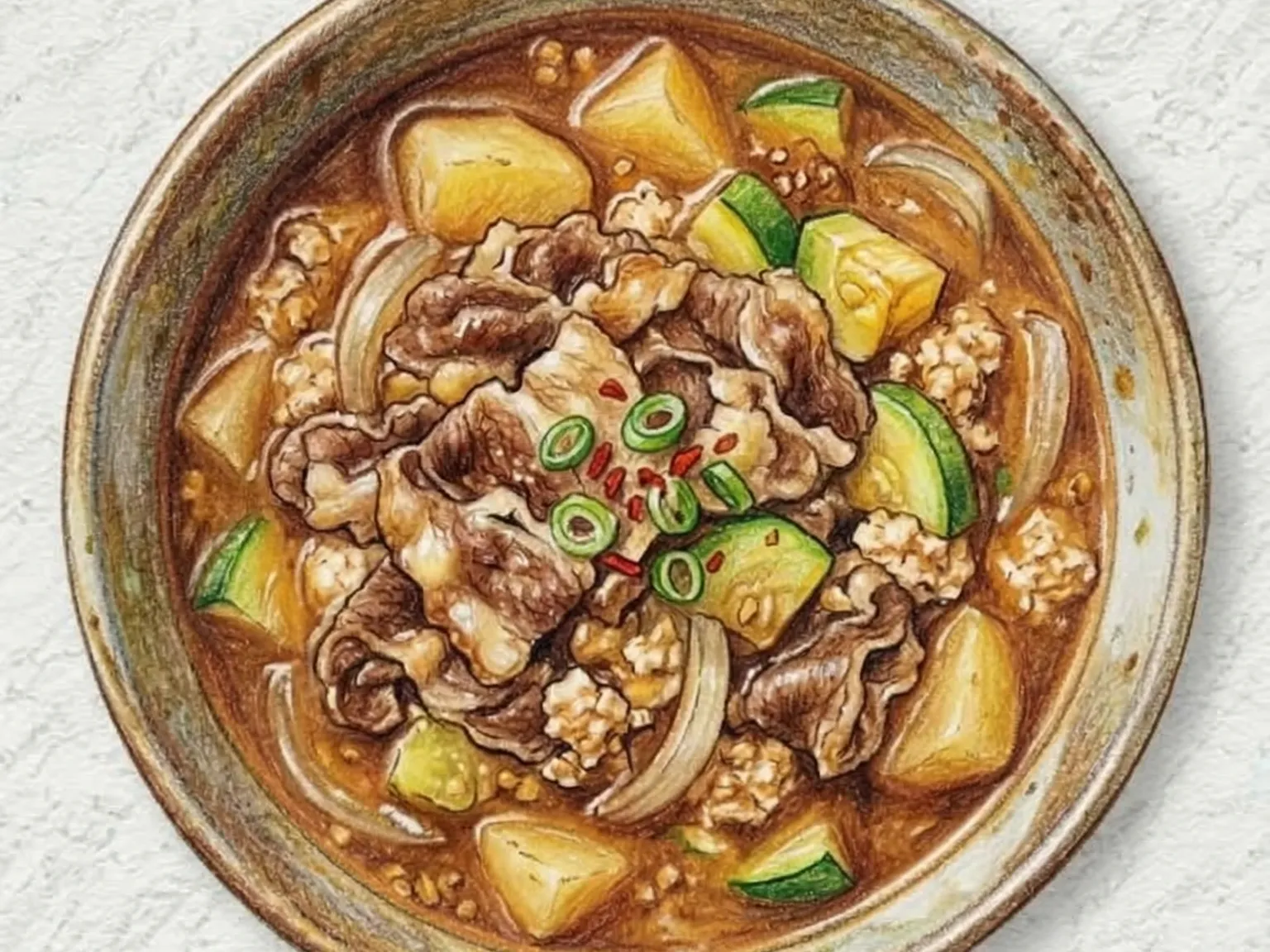
Soegogi doenjang jjigae is a foundational Korean home-cooked stew, made with beef brisket and fermented soybean paste as the foundation, filled out with potato, zucchini, tofu, and onion, and simmered in the starchy water left from rinsing rice. The brisket rewards long cooking by releasing its fibers and pushing a rich, distinctly beefy flavor into the broth, and the mild starch from the rice water softens that richness so it blends smoothly with the fermented depth of the doenjang. As the stew simmers, potato breaks down partially at the edges, thickening the liquid and giving it body without the need for any additional starch. Green onion and minced garlic anchor the aroma and keep the flavor from going flat. Adding the doenjang in stages and tasting between additions rather than putting it all in at once is the reliable method for hitting the right depth without oversalting. Paired with freshly cooked rice, this is a stew that fits into the daily rotation without ever feeling repetitive.

🏠 Everyday
Prep 12minCook 18min2 servings
Korean Brisket Soybean Paste Stew
StewsEasy

Korean Brisket Soybean Paste Stew

Thinly sliced brisket is added to the classic soybean paste stew base of rice-rinsing water and doenjang, cooked together with potato, zucchini, tofu, and cheongyang chili. The marbled fat in the brisket renders into the broth as it cooks, building a richer and more savory base than the standard vegetable-only version. The cheongyang chili delivers a sharp heat that makes this stew especially good with a bowl of rice. Adding the brisket slices after the vegetables have softened partially prevents the meat from overcooking and turning tough during the remaining simmer time.

🏠 Everyday
Prep 10minCook 15min2 servings
Soybean Paste Stew with Clams
AsianEasy

Soybean Paste Stew with Clams

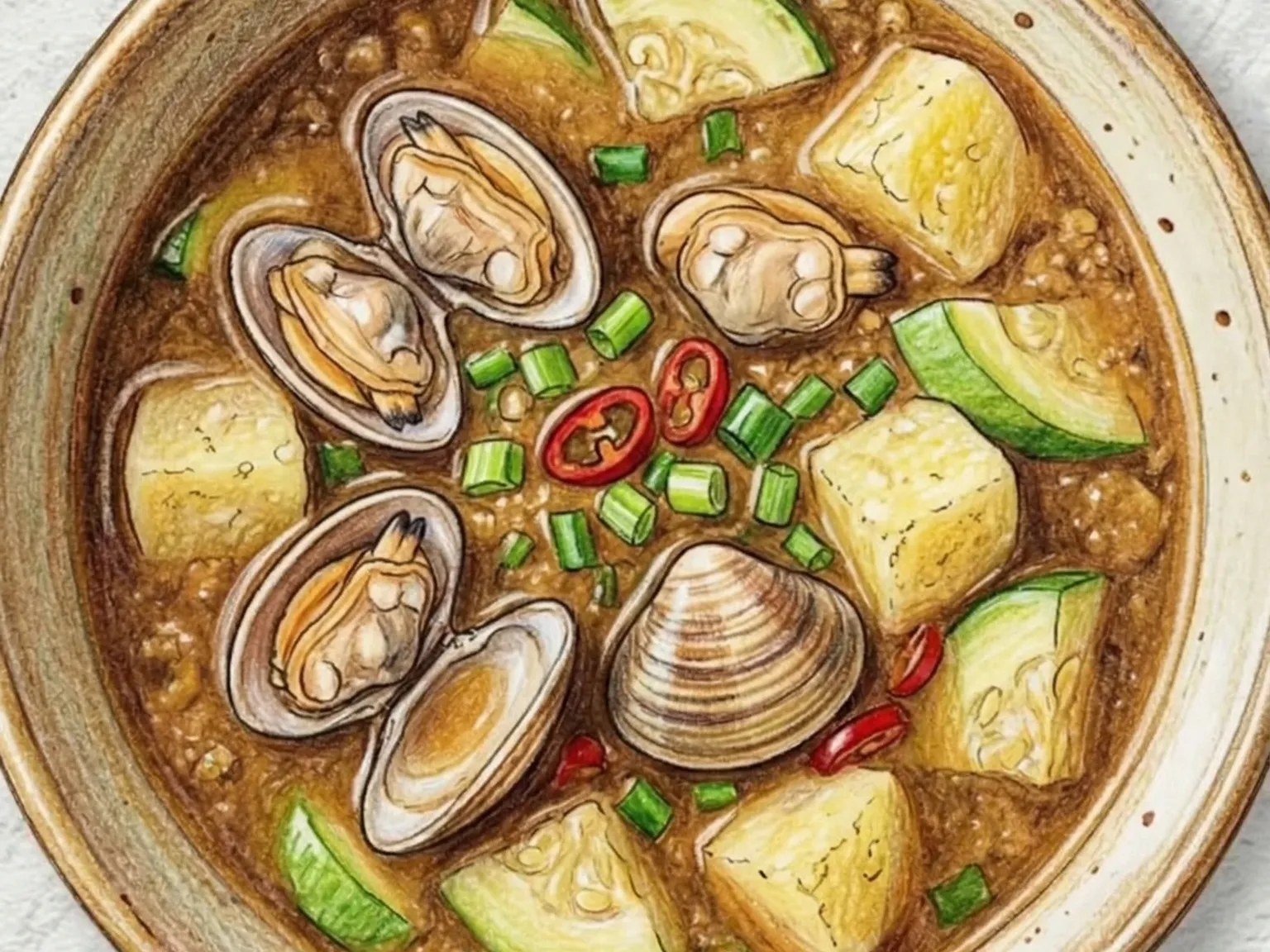
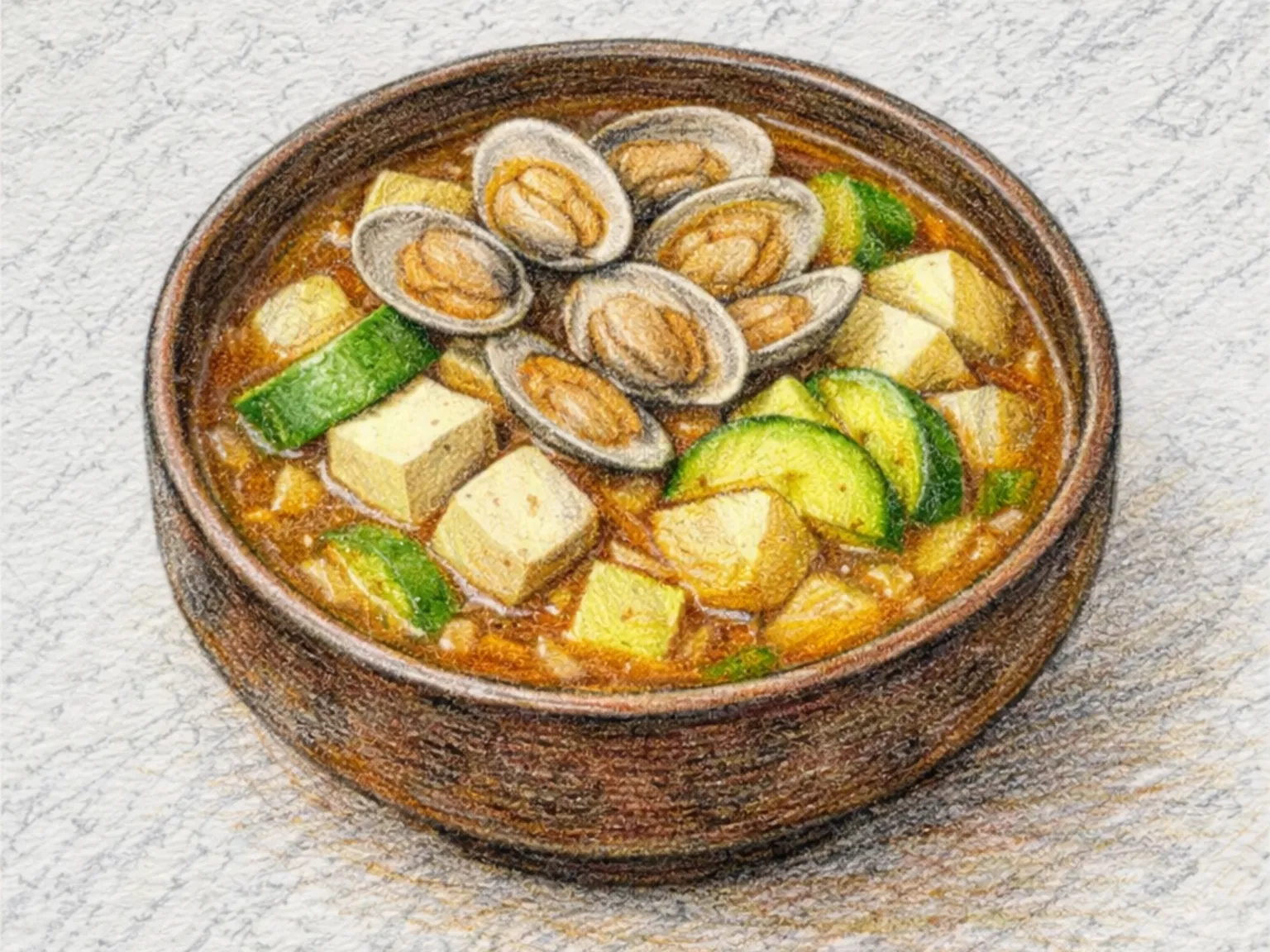
Doenjang jjigae with clams is one of the most frequently made stews in Korean households, built on the combination of fermented soybean paste's deep, earthy flavor and the clean briny umami of manila clams. The clams are purged of sand before being added to a pot of doenjang-laced broth, where they open and release their salty, seawater-flavored liquor directly into the soup. The result transforms the base from something merely savory into something distinctly oceanic and complex. Zucchini softens in the bubbling broth and contributes a natural sweetness as it breaks down, while blocks of soft tofu act as sponges, soaking up the seasoned liquid and releasing it in a burst of hot, flavorful broth when bitten into. Sliced cheongyang chili peppers are added to interrupt the heaviness of the fermented paste and sharpen the overall flavor. The stew is typically served in an earthenware pot while still bubbling, alongside rice. Many Koreans ladle the broth directly over their bowl of rice. The recipe adapts to any season: assembled with leftover summer vegetables from the refrigerator for a lighter version, or cooked piping hot in a stone pot through winter.

🏠 Everyday
Prep 12minCook 25min2 servings
Korean Young Napa Soybean Paste Soup
SoupsEasy

Korean Young Napa Soybean Paste Soup

Eolgari doenjang-guk is a soybean paste soup that uses rice-rinse water as its base liquid rather than plain water. The starch left in the rinse water tempers the sharpness of doenjang, softening the broth and adding a mild, rounded sweetness that plain water cannot replicate. Young napa cabbage is added near the end of cooking, just long enough to wilt slightly while retaining its fresh, lightly grassy flavor and a faint crunch. Anchovy powder is stirred in early to establish a quiet savory foundation, while a sliced cheongyang chili introduces a gentle, building heat that lingers on the finish. A finishing handful of sliced green onion adds aroma and rounds out the bowl, producing a broth that is simultaneously simple and satisfying alongside steamed rice.

🏠 Everyday
Prep 15minCook 25min4 servings
More Stews →