Charim

2686 Korean & World Recipes

2686+ Korean recipes, clean and organized. Ingredients to instructions, all at a glance.

Korean Chwinamul with Perilla Powder

Korean Chwinamul with Perilla Powder

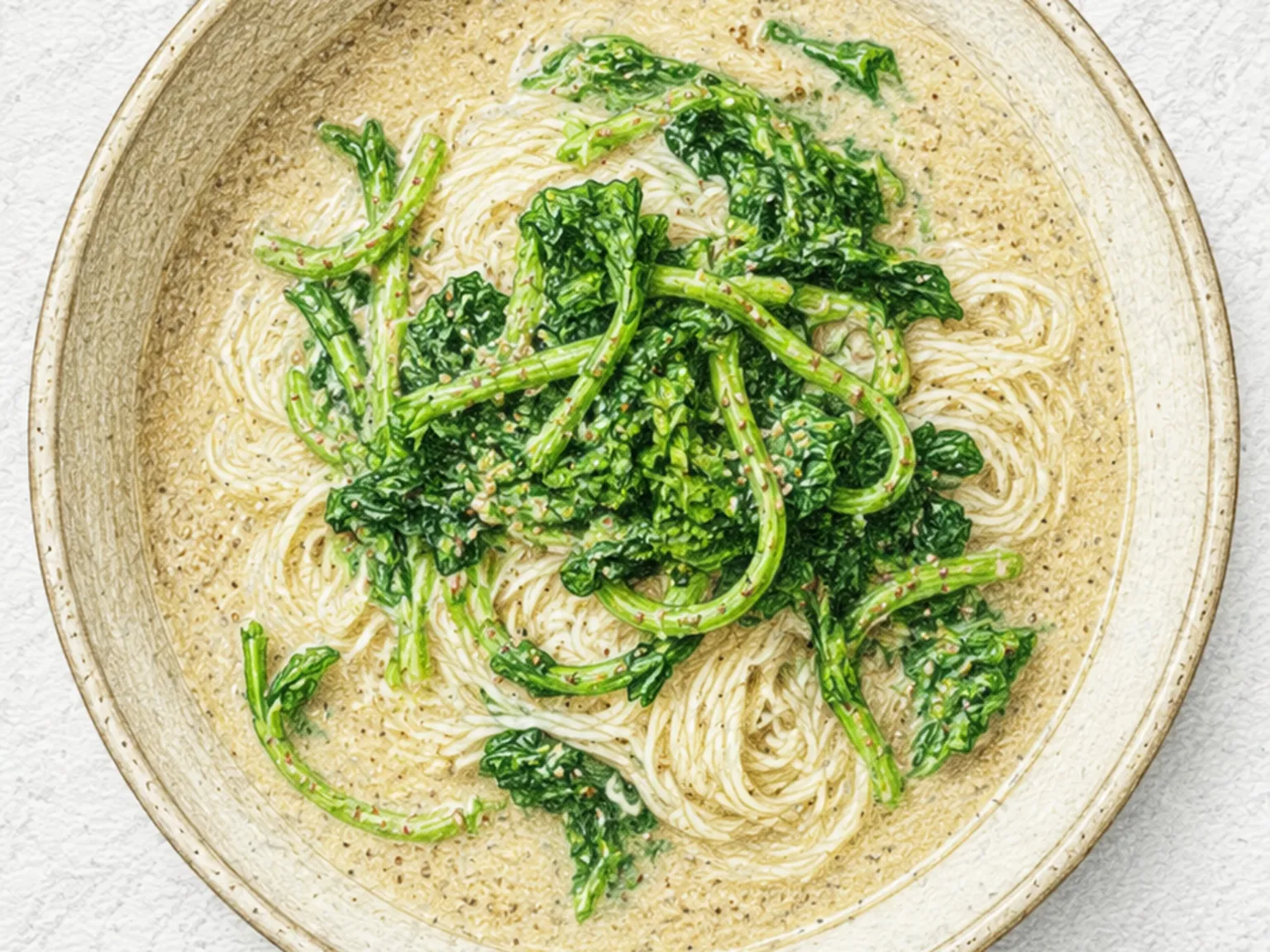
Where the doenjang version leans on fermented funk, this preparation wraps chwinamul in perilla's nutty, seed-forward coating. After blanching and first seasoning with soup soy sauce, garlic, and green onion, the greens are sauteed briefly in perilla oil. Water is added for a light braise. Stirring in perilla powder off the heat transforms the liquid into a thick, pale paste coating every strand. Adding the powder after lowering heat prevents grittiness and releases the seed's full fragrance.

Prep 18minCook 7min4 servings

Adjust Servings

2servings
servings

Instructions

  1. 1

    Trim tough stems from chwinamul and wash thoroughly.

  2. 2

    Blanch for 2 minutes, rinse in cold water, then squeeze out moisture.

  3. 3

    Cut into bite-size lengths and first-season with soup soy sauce, garlic, and green onion.

  4. 4

    Sauté in perilla oil for 1 minute, then add water and cook 2 more minutes.

  5. 5

    Lower heat, mix in perilla powder evenly, and finish with sesame seeds.

🛒Shop Ingredients on Amazon

As an Amazon Associate, we may earn from qualifying purchases.

Tips

Squeeze well after blanching to avoid watery seasoning.
Add perilla powder near the end for best aroma.

Nutrition (per serving)

Calories
120
kcal
Protein
4
g
Carbs
8
g
Fat
9
g

More Recipes

Korean Chwinamul with Doenjang
Side dishesEasy

Korean Chwinamul with Doenjang

This variation pairs blanched chwinamul with doenjang - Korea's fermented soybean paste - creating a banchan where two strong flavors meet. Greens are boiled two minutes, squeezed, and cut before dressing with doenjang, soup soy sauce, garlic, sesame oil, and perilla powder. The paste's funky, salty depth clings to porous leaves, amplifying natural bitterness into something complex. Five minutes of resting lets seasoning penetrate fully. Often made with dried chwinamul reconstituted in winter.

🏠 Everyday🍱 Lunchbox
Prep 18minCook 7min4 servings
Korean Seasoned Thistle Greens
Side dishesEasy

Korean Seasoned Thistle Greens

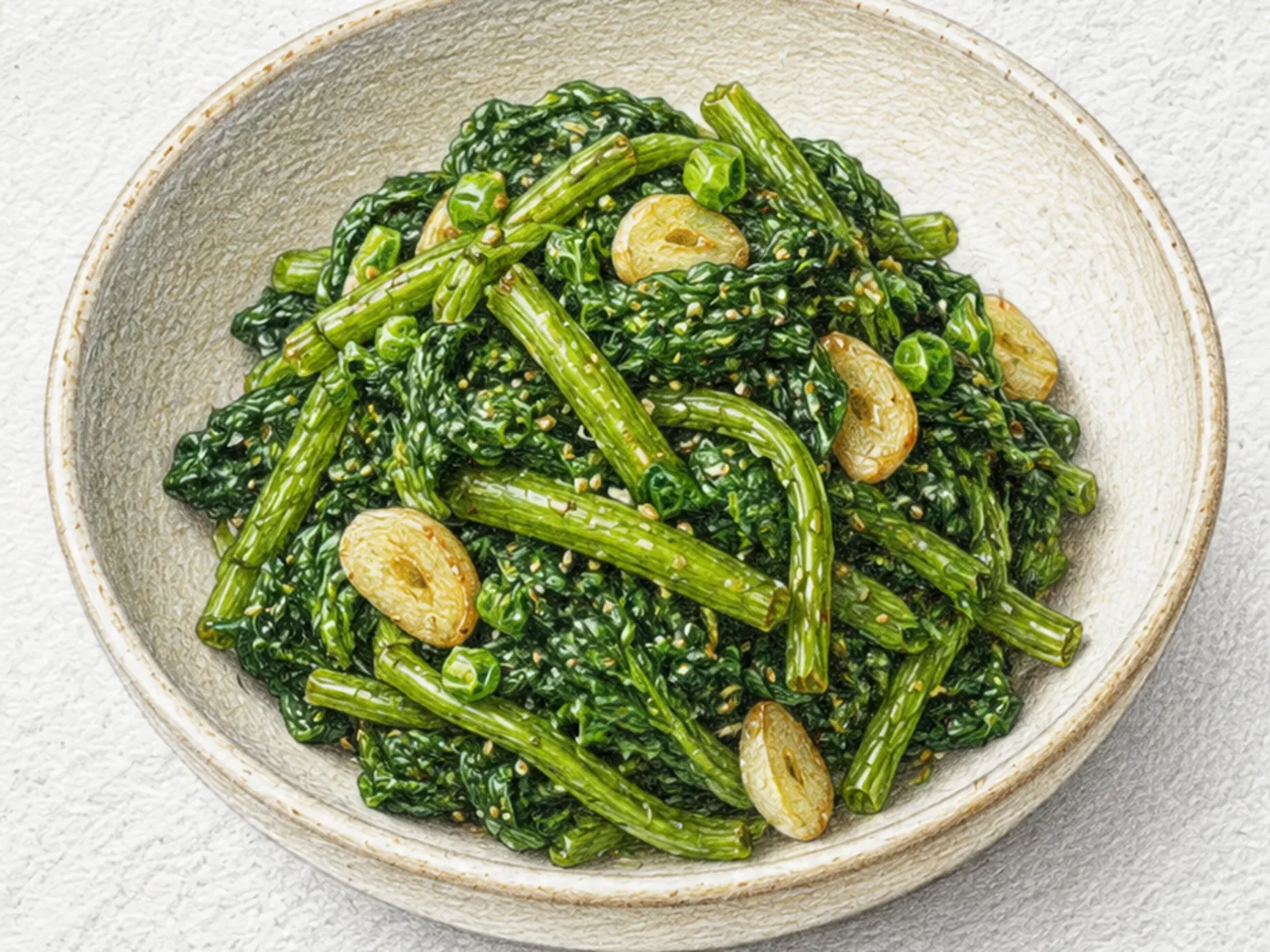
Gondeure - a type of thistle (Cirsium setidens) - grows wild in the mountainous highlands around Jeongseon and Taebaek in Gangwon-do. In this region's history, when rice was scarce, gondeure was mixed into the pot to stretch the grain. Boiled gondeure dressed with soy sauce, garlic, and perilla oil carries a subtle fragrance that blends mugwort-like herbiness with a forest-floor earthiness found in few other greens. The stems are tougher than the leaves, so they benefit from longer blanching or finer chopping. While the namul stands alone, gondeure is most famous cooked into rice (gondeure-bap), where the seasoned greens and grains are mixed at the table with a soy-perilla dipping sauce - a taste of Gangwon-do travel.

🏠 Everyday🍱 Lunchbox
Prep 10minCook 8min4 servings
Korean Seasoned Deer Fern Namul
Side dishesMedium

Korean Seasoned Deer Fern Namul

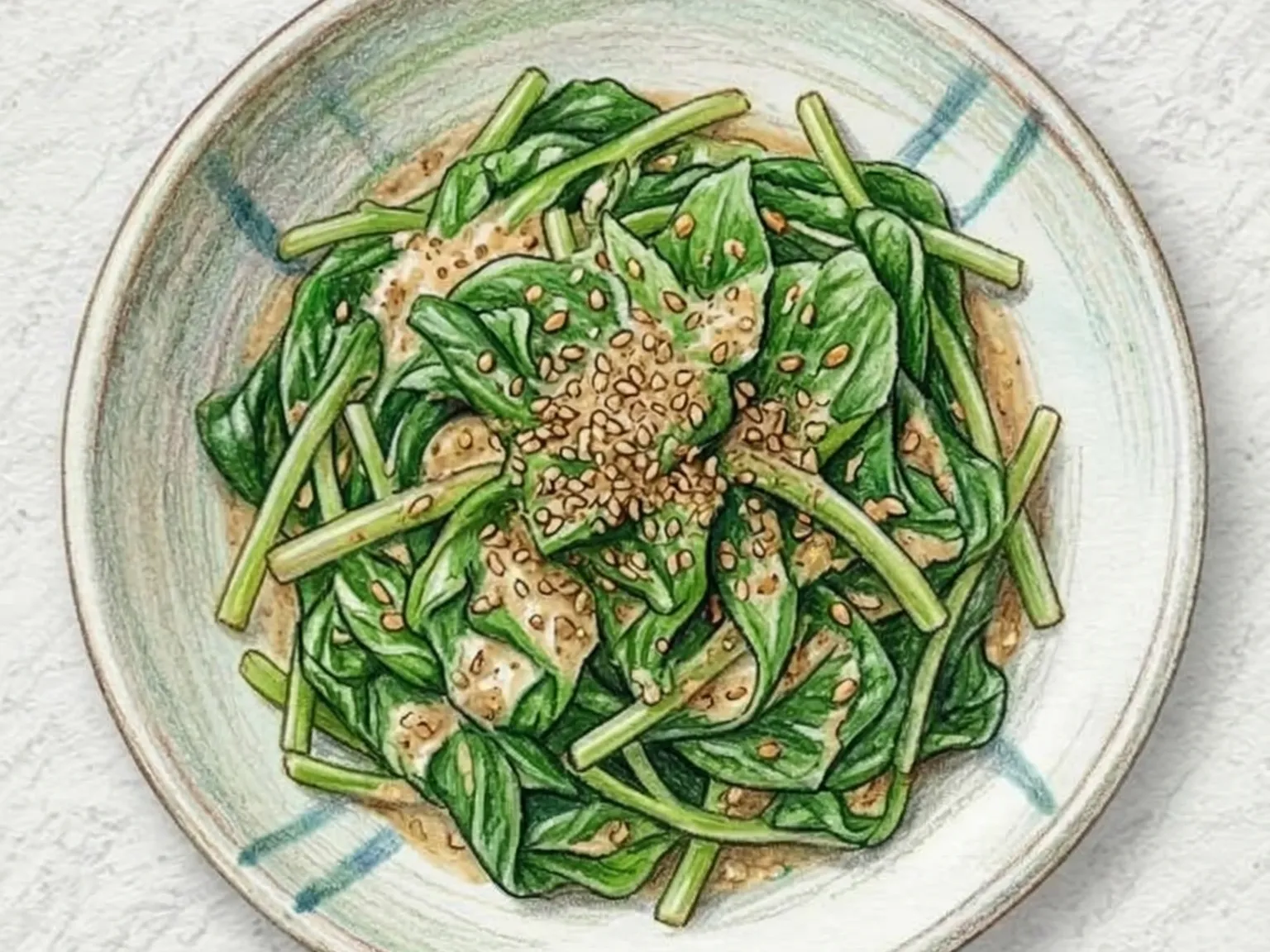
Samnamul-muchim is a Korean mountain vegetable side dish made from 220 grams of deer fern, a spring foraged green with a distinctively herbal, slightly bitter flavor. Blanching for one minute and immediately rinsing in cold water tempers the fern's wild aroma to a pleasant, manageable level while preserving its tender bite. The dressing of soup soy sauce, perilla oil, minced garlic, chopped green onion, and ground sesame keeps the dish clean in both color and flavor, letting the fern's natural character come through. Cut into 4-centimeter lengths for easy eating, each piece carries a gentle earthiness that pairs naturally with steamed rice. The ground sesame adds a subtle crunch and nuttiness that complements the perilla oil.

🏠 Everyday🍱 Lunchbox
Prep 10minCook 5min4 servings
Korean Seasoned Chamnamul Greens
Side dishesEasy

Korean Seasoned Chamnamul Greens

Chamnamul - Korean pimpinella - grows wild in central Korea's mountain valleys and has been foraged since the Goryeo period. Its leaves carry a celery-like fragrance with a faint peppery finish. Blanched under a minute to preserve crispness, the greens are cut to 5 cm lengths and tossed with soy sauce, sesame oil, and garlic. Stems stay slightly firm while thinner leaves wilt just enough to absorb the dressing. A spring-only banchan, sometimes served raw when leaves are very young.

🏠 Everyday🍱 Lunchbox
Prep 10minCook 3min4 servings
Korean Stir-fried Radish Greens with Perilla
Stir-fryEasy

Korean Stir-fried Radish Greens with Perilla

Siraegi deulkkae-bokkeum is a Korean stir-fry of pre-boiled dried radish greens seasoned with soup soy sauce and garlic, then cooked in perilla oil and finished with generous perilla powder. The greens are first tossed in the seasoning to let the flavors penetrate, stir-fried for three minutes, then simmered briefly with water and perilla powder until a thick, nutty sauce coats every strand. Green onion added at the end provides a fresh aromatic lift. Compared to the doenjang-based siraegi jorim, this version leans lighter and more distinctly nutty from the perilla.

🏠 Everyday🍱 Lunchbox
Prep 15minCook 20min4 servings
Korean Steamed Thistle Greens with Perilla
SteamedEasy

Korean Steamed Thistle Greens with Perilla

Gondre deulkkae jjim is blanched thistle greens steamed with ground perilla seeds, perilla oil, and soup soy sauce. The greens are first seasoned with garlic and oil, then cooked covered so they absorb the liquid, and perilla powder is added late to build a thick, nutty broth without any chalky taste. The soft, fibrous thistle greens hold the seasoning well, delivering concentrated flavor in every bite. Finished with sliced green onion and an extra drizzle of perilla oil, this is a simple but deeply satisfying side dish often served over a bowl of rice.

🥗 Light & Healthy🍱 Lunchbox
Prep 15minCook 20min2 servings
More Side dishes