Classic British Scones
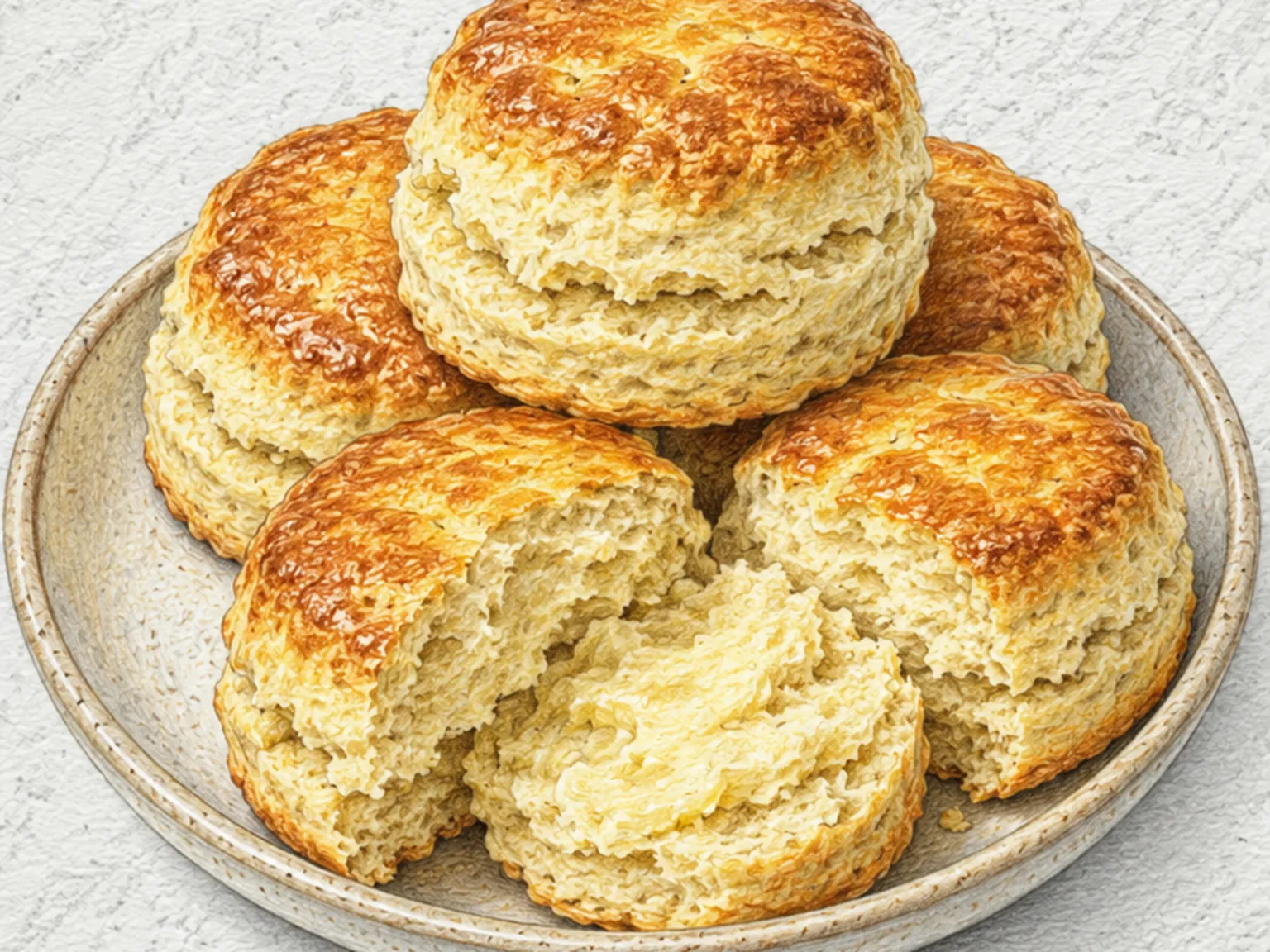
Classic British scones are made by rubbing cold butter into flour and binding the mixture with milk, using minimal handling to keep the dough light. This restraint is what creates the signature crumbly, layered texture - overworking develops gluten and produces a tough result. In the oven, the butter melts and generates steam between the flour layers, causing the scone to rise and split naturally along its sides. The exterior, brushed with egg wash before baking, turns golden and slightly crisp, while the interior stays soft and flaky, somewhere between bread and biscuit. Traditionally served during afternoon tea with clotted cream and strawberry jam, scones are split by hand rather than cut with a knife. The warmth of a freshly baked scone against the cool richness of clotted cream is the combination that defines the English tea table.
Adjust Servings
Instructions
- 1
Preheat the oven to 200C and line a baking tray with parchment.
- 2
Combine flour, baking powder, sugar, and salt in a large bowl.
- 3
Rub in cold butter until the mixture resembles fine crumbs.
- 4
Mix milk and egg, then stir in gently until the dough just comes together.
- 5
Pat dough to 2.5 cm thick and cut into 8 rounds.
- 6
Brush tops with heavy cream and bake for 13-15 minutes until golden.
- 7
Cool on a rack for 10 minutes, then serve with jam or clotted cream.
As an Amazon Associate, we may earn from qualifying purchases.
Tips
Nutrition (per serving)
More Recipes

Blueberry Yogurt Scones
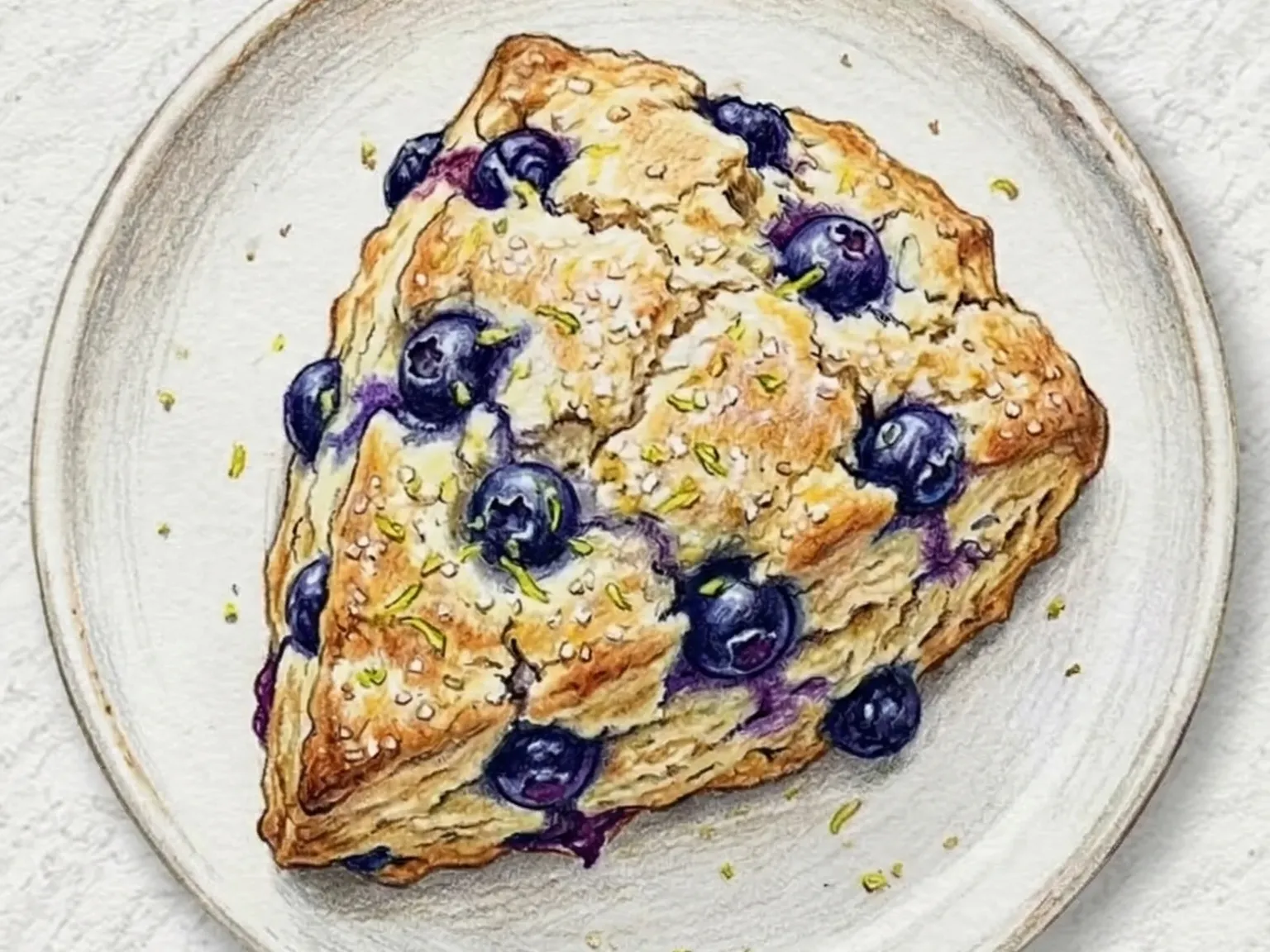
Blueberry yogurt scones use plain yogurt in the dough to create a crumb that is noticeably softer and more moist than the standard butter-and-cream version. The yogurt's mild tang permeates the dough, pairing with the butter to leave a clean, rounded finish on the palate. Blueberries partially burst during baking, sending violet-blue streaks through the pale interior and releasing a fragrant, fruity sweetness. The interaction between the baking powder and the yogurt's acidity gives the scones a gentle lift, so the exterior forms a light crust while the inside stays open and tender rather than dense. Sugar is deliberately minimal, letting the blueberries' own sweet-tart flavor do most of the work.

Black Sesame Butter Scones
These butter scones are generously flecked with roasted black sesame powder, yielding a distinctive grey-toned crumb and an intensely nutty fragrance. The exterior bakes to a golden, flaky crust while the interior stays soft and moist, thanks to a healthy measure of heavy cream folded into the dough. Each bite releases a deep, toasted sesame aroma that pairs naturally with a cup of tea or coffee. Unlike plain scones that rely on jam or clotted cream for character, these carry enough flavor on their own, though a thin spread of honey brings out additional sweetness. They are at their finest straight from the oven, when the sesame oils are most aromatic, but hold up well for a day if wrapped tightly.

Blueberry Lemon Scones
Blueberry lemon scones bring together the bright zing of lemon zest and the sweet tartness of fresh blueberries in a buttery, crumbly pastry. Cold butter is cut into flour and the dough is bound with heavy cream, producing scones that crack open with a crisp exterior and a layered, tender interior. Lemon zest is distributed throughout the dough, so every bite opens with a citrus fragrance before giving way to the pop of a blueberry and its rush of sweet-tart juice. Sugar is kept moderate, allowing the fruit and citrus to lead the flavor profile, which also makes these scones a welcoming base for clotted cream or preserves.

Yuja Saenggang Scone (Yuja Ginger Scone)
Cold butter is rubbed into flour to form coarse crumbs, then yuja marmalade and ginger juice are mixed in to create a dough that bakes into scones with a crumbly, flaky exterior and a moist, tender center. The yuja contributes a bright citrus fragrance that is more aromatic and floral than lemon, pairing naturally with the buttery richness of the scone. Ginger adds a subtle warmth that tempers the sweetness and leaves a clean finish. Minimal handling of the dough preserves the cold butter pockets that generate flaky layers during baking - if the dough warms, it should be returned to the refrigerator immediately. Shaping into rounds and brushing the tops with egg wash produces a golden, glossy crust. These scones are at their best served warm with clotted cream or yuja curd, where the citrus notes in the spread echo those baked into the scone itself. The combination of Korean citrus and British baking tradition makes this a distinctive cross-cultural pastry.

Beef Wellington
Beef Wellington wraps a whole seared tenderloin in a layer of mushroom duxelles and prosciutto, then encases everything in puff pastry before baking. The initial sear locks a flavorful crust onto the beef surface, and the duxelles acts as a moisture barrier between the meat and the pastry, preventing the dough from going soggy as the tenderloin renders. In the oven, the pastry puffs into hundreds of golden, flaky layers while the beef inside cooks evenly to a pink medium-rare center. Slicing through the finished roll to reveal the clean cross-section - bronze pastry, dark mushroom layer, rosy beef - is the dramatic payoff of the careful assembly. A red wine reduction served alongside completes the dish for a formal occasion.

Cornish Pasty (British Hand Pie with Beef and Root Vegetables)
Cornish pasty is a traditional British hand pie from Cornwall, made by encasing raw diced beef, potatoes, rutabaga, and onion inside a sturdy pastry of flour, butter, salt, and water. Because the filling goes in uncooked and sealed, the meat and vegetables steam inside the crust during baking, concentrating their juices into a rich, savory gravy within the pastry. Crimping the edges tightly is essential to prevent the juices from leaking during the forty-to-forty-five-minute bake at 200 degrees Celsius. Cutting the filling small enough ensures even cooking throughout. An egg wash brushed over the surface before baking produces a glossy, golden crust.