Coquilles Saint-Jacques (French Scallop Gratin with Gruyere)
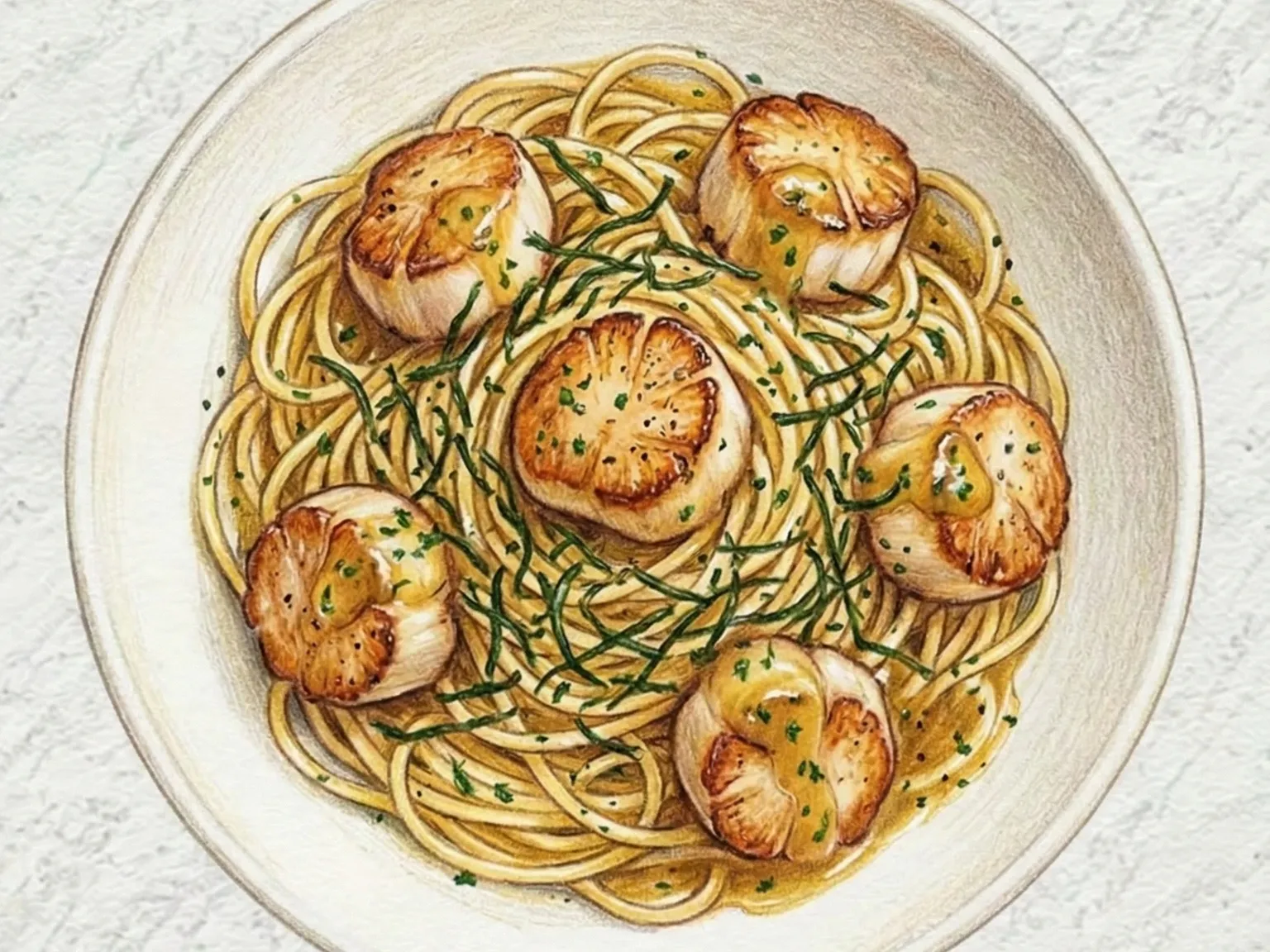
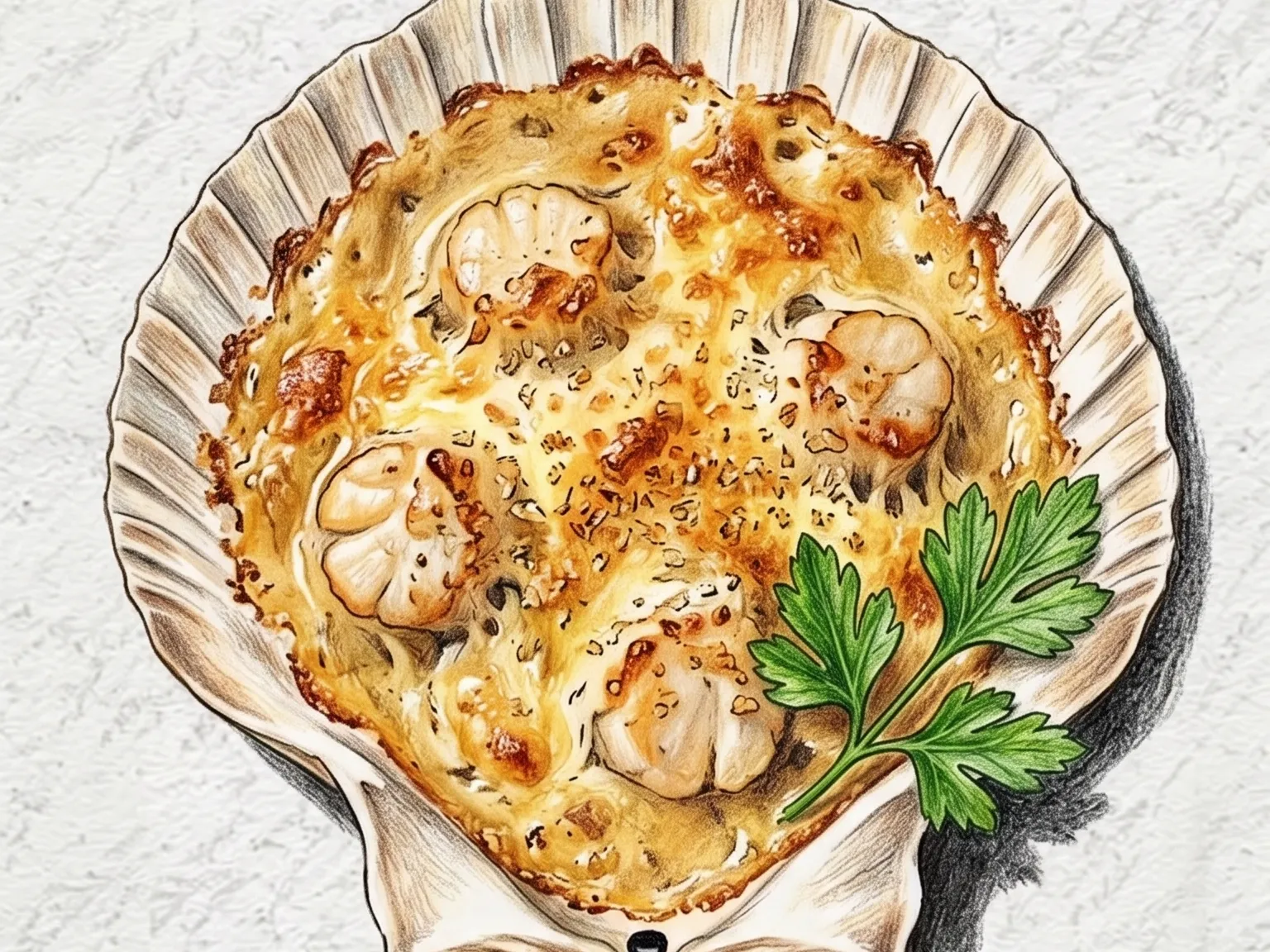
Coquilles Saint-Jacques is a French scallop gratin that sears sea scallops briefly in butter, then nestles them in ramekins under a sauce of shallot, white wine, heavy cream, and lemon juice, topped with grated Gruyere cheese and breadcrumbs. Patting the scallops completely dry before searing ensures a caramelized crust forms on the surface without steaming. Reducing the white wine by half concentrates its acidity, and the cream and lemon juice build a light but cohesive sauce. Six to eight minutes under the broiler at 220 degrees Celsius turns the cheese-and-breadcrumb topping golden and crisp. The finished dish presents three distinct textures - a crunchy crust, a creamy sauce, and tender, resilient scallops.
Adjust Servings
Instructions
- 1
Pat scallops dry and season lightly with salt and pepper.
- 2
Sear scallops briefly in 1 tbsp butter and set aside.
- 3
Cook shallot in the same pan, add wine, and reduce by half.
- 4
Add cream and lemon juice, then simmer until lightly thickened.
- 5
Place scallops in ramekins, pour sauce, and top with cheese and breadcrumbs.
- 6
Broil at 220C for 6-8 minutes until golden.
As an Amazon Associate, we may earn from qualifying purchases.
Tips
Nutrition (per serving)
More Recipes

Moules Marinières (French White Wine Steamed Mussels)
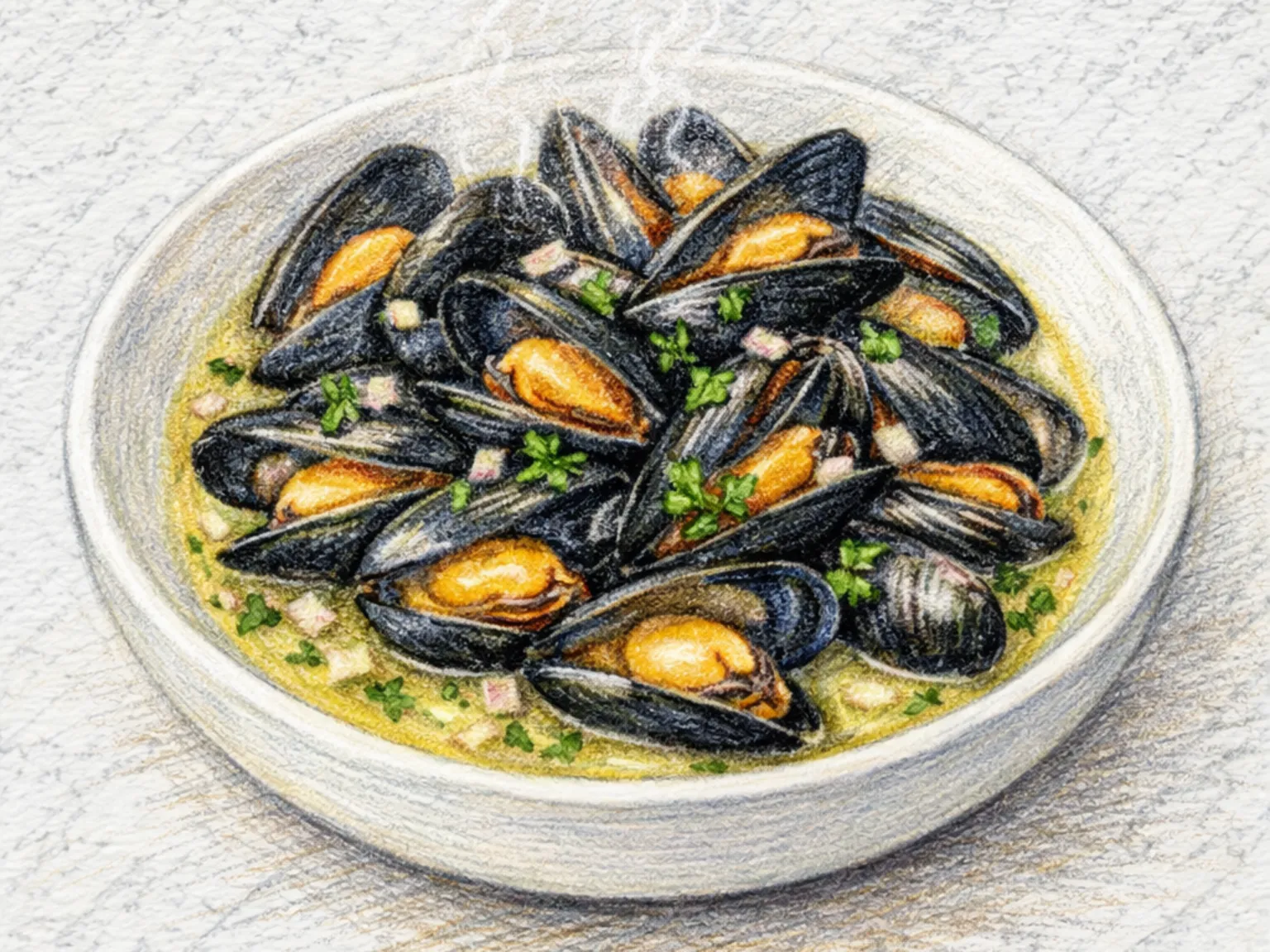
Moules marinieres is a French seafood dish that steams scrubbed mussels over a base of shallots and garlic softened in butter, with white wine added and the pot covered for four to five minutes on high heat. Boiling the wine for a minute before adding the mussels burns off the alcohol and leaves behind only the bright acidity that pairs naturally with the briny shellfish. Once the shells open, a splash of heavy cream, chopped parsley, and black pepper turn the cooking liquid into a light, aromatic broth. The short cooking time keeps the mussel meat firm and springy rather than rubbery. Any mussels that stay closed after steaming should be discarded. Crusty bread served alongside is essential for soaking up the butter-wine broth to the last drop.

Lobster Thermidor
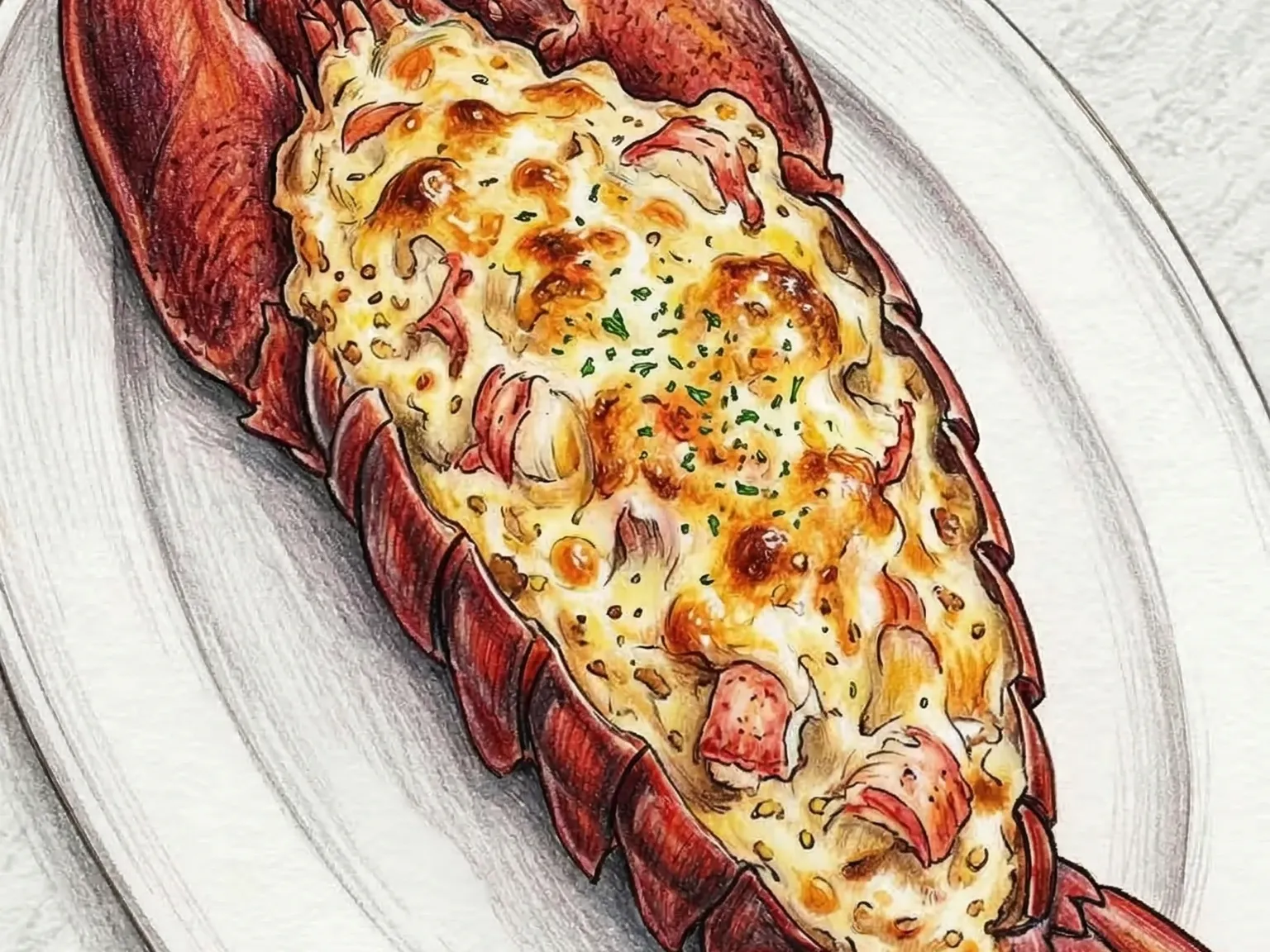
Lobster thermidor is a French dish in which boiled lobster meat is cut into bite-size pieces, folded into a cream sauce made from shallots sauteed in butter, white wine reduced by half, Dijon mustard, and heavy cream, then packed back into the cleaned shell and topped with grated Parmesan for a brief gratin under high heat. Reducing the wine concentrates its acidity, and the mustard adds a sharp undercurrent that prevents the cream sauce from tasting flat. Baking at 220 degrees Celsius for only six to eight minutes gives the cheese a golden crust while keeping the lobster meat tender. Lemon juice stirred into the filling at the last moment lifts the richness. The dramatic presentation in the shell makes it a natural choice for entertaining.

Garlic Butter Mussels
Garlic butter mussels are steamed in a fragrant broth of sauteed garlic, melted butter, and white wine. Onion and garlic are cooked in butter and olive oil until softened, then white wine is added and boiled briefly to drive off the alcohol while keeping the acidity and fruit notes intact. Once the mussels go in and the lid is sealed, the shells open within four to five minutes, releasing briny juices that meld with the butter-wine base into a rich, savory broth. Mussels that remain closed after cooking must be discarded. Finishing with chopped parsley and black pepper adds color and a mild sharpness, and tearing crusty baguette into the bowl to soak up the broth is the traditional way to enjoy every drop.

Blanquette de Veau (French Veal Stew in Creamy Egg-Lemon Sauce)
Blanquette de veau is a classic French white stew where veal shoulder is first blanched in cold water to remove impurities, then gently simmered with carrot and onion in fresh water for over an hour until the meat yields easily to a fork. The cooking broth is transformed into a sauce by building a butter-flour roux and whisking in the liquid, then finishing with tempered heavy cream and egg yolks to create a velvety coating that clings to every piece of meat. The sauce must never boil after the yolks go in - even brief overheating will cause it to break. A squeeze of lemon at the end lifts the cream's richness, and button mushrooms sauteed separately in butter add an earthy counterpoint when folded back in.

Steamed Mussels Mariniere
Moules mariniere is a French steamed mussel dish cooked quickly over high heat with white wine, butter, garlic, and shallot. As the mussels open, they release their briny liquor into the wine-butter base, creating a deeply flavored broth in under five minutes. The short cooking time keeps the mussel meat plump and firm rather than rubbery. Fresh parsley is scattered over the top just before serving, and the real draw is the aromatic broth at the bottom of the pot, traditionally soaked up with torn pieces of crusty baguette.

Paris-Brest (Ring-Shaped Choux with Praline Cream)
A ring of choux pastry is baked until deeply golden and hollow, then split and generously filled with praline mousseline cream made from roasted hazelnut paste. The shell shatters on first bite, giving way to a smooth, nutty cream that carries an intense toasted aroma. Sliced almonds pressed onto the raw dough before baking add a secondary layer of crunch and visual texture. The choux must cool completely before filling to prevent the cream from melting and the shell from going soft. Eggs are added to the hot dough gradually, checking the consistency after each addition, because the exact amount needed varies with flour absorption and egg size. Once assembled, a brief chill in the refrigerator sets the cream without softening the pastry.