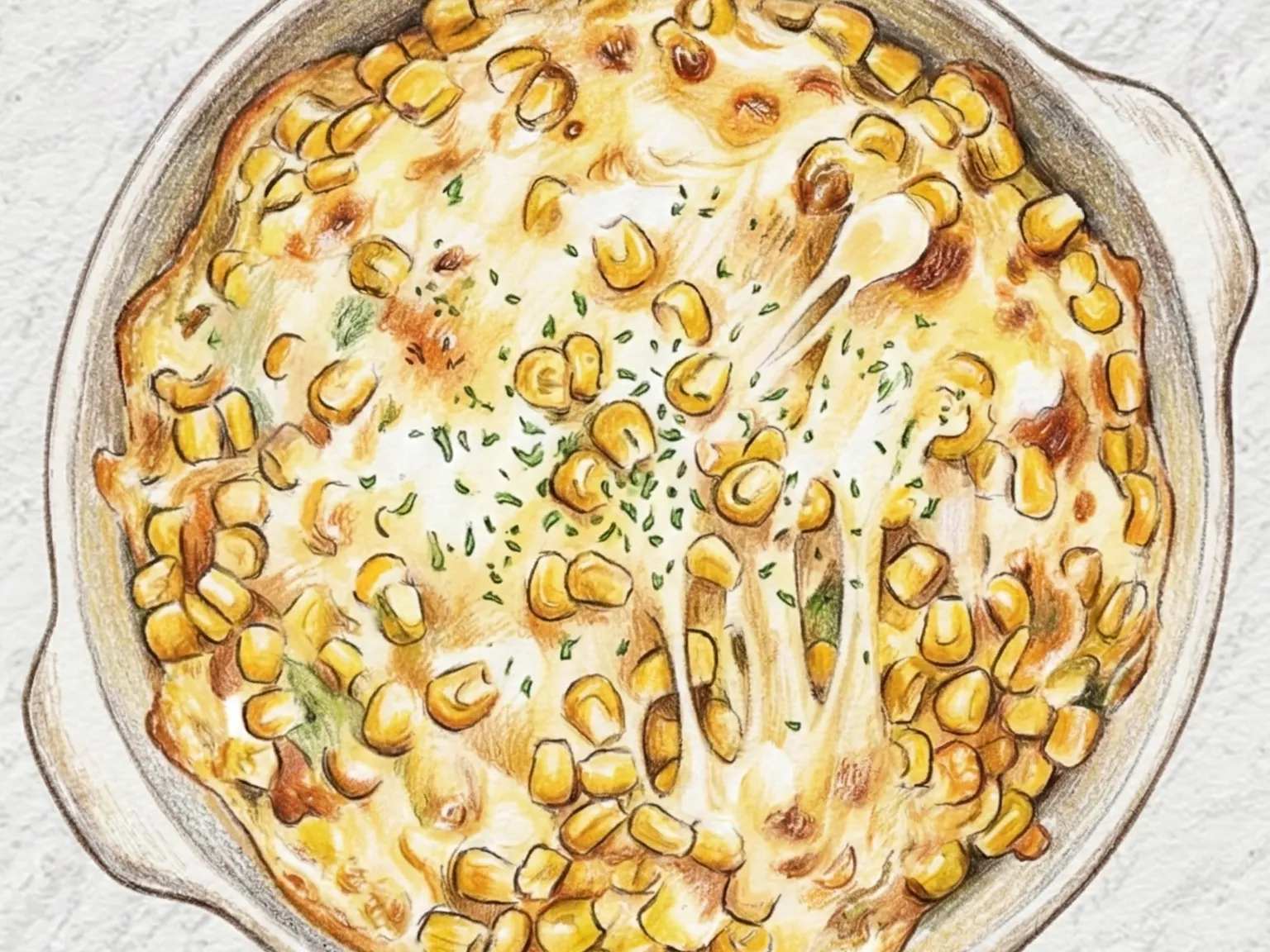
Charim and HAP
Korean Corn Cheese (Buttery Skillet Corn Mozzarella) cooking process
HAP turned Charim's Korean Corn Cheese (Buttery Skillet Corn Mozzarella) recipe into a 18-second cooking video.
See more from HAP on YouTubeKorean Corn Cheese (Buttery Skillet Corn Mozzarella)
Water is what spoils this skillet, so drain 200 g canned corn well and cook it in 1 tbsp butter with 40 g diced onion over medium heat until no water pools in the pan. Lower the heat, stir in 2 tbsp mayonnaise, 1 tsp sugar, and 1/4 tsp black pepper just until the corn is thickly coated, then cover with 120 g mozzarella and a lid and melt on the lowest heat for 2 to 3 minutes, until the edges bubble gently.
Quick answer
- Total time
- 13 min
- Level
- Easy
- Servings
- 2 servings
- Ingredients
- 7
About this dish
Sweet kernels coated in butter and mayonnaise sit beneath a stretchy sheet of melted mozzarella in this Korean skillet dish.
Read more
Canned corn has to be drained well and cooked briefly to drive off water, or the pan turns soupy. The mayonnaise goes in over low heat and stops cooking once it clings, because longer heat makes it separate. A lid over the lowest heat melts the cheese without an oven.
Ingredients
Instructions
- 1
Drain 200 g canned corn in a fine strainer, rinse it briefly, then shake off as much water as possible so the skillet does not turn watery. Dice 40 g onion into small pieces about 0.5 cm wide.
- 2
Warm the skillet over medium heat, melt 1 tablespoon butter, and add the diced onion.
Cook for about 1 minute, stirring often, just until the onion looks translucent and sweet-smelling, before it starts to brown.
- 3
Add the drained corn and keep cooking over medium heat for about 1 minute to drive off leftover moisture.
The kernels should look glossy, and there should be no visible water pooling on the bottom of the pan.
- 4
Lower the heat to low, then stir in 2 tablespoons mayonnaise, 1 teaspoon sugar, and 0.25 teaspoon black pepper.
Mix only until the sauce coats the corn thickly, so the mayonnaise stays creamy instead of splitting.
- 5
Spread the corn mixture evenly across the bottom of the skillet and cover it with 120 g mozzarella, leaving no large gaps.
Cover with a lid and melt over the lowest heat for 2 to 3 minutes.
- 6
Turn off the heat when the cheese is fully melted and the edges are gently bubbling.
If using an oven, broil at 220 degrees Celsius for about 5 minutes, just until the surface turns lightly browned.
Use-up ingredient planner
Turn these ingredients into two more meals
The overlap excludes basic seasonings. Open the next recipe and your selected dishes will stay with you.
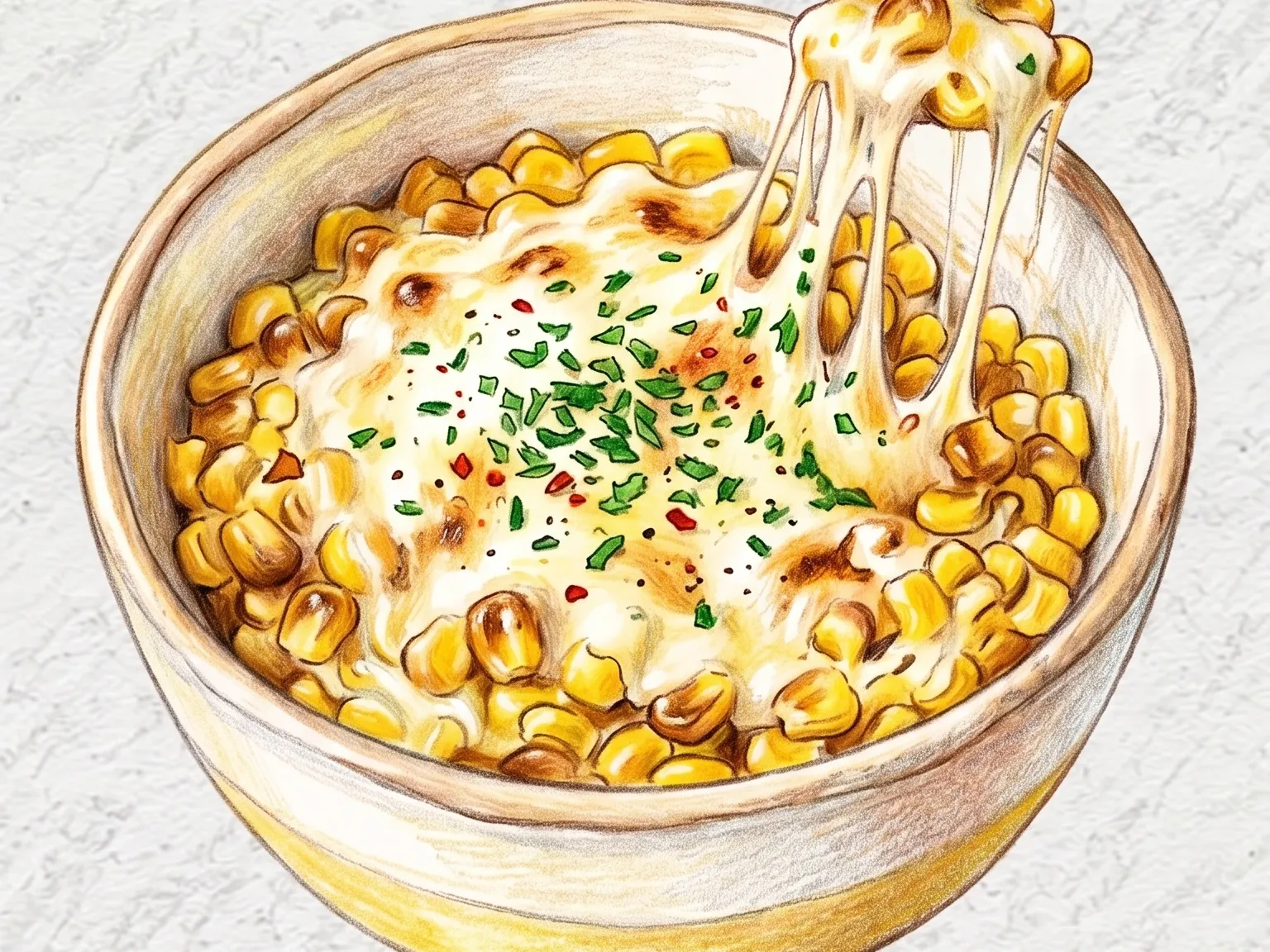
Korean Beoteo Oksusu Cup (Butter Corn Cup)
mayonnaise, mozzarella cheese
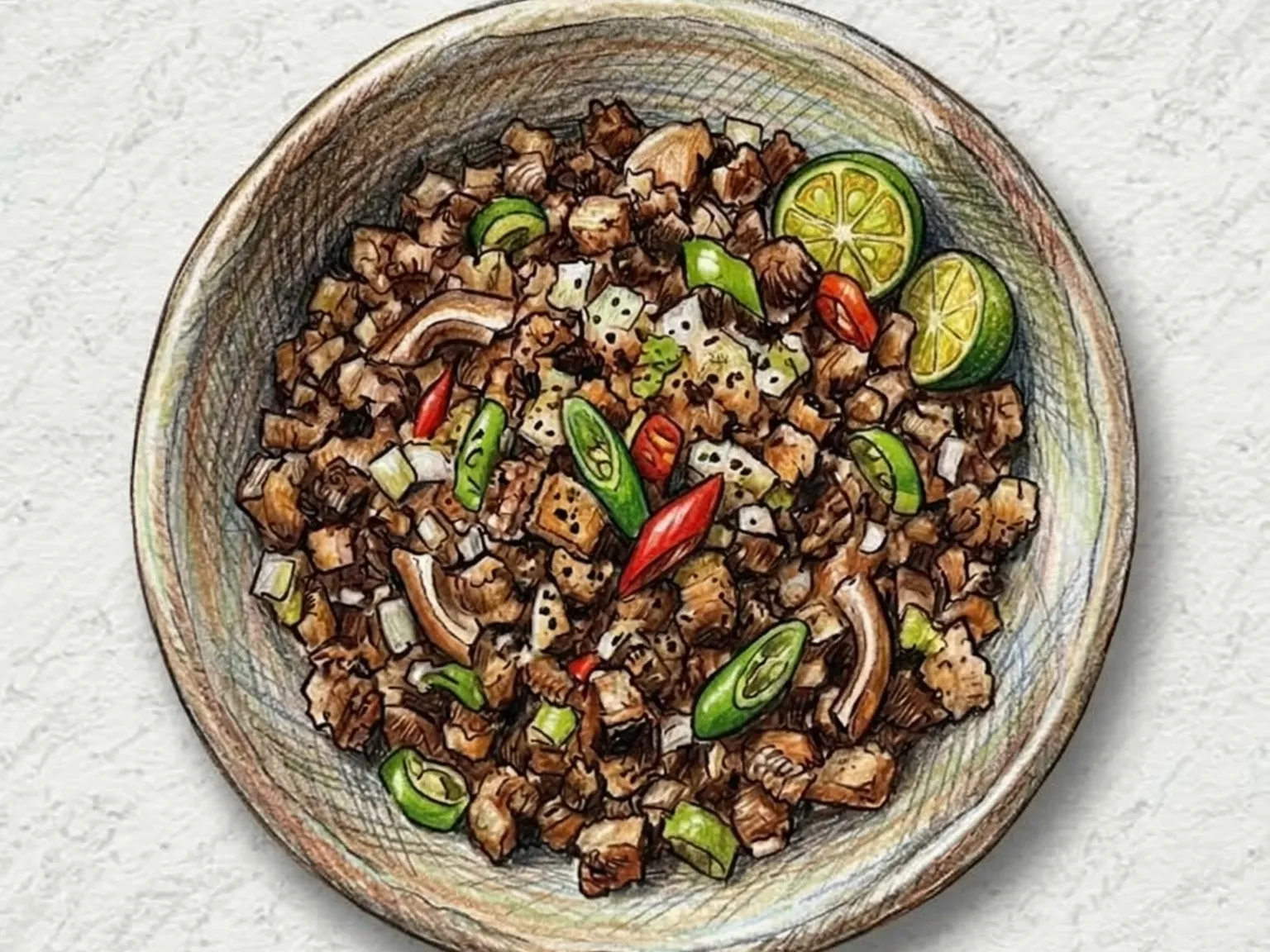
Sisig (Filipino Crispy Chopped Pork with Chili and Calamansi)
mayonnaise, butter
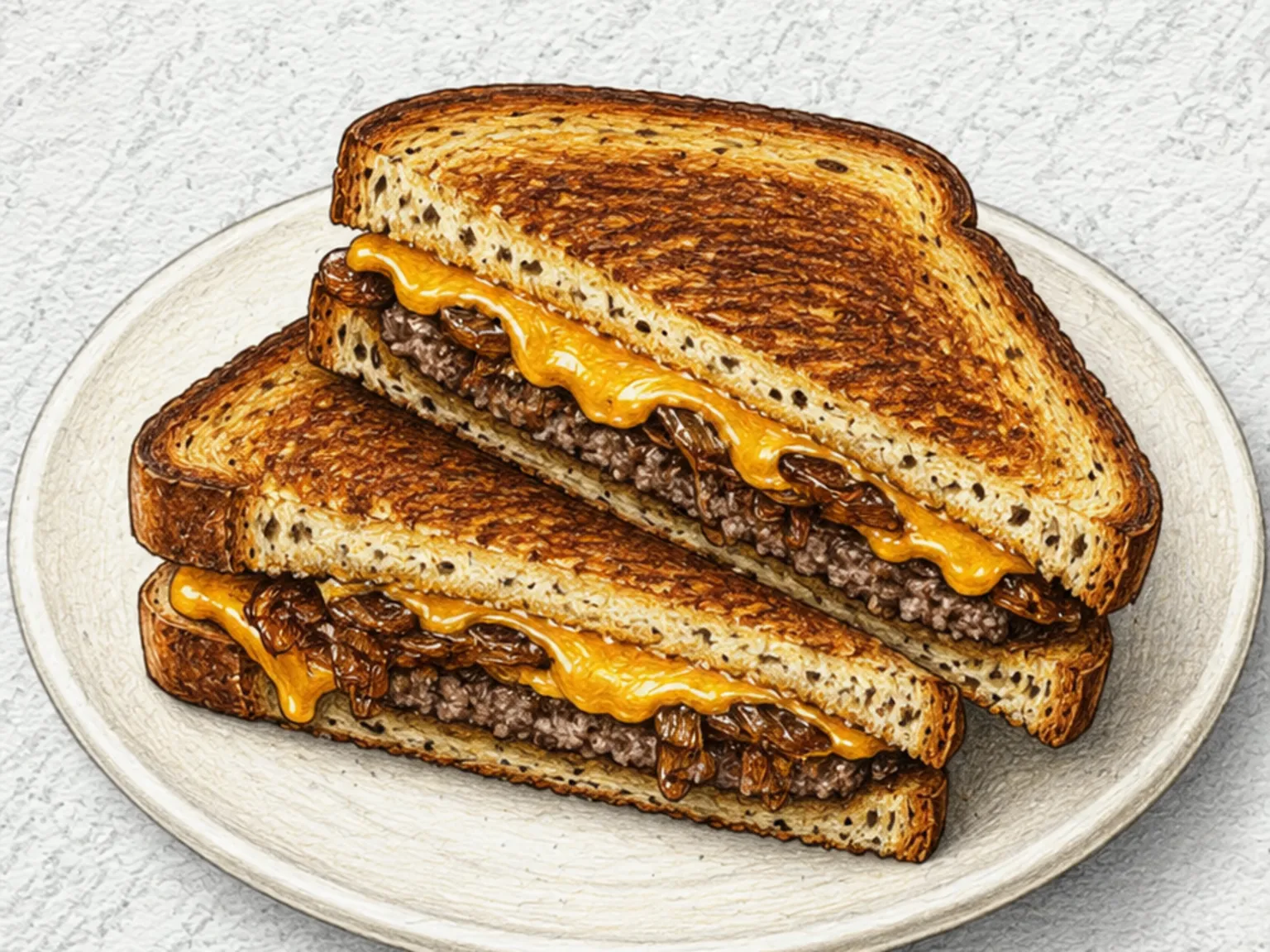
Patty Melt
mayonnaise, butter